Is Tarot a Sin, Witchcraft, or Something to Fear? A Clear Guide
If you are wondering whether tarot is a sin, evil, or something that invites trouble, this guide draws on 25 years of reading for churchgoers and sceptics to explain how it works, where the fear comes from, what to watch for, and how to choose what is right for you.

It is past midnight, your house is quiet, and your phone light is the only light in the room. You open a new tab and type questions you would not say out loud at lunch. Is tarot a sin? Is it evil? Can it invite something into your home? You remember a friend who had an unsettling reading, a film scene where things go wrong, and a line from Sunday school that stayed with you. You feel tense because curiosity and fear are arriving together.
If we were at my table at home, I would put the kettle on and say this. You are not silly for asking. You are being careful about what you allow into your life. I have read tarot for 25 years and written more than 25,000 readings. My clients have included church organists, youth pastors, atheists who code apps, mums who run small bakeries, and grandparents who collect stamps. I am practical and I do not summon anything. I use cards made of paper and ink to help people examine their lives from a new angle. This article explains where the fears come from, what tarot is and is not, how a reading with me works, and how to decide what fits your faith and your comfort level.
Where The Fear Around Tarot Comes From
When someone writes to me with worry, it usually traces back to two sources. The first is religious teaching: a verse remembered in fragments or a sermon that connected fortune telling with danger. The second is stories and media, where cards are paired with thunder, candles, and a soundtrack that signals danger. Add an unusual experience a cousin had on holiday and the concern can feel convincing. The brain remembers danger because it is trying to protect us, so dramatic moments stay vivid. On social media, people also share scripture as short snippets. A verse image may omit the lines before and after it, which can change its meaning. We will discuss common passages later, including who they addressed and what problems they were responding to. When you read the full passages, you find references to trade guilds, court politics, and warnings against people who charged for invented prophecies. That is different from a modern card reader who writes a reflective letter and sends it by email. Context does not remove caution; it helps you apply it accurately.
Films and television use fortune-teller scenes because they create tension quickly. A velvet curtain, a low voice, and a card called Death communicate danger immediately. Nobody would pay to watch a normal Tuesday in which someone pulls three cards and discusses time management and a difficult feeling. Drama is memorable, while quiet reflection is not. You are here because the dramatic version became loud. That makes sense. We can separate what happens in a film from how a reflective card reading actually works and help you decide where your own boundary lies.
What Tarot Is Historically, Without The Mystery
Tarot started as a card game in 15th century Italy. It was played in family rooms and courtyards next to other trick-taking games. The decks had suits like cups and coins instead of hearts and diamonds, and there were picture cards like the Sun and the Wheel that worked as special trumps. Families played it, nobles played it, printers made nice versions for rich patrons and rougher ones for everybody else. No one at the time wrote about doorways to spirits when they wrote about the game. They argued about rules and who cheated with a sly smile.
The mystical layer arrived much later. In 18th century France, occult clubs liked to map old symbols onto new ideas. They linked the cards to Hebrew letters, to astronomy myths, to alchemy drawings. Some of that is imaginative and fun. Some of it drifted far from the card table and turned into secret society language. When you see a vintage book calling tarot an ancient book of hidden wisdom, that is Victorian marketing, not a museum label from Florence. The deck on my shelf is made of card stock and ink. There is no circuitry in it. If you put it on a scale, it weighs what a stack of postcards weighs.
Modern readers sit in two camps or sometimes with a foot in each. Some like the historical game angle and treat the pictures as prompts for the mind. Others love the layered symbolism and read the cards like poetry. I am in the middle. I respect the roots, I read the images, and I keep my feet on the floor. If you want the longer backstory, I wrote up the timeline and the debates in How Were Tarot Cards Invented? and you can browse card meanings anytime over on my card guides.
What A Reading With Me Involves, In Practice
People sometimes imagine incense, chanting, and a mysterious curtain. My readings are more straightforward. You tell me what is on your mind. You might be deciding between two jobs, wondering whether a flat suits you, or trying to understand a relationship pattern that keeps repeating. I pull a small spread of cards, usually three to seven, and write about a thousand words. I describe the images, connect them to your question, and give you two or four concrete steps you can try in the next week. No spirits are summoned. No predictions of doom are offered. I look for themes and may discuss timing suggested by the suits and numbers. Then I send you a PDF you can read with breakfast.
If you are curious and want to keep it simple, my 3-Card Tarot Reading ($79) is designed for beginners. Three cards give a past pattern, a present snapshot, and a possible next step. That small structure can make the question easier to consider. I give you practical language you can use in a chat with your boss or in your notes app. If you want to see how a written reading works, I explain the steps, from booking to delivery, over here in how a written reading works. The process is clear and the boundaries are stated in advance.
What you will not find in my work: I do not call on guides or speak for the dead. I do not say you are cursed and must pay to fix it. I do not tell you to leave your partner based on a card. I ask practical questions. What concerns you? What would a small test look like? Which promise you made to yourself last year still matters? The reading gives you images and questions to consider. You decide what to do.
What The Bible Passages People Cite Are Saying
I get emails that quote Deuteronomy 18, Isaiah 8, Daniel 2, Acts 16, and Galatians 5. The verses appear in list posts and videos with dramatic music. The pattern is familiar. These passages warn against practices that claimed secret knowledge, influenced rulers, or sold certainty to worried people. In Deuteronomy, the community is told to avoid divination and sorcery because those practices were tied to state cults and harsh rites in nearby nations. Isaiah criticises people who claimed to consult the dead and sold that as advice. Daniel says court astrologers could not provide what they promised the king. Acts tells a story about a slave girl whose owners made money from fortune telling until that income stopped. Galatians names works of the flesh, including sorcery used to control others.
Those passages address power, money, and control. They reject the idea that someone can sell access to a hidden force that controls the world. They also criticise practices connected with worship of local gods and exploitation. That matters. When people ask how I understand those passages, my answer is simple. I read cards as a tool for reflection. I do not claim secret knowledge or authority over anyone's faith. Some clients pray, read scripture, and then book me as they might book a therapist or career coach. Some bring a copy of the reading to their pastor and discuss it in counselling. That combination works for them because the reading offers description and questions rather than secret instructions.
If these verses make you uneasy, you are allowed to listen to that feeling. You can choose prayer, journaling, and conversations with trusted leaders. You can decide tarot is not for you and still be welcome in my inbox. Your conscience matters, and you do not need to force yourself into a practice that conflicts with it. I will give you useful reflection exercises in this article whether you book me or not.
Is Tarot Witchcraft, Evil, Or Demonic?
The words people use vary with their background. Some use witchcraft as a broad term for any spiritual practice outside church. Some use evil to mean harmful. Some use demonic when a practice feels like an unsafe spiritual opening. These words tell us where a person's boundary is. I answer as specifically as I can. Cards are printed pictures. Readers have different ethics and methods. A card game, a reflective reading, and a ritual are not automatically the same activity. Some people combine rituals with tarot. Others write a reflective letter. I provide the letter-style reading.
In my practice, the cards work as visual prompts. If the Tower appears, it may prompt you to examine a structure in your life that feels unstable, such as a schedule or a role that has become too demanding. If the Star appears, it may prompt reflection on patience and recovery after a difficult period. These are images and archetypes. An archetype is a recurring human pattern, such as a hero, mentor, or crossroads. Tarot offers picture prompts that help you hold a theme in mind while you think. This process does not require spirit contact and can be compared with using metaphors in therapy.
If a reader claims to contact entities, uses animal sacrifice, or promises to control an ex, that is different from my work and raises serious consent and safety concerns. If someone sells you a spell to control another person, do not pay. You can leave, block the account, or ask someone you trust for help. If your faith tells you to avoid practices under the occult banner, that choice stands. A reflective tool and a ritual are not automatically the same, and you can choose based on your own beliefs and boundaries.
How A Written Reading Keeps Boundaries Clean
I moved to written readings on purpose. The format keeps the process clear. You send a question and I write a reply. The cards are on my desk as visual prompts. I describe what I notice, explain how it may relate to your question, and suggest steps. Then I send the report. There is no circle, chant, dim room, or pressure to agree immediately. You read it when you have time. You can reply if something is unclear or if a card image brings a memory to mind. It is a thoughtful letter from someone who looks for patterns.
Written readings also reduce the dependency that can develop in fast chat sessions. The pause between your question and my reply gives you time to think. You might sleep on it or ask a trusted colleague about a practical suggestion. The pause leaves room for your own judgment. It also reduces pressure to buy more minutes. I list the price clearly and deliver what I promised. If that style suits you, you can see the format at how a written reading works and, when you are ready, the simplest option is the 3-Card Tarot Reading ($79).
If you want a practice you can try without booking me, write one question at the top of a page. Then add three headings: What I know, What I fear, and What I hope. Set a timer for ten minutes and write under each heading. If you own a deck, pull one card and add a fourth heading: What this picture reminds me of. If you do not own a deck, open my card guides and choose a card to read about. The point is to think on paper. The card is a prompt, like a quote in a daily devotional, with a picture.
The Real Risks To Watch For
Two risks come up repeatedly: scam readers who invent curses and charge to remove them, and dependency in which someone asks the cards about every small choice until their own judgment becomes harder to hear. Both are easier to avoid when you know the signs.
A scam reading often follows a script. It starts normally, then becomes frightening. The reader claims there is a dark cloud, blockage, hex from an ex, or jealous friend who cursed your relationship. Then comes an offer to cleanse or remove it for a fee. Prices rise. They may ask you to keep it secret or stop speaking with friends who would question the claim. This is an old scam with new language. If anyone says that you, your child, or your relationship is in danger unless you pay today, step back. Take a screenshot, close the tab, and block unsolicited social-media messages. Reputable readers do not contact strangers to claim that their aura is leaking.
Dependency can develop when the cards become the only way you make decisions. You may start by asking about a work problem, then ask about dinner, and then ask whether to text your sister now or in an hour. Your own decision-making becomes less practiced. Use limits instead. Choose two days a month for card reflection, or use cards only for changes involving money, home, or a key relationship. If you feel anxious without a reading, pause for a month and write in a notebook. If a reader encourages constant check-ins or increases your anxiety, treat that as a warning sign. A good reader should support your independence, not require your repeated bookings.
- Clear pricing and scope before you pay
- Focus on reflection, options, and consent
- Encourages you to think and decide
- Suggests real-world steps you can test
- Curses, clouds, or doom that need paid fixes
- Pressure to book more time right now
- Claims of secret access or guaranteed results
- Isolation from your support network
Two Client Examples: One Who Stayed And One Who Stopped
A woman from Leeds wrote to me in spring. She teaches music at a Church of England primary school, plays the organ on Sundays, and had carried fear about tarot since her teens. A friend booked her a reading as a birthday idea and she nearly cancelled. She wrote her worry in the booking form, which I welcome. Her question was simple. Should I apply for deputy head this year or wait and study. I pulled three cards and spoke about confidence, mentoring, and timing in her local school. I did not touch her beliefs. I suggested a small step, lead one new project before term ended. She wrote back a month later and said the project went well, she felt braver, and she prayed through the decision with her vicar. She applied, with clear eyes, and got an interview. Her line in the sand stayed where it was. The cards were a mirror, not a ladder to a new faith.
Now a man from Houston. He grew up Pentecostal and had been warned off any card work. He wrote anyway because he was stuck in a sales role that ate his weekends. We did one reading on work values and boundaries. Two weeks later he wrote again with more questions about his relationship, his diet, and whether to buy a motorcycle. I told him to pause. I said the cards were becoming a yes-no machine and that his own sense of right action was getting drowned. He sat with that and decided tarot was not a tool that helped him right now. He wrote a kind note, went back to prayer and fasting with his church, and unfollowed a pile of tarot accounts on Instagram. Six months later he sent a line to say he moved into an operations role at the same company and had his Saturdays back. His choice to walk was good care for himself.
One more, shorter. A graphic designer in Lisbon had a reading about moving in with her partner. The cards pointed to shared finances as the sticky spot. She set up a money date and they used a spreadsheet. She wrote back with a photo of two keys on a table and a silly grin. No lightning. No doom. Just a prompt to talk about the practical bit.
Guidance For Religious Readers, Including Those Who Say No
Your faith is allowed to set the tone. If your church teaching says avoid divination and you see tarot under that word, you can choose to abstain. You can get many of the same benefits through prayer, scripture reading, and wise counsel. The value people find in tarot often comes from pausing to reflect, naming feelings, and seeing patterns. You can do that with the Psalms, with Proverbs, with a sermon note you copy into a journal. Many of my clients pair their reading with prayer. Others ask their pastor to help them sift the advice. I am happy when people use the words and tools that already hold them.
If you do choose to book, set guardrails that make sense to you. Decide what topics feel off-limits. If you feel uneasy about mediumship or spirit talk, write that in your booking. Ask for a reading that stays grounded in action and choice. If a reader ignores your request, that is data. You can thank them and step away. You can also use language that fits your belief. If you feel guided by God, say so in your question. I can frame options and steps in a way that supports a life of faith. A reading does not have to be a ceremony. It can be a conversation.
One of my happiest emails came from a client who set a boundary from the start. She said, Kate, I am Catholic. I want to think through my promotion and keep my conscience clean. Please stick to career and communication, and skip anything that sounds like summoning. I wrote the reading, she highlighted two sentences, and then she took it to Adoration. A month later she wrote to say, I said yes to the role and I sleep fine. That is how a tool and a faith can sit in the same house without knocking each other over.
Horror Films, Scary Readings, And What They Leave Out
Films need high stakes. That is why the Death card appears on screen far more often than the Sun. In a reading, the Death card can represent an ending or transition that makes room for change. On screen, it may represent a masked figure in a doorway. The Tower in a reading can prompt reflection on a belief or structure that needs review. In a film, it may mean lightning and a dramatic sound effect. This mismatch creates fear. If your only memory of tarot is a scene where a character meets their doom, it makes sense to feel wary when you see a deck online.
There are also stories about poor readings. A neighbour once had a reading in Brighton where the reader looked at her ring and said her marriage would end. There was no context or care, just a frightening statement. That is poor practice and poor manners. A responsible reading treats a person's life with respect and invites useful questions rather than delivering a verdict. When I teach beginners, I use a simple rule: if you would not say it to a friend you care about, do not say it to a paying client. If you want a clear explanation of card names, read Yes-Or-No Tarot, Without The Headache. It explains which cards may lean yes, no, or uncertain and, more importantly, how to ask follow-up questions. You can also explore how I treat upside-down cards in Exploring the Power of Reversed Tarot Cards.
Reflection And Pattern-Finding, Without Promises About Fate
When I read, I look for themes and stories. If you ask about work and I pull Wands cards, I may discuss energy, drive, and burnout risk. If I see several Pentacles, I may discuss money, materials, and skill building. Swords are often associated with thoughts and conflict. Cups are often associated with feelings and relationships. I use the cards to describe the inner question in plain language, then turn that description into questions for you. What would rest look like this week? Which part of the project would benefit from a checklist? Where can you ask for help?
No card tells me your fixed fate. Life includes choices and chance. If I see the Two of Wands, I may discuss how to compare options. If I see the Hermit, I may suggest setting aside a week with fewer social plans so you can think. The point is agency: you decide what to do. Some readers discuss fate, destiny, and timelines. I use more practical language. I discuss possible outcomes if you continue as you are and what you might change if you choose a different approach. That is closer to coaching than to fortune-telling. It fits how most people make decisions: with a list, advice, prayer, and a test run.
If you like learning the images, I have guides on symbols and spreads. Start with An Exploration of Tarot Card Symbolism. Then read Unlocking the Tarot's Full Potential: A Guide to Advanced Reading for advanced methods. Read slowly and take notes so you can decide which ideas are useful to you.
Superstitions Sorted Kindly
Superstitions about tarot spread quickly. You may have heard that your first deck must be a gift, that used decks carry bad energy, that sleeping with cards under your pillow makes them yours, or that another person's touch ruins a deck. These rules can make people anxious and make a simple tool feel fragile. I have bought my own decks for 25 years. Some were new and some were second hand with notes in the margins. They worked well. A deck is paper and ink. Your attention matters more than a rule passed down on a forum.
The gifted-deck idea may have grown from a friendly custom. People like to introduce friends to hobbies with a present, and some communities use gifts as rites of initiation. If someone gives you a deck, that is lovely. If you see a deck you like at a shop and want to buy it, that is also fine. If a used deck makes you uncomfortable, shuffle it while thinking about your question. You can tap the sides, cut the deck, or say a short line such as, May my reading be clear and kind. If a ritual helps you focus, use it. If it makes you tense, skip it. The cards remain usable.
If you want a fuller discussion of tarot superstitions, read Should Tarot Cards Be Gifted To You?. Keep the practices that help you feel steady and leave the ones that make you anxious. Your practice can be simple.
Self Check: Is Fear Or Curiosity Driving You
Grab a scrap of paper and a pen. Set a timer for five minutes. Answer these in brief lines, no editing.
- 1Name the pullWrite two lines on what attracts you to tarot today. Is it a big choice, a feeling you want words for, or plain curiosity. Use everyday language you would use with a friend.
- 2Name the worryWrite two lines on what you fear could happen. Include both practical worries, like wasting money, and spiritual worries, like crossing a line in your faith.
- 3Set a boundaryWrite one line on what is off-limits for you. For example, no mediumship, no health diagnosis, no spells. Boundaries make things safer.
- 4Pick a testPlan a small, low-risk test. Read a free card meaning, or try a one-card pull with a borrowed deck, or read my sample layout. See how your body feels after.
- 5Review tomorrowSleep on it. In the morning, check if your curiosity still feels welcoming or if your worry grew. If worry grew, honour that and choose prayer or journaling this time.
Quick History And Practice At A Glance
| Topic | What movies show | What happens at my desk |
|---|---|---|
| Origin | Ancient secret code | 15th-century Italian card game |
| Tools | Relics and candles | Paper cards and a notebook |
| Method | Summoning scenes | Question, cards, written reflection |
| Outcome | Fate sealed in one line | Options, steps, and a check-in with yourself |
| Tone | Threat and doom | Kind, practical, specific |
| Client role | Passive and spooked | Active and thinking |
| Ethics | Mystery for effect | Clarity, consent, no upsell |
Stories use drama. Reflective readings should use clear language.
If You Want To Learn Without Making Yourself Anxious
Start small. One card a day is enough. Ask a simple question, such as what do I need to keep in mind at work, and pull one card. Look at the picture for one minute. Name four details, such as colours, objects, or body language. Write two lines about how it could relate to your day. Then close the notebook and continue with your day. Do not ask the same question again or keep drawing cards until you get the answer you want. This practice helps you connect images with the life you already lead.
Use structure to keep the process calm. Pick a short spread with clear positions. Past, present, and next step is a classic. If you want to try a yes-no format, read Yes-Or-No Tarot, Without The Headache. It explains cards that may lean yes, no, or uncertain and teaches you to ask better questions. Good questions are an important part of the skill. Instead of asking, Will I get the Manchester job? try, How can I present myself well in interviews this month? That leaves room for either result and gives you a plan.
If money and career are your focus, read Money Tarot Readings - Yes, they work. And this is how!. It shows how to turn card themes into budgets, calendar blocks, and boundaries. These are practical actions you can take this week. If you want short written guidance, the 3-Card Tarot Reading ($79) fits a busy schedule.
How To Spot Scam Readers Before They Get Your Money
| What you see | What it means |
|---|---|
| A cold DM saying your aura is off | Mass messages fishing for fear. Block and delete. |
| A free mini reading that turns ominous | Hook and upsell tactic. Step away before paying. |
| Claims of curses only they can remove | Manufactured threat. No ethical reader does this. |
| No pricing listed, pay link sent in chat | Opaque terms. Ask for a site page with clear scope. |
| Pressure to keep the session secret | Isolation move. Tell a friend and walk. |
| Guaranteed results or timelines | No one can promise that. Save your cash. |
If you feel rushed or frightened, pause. Good work never needs panic.
The Limits Of Tarot And Why They Matter
Tarot does not replace doctors, therapists, lawyers, or financial advisers. It can help you make a list of questions to take to them, admit what you have been avoiding, or notice a theme that keeps causing difficulty. It cannot diagnose illness, read someone else's mind, or promise a court-case result. When a reader makes those claims, they put you at risk. A responsible reading should sit alongside expert help and may help you prepare for an appointment.
Tarot cannot make someone love you, forgive you, or hire you. It can help you consider your part in a situation. It can prompt you to think about timing, such as when a manager may have time to discuss a proposal. It can suggest that an idea needs a draft before a meeting. A reading cannot do the practical work for you. If you notice yourself waiting for a sign when a phone call would move things forward, make the call.
Tarot cannot remove every fear. Some fears relate to old hurts that need care, time, and sometimes therapy. If you keep returning to a topic and feel stuck, bring it to a counsellor. You can tell them which images came up if that helps you explain the feeling. Therapists can use concrete images to make emotions easier to discuss. Your wellbeing deserves several forms of support: cards, prayer, walks, sleep, friends, medicine when needed, and good food.
What A Beginner Can Try This Week Without Buying Anything
Try a seven-day reflection without cards. Each evening, write one sentence that starts with, Today I noticed. Keep the sentences in one notebook. After seven days, read them together and circle repeats. Those repeats are patterns you noticed in your own life. Your brain can be a careful observer when you give it time to record what is happening.
If you have a deck, try a two-step reading. First, write the question on paper. Then pull one card and set a timer for three minutes to list the details you see. Write one low-risk, helpful action for tomorrow. Do not draw a second card or keep seeking a yes-no answer. If this works for you, try two cards on the weekend: card one, what to do less of; card two, what to do more of. Keep the exercise practical.
If you do not want cards in the house yet, read one of my how-to pieces as a prompt. Pick a section in An Exploration of Tarot Card Symbolism. Use the symbol as a thought for the day. For example, the Ace of Cups often shows flowing water. Ask, where can I allow movement instead of holding on too tightly? Write two lines, then return to your ordinary evening.
What A 3-Card Reading Looks Like: Step By Step
Say your question is about switching jobs. You work in Manchester at a logistics company and a role in a smaller firm has opened up. You ask, What do I need to consider as I weigh this offer? I pull three cards: left, what brought me here; middle, the current picture; right, the next useful step. The left card might be the Eight of Pentacles, which is associated with steady work and skill building. That can prompt you to consider the value you have already built and whether you enjoy gaining mastery. The middle card might be the Seven of Cups, with images of choices in clouds. That may reflect feeling pulled in several directions or tired by the options. The right card might be the Two of Pentacles, showing a person juggling two coins. That can suggest a practical test, such as trying a week of time-blocking to sample what the new role would demand.
I write this in sentences anyone can read. No jargon. I might say: list the two most important parts of your work week, such as hands-on problem solving and a team that responds when a van breaks down. Then compare those priorities with what you know about the offer. If you do not know enough, schedule another conversation with the hiring manager and ask directly. If you still feel uncertain, choose the option that supports growth and protects your sleep. Your notes and evidence help you decide whether to stay or go. The cards slow the decision down and suggest one practical test.
If this sounds useful, my 3-Card Tarot Reading ($79) uses this structure. You can save the PDF, share it with a friend, and return to it in a month to review what happened. The language is practical and the process is clear.
Questions I Hear All The Time
Can tarot invite something into my home
Is tarot a sin according to Christianity
Will tarot predict my future with certainty
Are reversed cards bad luck
Do I need to be gifted my first deck
Can tarot read someone who did not consent
How often should I get a reading
What if I get a scary card like Death or the Tower
You Get To Choose Your Boundaries
If you feel tense at the thought of tarot, you can choose a different tool. Prayer and scripture reading offer the time to think and the opportunity to hear your own inner voice that many people seek in cards. If you feel calm and curious, you can try a small, clearly limited reading and notice how you feel afterwards. Your faith, family, and sleep all matter. You can also write down your boundaries before you begin: no questions about medical diagnoses, no decisions made only from cards, and no returning to the same question repeatedly. If the exercise increases fear, stop and speak with someone you trust. A good reflective practice should leave you more able to choose, not more afraid of making a mistake. You should be able to disagree with an interpretation and put it aside without feeling guilty or unsafe. It is also reasonable to discuss spiritual concerns with a trusted faith leader before booking. There is no deadline to practise tarot, and choosing not to use it is a complete decision. You can revisit the question later, or choose a different reflective practice entirely.
If you would like my help, I keep a short menu and clear prices. The simplest place to start is the 3-Card Tarot Reading ($79). If you want to browse other options, here are all of my readings. You can also read how the process works from start to finish in how a written reading works. I am here when you are ready, and a notebook may be the better choice on a day when tarot does not feel right.
Read The History And Passages In Full
For the historical point, the Victoria and Albert Museum's tarot overview describes tarot's fifteenth-century Italian card-game origins and the later association with divination. For the passages discussed above, you can read Deuteronomy 18, Isaiah 8, Daniel 2, Acts 16, and Galatians 5 together in the NRSVUE. Translations and Christian traditions differ, so a trusted faith leader is better placed to apply those passages to your conscience than a card reader. The museum history does not settle a theological question, and this article's description of reflective card work is not a claim that every Christian tradition accepts it.
Curiosity and care can sit in the same room. If a tool steadies you, use it. If it shakes your peace, lay it down and keep your peace near.
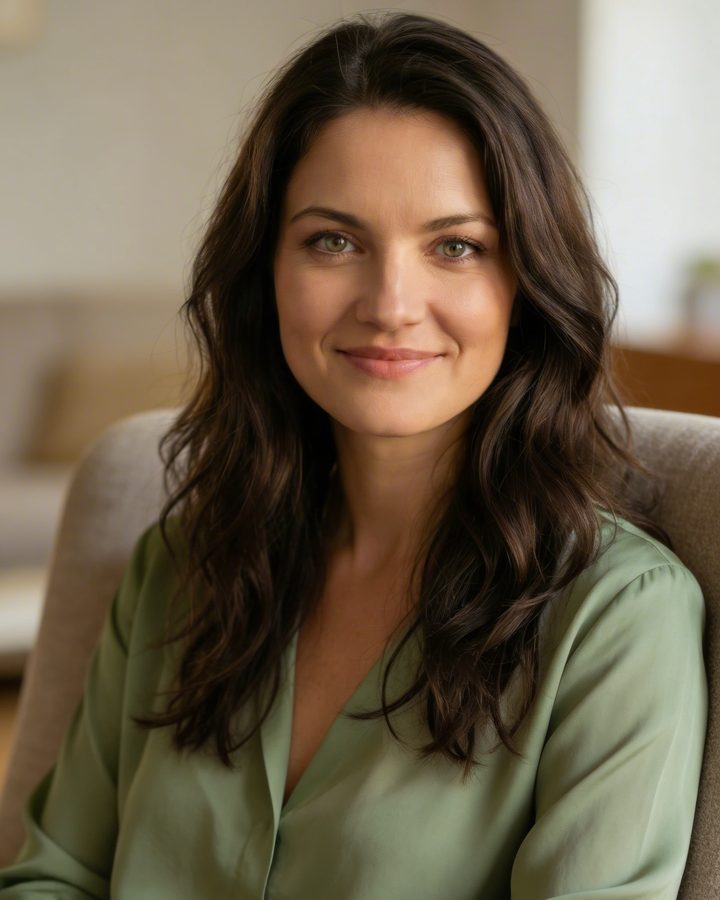
Thank you for reading. If something here struck a chord, I'd love to look at your bring your own cards or chart, and I’ll write a reading that’s just for you
, KateRead the transcript
Interviewer: Kate, what drives you to do this?
Kate: I care a lot about the people who come to me, often at the rawest moments of their lives. Whether deciding on a relationship, starting over, or launching a business, I am here to listen.
Interviewer: What do you want them to feel?
Kate: I’m here to help you feel properly seen and to send you back into your life a bit steadier than when you arrived.