Your Daily Tarot Card
Every day, this tool selects one card from the full 78-card deck, the same card for everyone who visits that day. Flip it, read its upright meaning, and carry one simple question with you until midnight.
A friendly guide to the tarot deck
Today's card comes from the Waite-Smith tarot, illustrated by Pamela Colman Smith and first published in London in 1909. Below, I'll explain the different groups of cards and show you how their pictures connect to everyday questions.
Everyone who visits sees the same card, chosen by the date and changing at midnight UTC. So it isn't a personal prediction. Think of it as a shared theme for the day that you can hold up against your own life.
The major arcana: the big chapters
These cards describe the larger turns in a life: beginnings, choices, endings and hope. When one of them is today's card, I read it as a theme for the whole day rather than a single task.
The HermitThe Hermit holds up a lantern on a dark mountain. On a busy day, I'd take it as a reason to turn off notifications for an hour and think one thing through before you reply to anyone.
The StarThe Star shows a woman pouring water under a bright star, and it often follows a hard stretch. In practice, that might mean doing one thing that helps you recover, like an early night or a walk without your phone.
The minor arcana: everyday life
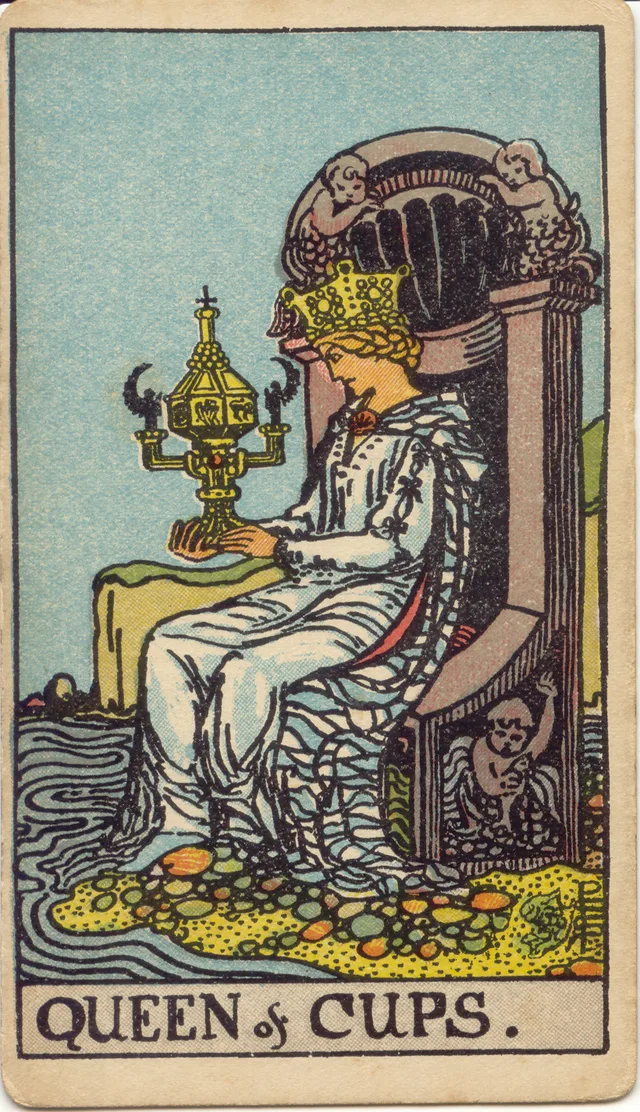
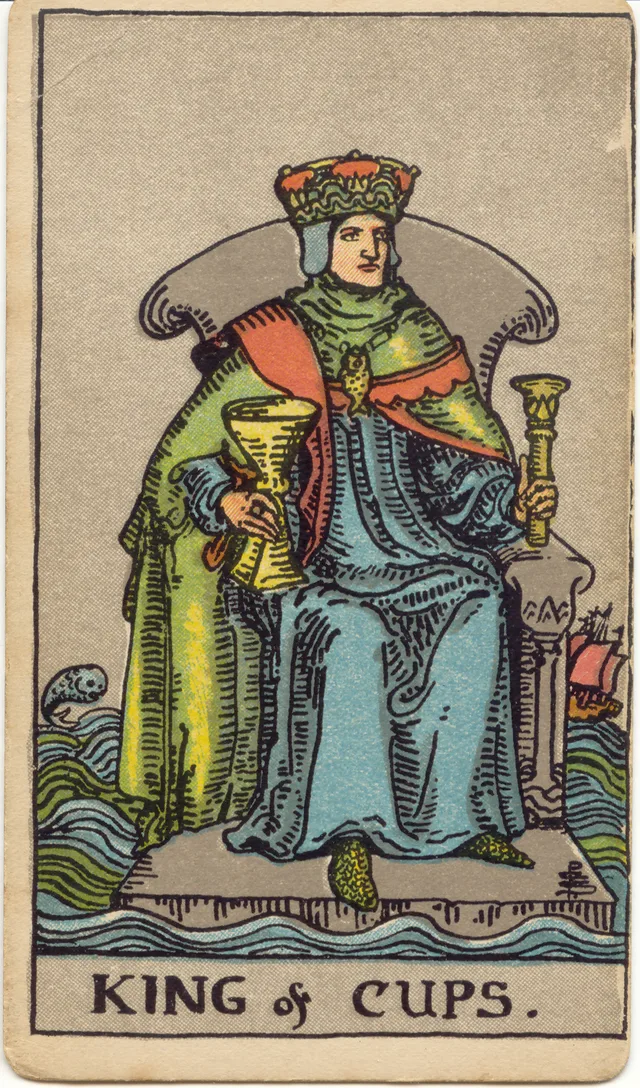
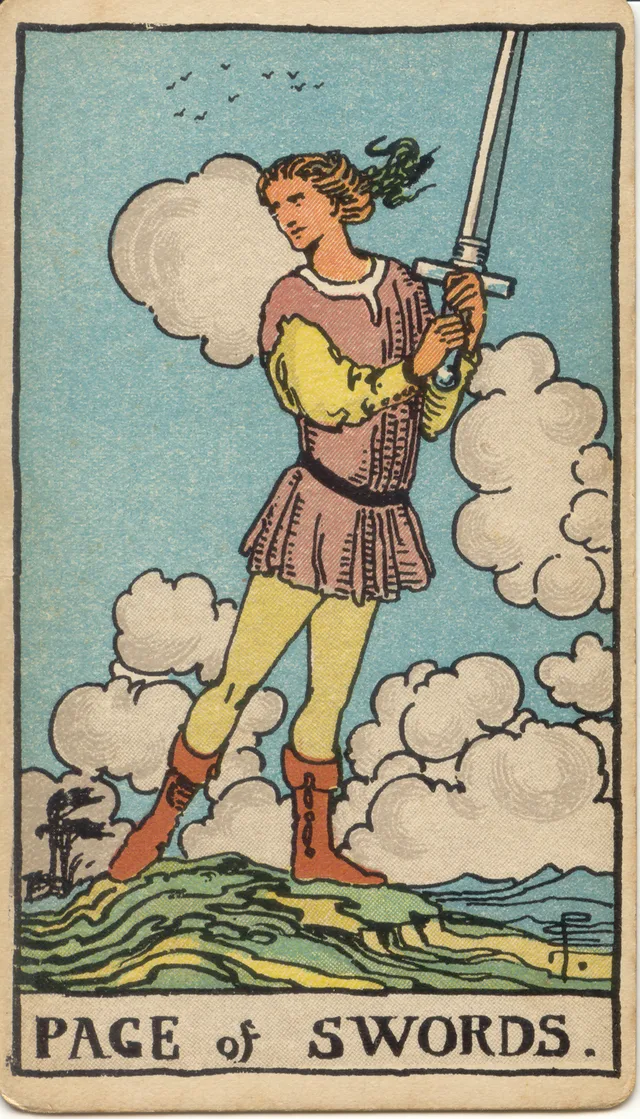
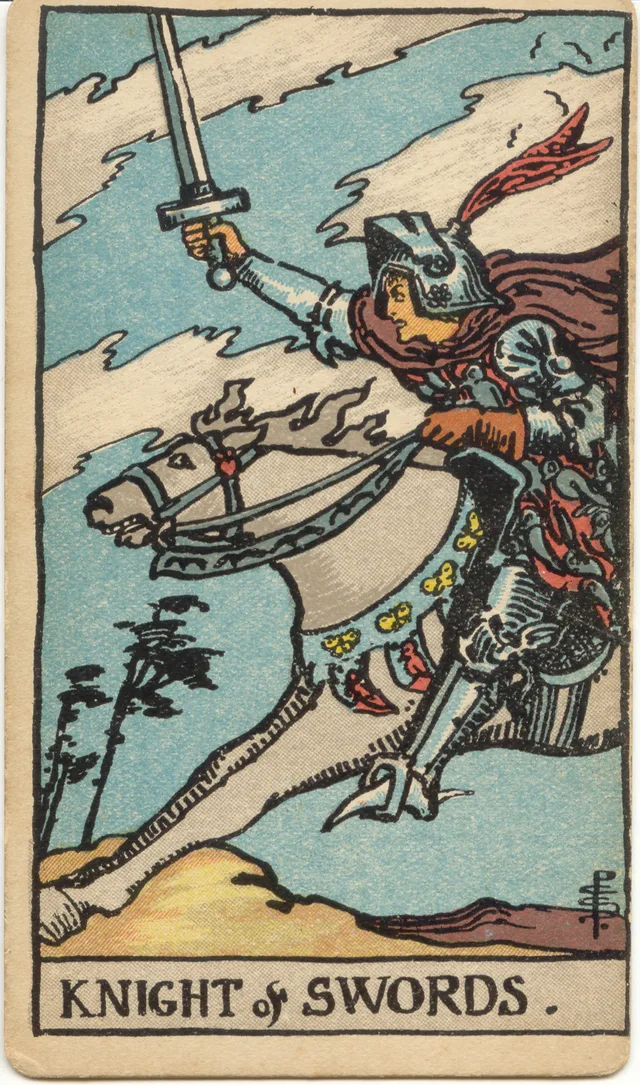
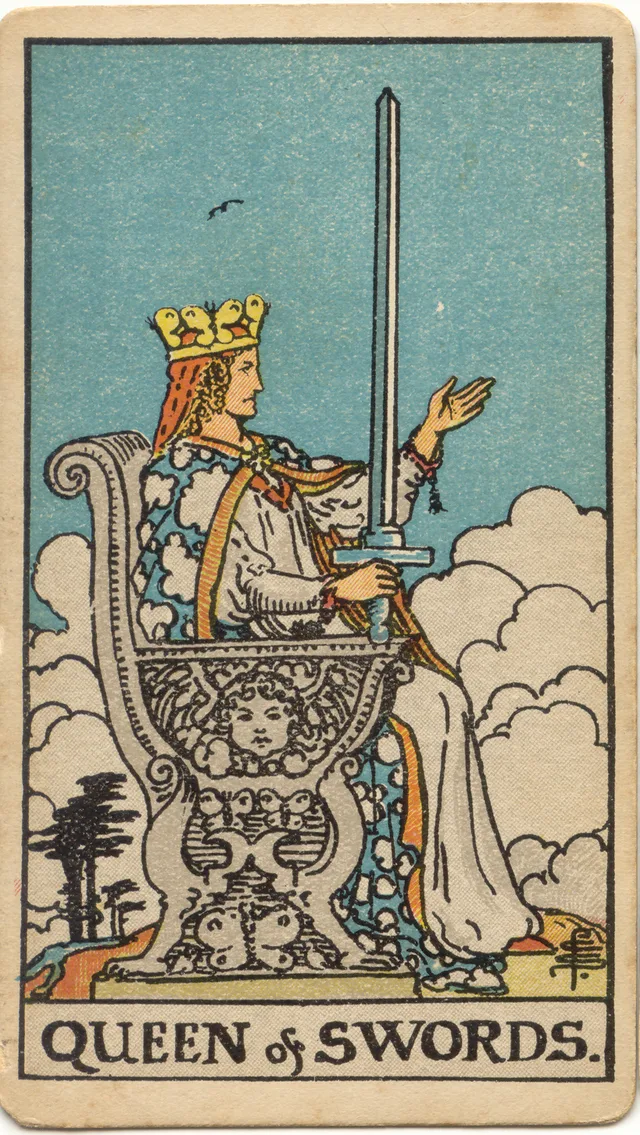
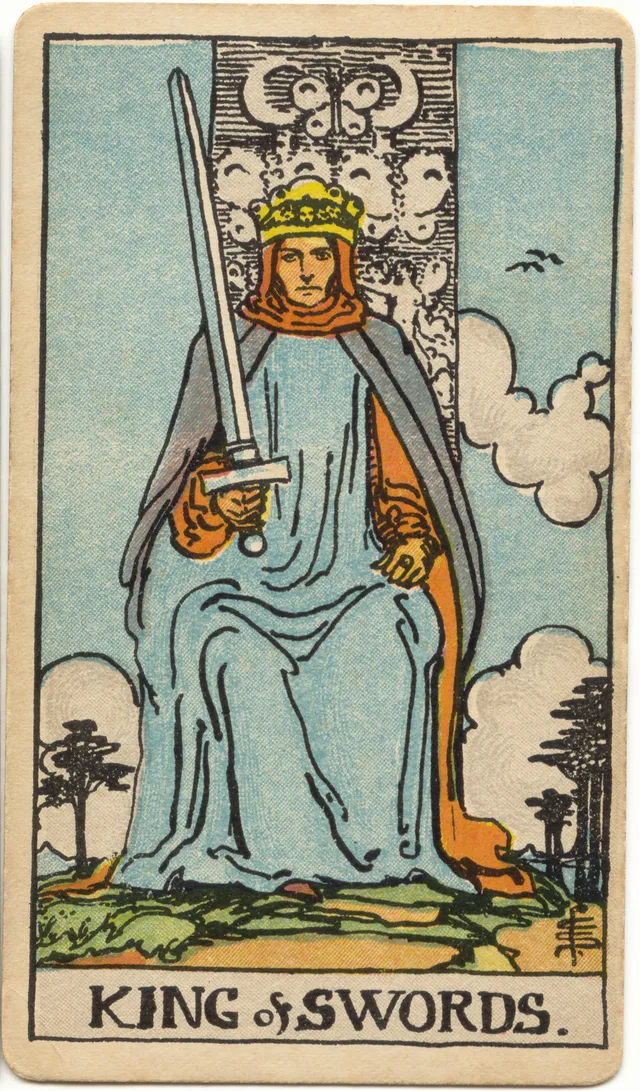
The other cards are about ordinary days. They come in four suits, families of cards that share one symbol: Wands, Cups, Swords and Pentacles. Each suit runs from Ace to Ten, then four court cards: Page, Knight, Queen and King. I often read a court card as a way of behaving that you, or someone around you, might be showing.
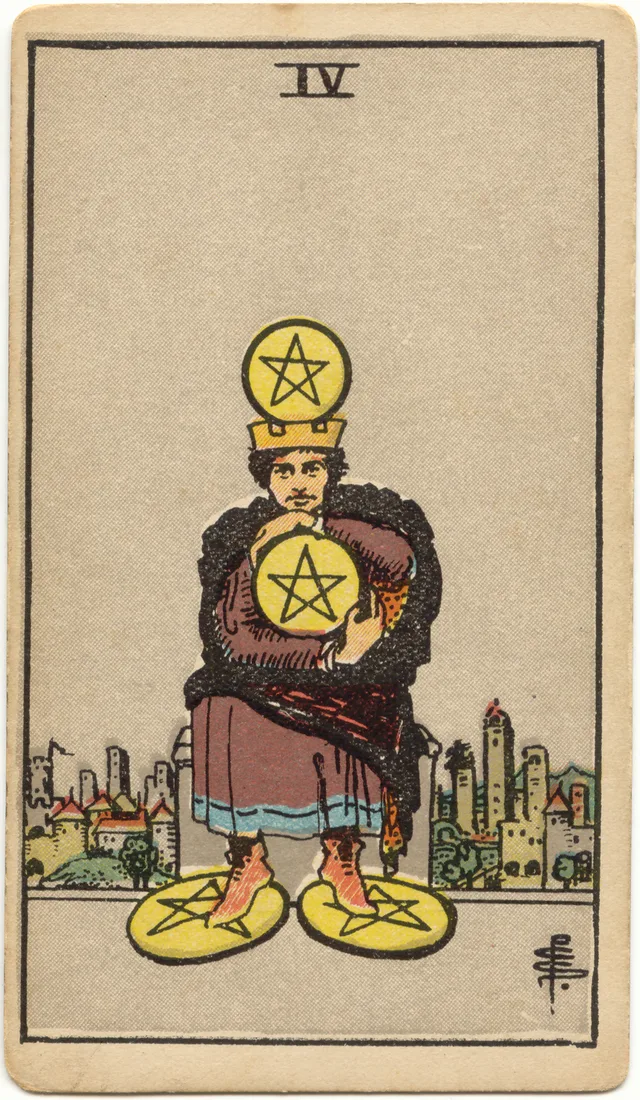
Knight of Wands Wands
Wands are about energy and the things you want to start: a project, a plan, an idea you can't stop thinking about.
The Knight rides a rearing horse, a picture I connect with enthusiasm and urgency. Imagine you are excited to send a proposal but have not checked its deadline or budget. I would use this card to ask how you can keep that enthusiasm while preparing properly. Read the brief again, check the practical details and ask someone to review the proposal before sending it.
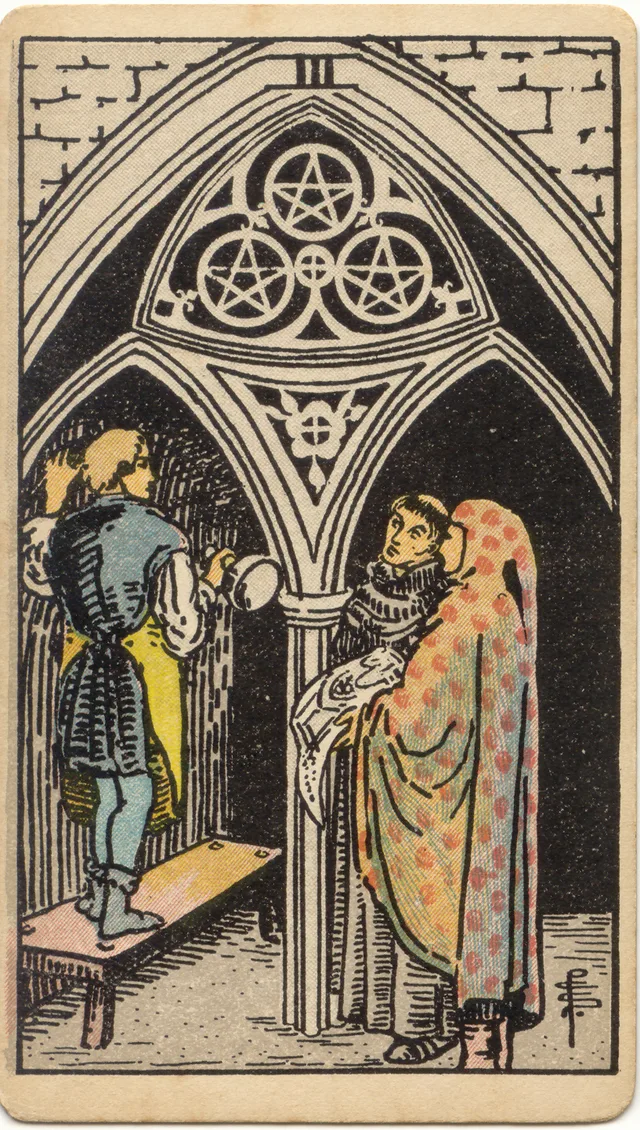
Three of Cups Cups
Cups are about feelings and relationships: friends, family, partners, and how you feel about all of them.
Three figures raise their cups together, which I connect with friendship and shared enjoyment. Suppose your friends keep saying you should meet, but nobody makes a plan. Rather than waiting for a celebration to happen, offer two possible dates and a simple activity that suits everyone's budget. The example connects the picture with making time for people you already value.
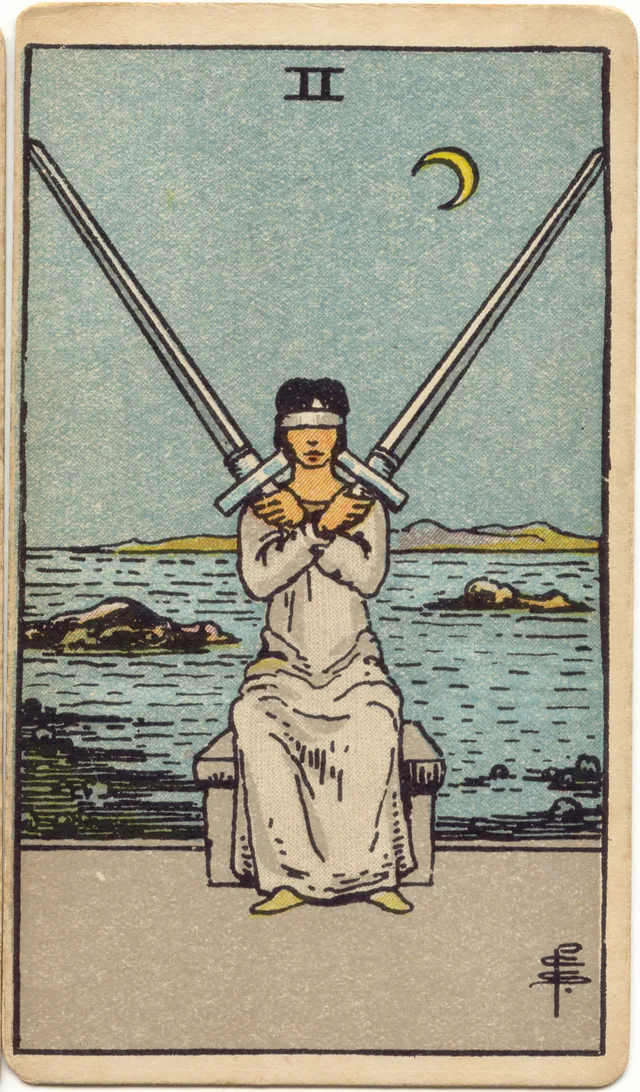
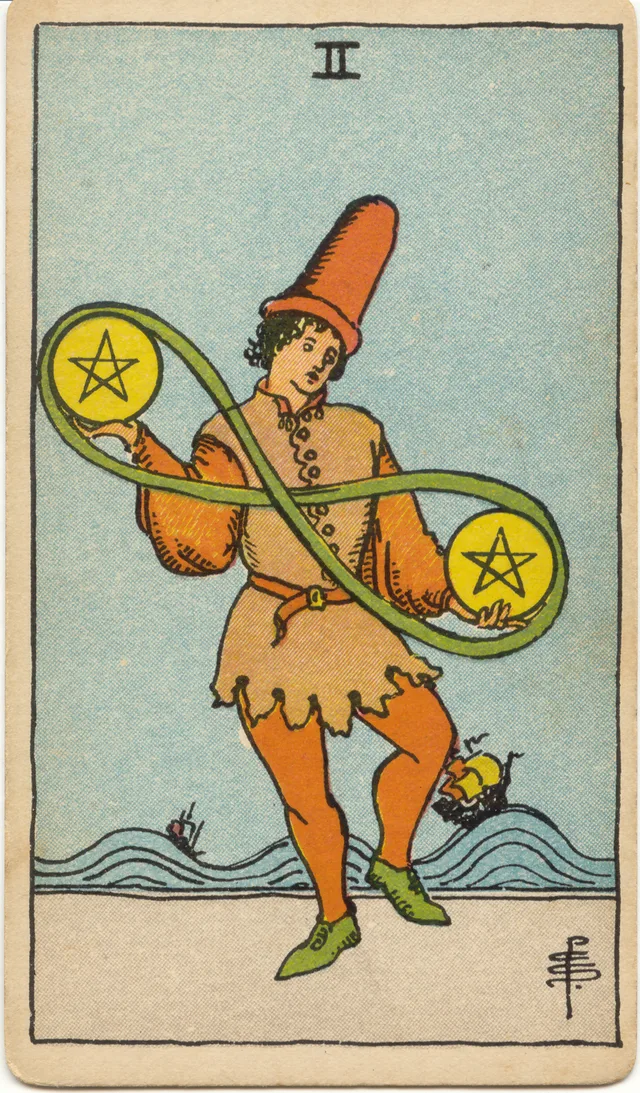
Two of Swords Swords
Swords are about thoughts, words and decisions, including hard conversations and the worries that keep you up at night.
A blindfolded woman holds two crossed swords. I connect this image with a decision that feels difficult to examine. If you are choosing between two courses, write down their cost, timetable and what you want to learn. Mark anything you do not yet know, then ask the course organisers. The aim is to understand the choice rather than expecting the card to choose for you.
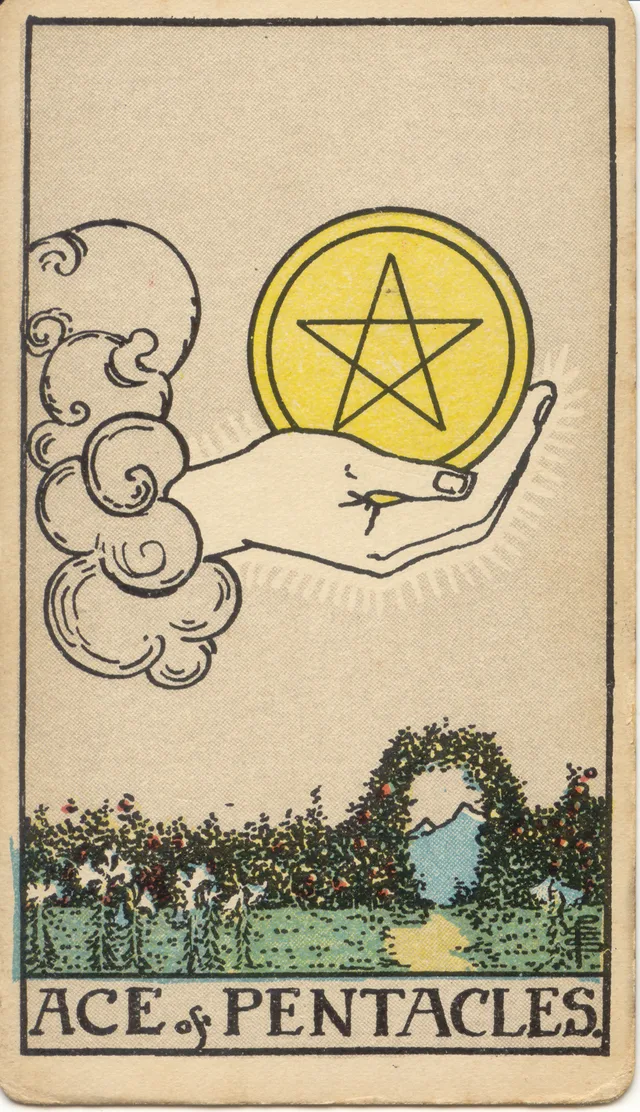
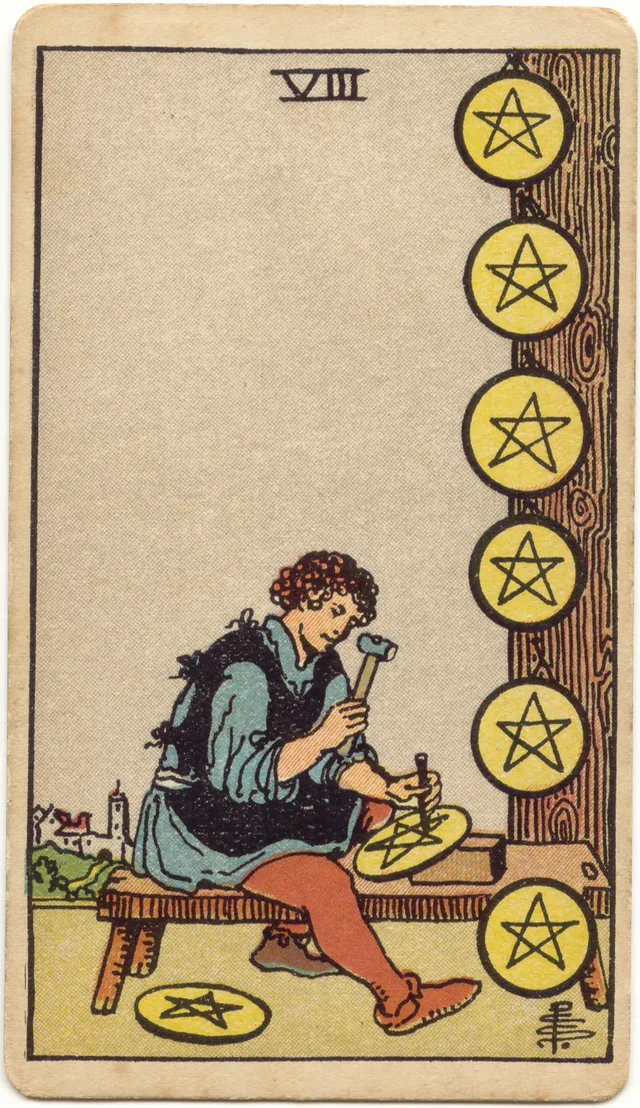
Eight of Pentacles Pentacles
Pentacles are about practical, physical life: work, money, your home and your body.
A craftsperson works carefully on one coin after another. I connect that repeated work with developing a skill through practice. If you are learning a language, choose one short exercise you can repeat regularly rather than planning an unrealistic weekend of study. Review what became easier after a week and adjust the next exercise to what still needs attention.
All 78 cards, section by section, and sourcesEvery card in deck order, grouped into the major arcana and the four suits, with a link to every card guide, and where my notes come from.
Major Arcana
22 cardsThe Fool to the WorldWands
14 cardsAce to KingCups
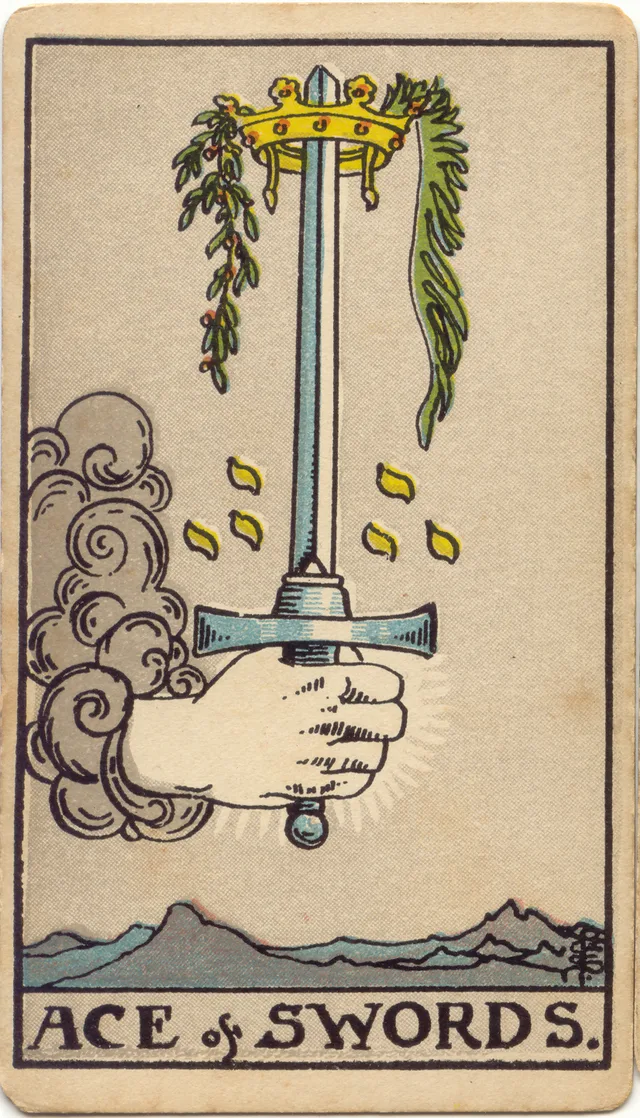
14 cardsAce to KingSwords
14 cardsAce to KingPentacles
14 cardsAce to King
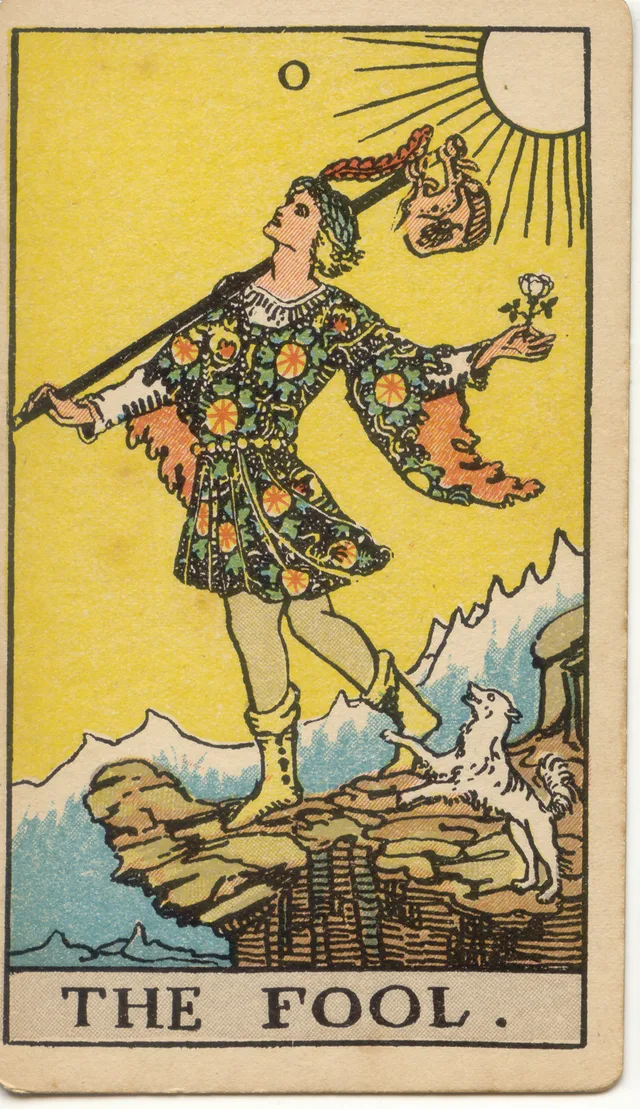
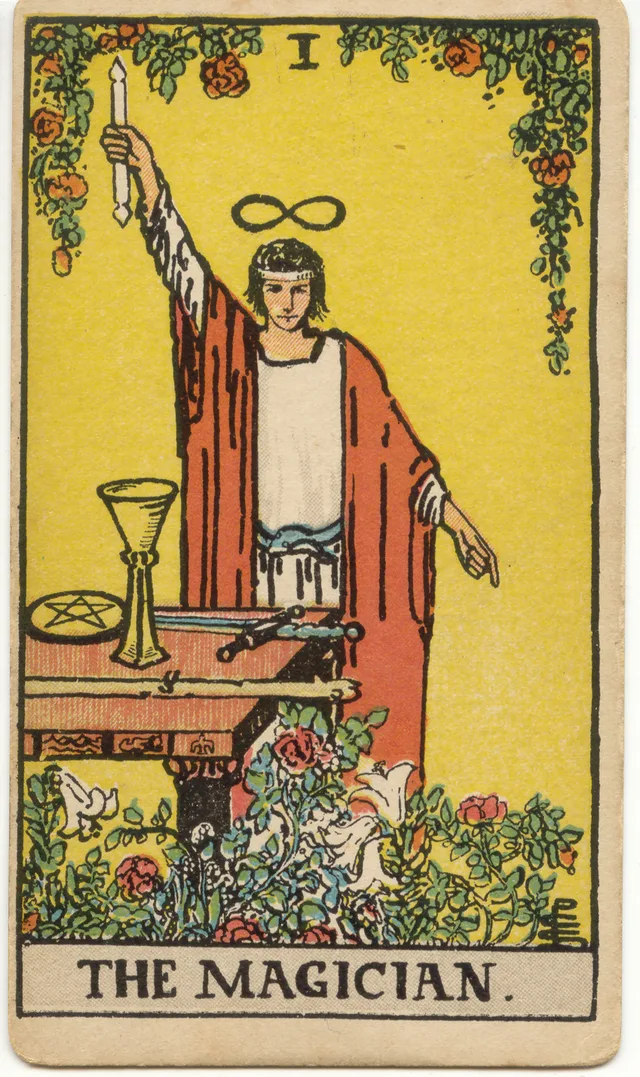
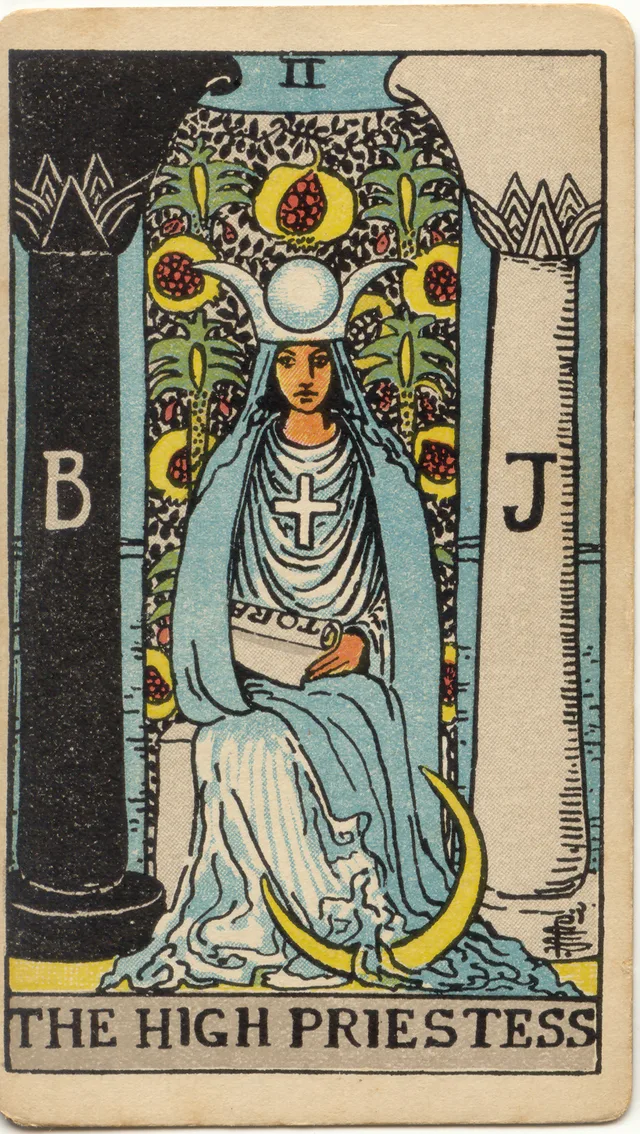
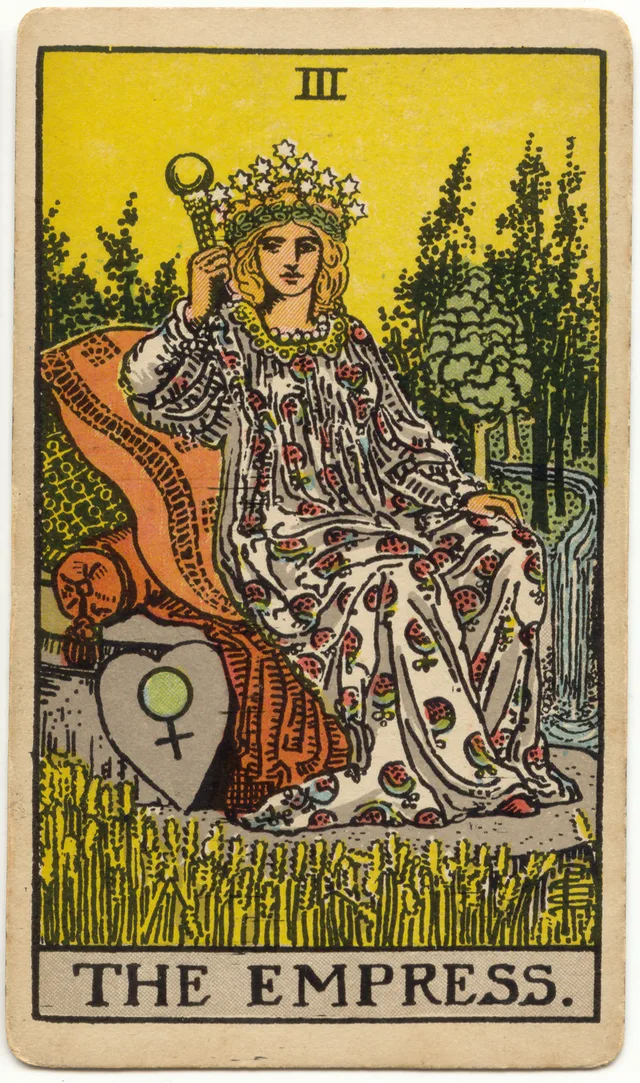
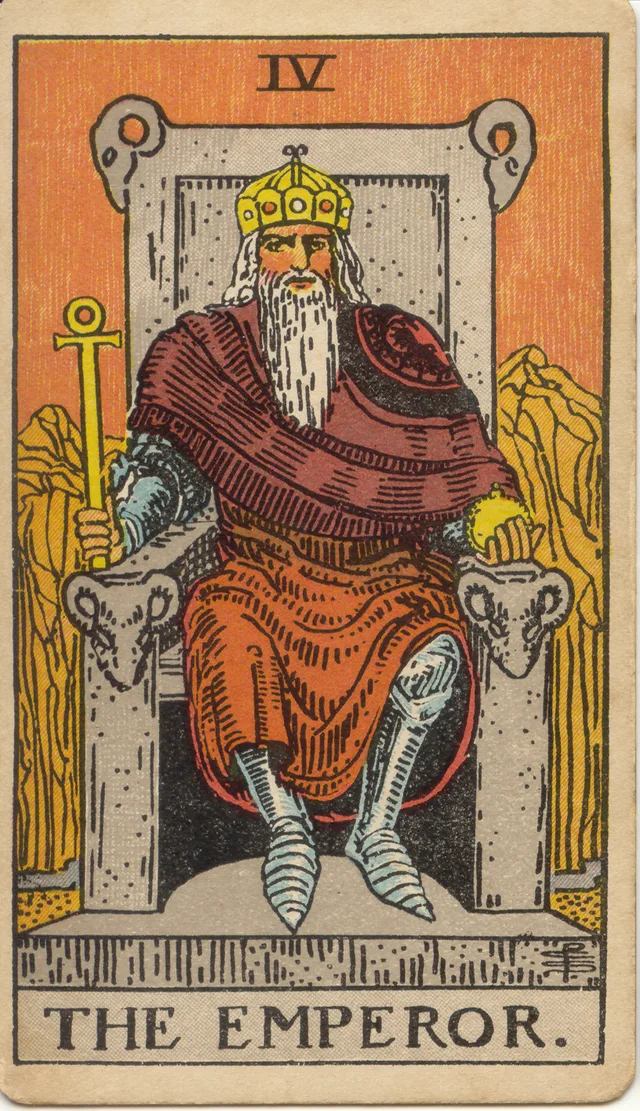
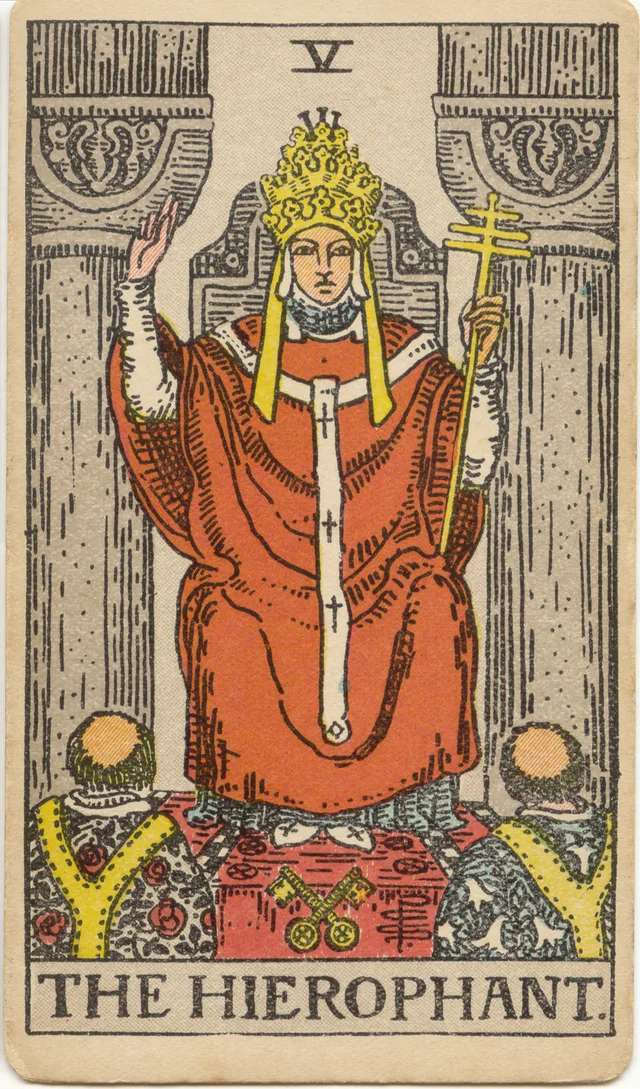
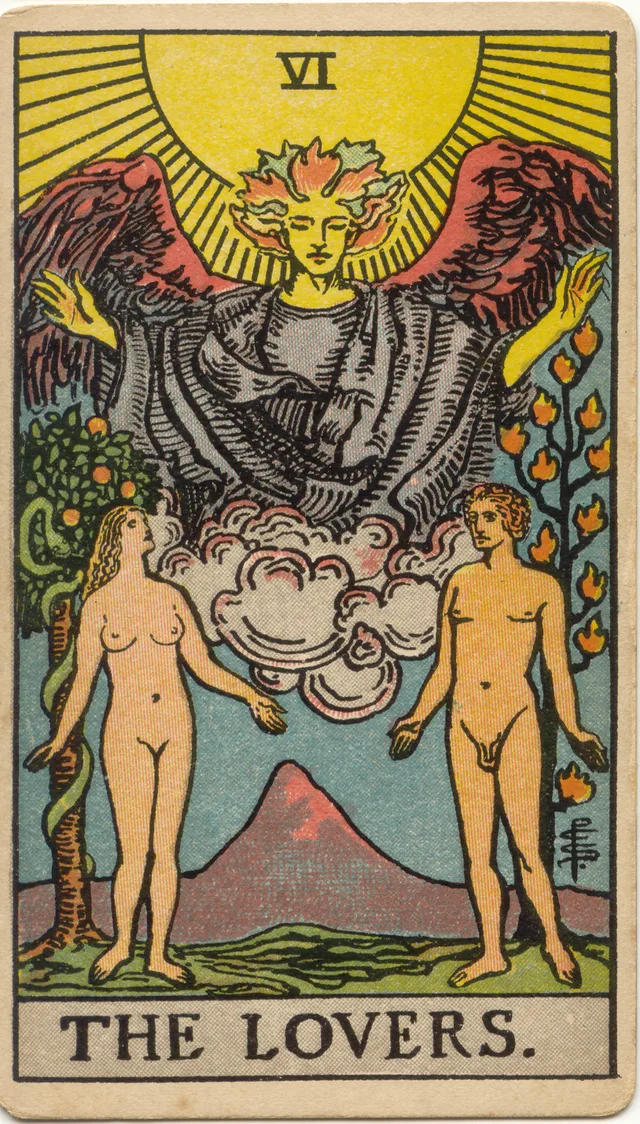
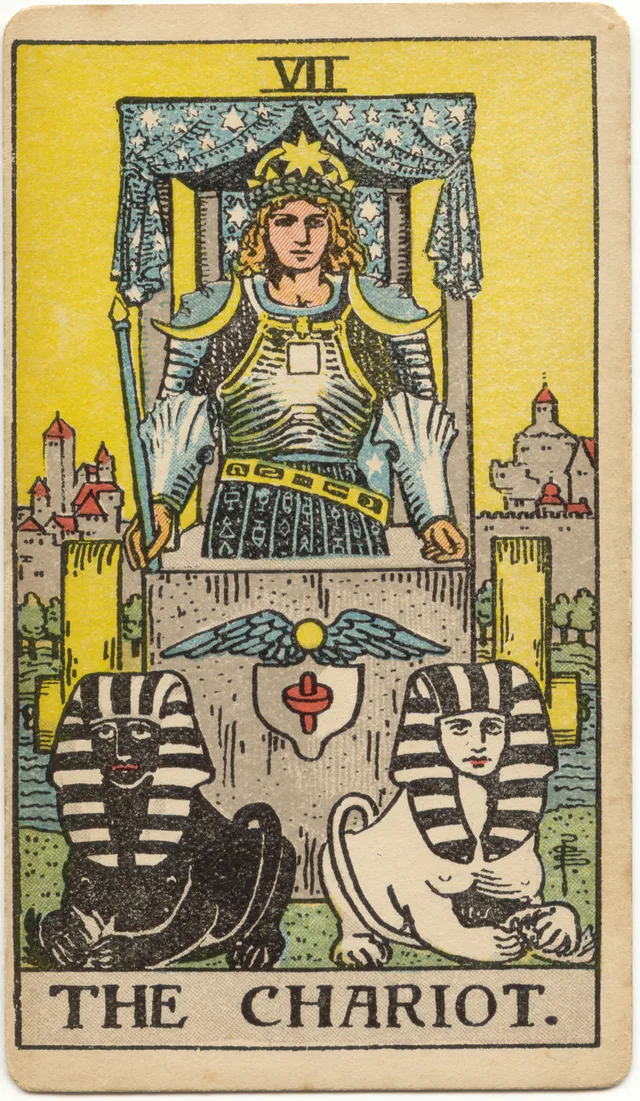
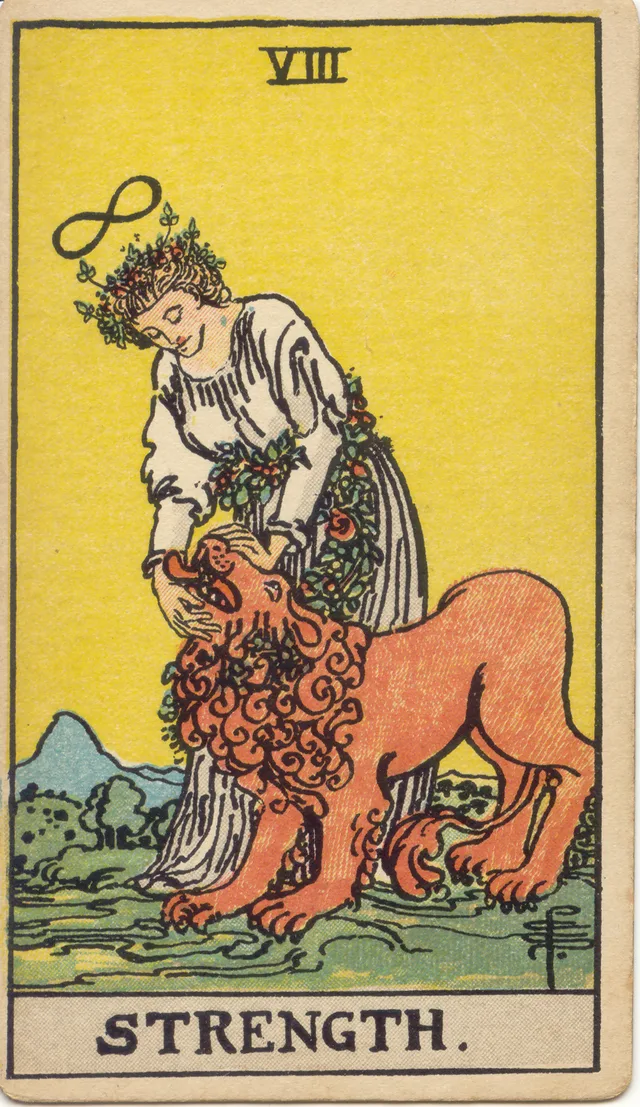
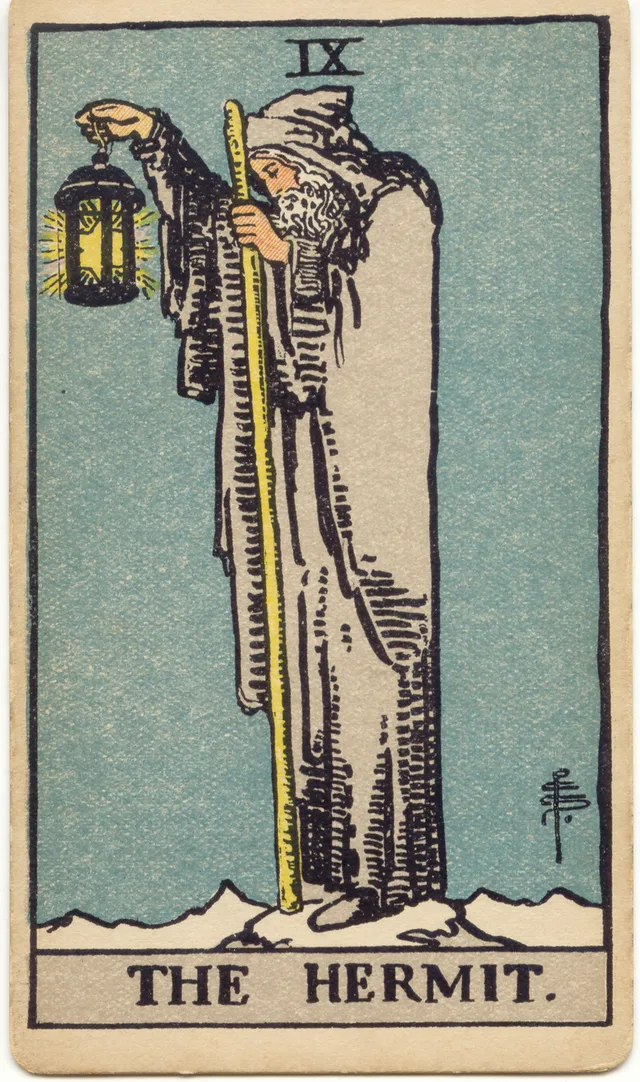
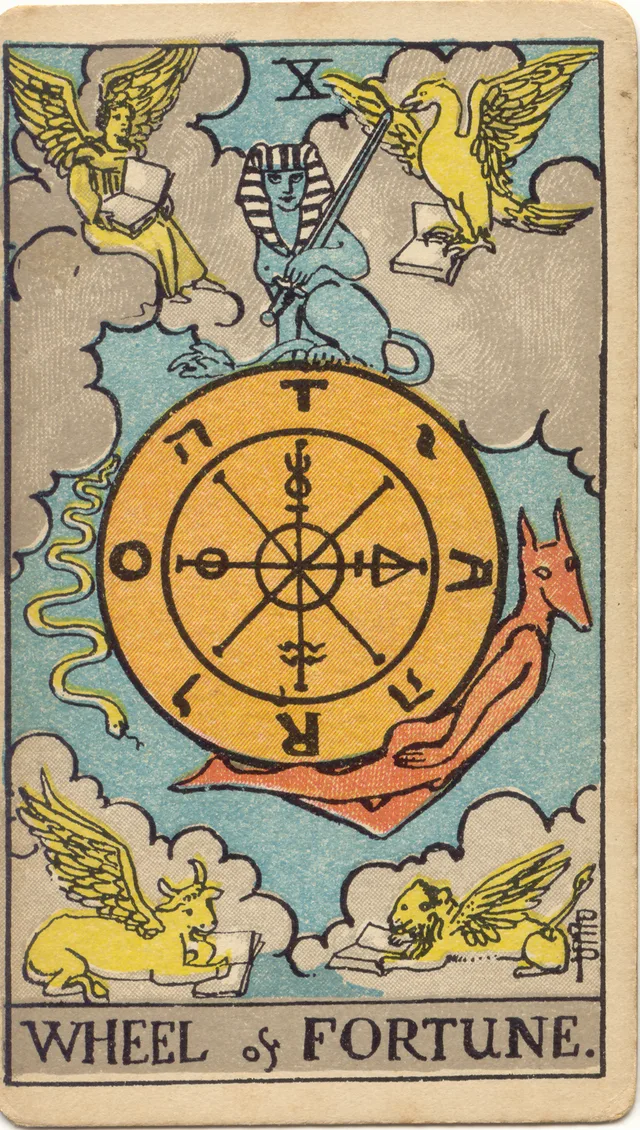
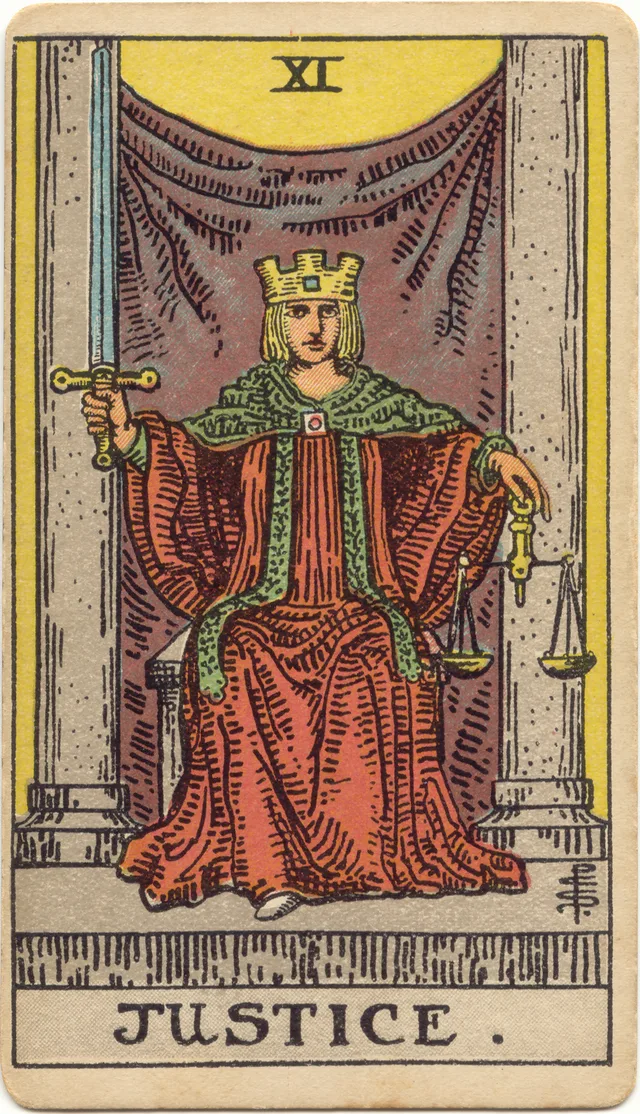
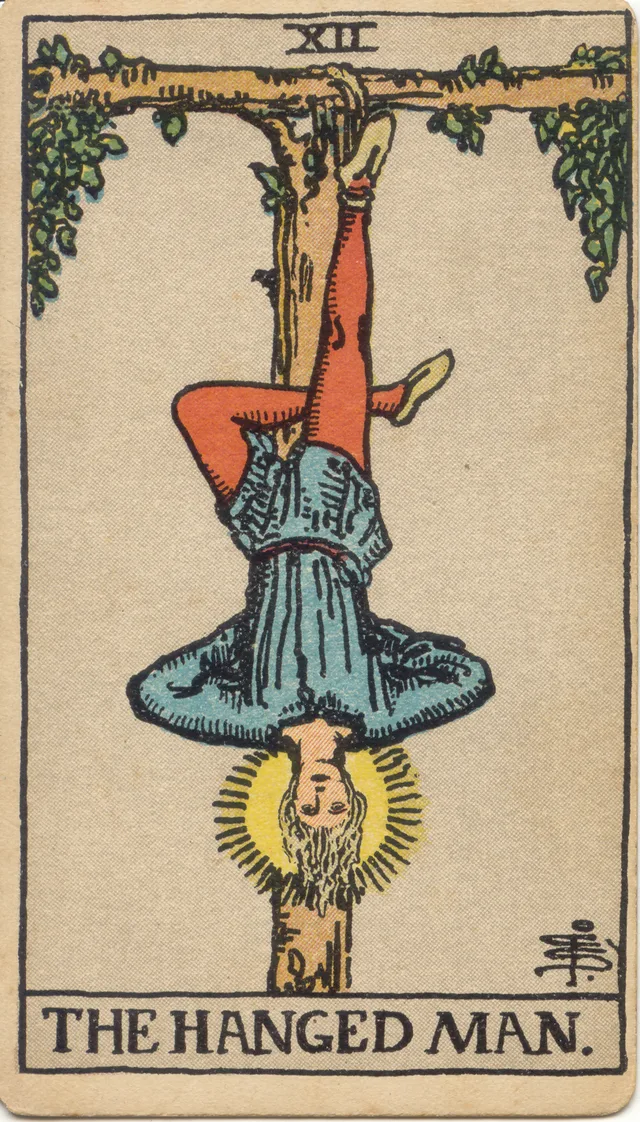
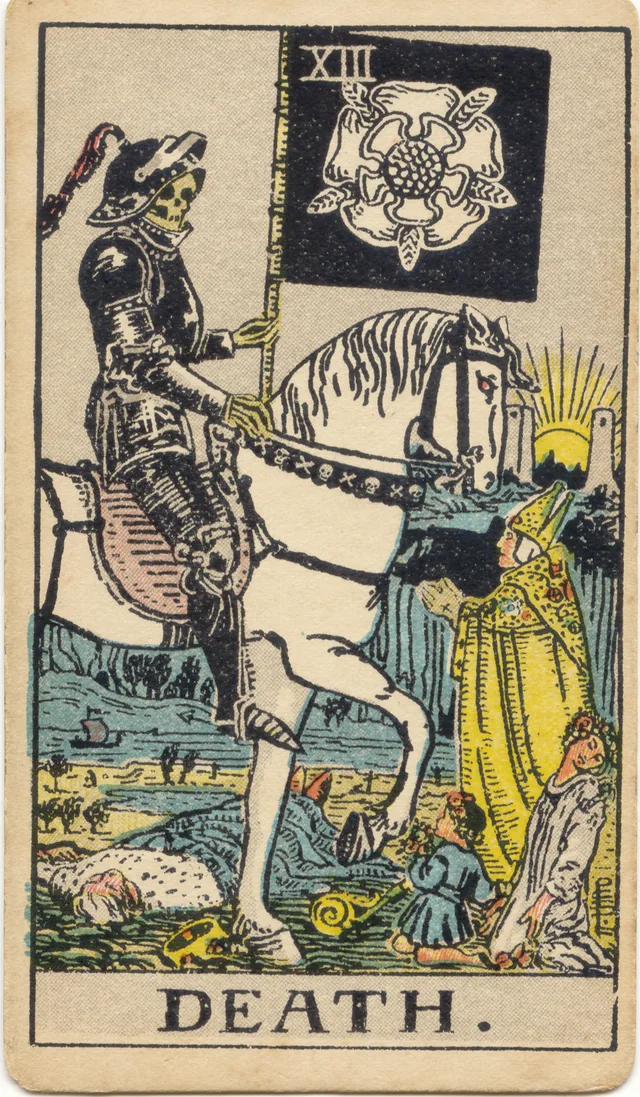
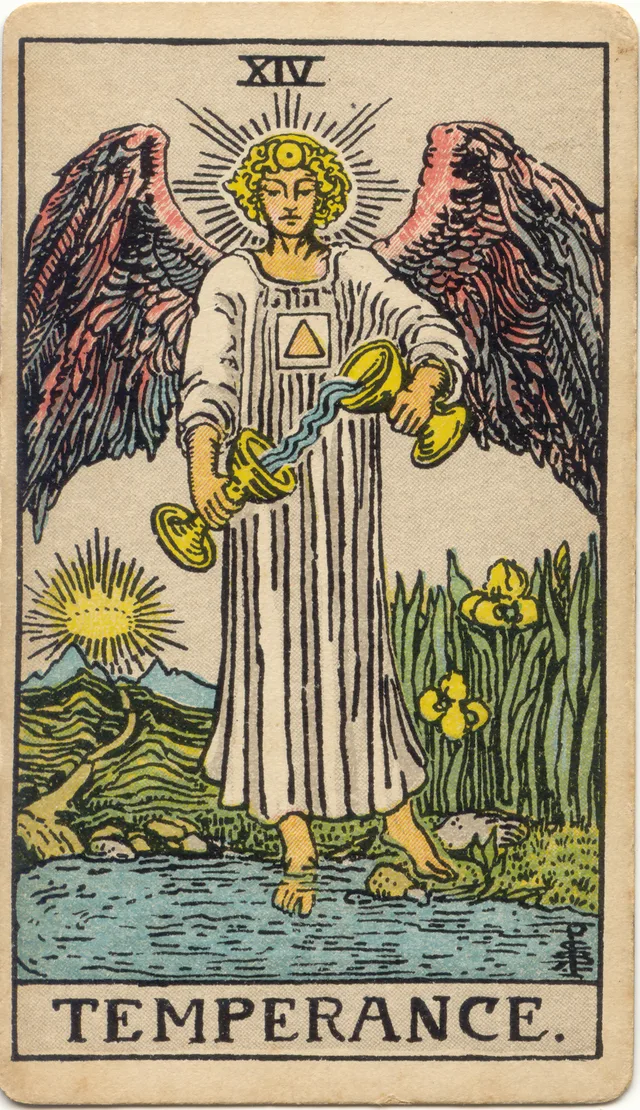
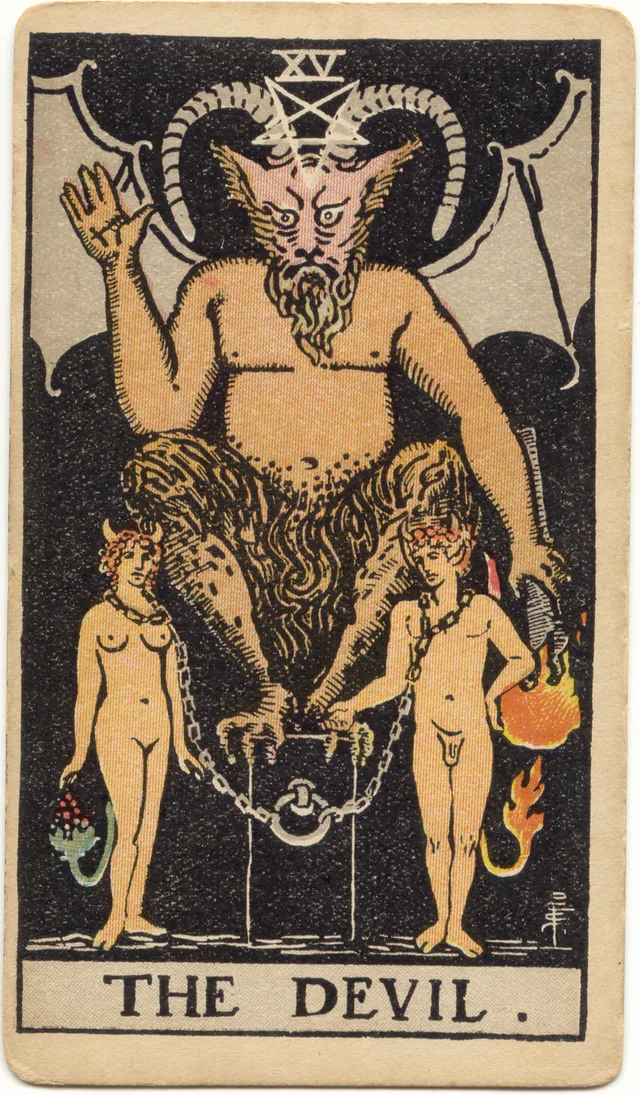
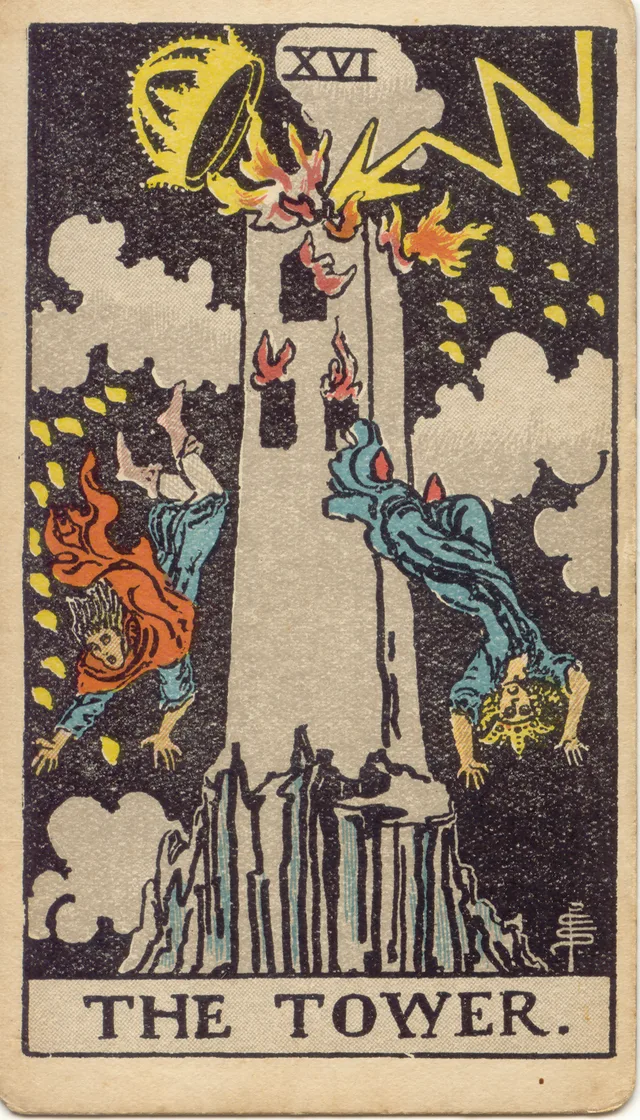
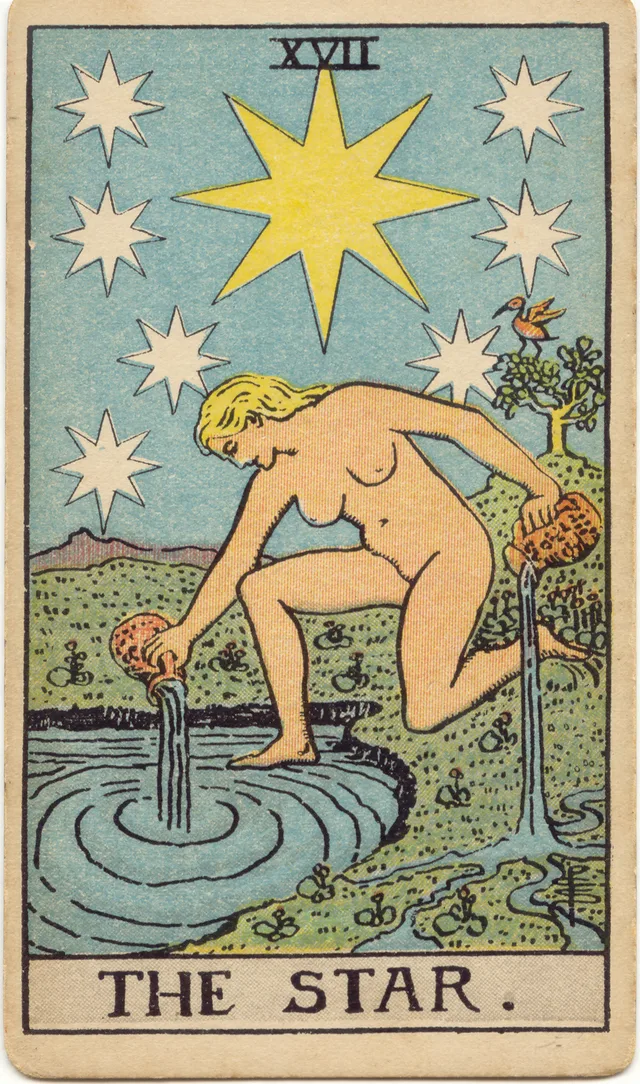
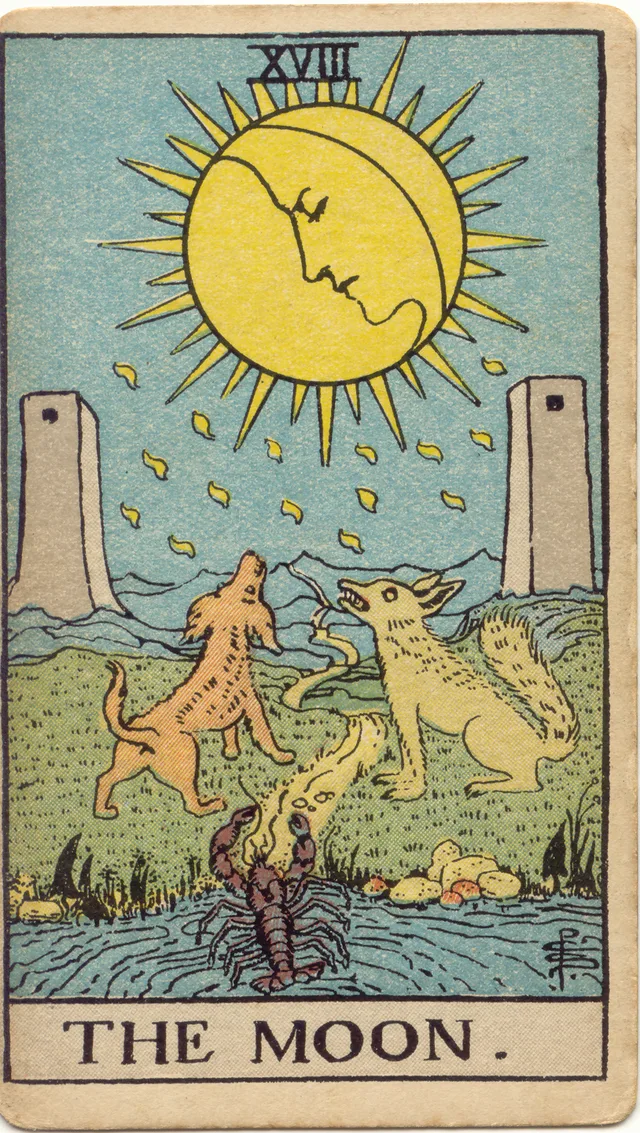
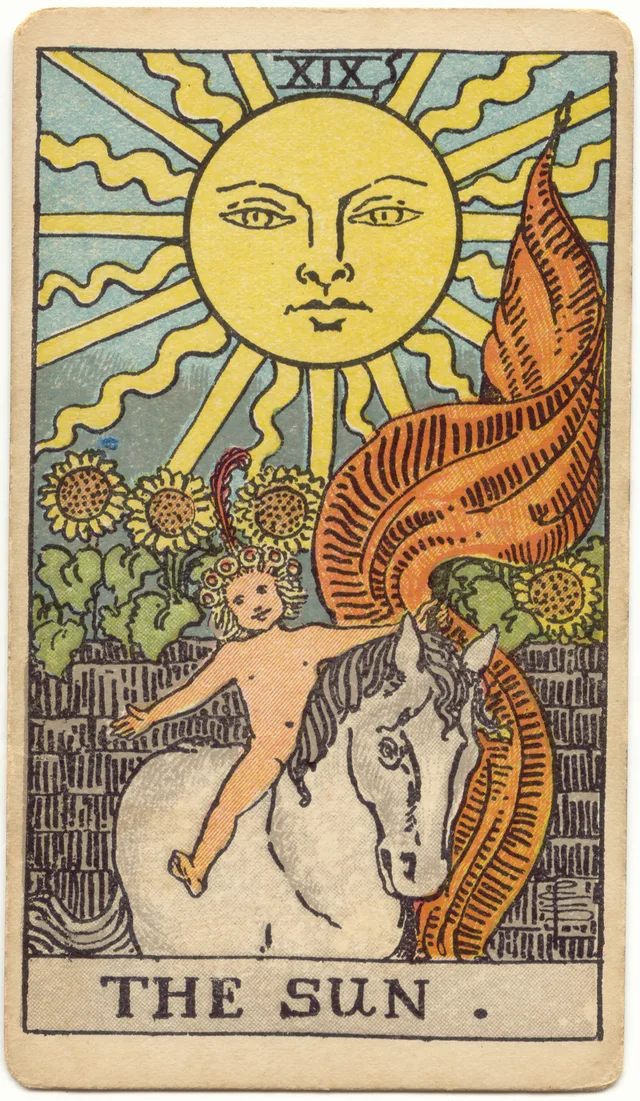
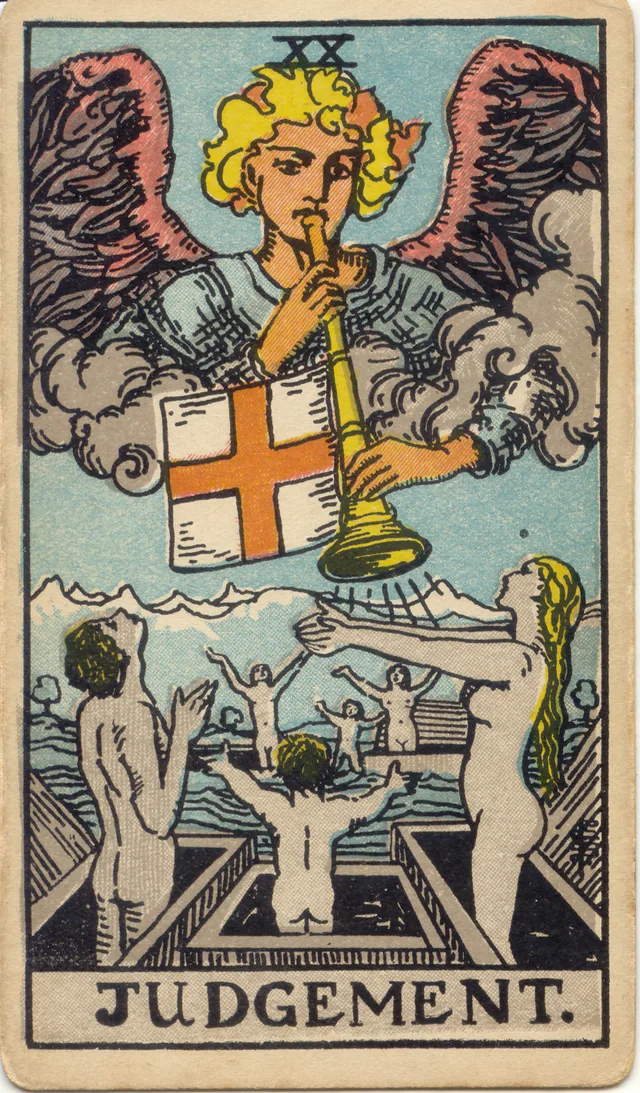
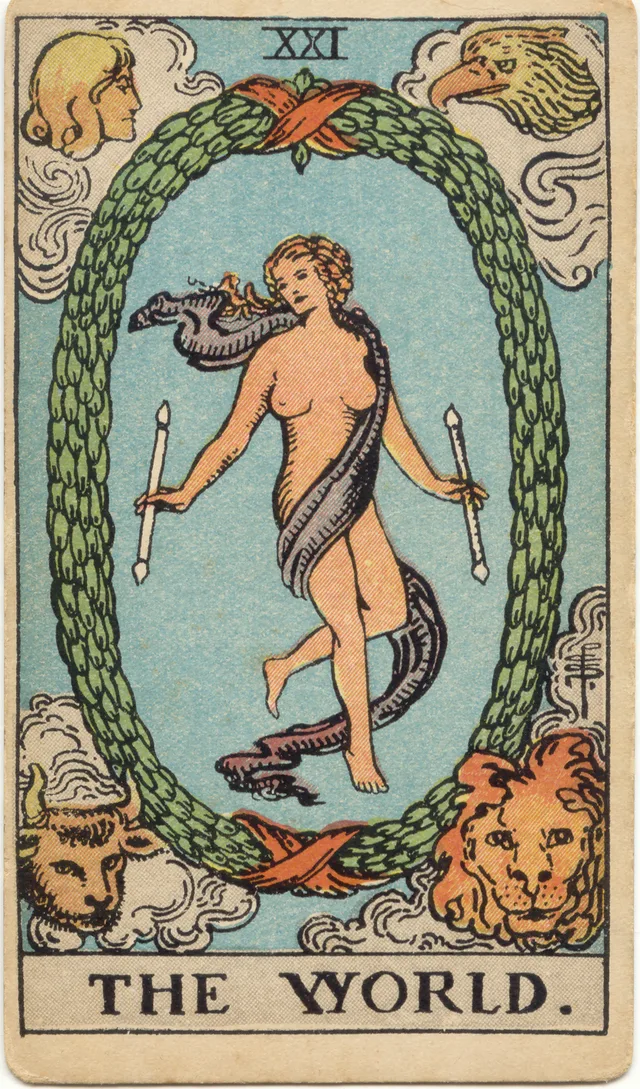
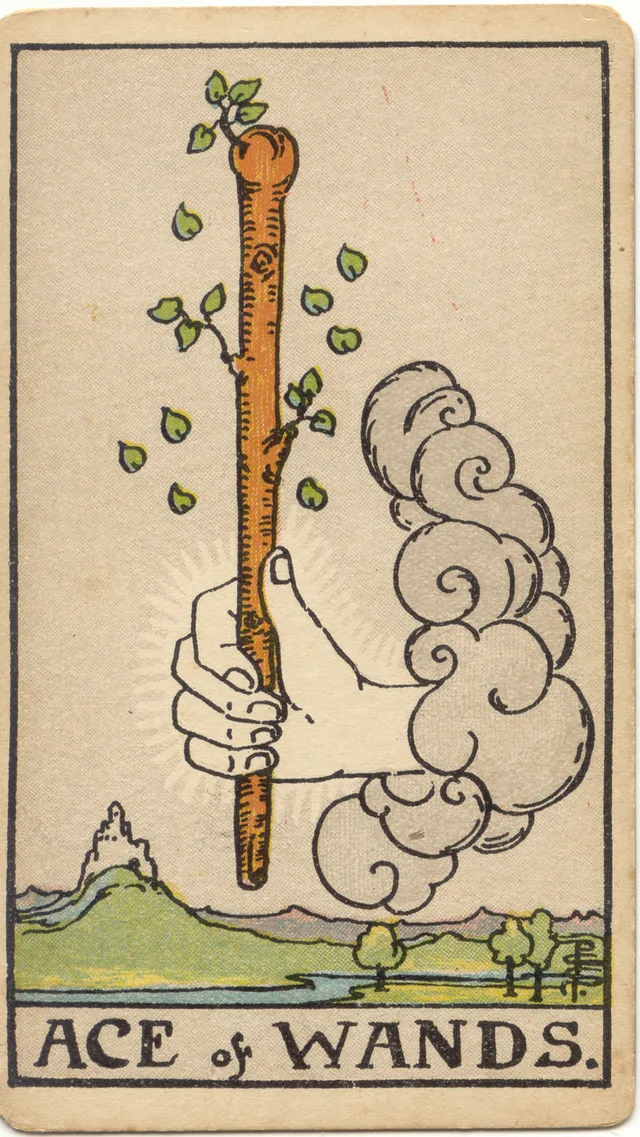
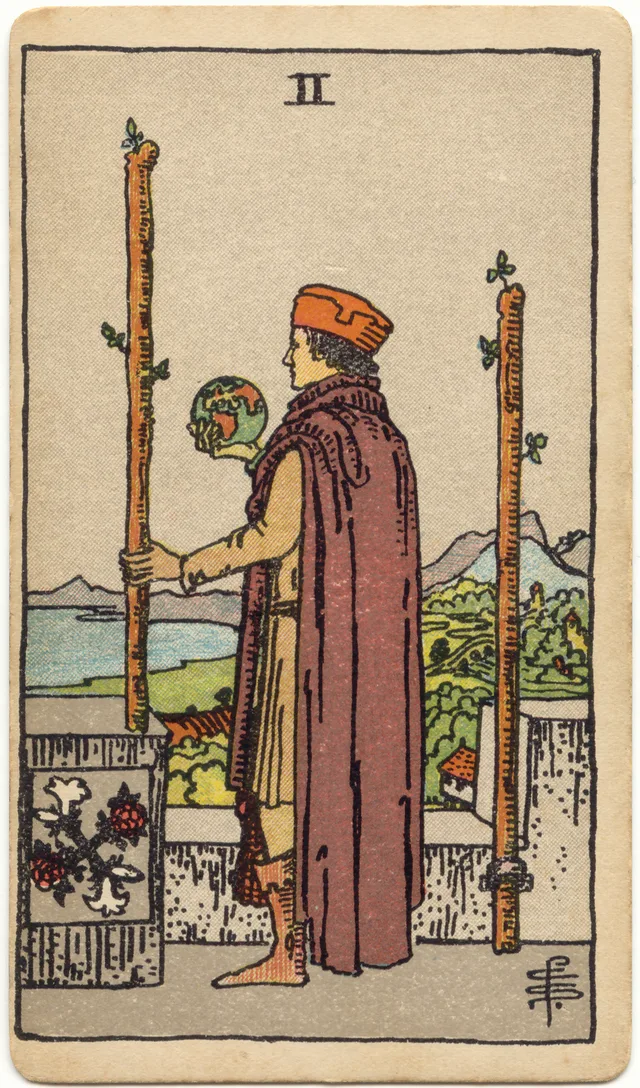
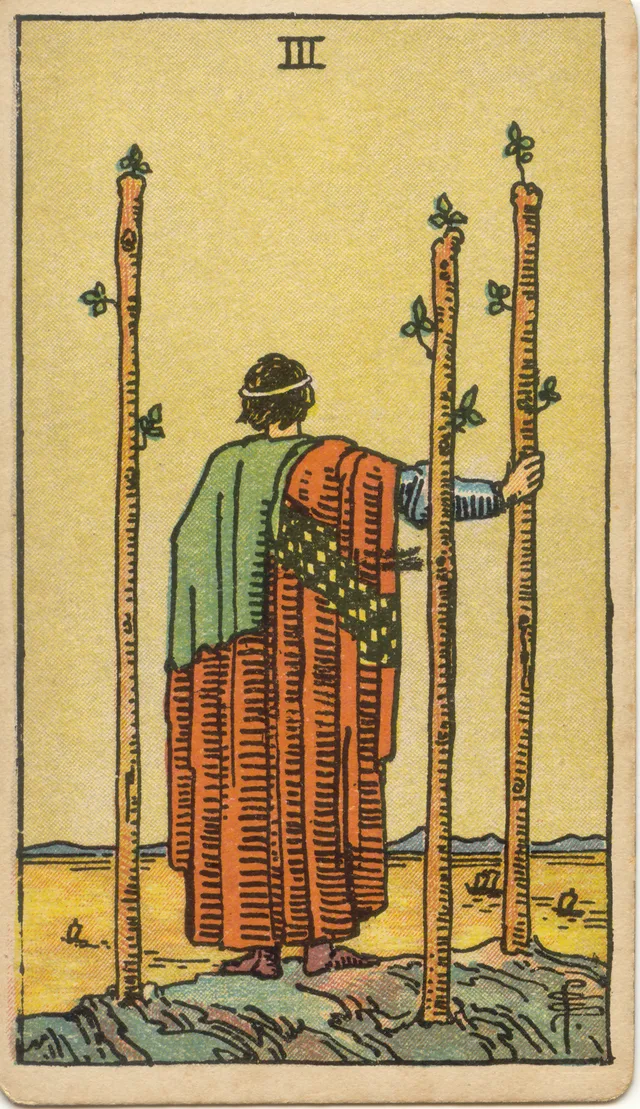
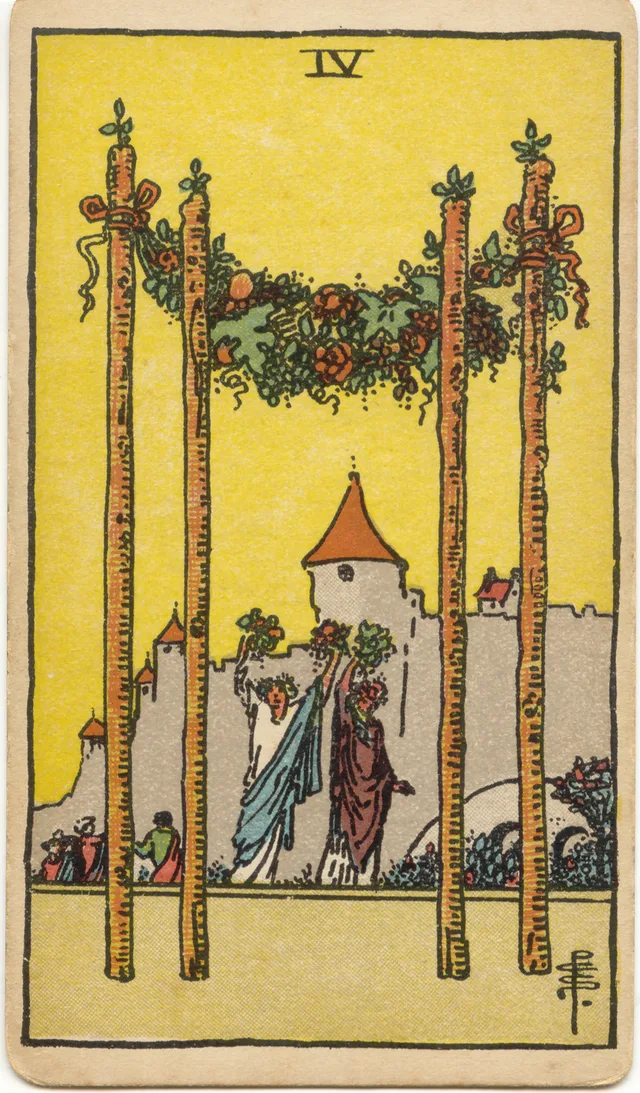
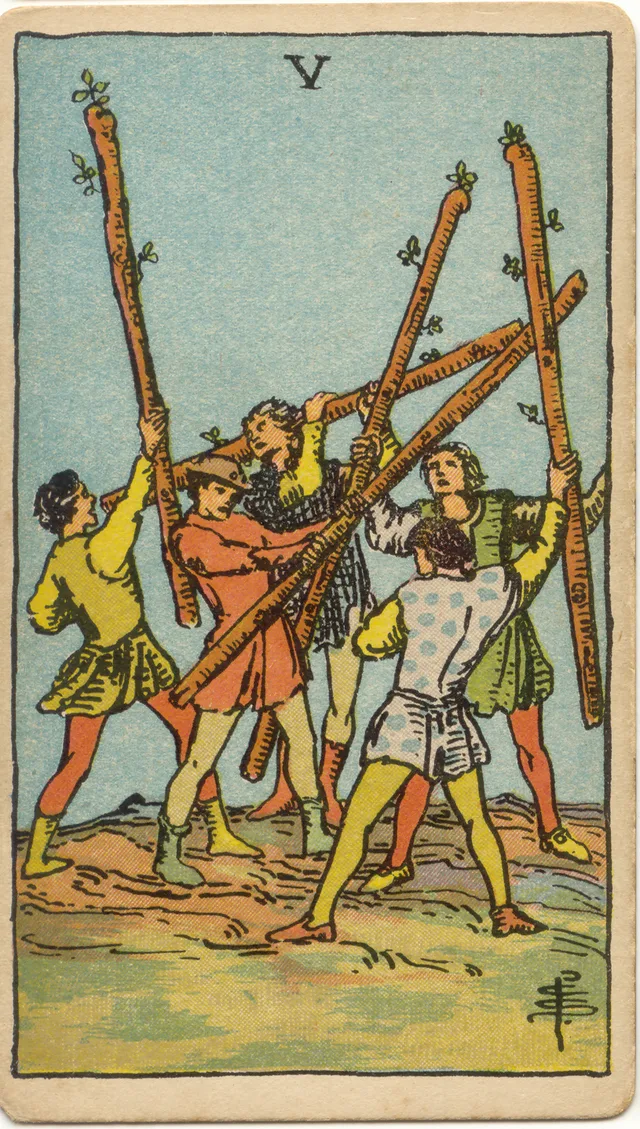
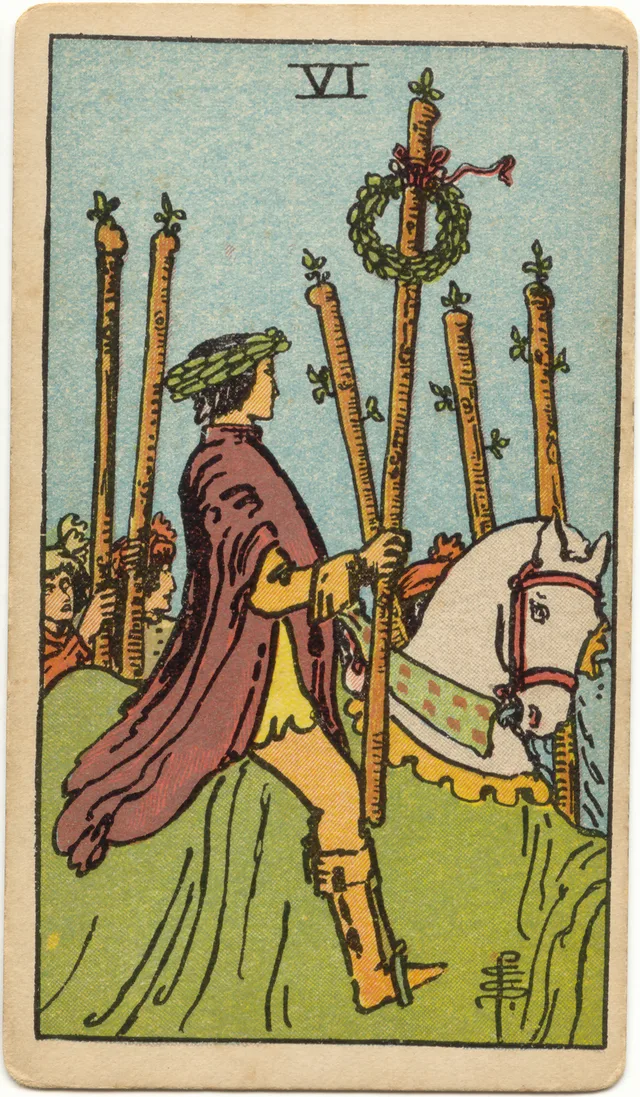
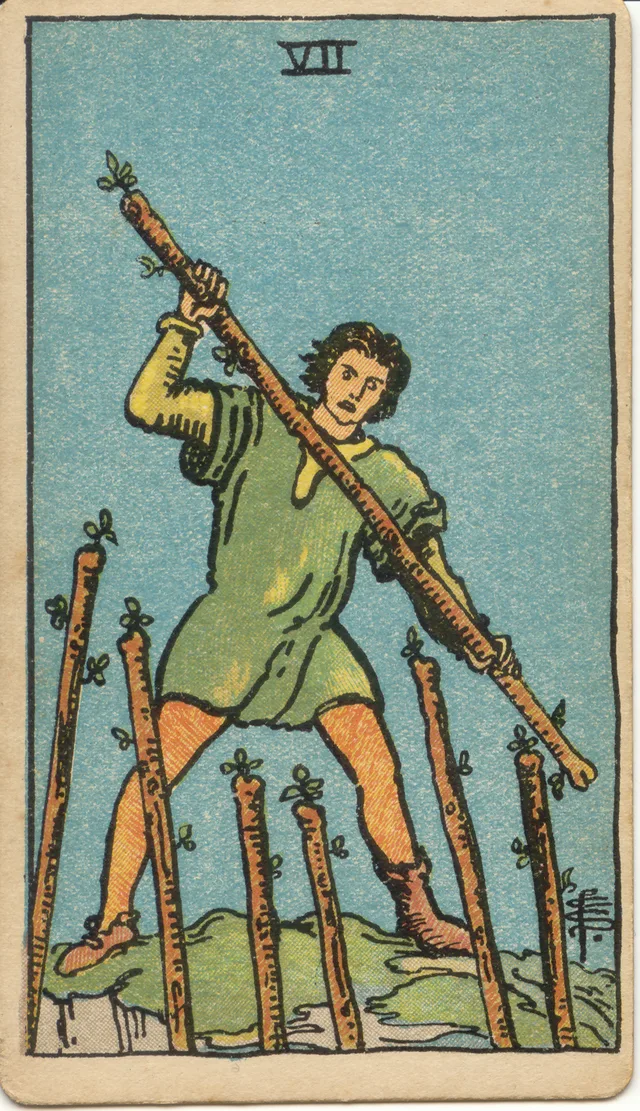
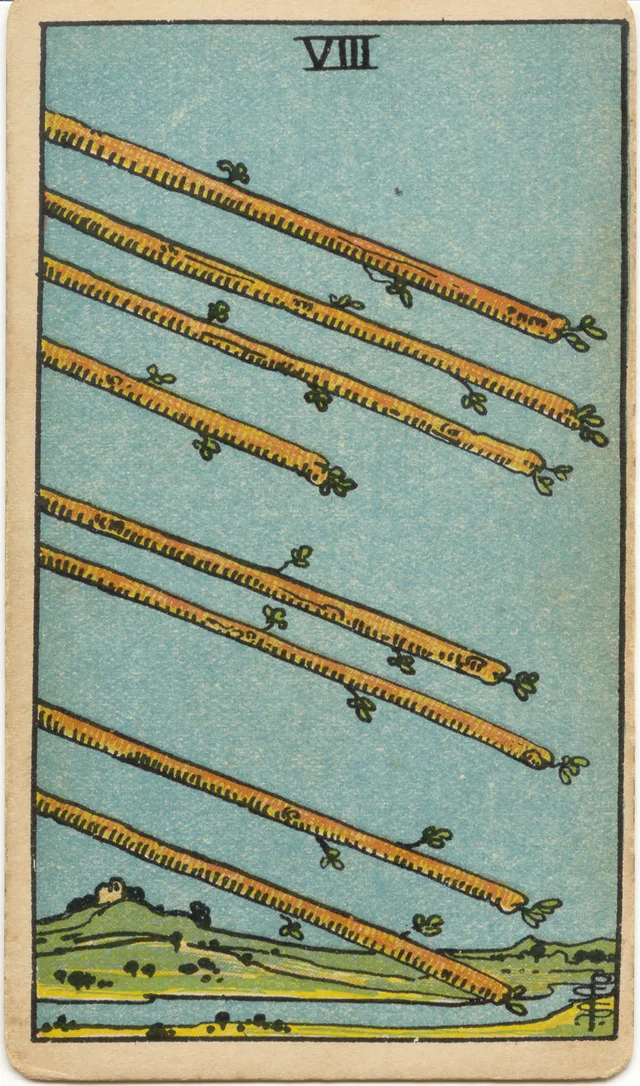
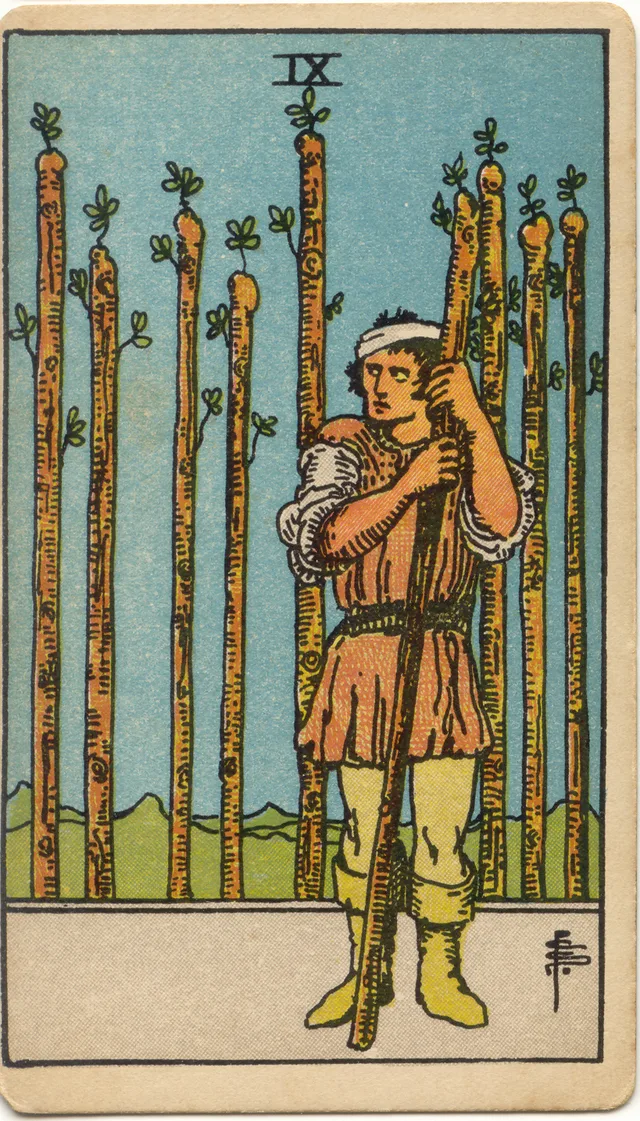
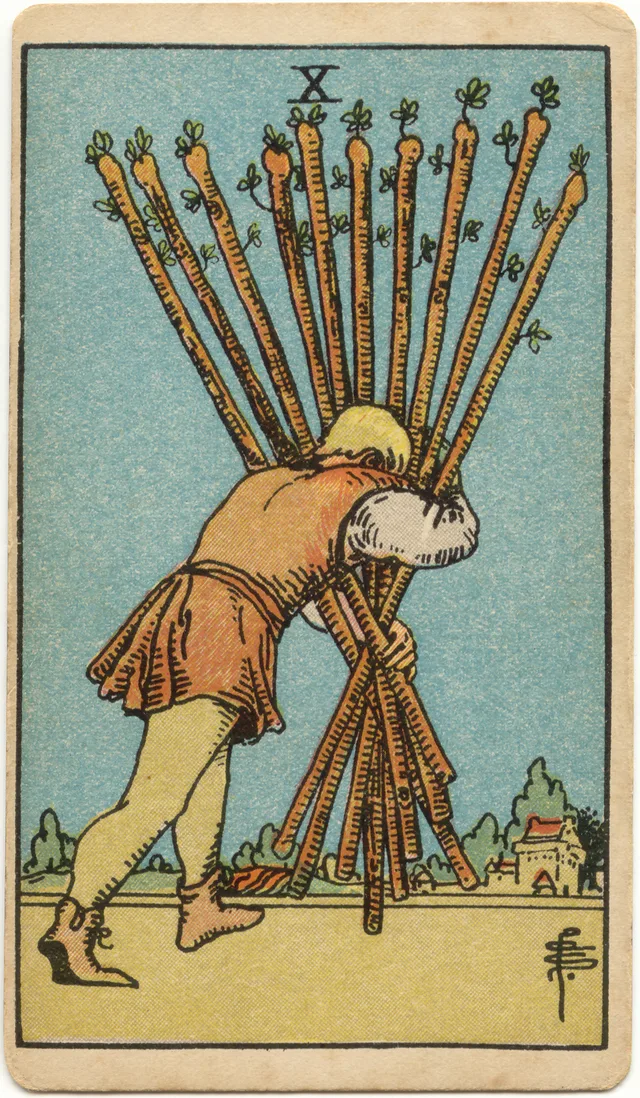
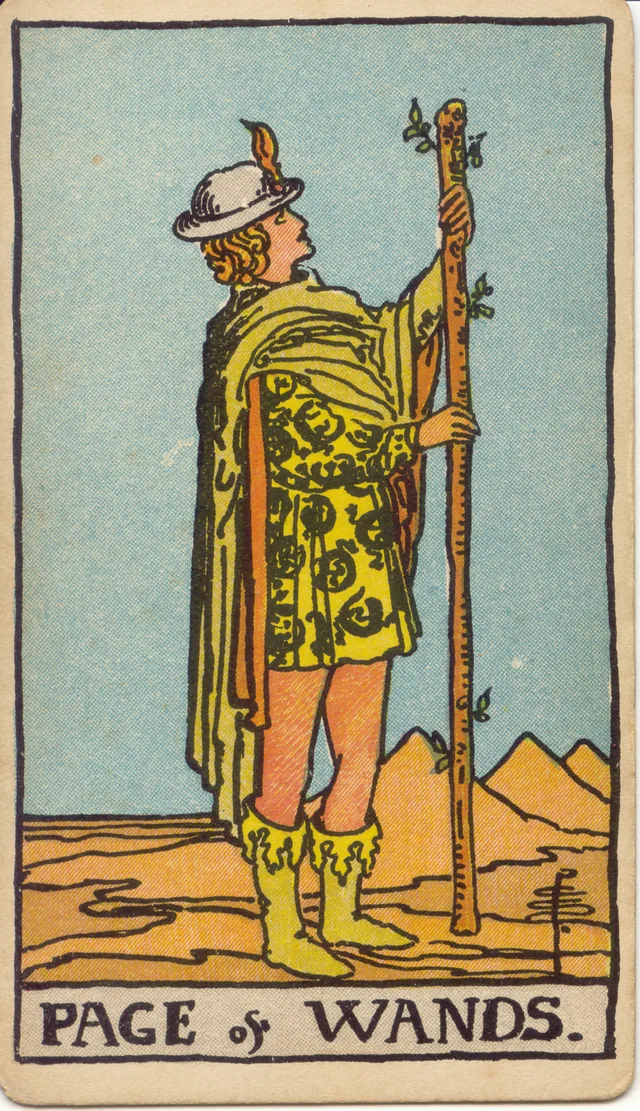
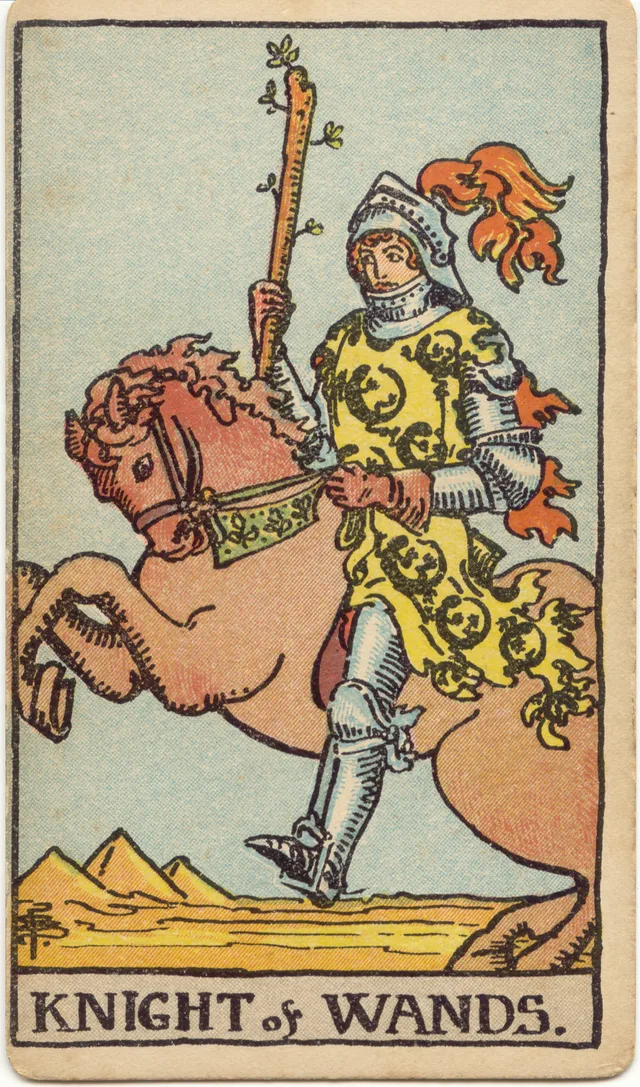
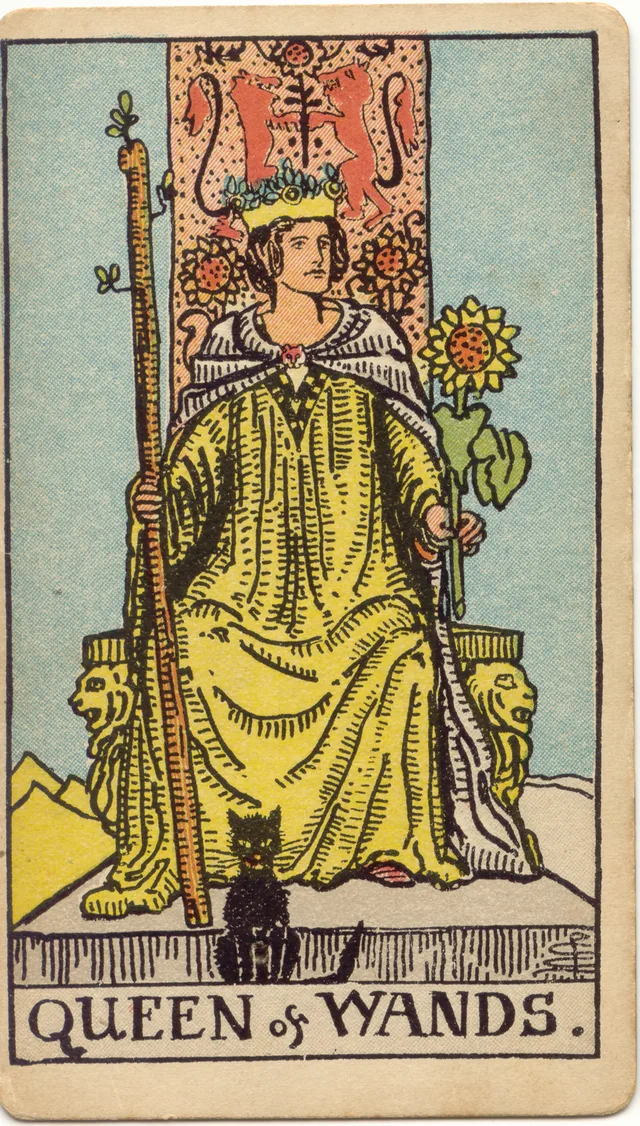
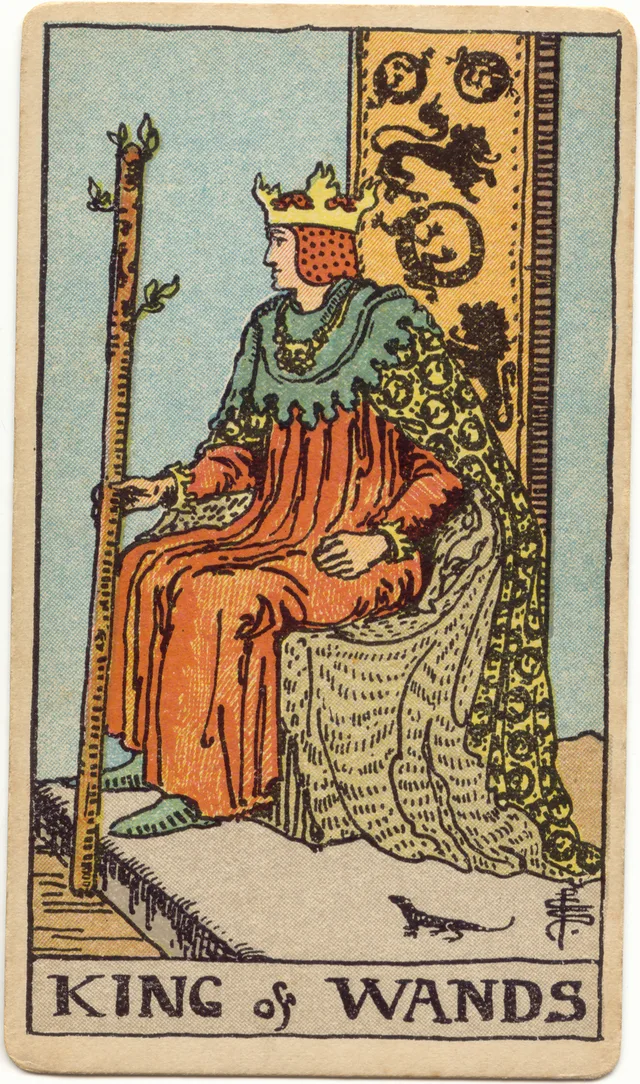
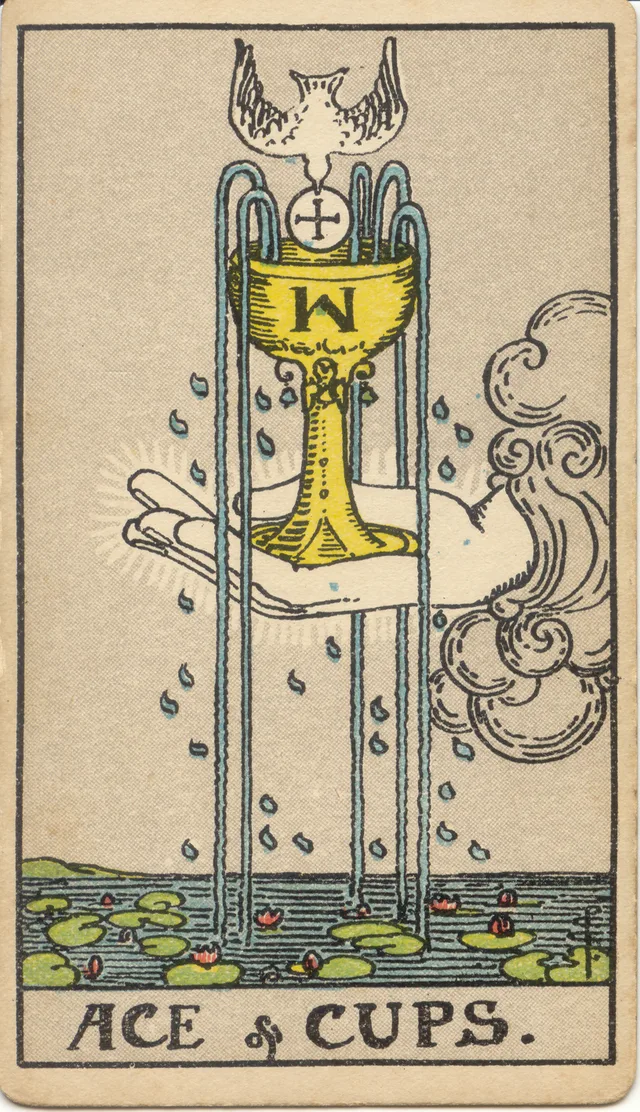
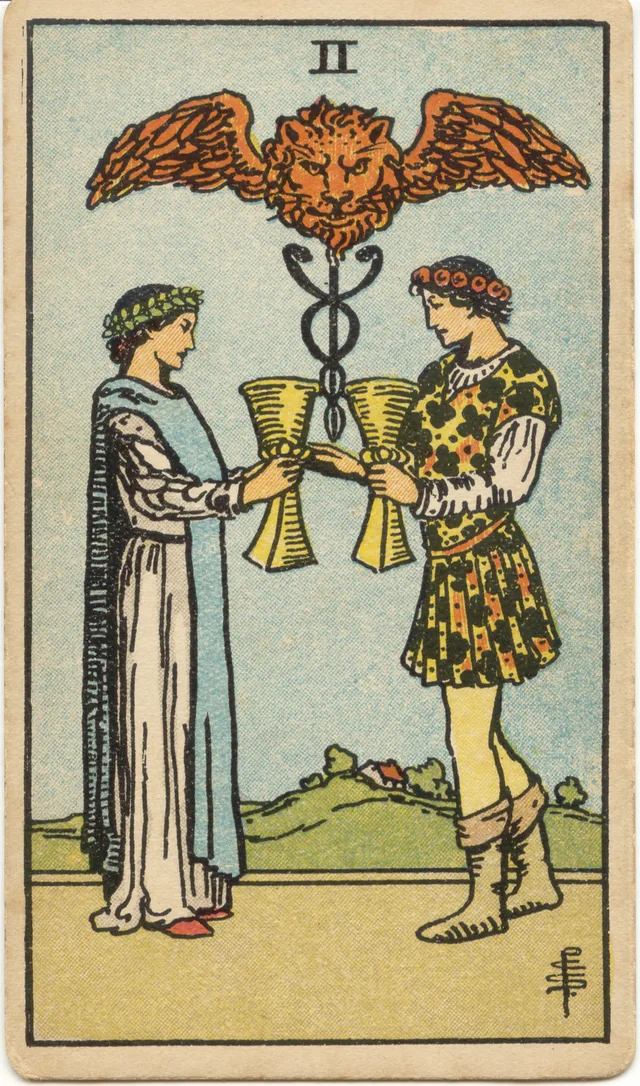
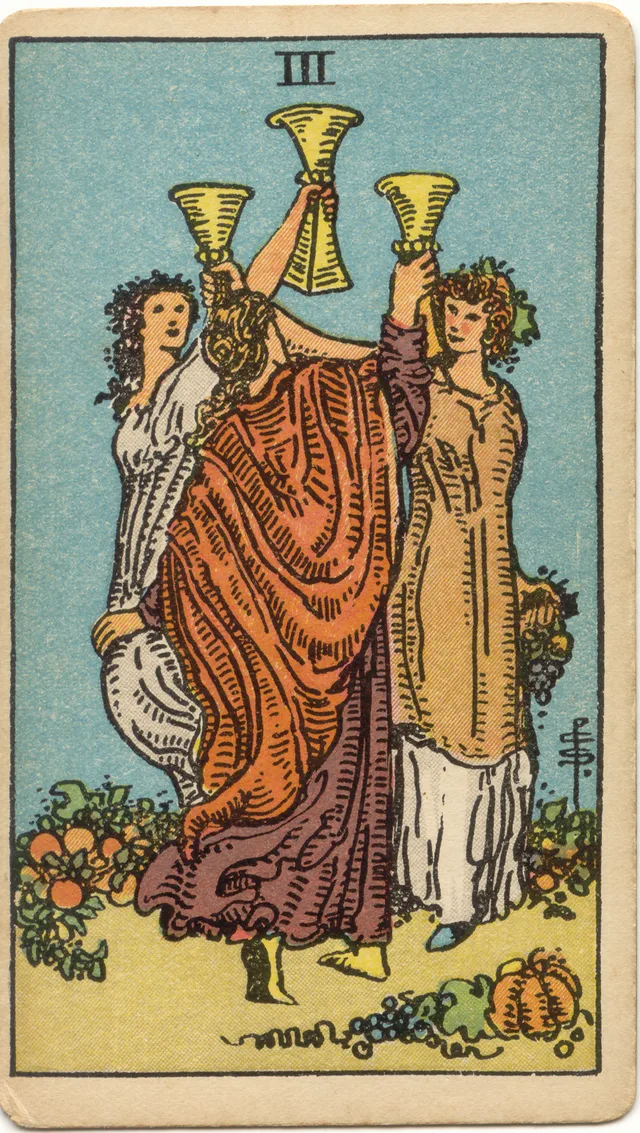
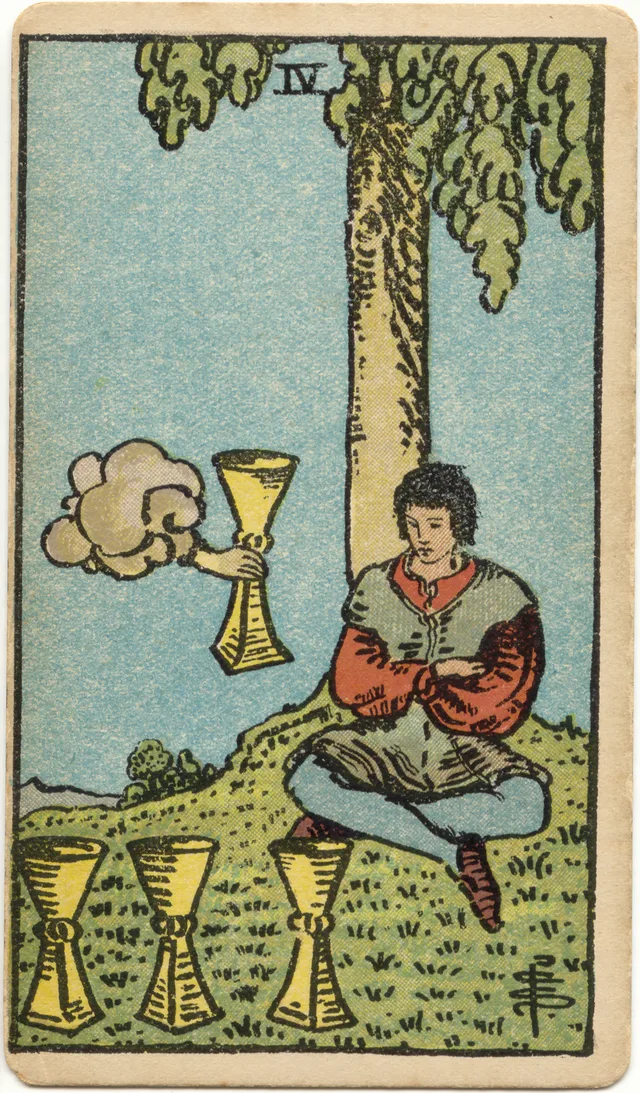
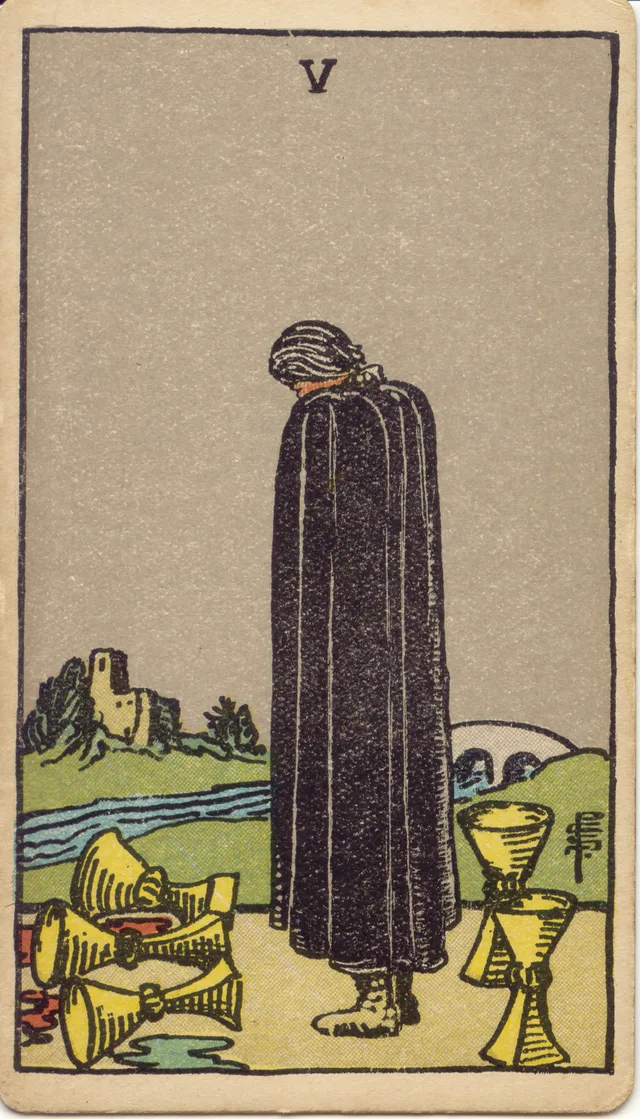
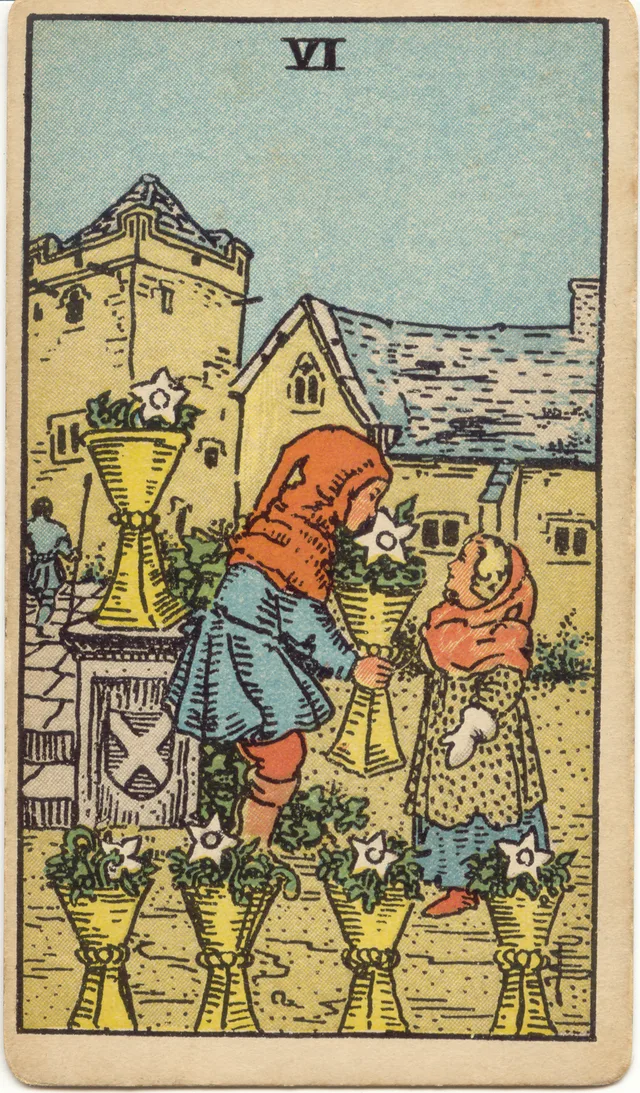
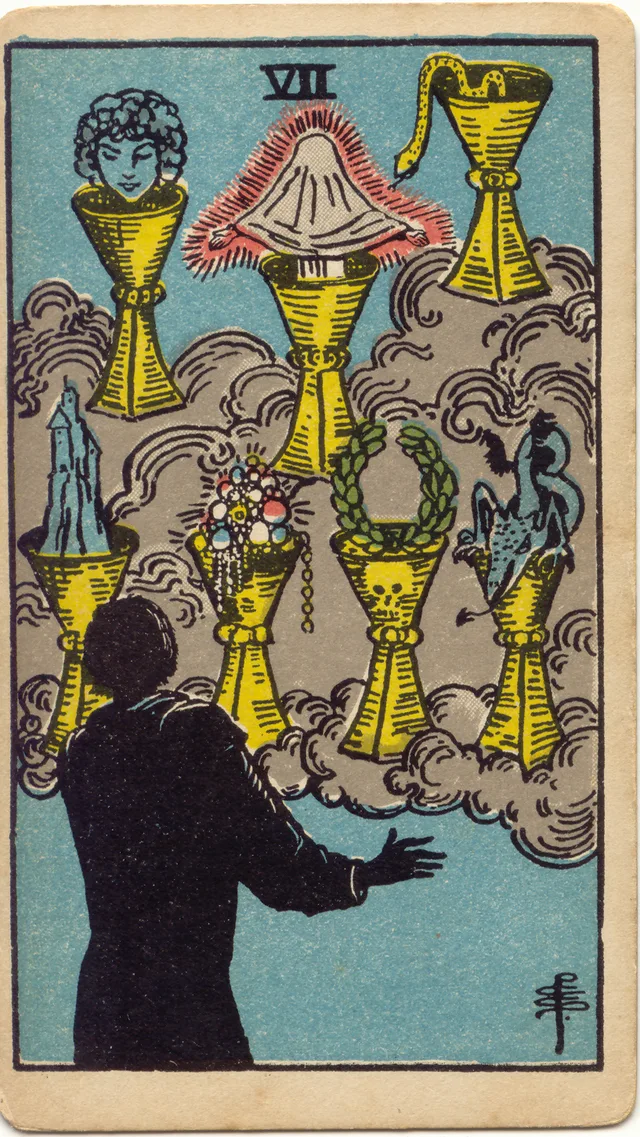
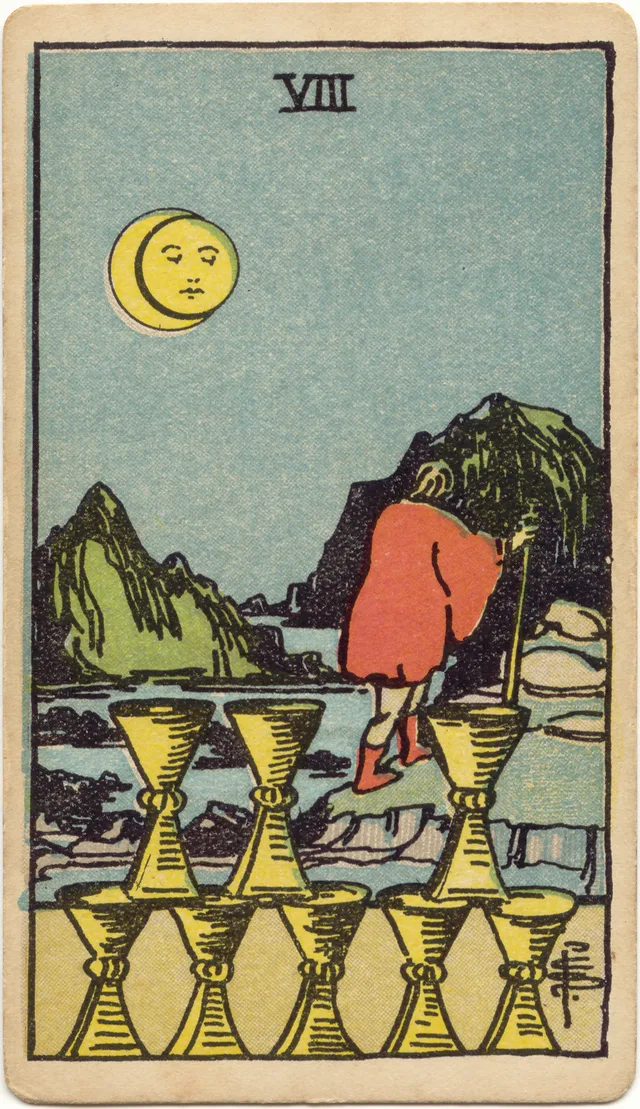
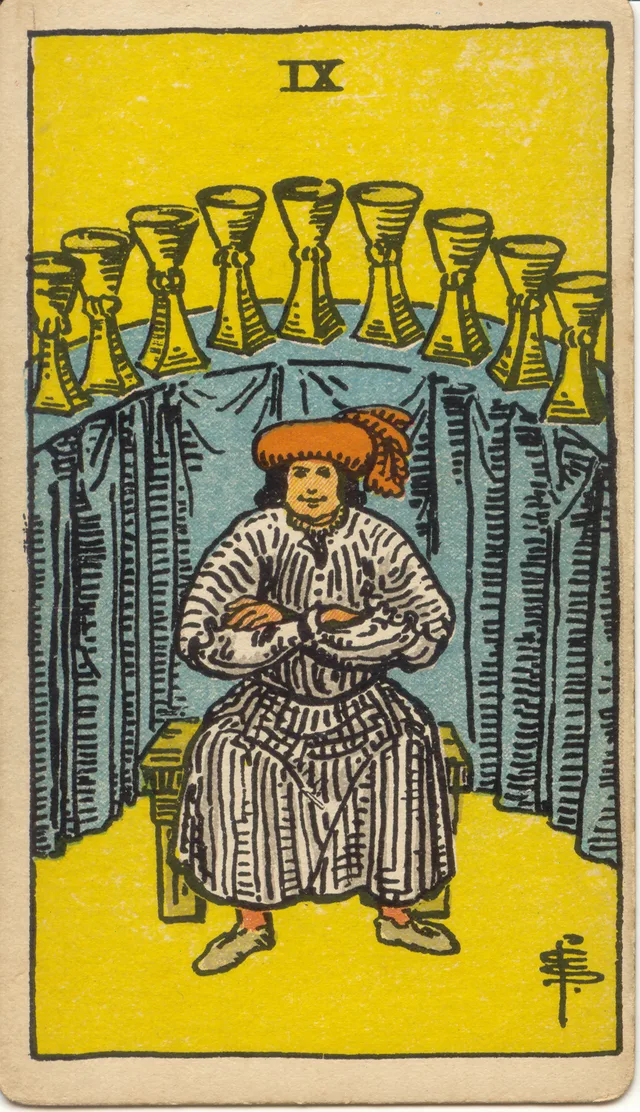
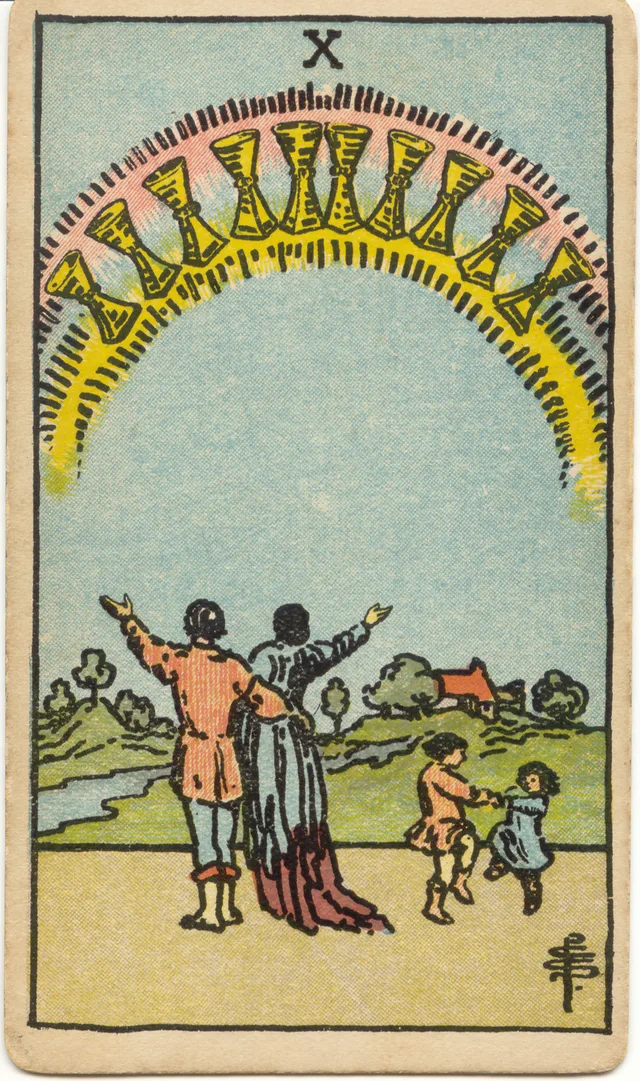
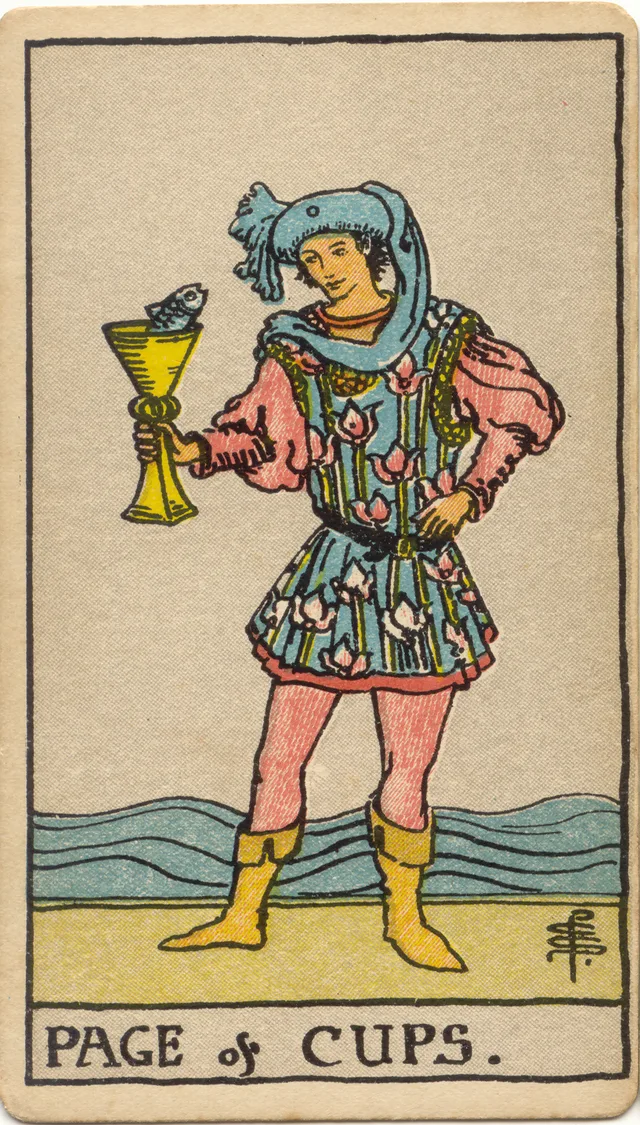
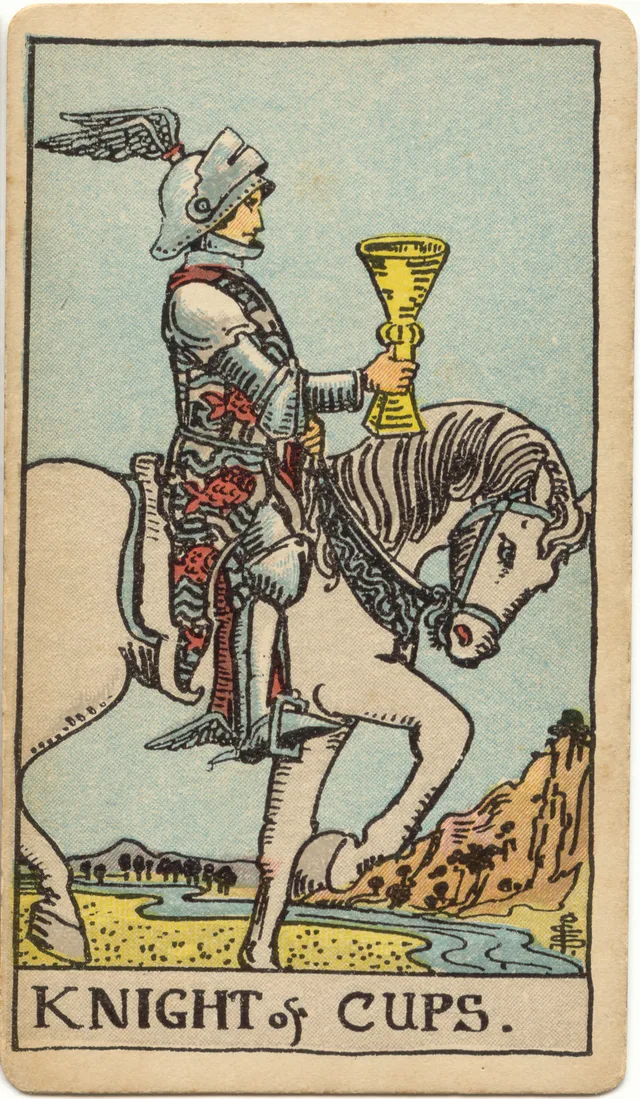
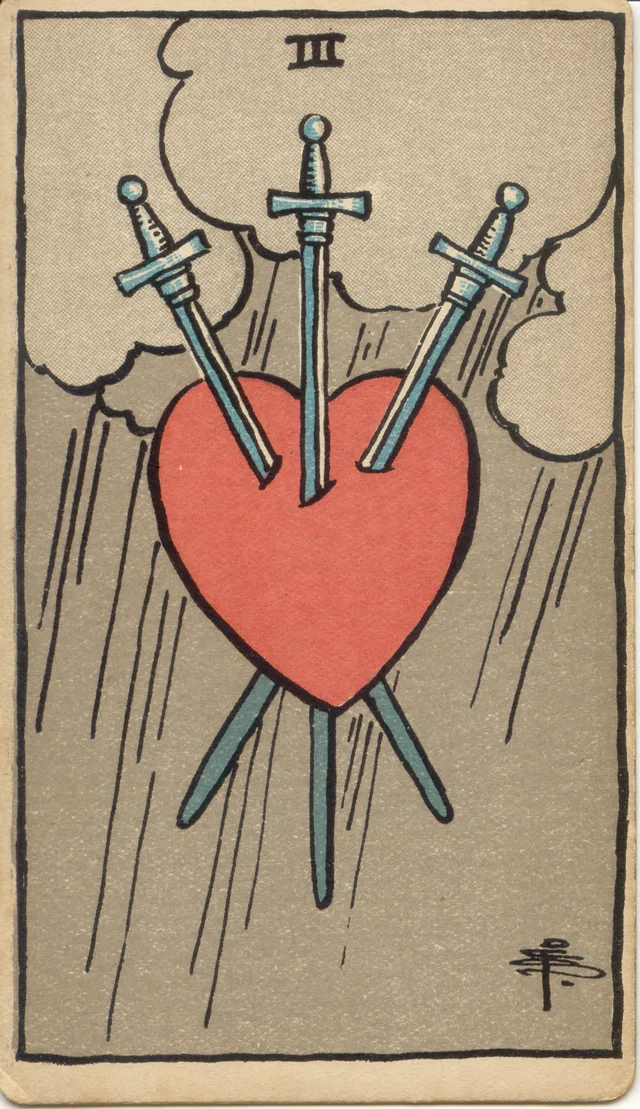
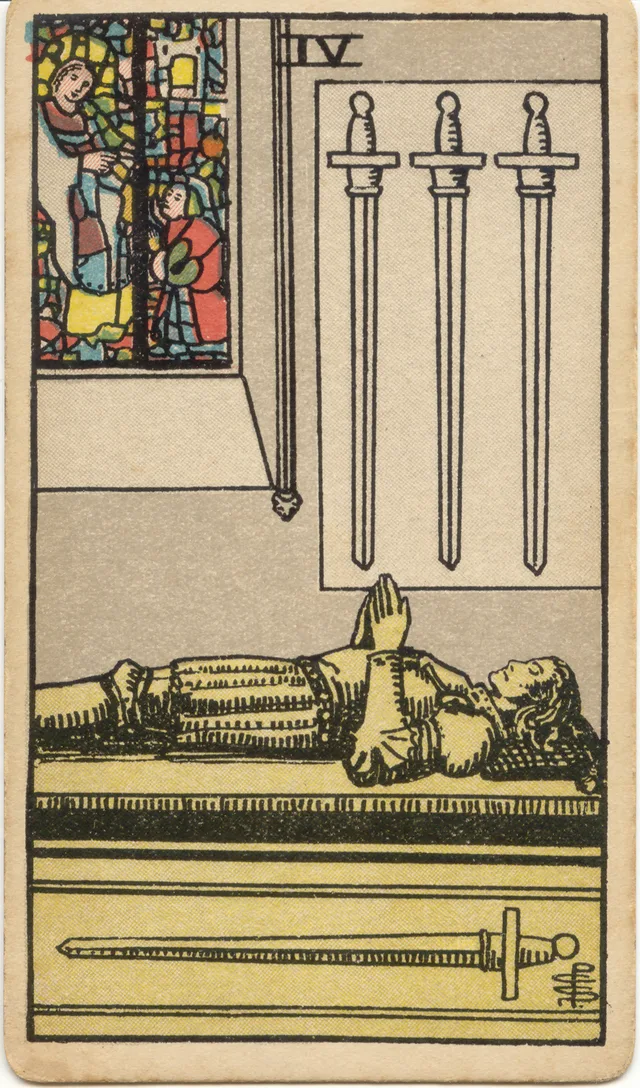
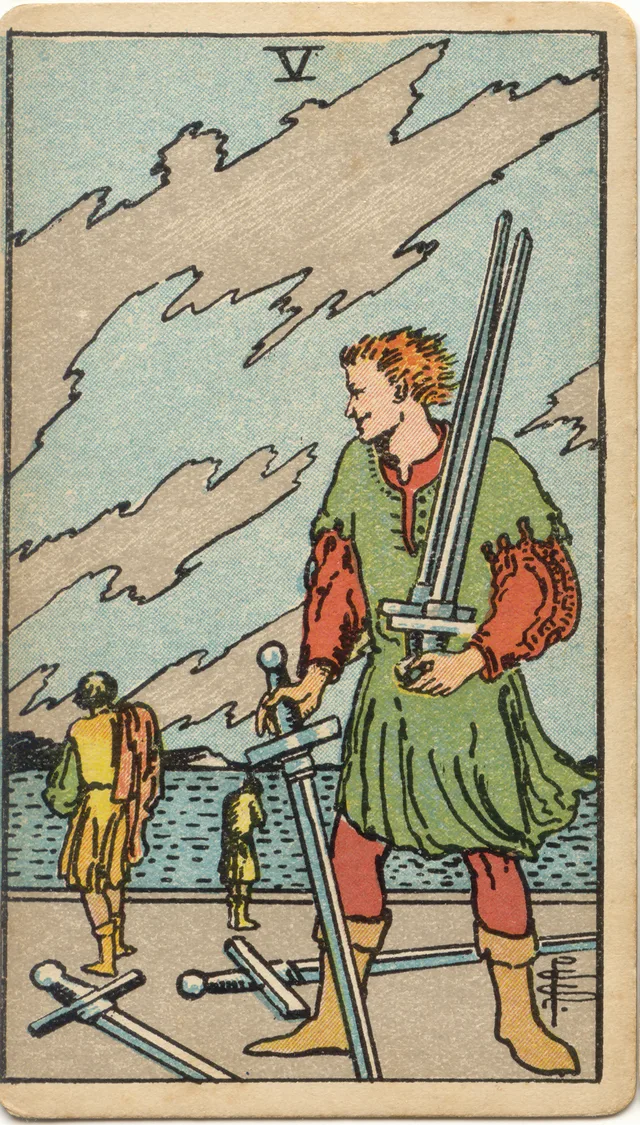
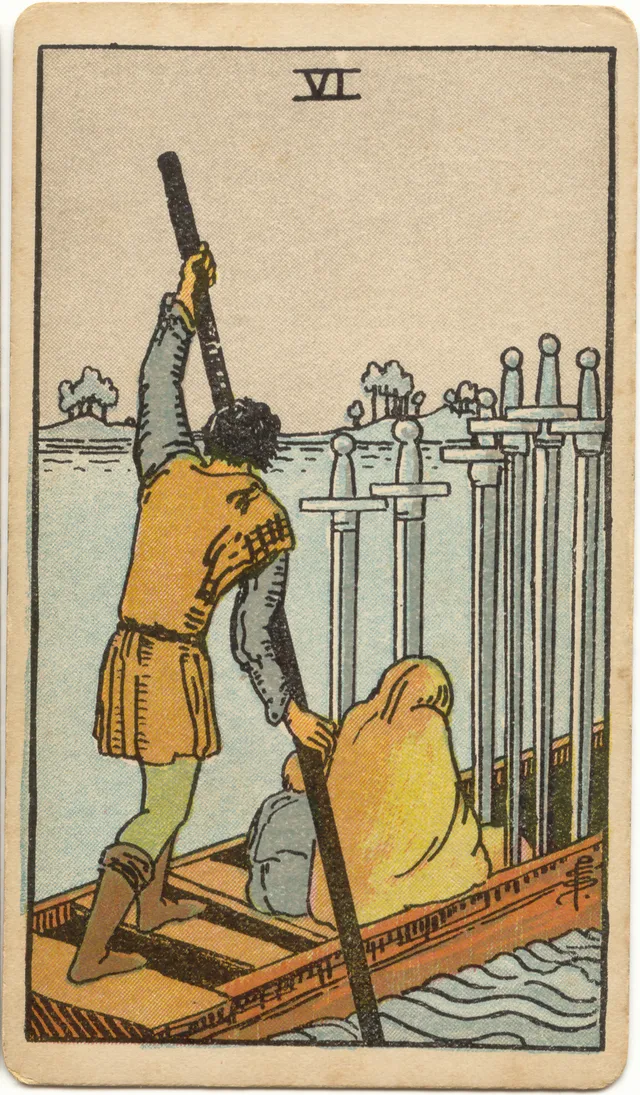
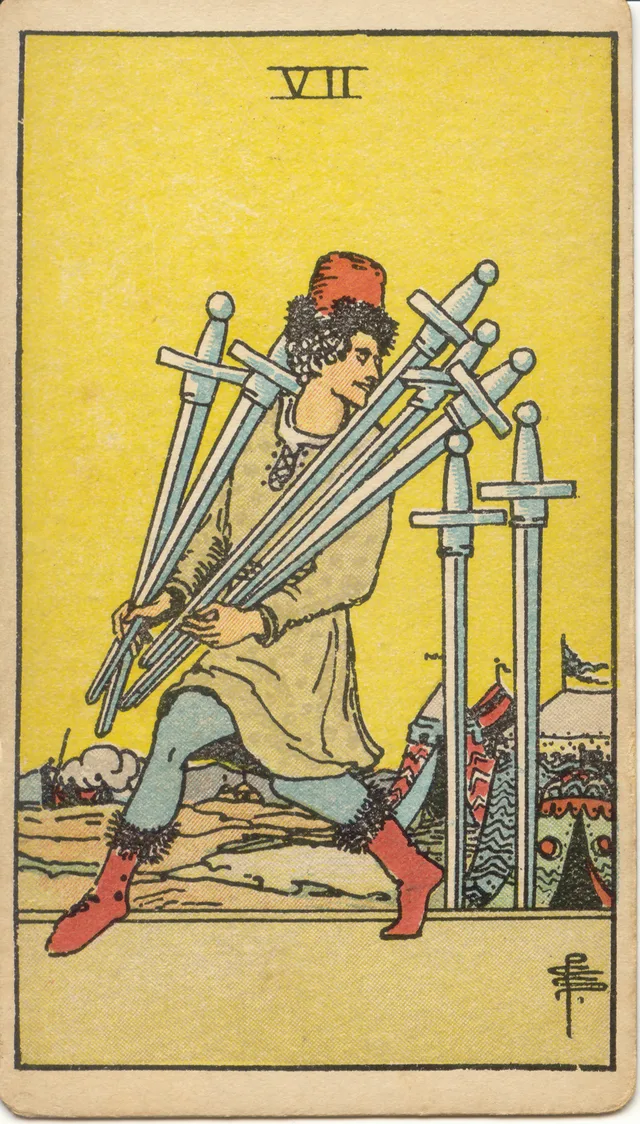
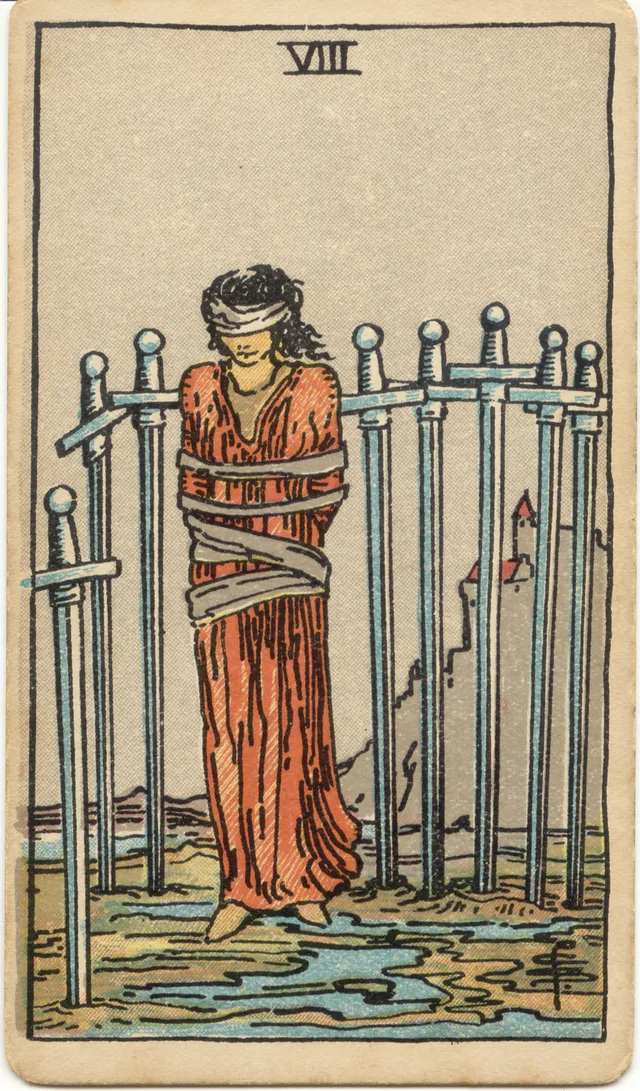
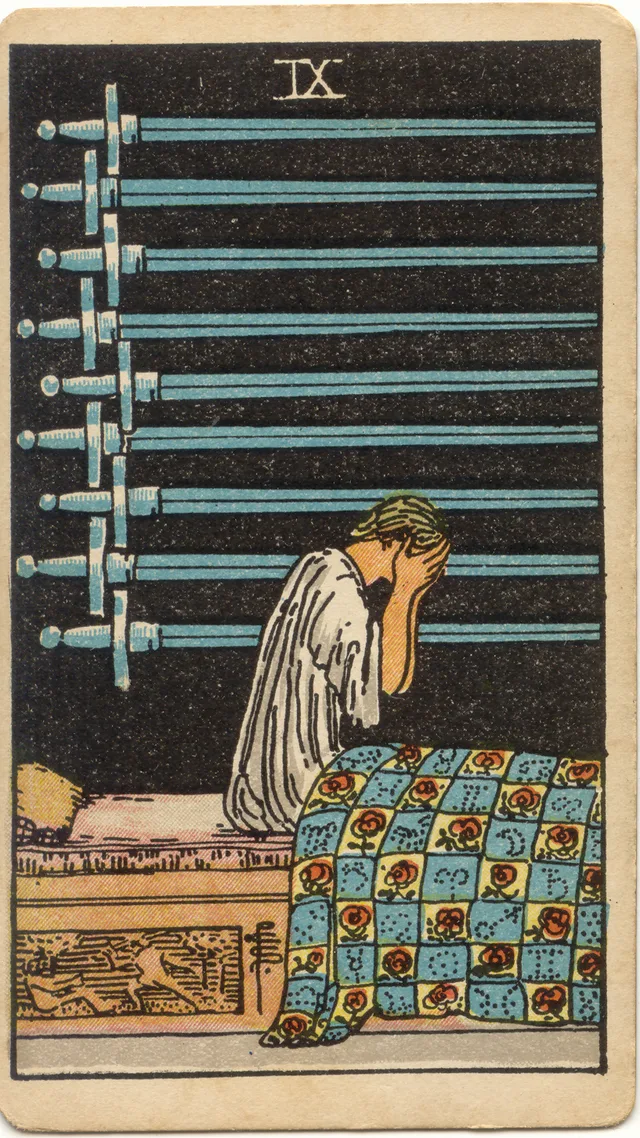
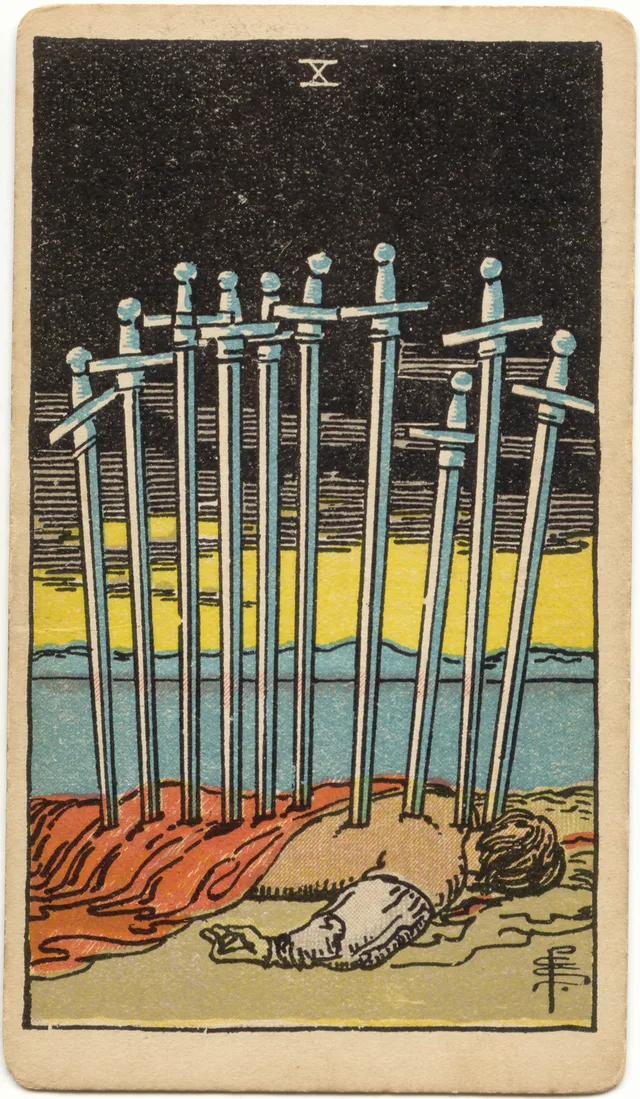
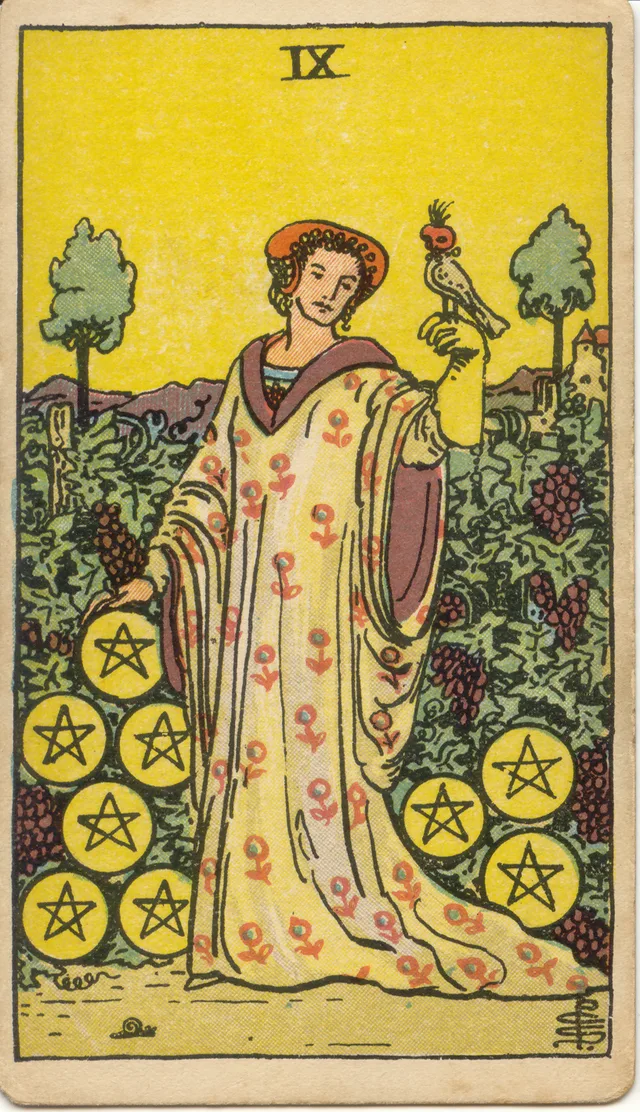
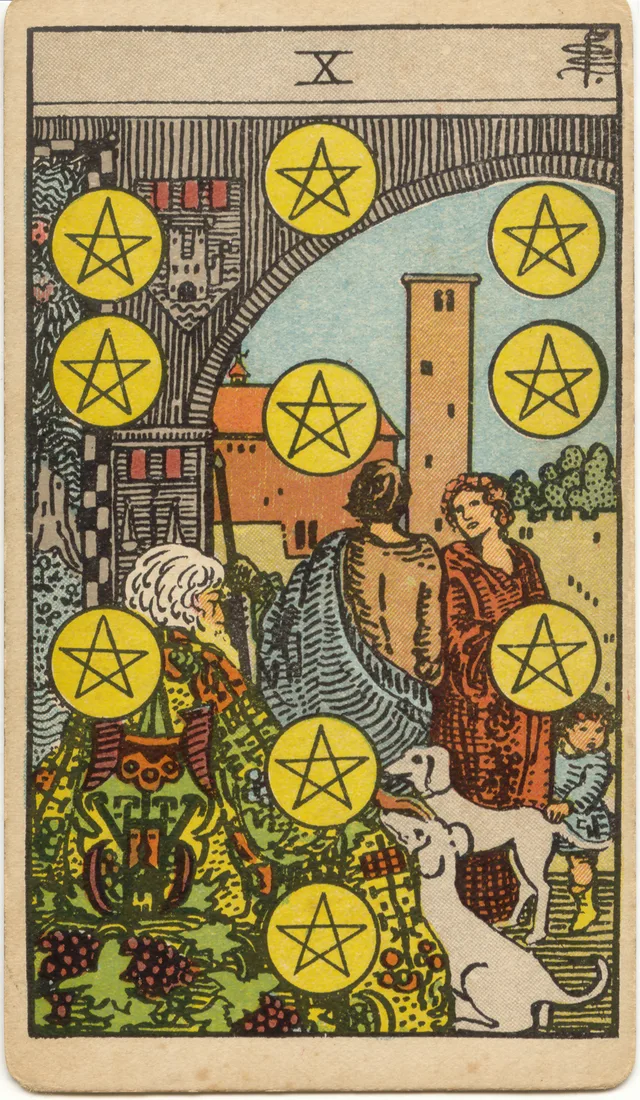
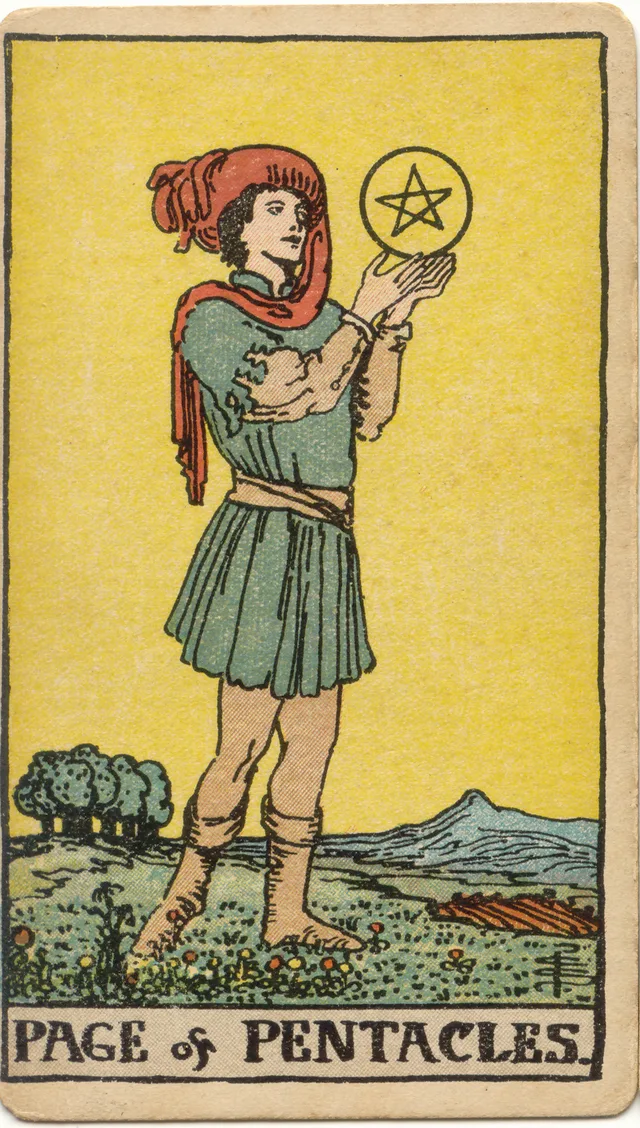
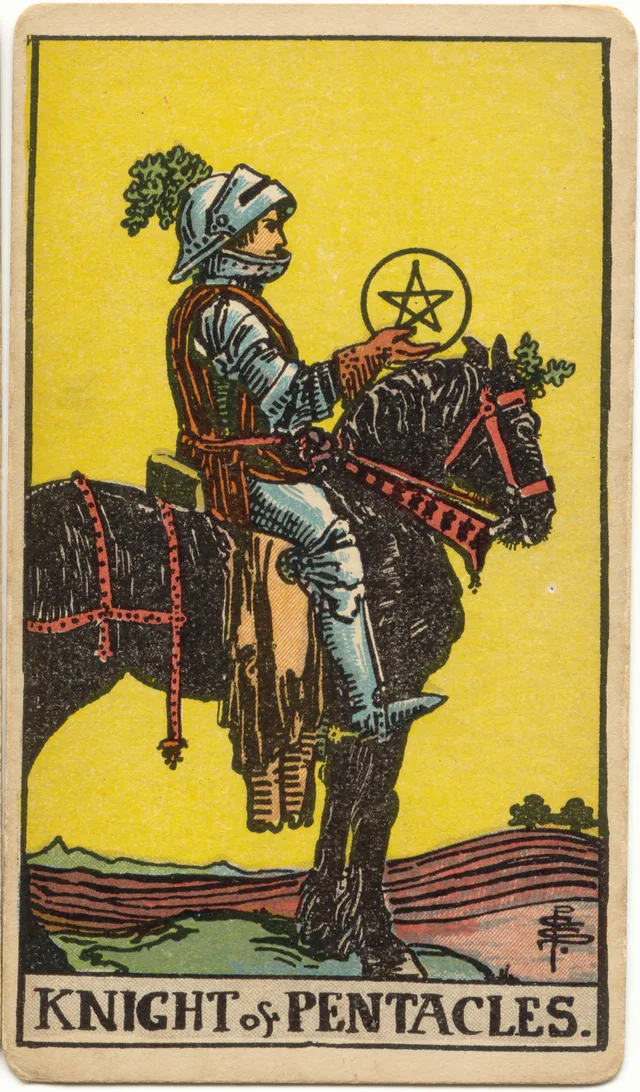
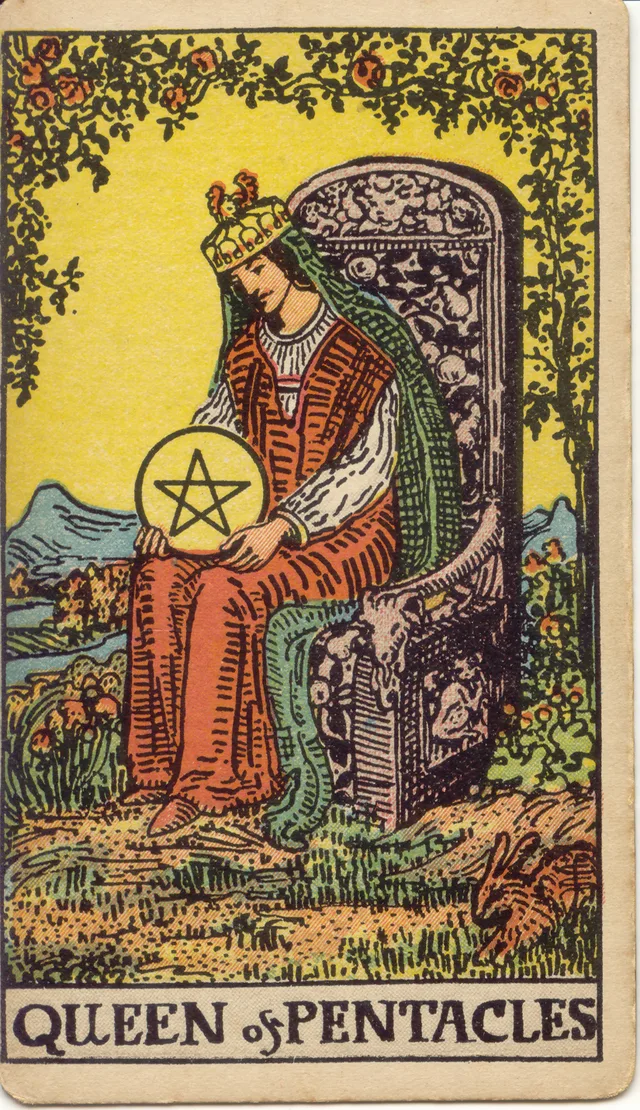
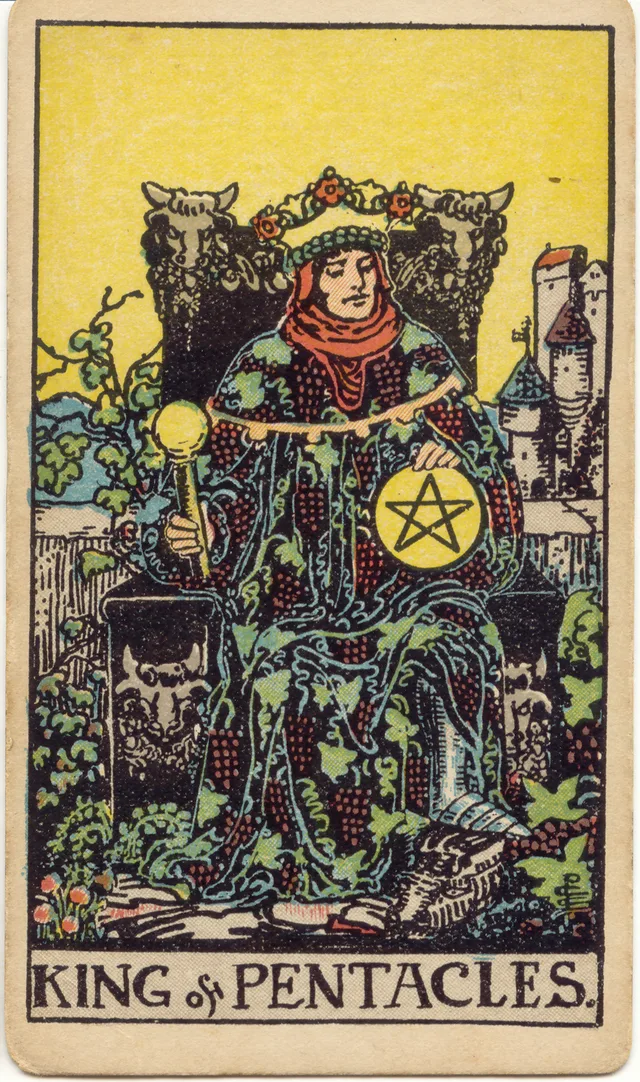
The draw uses all 78 cards, upright only, seeded by the UTC date so everyone sees the same card for the day.
Images: the Waite-Smith tarot, designed by Arthur Edward Waite and painted by Pamela Colman Smith, published by William Rider & Son, London, 1909. The 1909 artwork is in the public domain.
Read the transcript
Interviewer: Kate, for many people, reaching out is hard. How do you make sure they feel comfortable?
Kate: Oh, I know exactly how that feels. I want everyone who reaches out to know that this is a completely safe space. A safe space just for you.
Interviewer: And they can rely on total discretion, right?
Kate: Absolutely. There is no judgment here. None at all. You can confide in me with complete and total discretion. Whatever you are carrying, whatever's on your mind, it stays strictly between us. Always.
Interviewer: That is so incredibly beautiful.
Kate: It’s because I see every client who comes to me as someone I care about and want to help. Being a steady, supportive light in your life and helping you succeed means everything to me. Your success means I am doing something right.
Ask me about your own situation
Everyone visiting this page sees the same daily card. When you book a personal reading, you tell me what you would like help exploring—for example, a change at work, a relationship or your approach to money. I draw cards for your question and email you a written explanation, with practical suggestions to consider.

3-Card Tarot Reading
Send me one question, such as how to approach a job change or a difficult conversation. I draw three cards and explain in writing how I read them in relation to your situation.
See this reading
Full Life Reading
I use ten cards in a layout called the Celtic Cross, where each position explores a different part of your situation. This helps you consider connected questions about love, work and money rather than treating each one separately.
See this reading
Money Tarot Reading
I use three cards to help you examine your spending habits, financial priorities and the pressures behind a decision. For example, we can explore what makes saving difficult or how to approach a large purchase.
See this readingYour questions, answered
Is the daily card personal to me?
Why don't you show reversed cards?
Can I draw again if I don't like the card?
How should I actually use a daily card?
What can a paid tarot reading tell me that this can't?
Try the other free tools
Use your birth date to calculate a Life Path number and explore its themes
One shared card a day from the 53-card Oracle Belline
One shared card a day from the 36-card Petit Lenormand
One shared card a day from the 78-card Grand Etteilla
Compare two signs across love, communication, and long-term patterns
See where your calculated planetary lines cross the world
Ask me about your own question
If you would like a reading about your own circumstances, tell me what is happening and what you are trying to decide. You might be considering a job with different hours or preparing to talk to a friend about a disagreement. In my 3-Card Tarot Reading, I draw three cards for that question and write an explanation of each, relating the meanings to the details you share. I email the reading to you with questions and practical suggestions to consider.
- Three cards laid for the situation you describe, with what each one suggests
- How the three cards connect, and practical ideas to consider
- Your written reading by email within 48 hours, plus one free follow-up question
Read the transcript
Interviewer: How do you view your relationship with your clients?
Kate: I treat every client like a dear friend I love and care for, and I want to help light up your path with my whole heart and full devotion.
A reading is reflection to help you think things through, not a guaranteed forecast.