The Hermit Tarot Card Meaning
The Hermit represents solitude, reflection, and a deliberate pause from noise. It can prompt a private review of work, relationships, or exhaustion, but it cannot prove that isolation is healthy or that a next step will appear on its own. Choose the amount of space that supports you, and seek trusted or professional help when you need it.

What's pictured on the card
An old man in a grey hooded cloak stands alone atop a snowy mountain peak, holding a lit lantern in one hand and a long staff in the other. Inside the lantern glows a six-pointed star. He looks down, quiet and turned inward, lighting only the next step on the path. The scene speaks of solitude, reflection, and inner wisdom, the guidance you find by withdrawing from the noise and listening to your own quiet counsel.
The Hermit upright: the core meaning
The Hermit stands alone on a peak, lifting a single lantern to light just the next step. Today invites a little retreat from the noise so you can hear yourself think again. Step back, slow down, and let your own quiet counsel guide you; the answer arrives once the crowd goes silent.
You may feel a quiet wish to pull back today, to have a little space away from everyone's voices and demands. That's not antisocial, it's your inner world asking for room. Beneath the busyness, there's a question or a knowing you can only reach in stillness. The tiredness you feel might be less about doing too much and more about not having paused long enough to hear yourself think clearly.
Give yourself permission to slow down and turn inward today. You do not have to say yes to everything or fill every hour, but consider whether solitude or supportive company serves you better. At work, take quiet time to think before reacting. In love, honour your need for space and let others have theirs. With money, reflect before spending. If family noise overwhelms, step away if safe. Stillness may help you process, but it cannot guarantee an answer; set a review point and keep appropriate support.
Three simple ways to work with this card
- Carve out half an hour of true solitude today and simply let your thoughts settle without any distraction.
- Take a slow walk on your own and turn one question over in your mind until something clearer rises by itself.
- Say a kind no to one thing today so you can protect a little precious quiet for yourself.
What might become clear if you gave yourself a little solitude today?
Every symbol, explained
The lantern, and the star inside it. He holds a lantern at arm's length, and inside it is a six-pointed star traditionally identified with the Seal of Solomon. The light can represent an idea or question made clearer through reflection, but it is not evidence of supernatural knowledge or an answer that applies to everyone.
How little it illuminates. The lantern lights only a small area of snow; it does not show the summit, descent, or destination. This makes limited information a central theme. A pause may help someone identify one question or next step, but the card cannot promise clarity or reveal a route.
The grey cloak and hood. The grey cloak and raised hood reduce visual display and suggest a deliberate withdrawal from distraction. The hood also narrows the figure's view, a reminder that solitude can sharpen attention while limiting outside input. The image cannot show whether withdrawal is healthy or whether important support is being excluded.
The staff in his left hand. He uses a plain wooden staff for balance on the snow. Similar staffs appear elsewhere in the deck, but here the object emphasises support and steadiness rather than display. It can prompt a question about what practical support you need; it cannot show that someone is self-sufficient or wise.
Nine, Virgo and the summit. Nine is the last single digit, and the card is traditionally associated with Virgo. The snowy summit shows distance from ordinary surroundings and the effort of reaching a quieter viewpoint. Virgo's associations with detail and analysis can support reflection, but neither astrology nor the peak proves that someone has reached a wiser position.
The upright meaning, in detail
The Hermit can support a deliberate period of reflection when outside opinions are making a decision difficult. Solitude does not automatically produce the right answer, and important choices may require other people's knowledge. List your reasons, seek relevant evidence, and decide how much private space and trusted input you need.
The image may feel relieving to someone who needs quiet or uncomfortable to someone already isolated. That reaction is information about the reader's experience, not proof of what they should do. Notice whether time alone restores capacity, increases distress, or removes access to needed support.
The Hermit is not evidence that loneliness is helpful or that withdrawal will end. The lantern and staff can represent tools and connection, while the image still leaves the purpose and duration open. Set a review point and keep trusted or professional contact if solitude begins to make life harder.
The reversed meaning
One reversed theme is isolation that no longer supports the person. Invitations may have stopped, collaboration may feel impossible, or daily life may have narrowed. The card cannot diagnose depression or establish why someone withdrew; ask about contact, mood, function, and support.
A second theme is avoiding quiet by filling every hour with noise or activity. Busyness can have many causes, including work, care, anxiety, or preference. Notice what happens when the schedule includes a short, chosen pause rather than assuming avoidance.
A third theme is analysis without a decision or review point. Long reflection can be useful when information is changing, but it can also become rumination. Define what you need to know, when you will revisit the choice, and what support can help.
Another theme is an unhelpful relationship with advice: rejecting all support or handing every decision to friends, forums, or readers. Balance personal judgement with qualified information and trusted perspectives. The card cannot determine which advice is right or whether a person is acting from pride.
Read the reversal through current behaviour and support. If withdrawal accompanies low mood or reduced function, seek mental-health care rather than diagnosing from a spread. If demands leave no quiet, negotiate a realistic pause. A past period alone may have helped or harmed; ask what it actually changed.
In love & relationships
If you're single, the Hermit can prompt a review of dating patterns, needs, boundaries, and the difference between what you want and what you tolerate. It cannot predict someone arriving this month or establish why past connections repeated. Use your observations and direct communication to guide choices.
In a relationship, the Hermit can prompt a conversation about time alone and time together. One person's need for space is not automatically a verdict on the relationship, but neither is the card proof that distance is harmless. State the duration, contact, return plan, and support each person needs.
A hard conversation may concern practical distance that has not been named: separate rooms, calendars, or plans. The card cannot establish that someone has mentally left. Ask directly, listen to the answer, and consider counselling or safety support where communication is difficult.
The same solitude, taken well or used as an exit.
- Asking for an evening alone, naming when you'll be back
- Knowing what you want before the next person arrives
- Letting a partner's need for space be about them, not you
- Sitting with a doubt long enough to know it's real
- Leaving slowly and rather than saying it aloud
- Calling avoidance independence for years at a time
- Polling five friends instead of asking yourself once
- Waiting for total certainty before you'll commit to anyone
Career
On a job hunt, the Hermit can prompt research before applying: clarify the work, reporting line, employer's finances, requirements, and interviewers where appropriate. Do not assume that a quiet process will be valued or that research guarantees an offer. Set a time limit so preparation does not replace action.
In the workplace, the Hermit can raise deep work, specialist knowledge, mentoring, and the need to protect attention. Blocking three hours may be impossible in some roles, and expertise does not guarantee recognition. Check team needs, accessibility, workload, and agreed expectations.
For promotion or resignation, compare the work itself with title, pay, status, commute, support, and the parts you value. A pause away from workplace pressure may help, but the card cannot decide whether a role fits. Check written terms, finances, and alternatives.
Money
For money, the Hermit can prompt a private review of actual statements rather than a summary. Looking over a year may reveal subscriptions, dates, or spending patterns, but the card cannot predict what the records will show. Protect privacy and seek advice if the review raises legal or financial questions.
It can also support reflection on a smaller lifestyle, lower costs, and spending that matches personal values. This is not an instruction to adopt austerity. A pause before purchase may clarify need, enjoyment, and social influence while still respecting accessibility and genuine requirements.
For debt and windfalls, review the actual figures, terms, tax, essential costs, and risks before acting. A confidential professional opinion can help with complex choices. A fortnight's pause may be useful where deadlines allow, but do not miss required payments or legal dates.
Health & wellbeing
Astrological associations with Virgo, digestion, or the nervous system cannot diagnose depletion or illness. A person may notice tiredness, sensory overload, appetite changes, or difficulty resting, but these symptoms have many possible causes. Record changes and seek appropriate clinical care.
A short walk, reduced screen time, or unscheduled time may help some people, but these are not prescriptions. If mood has been low, function has changed, or isolation is worsening, contact a GP, therapist, or appropriate service rather than withdrawing further.
Life events & big decisions
For a move, the Hermit can prompt questions about quiet, size, privacy, community, and the reason for leaving. It cannot establish that a smaller or quieter place is suitable. Compare costs, transport, care, work, support, and whether the move addresses a practical need.
Around weddings and family occasions, the Hermit can support planning for social energy and a respectful way to take breaks. Consent and practical obligations still matter; the card cannot decide whether attendance or withdrawal is appropriate. Organisers can share tasks and schedule rest.
After a loss, time alone may be one person's way of processing, while another person may need company. The card cannot classify solitude as healthy or symptomatic. Tell someone how you are, keep practical support available, and seek professional help if grief affects safety or daily function.
Contracts, deals & signatures
For contracts, the Hermit can prompt a careful, independent review of schedules, definitions, payment, notice, and clauses that are easy to overlook. The card cannot show that a problem exists or that a clause is hidden. Read the document and obtain qualified advice rather than relying on intuition.
Independent advice may be appropriate for a significant agreement, especially where the other party recommends a professional. In negotiation, prepare market information, comparable terms, your figures, priorities, and alternatives. The card cannot identify a conflict of interest or decide which adviser to use.
For timing, the Hermit can prompt time to read and ask questions, but it does not always mean not yet. Check expiry dates, cooling-off rights, deadlines, and the cost of delay. Pressure is relevant information, not proof that an offer or person is bad.
Entrepreneurship & business
For starting a business, the Hermit can prompt a specialist offer based on deep knowledge and a clearly defined customer need. Expertise alone does not guarantee demand or durability. Test the offer, speak with customers, price the work, and plan how isolation and administration will be handled.
For growth, review the risk of working without customer feedback, operational support, or another person checking the numbers. Share prototypes or questions where confidentiality allows, and protect focused work within realistic capacity. The card cannot establish that a founder is isolated or that feedback will improve the business.
For hiring and risk, check references, contracts, ownership, costs, incentives, and the conditions attached to funding. Research is useful, but delay also has costs. Set a decision date, list what evidence is still needed, and seek qualified advice when the stakes are high.
How it shows up in real readings
In a spread, the Hermit can make reflection and information gathering relevant alongside its neighbours. Beside The Fool, compare curiosity with verification; beside The High Priestess, consider private knowledge and what still needs evidence; beside The Hanged Man, distinguish chosen solitude from an imposed delay. None of these pairings proves the right action.
A client once used four days away from work to review a promotion, considering money, title, commute, and the work itself. He said he knew by the second morning, spent the other three days working out how to explain it, later declined the role, and spent two years training in a different field. His choice came from that review and his circumstances; the card did not prove that declining was correct or that the training would succeed.
What does The Hermit mean in tarot?
What does The Hermit reversed mean?
Is The Hermit a yes or no card for love?
How soon do things happen with The Hermit?
Does The Hermit mean I should be alone?
If the Hermit has found you, schedule a short period of quiet before deciding what it means. Take one question, gather relevant information, and set a time to review what you learned. Choose a setting that is safe and accessible rather than assuming solitude is helpful.
Then share the relevant part with someone you trust or with a professional. A private reflection becomes more useful when it can be checked against another perspective and practical facts. If you want a prompt in that quieter stretch, the free daily draw takes half a minute; use it alongside support, not as a substitute.
The Hermit can prompt time away from other people's opinions so you can examine your own view. Put the phone down if that helps, then compare your impression with evidence rather than assuming solitude supplies an answer.
Related cards and themes
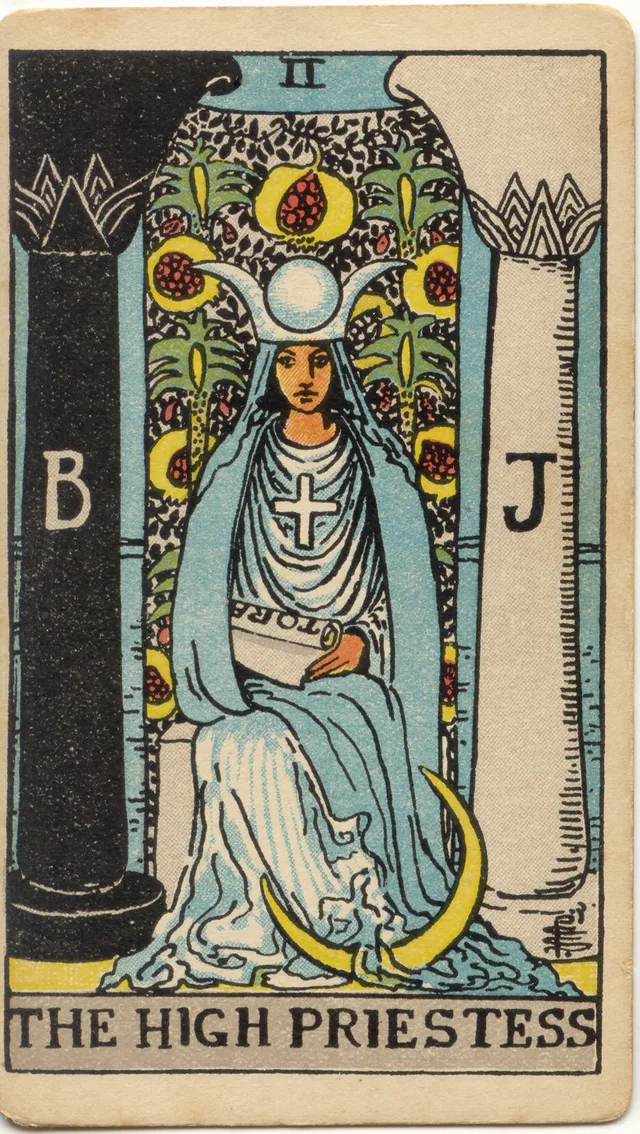
The High Priestess
The High Priestess explores quiet and hidden information; the Hermit explores deliberate reflection and the practical space needed to examine it.
Read this card's meaning →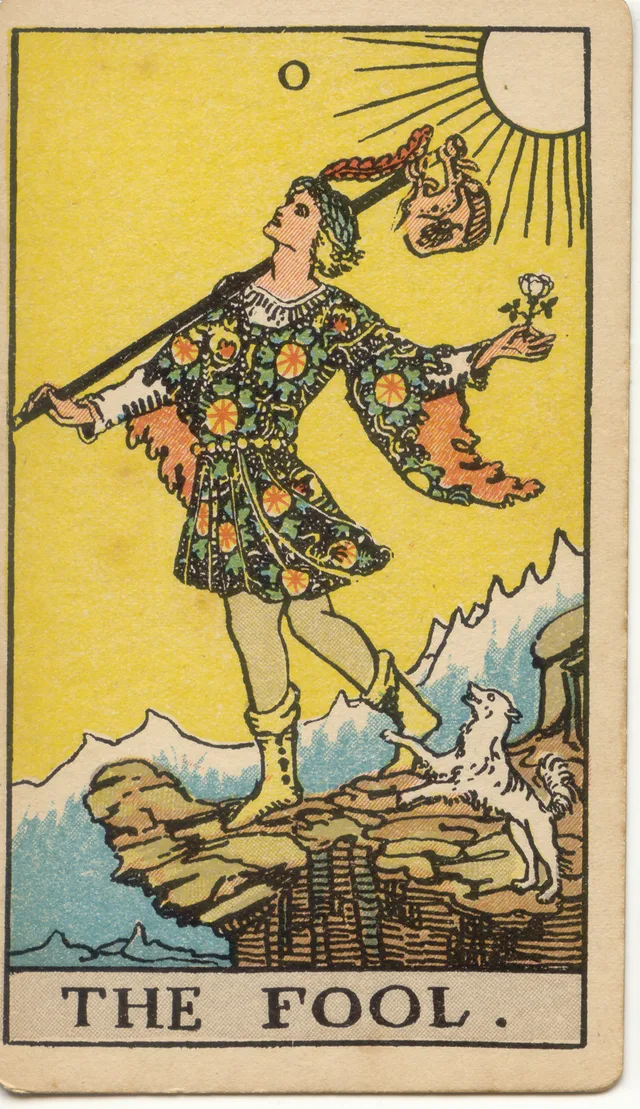
The Fool
The Fool explores an open beginning; the Hermit explores pausing to review experience and information before choosing a next step.
Read this card's meaning →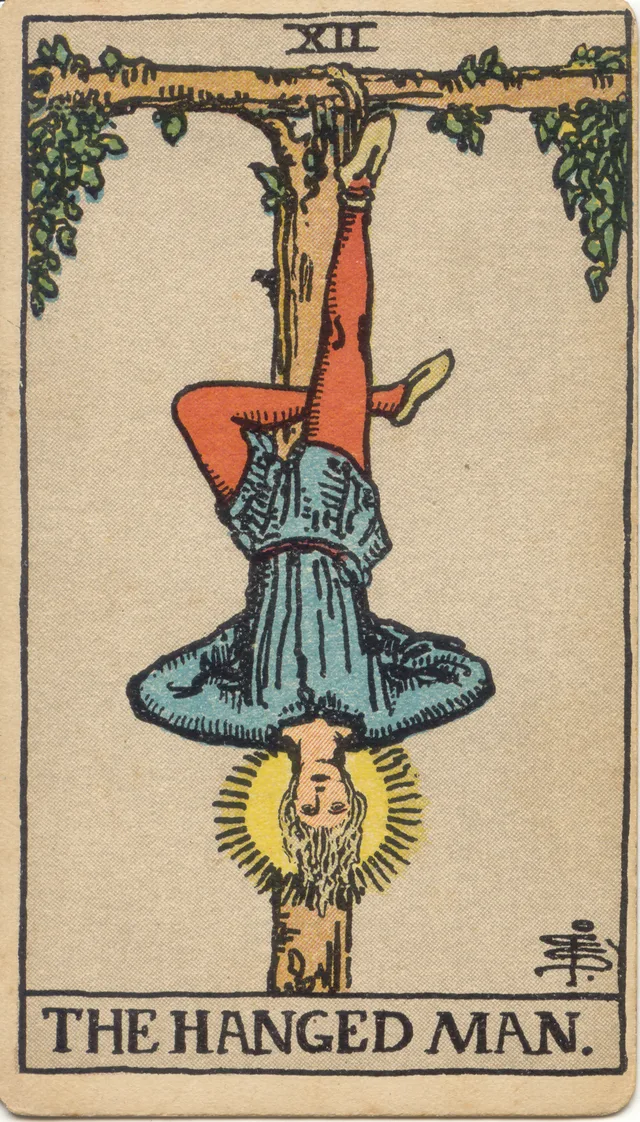
The Hanged Man
The Hanged Man explores a pause or changed perspective; the Hermit explores chosen solitude and a deliberate review.
Read this card's meaning →