Two of Wands Tarot Card Meaning
The Two of Wands depicts someone holding a globe while comparing the security already built with a wider option. It can prompt planning around work, relocation, relationships, or study, but it cannot prove that expansion is available or that one direction suits the circumstances. Compare feasibility, cost, obligations, support, and the evidence behind each horizon.

What's pictured on the card
A figure in a red robe stands on a castle rampart, holding a small globe in one hand while the other rests on a wand fixed to the wall. A second wand stands beside them. Below stretches the land and sea they already command, yet their gaze is fixed on the far horizon. The scene holds a quiet tension between what's safely built and the wider world still calling to be explored.
Two of Wands upright: the core meaning
In the Two of Wands, a figure holds a small globe and gazes out from the castle wall at the wider world. Today is for planning your next move, looking beyond the familiar and picturing where you actually want to go. You've built a foundation; now decide which horizon is worth heading towards.
There's a part of you that has outgrown the view from where you're standing. What once felt like plenty now feels a touch small, and that can bring a strange mix of pride and restlessness. You may be weighing safety against possibility, not quite ready to admit which one you actually want. That faint pull towards something larger isn't ingratitude for what you have, it's a sign you're ready to imagine more for yourself.
Use the Two as a prompt to think before leaping. You do not need to act on the whole vision at once: describe where you want work, love, or money to be in a year, then identify a first step and its requirements. Keep the solid ground you have built in the assessment rather than treating familiarity as either safety or failure. One clear decision can be useful when it follows evidence; you can revise the route as you learn.
Three simple ways to work with this card
- Sketch where you'd love to be in a year, then circle the single step you could start this week.
- Notice one comfortable habit that's holding you back, and ask whether it still deserves its place today.
- Have a real chat with someone who's walked further than you, and ask how they chose their own direction.
What bigger horizon are you ready to start planning towards today?
Reading the scene on the card
The figure on the rampart. A robed figure stands on a stone battlement and looks over land and sea. The person's back is toward us, so the illustration gives no fixed expression or explanation of their feelings. The visible subject is a choice about direction: what is already built, what lies beyond it, and what information is needed before moving.
The globe. The figure holds a small globe. It can represent a wide geographic, professional, educational, or personal perspective, but it is an object in a painting rather than evidence that a real opportunity is available. Use it to ask what broader option is being considered and what facts would test its feasibility.
The two wands—one held, one fixed. One wand is held by the figure and the other is fixed to the castle wall. The contrast can represent an established arrangement and a direction still being considered. The number two makes comparison central, but it does not limit a real decision to only two options or prove that either option is practical.
The castle. A substantial building stands behind the figure, representing an existing base in the illustration. It can prompt an inventory of skills, savings, relationships, qualifications, or systems already available. The card cannot establish that a reader has a secure base or that the base should be used to launch anything.
The number two. Twos across tarot are often associated with comparison, choice, or a relationship between two forces. In Wands, that can describe an initial creative impulse being compared with a considered direction. It is a vocabulary for planning, not an instruction to commit or evidence that one path has more value.
The upright Two of Wands in full
The Two of Wands is commonly read as a planning image concerned with direction, scope, and possible expansion. It can be useful after one phase has ended and several next steps are under consideration. The card cannot establish that a person has completed a phase, that expansion is available, or which direction suits the circumstances.
The figure is looking outward rather than resting, so the image can prompt a discussion of ambition and dissatisfaction with an existing arrangement. It does not prove that someone has outgrown a role or should leave it. Compare the current situation with the proposed direction, including benefits, costs, duties, support, and uncertainty.
Practically, the image can prompt a named decision process. Write each option, the evidence supporting it, assumptions, costs, obligations, and a review date. A detailed plan can clarify a choice, while endless planning can postpone it; the card cannot identify which is happening or tell you where to go.
The castle and globe can support reflection on existing resources and confidence, but they are not evidence of ability or readiness. Check qualifications, finances, feedback, support, and the actual requirements of a proposed direction before relying on confidence.
The reversed meaning
One reversed reading is planning that has not led to an agreed action. The reason may be cost, uncertainty, competing obligations, missing evidence, or a change of priorities; the card cannot identify it. Compare the plan with current facts and set a review point rather than assuming that more planning or immediate action is required.
Another reversed reading concerns fear of an uncertain or visible choice. The card cannot diagnose fear or decide whether the current arrangement is safe. Name the specific risk, identify ways to test or reduce it, and consider what would happen if the plan were paused, revised, or declined.
A third reading is a plan that may be narrower than the person's stated goal. That does not prove limited ambition or unused potential. Compare the proposed step with the goal, available resources, constraints, and desired level of risk, then revise if the evidence supports it.
In a partnership, the reversal can prompt a discussion when people describe different directions. It cannot show that their aims have diverged or that either person is wrong. Ask each person to state goals, boundaries, timeframes, and non-negotiables, then record what is actually agreed.
Context guides interpretation. Beside cards about worry, the pair may raise a question about risk; beside cards about material security, it may focus on the costs of changing course; in a relationship spread, it may invite a conversation about different plans. These are prompts, not diagnoses.
In love & relationships
If you are single, the Two of Wands can prompt a specific reflection on the kind of relationship you want. Describe values, communication, boundaries, practical circumstances, and the way you want to participate, rather than relying on a vague list. The card cannot predict who you will meet or establish that a particular horizon is available.
In a relationship, the Two can prompt a conversation about shared direction: living arrangements, family, finances, work, or location. Ask what each person wants, what is possible, and what must be negotiated. A future conversation is not automatically a crisis, and the card cannot show that partners want the same thing.
Long-distance relationships can make the globe and distant view visually relevant. Use the image to discuss travel, communication frequency, cost, time zones, visits, and a possible shared location. It cannot establish that distance will be manageable or that a relationship should continue.
Planning can support a relationship when both people discuss direction, limits, and practical steps; the card cannot confirm shared goals.
- A direct conversation about direction, needs, and constraints
- Making relationship choices with stated values and consent
- Discussing each person's ambitions and available support
- Recording a shared plan with practical responsibilities and review points
- Avoiding a needed conversation because commitment feels restrictive
- Discussing a future without checking present conduct and availability
- Treating familiarity or safety as a substitute for discussing what you want
- Assuming a shared direction without asking the other person
Career
In a career question, the Two of Wands can prompt comparison between an established role and a possible direction. It cannot show that you have outgrown a role or that another path is bigger. Compare duties, pay, skills, training, workload, location, support, and evidence before naming a direction.
For two job offers, career paths, or a stay-versus-go question, the Two can represent comparison. It does not tell you which option to choose or require an immediate decision. Set a deadline, compare the written facts and consequences, and identify what further information would materially change the choice.
For international career ambitions, the globe can be a clear visual prompt. Research immigration rules, qualifications, pay, tax, housing, language, travel, and employer support. The card cannot establish that work abroad is available or recommend a move; imagination needs evidence and a practical plan.
Money
In a financial reading, the Two of Wands can prompt a named target, date, and purpose rather than a vague wish to save more. Compare income, expenses, debt, risk, liquidity, and assumptions. A clear target is useful planning, but the card cannot establish affordability or predict that the target will be reached.
It can also frame a choice between financial strategies or investments. The card cannot establish that both are sound or that research has gone on too long. Compare fees, risk, time horizon, tax, liquidity, and alternatives, and seek qualified advice before making a consequential decision.
Health & wellbeing
In a wellbeing reading, the Two of Wands can prompt a review of a planned lifestyle change that has not started. Preparation might include reading, an appointment, an app, equipment, or a schedule, but the card cannot show whether more planning is needed or whether a person is ready. Check medical guidance, access, capacity, cost, and a realistic first step.
It can also support a long-term discussion about health and energy, such as a goal for the next five years. Write down a specific intention, then check it against medical reality, accessibility, pace, and changing needs. The card cannot assess health or certify that a goal is appropriate.
Life events & big decisions
For emigration or an international move, the Two can symbolise planning and competing directions. It cannot show that relocation is appropriate, establish an obstacle, or tell someone to commit. Feasibility, finances, legal requirements, responsibilities, healthcare, and safety planning provide the evidence.
Around study and professional development, the Two can symbolise planning. It cannot establish readiness, availability, or the direction to choose. Check entry requirements, cost, time, support, accreditation, and goals.
After a transition, the Two can offer imagery for planning and rebuilding. It cannot establish that change has been absorbed, that circumstances are stable, or that planning should give way to action. Review current needs, evidence, support, and capacity.
Contracts, deals & signatures
Beside a contract, the Two can symbolise direction and early planning. It cannot identify the agreement type or favour partnership, international, or expansion terms. Assess the written document, obligations, costs, risks, and qualified advice.
In negotiation, ambition and direction can be reflection themes. The card cannot establish the negotiation stage or tell someone what to disclose. Objectives, authority, leverage, confidentiality, risk, and qualified advice matter.
Independently verify timelines, deliverables, responsibilities, payment, change control, and downside before signing. This safeguard does not depend on the card.
Entrepreneurship & business
For entrepreneurs, the Two can symbolise strategy and possible markets. It cannot establish that a venture has launched, reached a stage, or needs a strategic decision now. Viability, cash flow, demand, capacity, and stakeholder input provide the evidence.
Expansion, new territories, and customer segments are possible themes. The card cannot establish capability or direct expansion; market evidence, capacity, finances, compliance, and qualified advice should guide the decision.
For a solo operator, the Two can prompt a review of whether the work is being built alone or needs a co-founder, hire, or strategic partner. List the actual work, skills, cost, authority, and governance required before recruiting. The two wands are an image for comparing an existing base with a possible new contribution, not proof that another person is needed.
How it shows up in real readings
The Two of Wands with The Chariot can prompt comparison of planning and deliberate movement; with The Emperor, planning and structure; near Wheel of Fortune, planning and changing conditions. These pairings cannot show imminent movement, a sound plan, or a timing window.
The Two can frame planning questions about a business, relocation, or career change. It cannot answer whether to proceed or set a first step. Compare feasibility, downside, responsibilities, alternatives, support, and real evidence before choosing a direction.
What does the Two of Wands mean in tarot?
What does the Two of Wands reversed mean?
Is the Two of Wands a yes or no card?
What does the Two of Wands mean for love?
Does the Two of Wands mean travel or moving abroad?
If the Two of Wands appears, name the direction you are considering in a journal or conversation. Then write the evidence supporting it, the obligations it creates, and the information still needed. A stated intention can organise planning, but the card cannot decide the direction.
If the evidence supports further planning, choose one concrete next action, such as drafting an email, making an enquiry, or scheduling a conversation. If you would like a daily reflective practice, the free daily draw is available each morning; use it to notice your thinking, not to forecast a result.
The Two of Wands can frame a wider view and a choice of direction, not a command to leave the familiar. Compare options, resources, and consequences, then treat the map as a planning tool rather than a keepsake or forecast before acting.
Related cards and themes
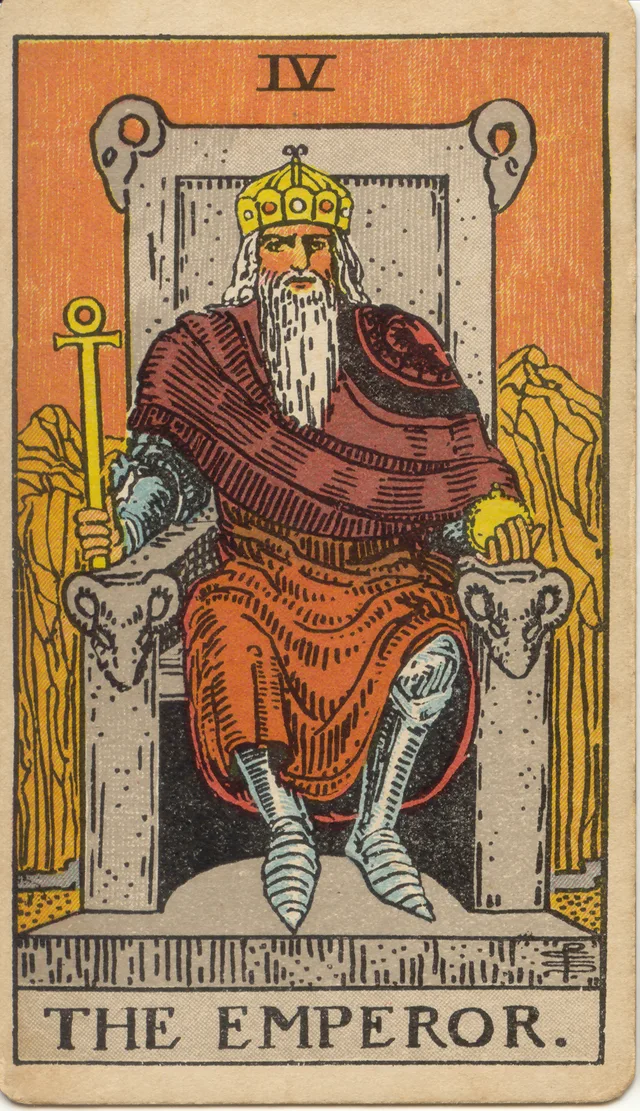
The Emperor
The Emperor represents structure, authority, and long-term organisation, useful to compare with the Two of Wands' themes of direction and planning; neither approves a plan.
Read this card's meaning →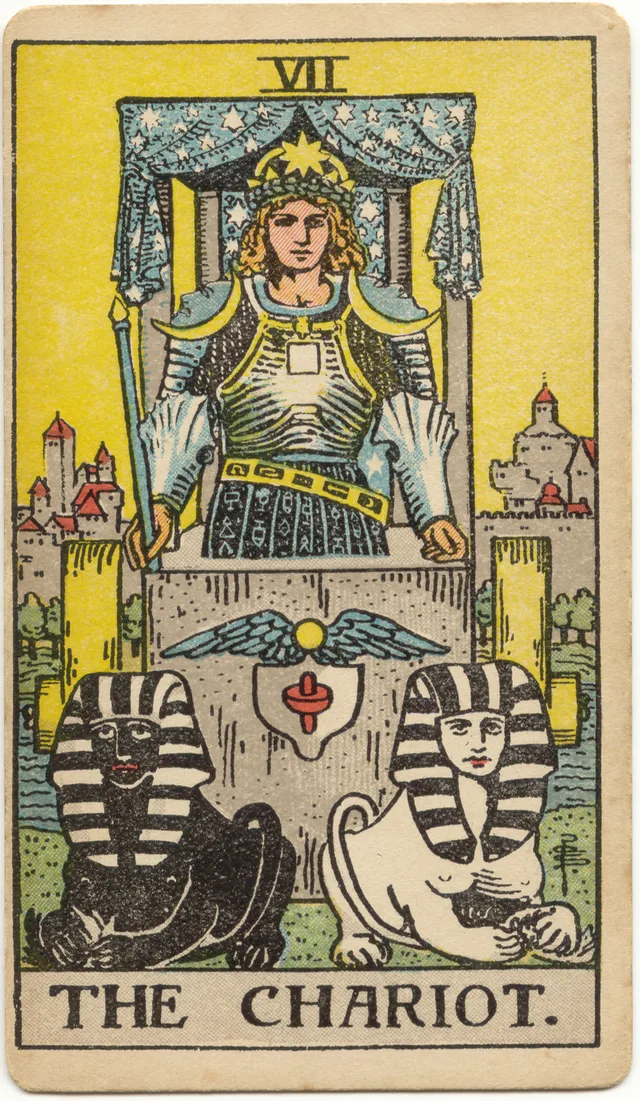
The Chariot
The Chariot explores focused movement after a direction is chosen, while the Two of Wands explores comparing directions before action; neither establishes which path suits the question.
Read this card's meaning →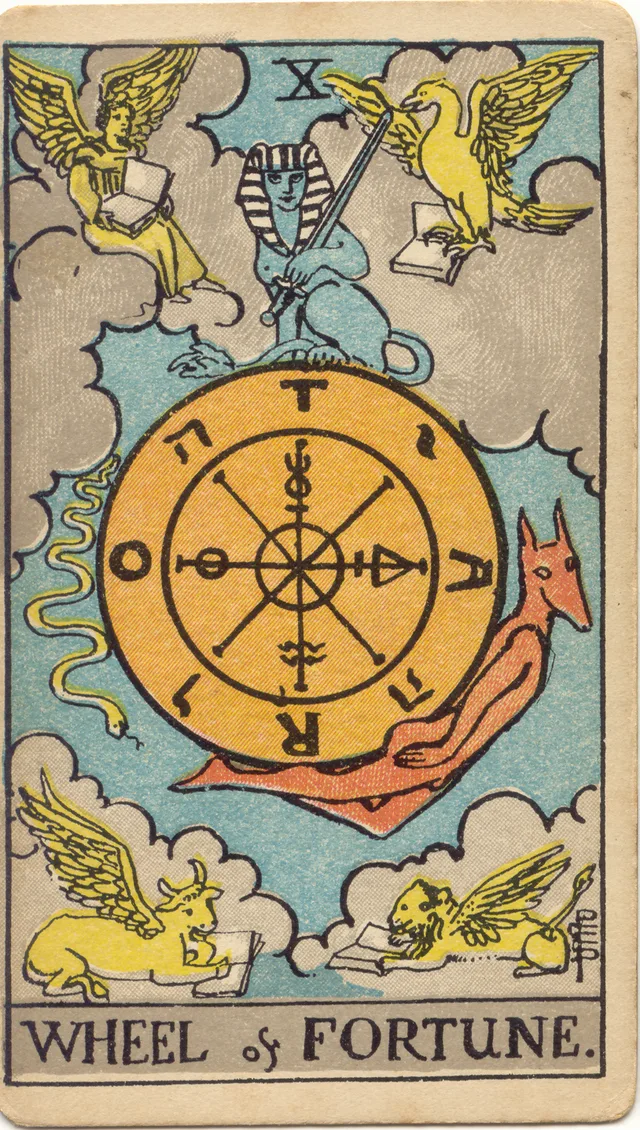
Wheel of Fortune
The Wheel of Fortune represents changing circumstances, which can be considered alongside the Two of Wands' planning themes; the pairing cannot identify timing or opportunity.
Read this card's meaning →