Knight of Pentacles Tarot Card Meaning
The Knight of Pentacles represents careful planning, consistent effort, and follow-through. It can prompt you to review a promise, routine, or project before committing, without proving that the work will finish or that a slow pace is best. Check the requirements, milestones, capacity, and reason for continuing.

What's pictured on the card
Unlike the other knights, this one sits perfectly still on a heavy black plough-horse that stands rooted to the spot. Clad in armour, he holds a single pentacle up before him and studies it thoughtfully. Behind him stretch neat, freshly furrowed fields, ready for planting. There's no charge, no drama, only quiet reliability. The image honours the least flashy of virtues: patience, routine and the dependable, unhurried effort that steadily gets the real work done.
Knight of Pentacles upright: the core meaning
The Knight of Pentacles sits steady on a sturdy horse, in no rush at all, reliable to the core. Today favours the slow-and-steady approach, keeping your commitments, following your routine, doing the unglamorous work that pays off. Consistency is your superpower now. You may not feel flashy, but you're the one who actually finishes the job.
You might be feeling the pull between wanting faster results and knowing, deep down, that steady wins the day. Perhaps there's a touch of restlessness, a worry that your careful pace looks boring, or that you're falling behind flashier people. That impatience is understandable in a world that prizes speed. But beneath it lies a quiet confidence: a part of you that trusts your own consistency, that knows the tortoise really does finish, and that reliability is its own quiet kind of power.
Use this card to consider the value of steady, unglamorous work. Rather than seeking a breakthrough, review which commitments and routines actually move things forward. Finish one task before starting another if that serves your priorities. At work, reliability can matter more than a flashy one-off. With money, compare consistent habits with risky gambles. In relationships, presence and dependability are meaningful when they are mutual. Build in rest so any steady pace remains sustainable; the card cannot promise a finish line.
Three simple ways to work with this card
- Choose one unfinished task and see it all the way through today, however small or unexciting it feels.
- Pick one tiny daily habit you can actually stick to, then give it a go right now.
- Keep one small promise you made to someone today, and notice how reliability deepens their trust in you.
What steady, reliable effort will move things forward for you today?
What Waite-Smith painted and why it matters
The stationary horse. Every other Knight is in motion: the Wands Knight gallops, the Cups Knight walks and the Swords Knight charges. The Knight of Pentacles' heavy black horse stands still. The image can represent pausing to check requirements before starting, but it cannot show whether a person is prepared, exhausted or avoiding action. Look at the actual plan and deadline.
The freshly ploughed fields. Dark, ploughed fields stretch behind the motionless Knight, echoing the Page's agricultural setting. The furrows show work already begun and create a concrete image of preparation, maintenance and repeatable labour. They do not promise a harvest; review what has actually been completed and what still depends on time or resources.
The single pentacle held aloft. Like the Page, the Knight holds one pentacle before them. The posture looks more practical than curious, so it can frame a review of one task, budget or responsibility: what does it require, who owns it and how will completion be checked? The image cannot establish experience or competence.
The oak wreath and the helmet. Oak-leaf patterns appear on the helmet and the horse's headpiece. Oak is commonly associated with endurance and long growth, so the detail can support a conversation about realistic time horizons and maintenance. It cannot signal that a project will last; durability depends on materials, funding, care and changing conditions.
Dark armour, black horse, ploughed earth. The dark palette contrasts with the brighter Knights and links armour, horse and soil. Those surfaces make the scene feel functional rather than decorative, which can prompt attention to tools, labour and the less visible parts of a project. The card cannot prove that anyone is doing the work; check completed tasks and records.
The upright Knight of Pentacles in full
The Knight of Pentacles represents methodical effort, repeatable routines and follow-through. In practical readings, it can prompt a review of work already planned: read the manual, service equipment, check figures twice, record milestones and confirm who is responsible. For example, a beginner running a small online shop might keep a stock list, compare postage costs each week, photograph dispatched orders and note customer questions. Those records make a vague intention easier to inspect and revise. The card cannot establish that a person keeps promises or that repeating the plan is best; results and capacity need checking.
Trust can be a question raised by this card, but a reputation is built from observable patterns: commitments stated clearly, deadlines met, problems disclosed and repairs made. Do not treat the illustration as evidence that someone is trustworthy. In personal and professional relationships, check whether other people can rely on the actual behaviour.
The stationary horse can represent considered pacing, but it can also resemble delay. Separate preparation from procrastination by naming the missing information, the real deadline, the next observable step and the cost of waiting. The card cannot tell you when assessment is complete or whether a slow pace fits the work.
The reversed meaning
A common reversal theme is steadiness that has become stagnation. The horse may represent a routine that no longer serves its purpose, a plan that ignores changed conditions or an inability to adapt when the work requires another approach. Review results and new constraints rather than assuming persistence is a virtue.
Another pattern is effort that has become unsustainable: excessive hours, busyness used to avoid a difficult issue or self-worth tied only to output. The card cannot diagnose compulsion or explain why someone works. A contrasting pattern is missed commitments and incomplete work; compare what was promised with what was delivered and what prevented completion.
The reversal can also frame careful work applied to the wrong priority: minor tasks completed while a consequential responsibility is avoided. Compare effort with the stated objective. In relationships, predictable routines may leave too little curiosity or shared pleasure; discuss what each person wants rather than labelling either partner's character.
In love & relationships
If you are single, the Knight brings dependable communication and steady dating behaviour into focus as qualities to consider. Grand declarations are not required, but neither is a quiet manner proof of reliability. Look for agreed plans being kept, respect for boundaries, honest changes and interest that remains reciprocal over time.
In an established relationship, the Knight can focus attention on practical work: appointments, household tasks, repairs, schedules and the planning that keeps daily life moving. Make that labour visible, share it fairly and discuss appreciation rather than assuming quiet care is understood. The card cannot show who is carrying more.
Consistent practical care can support trust, but it can also become unnoticed labour or substitute for emotional communication. Review both effects.
- Trust supported by commitments that are stated and kept
- Household and logistical work listed and shared rather than left invisible
- A partnership where both people communicate changes to their promises
- Time set aside for connection alongside practical routines
- Recurring work assumed rather than acknowledged or shared
- Practical consistency used to avoid emotional communication
- A routine that leaves too little room for curiosity or shared pleasure
- Busyness used to avoid vulnerable conversations
Career
In career readings, the Knight can fit work requiring sustained, methodical effort: project management, skilled trades, research, financial services, healthcare or teaching. The card cannot establish that a role suits you or that your performance is strong. Compare the job's requirements with skills, capacity, feedback and the results your approach produces.
For people seeking employment, the image can prompt a concrete record of completed work, commitments delivered and systems maintained. Give examples, measures and references rather than relying on stated ambition. Skill development can be gradual, but choose assignments for learning and fair conditions, not because the card says an unglamorous route will pay off.
Money
For money questions, the Knight can prompt regular record-keeping, realistic saving, careful debt review and periodic checks rather than dramatic decisions. These actions are not automatically affordable or appropriate. Consider income, essential costs, interest, liquidity, risk and qualified advice before choosing a financial plan.
A caution is allowing fear of mistakes to prevent any review or decision. That does not mean taking risk; it means identifying the decision, its deadline, alternatives and the cost of waiting. The card cannot choose an investment or say that action is required.
Health & wellbeing
For wellbeing, the Knight can prompt a sustainable routine rather than repeated extreme changes: regular sleep, movement, meals or appointments adapted to the person's circumstances. A tarot card cannot assess health or prescribe intensity. Use qualified guidance for symptoms, injury, disability or recovery and judge a routine by how it affects you.
For recovery or rehabilitation, the image can support attention to the agreed programme, manageable repetition and communication with clinicians when symptoms change. It cannot promise recovery or set a pace. Follow qualified instructions and adjust only with appropriate professional input.
Life events & big decisions
At a major decision point, the Knight can prompt comparison of a methodical route with a faster option. Check the small print, test assumptions against current evidence, list the work and identify what would make the plan unworkable. The card cannot select the slower route or tell you which checks remain before a decision.
For a relocation, career change or significant financial commitment, a pilot or phased approach may provide useful information where it is feasible. Compare reversibility, cost, obligations and the information a test would produce. A phased plan is not automatically safer, and the card cannot decide whether an all-in move is wrong.
Contracts, deals & signatures
Beside a contract question, use the Knight as a prompt to read every clause, define obligations and compare them with actual capacity. Check deliverables, payment, deadlines, remedies, renewal and exit terms before accepting. A card cannot assess legal effect or determine whether a commitment is manageable.
This review matters especially for ongoing performance such as service agreements, employment contracts, maintenance duties and leases. Estimate the time, cost and backup needed for the full term, then negotiate scope where necessary. A beginner accepting a first tutoring contract could list weekly lesson preparation, travel, cancellations, payment dates and safeguarding duties before agreeing. That list reveals questions to ask without turning a symbolic card into legal approval. Do not promise more reliability than you can consistently maintain.
Entrepreneurship & business
For a growing business, the Knight brings operational reliability into focus: clear promises, workable deadlines, quality checks, customer communication and records of delivery. Consistency can matter alongside innovation and marketing, but the card cannot show that a business is reliable or competitive. Use customer feedback, performance data and staff capacity.
A caution is repeating a process after conditions change. Review customer needs, costs, quality and competitors at an agreed interval; change what no longer works while preserving what the evidence supports. Consistency is useful only when it serves the current objective.
Pairings and real reading patterns
The Knight of Pentacles beside The Hermit can frame private study, skilled work or a long project with little public attention. Compare focused solitude with the need for feedback and support; the cards cannot establish that unseen work is significant or excellent. Beside the Seven of Pentacles, review both repeatable effort and the results so far, then decide what the evidence suggests about the next step.
This card can resonate when someone is carrying recurring work for a family, team or project and that labour is not being discussed. Instead of assuming the work is sustainable or appreciated, list tasks, hours, decision rights, support and recognition. Reliability matters, but it should not hide an unfair distribution of labour.
What does the Knight of Pentacles mean in tarot?
Is the Knight of Pentacles a yes or no card?
What does the Knight of Pentacles reversed mean?
What does the Knight of Pentacles mean for love?
Does the Knight of Pentacles mean things will move slowly?
If the Knight of Pentacles has appeared today, ask which commitment needs clear, consistent attention. List the next task, owner, deadline, quality check and support needed. Then use results and capacity to decide whether to continue, revise or stop; the ploughed fields are an image, not proof that more effort is warranted.
Give important work a realistic block of attention, while allowing for rest and changing priorities. The free daily draw is there each morning if you want a reflective check-in about one task that needs review. Finishing is useful when the task still serves its purpose; evidence should guide that choice.
The Knight of Pentacles can suggest deliberate progress, not simple slowness. Set a pace, check details, and let evidence show movement.
Related cards and themes
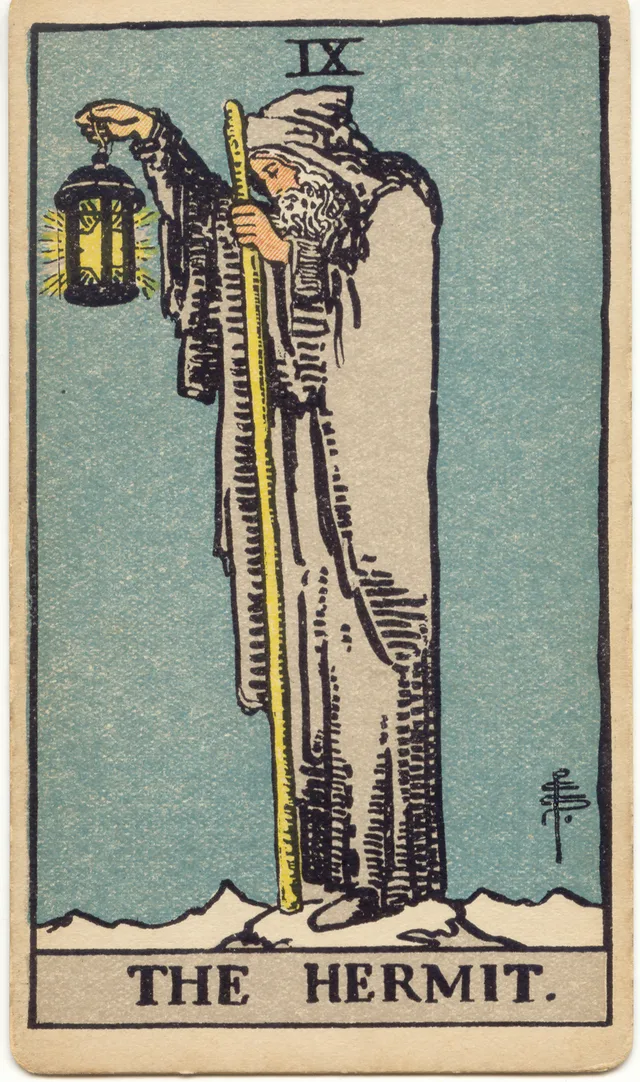
The Hermit
The Hermit focuses on patient examination, while the Knight of Pentacles focuses on repeatable work and practical service. Together they invite a balance between reflection and implementation.
Read this card's meaning →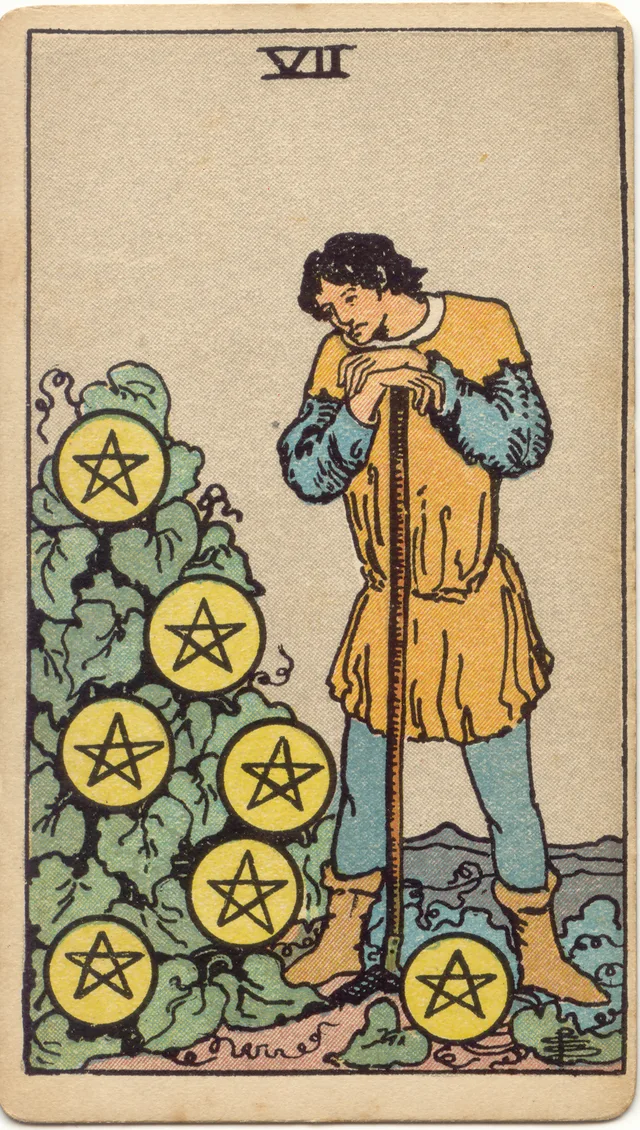
Seven of Pentacles
The Seven of Pentacles reviews effort and progress, while the Knight of Pentacles represents the routine that produces and maintains that effort. The pairing supports a check on both work and results.
Read this card's meaning →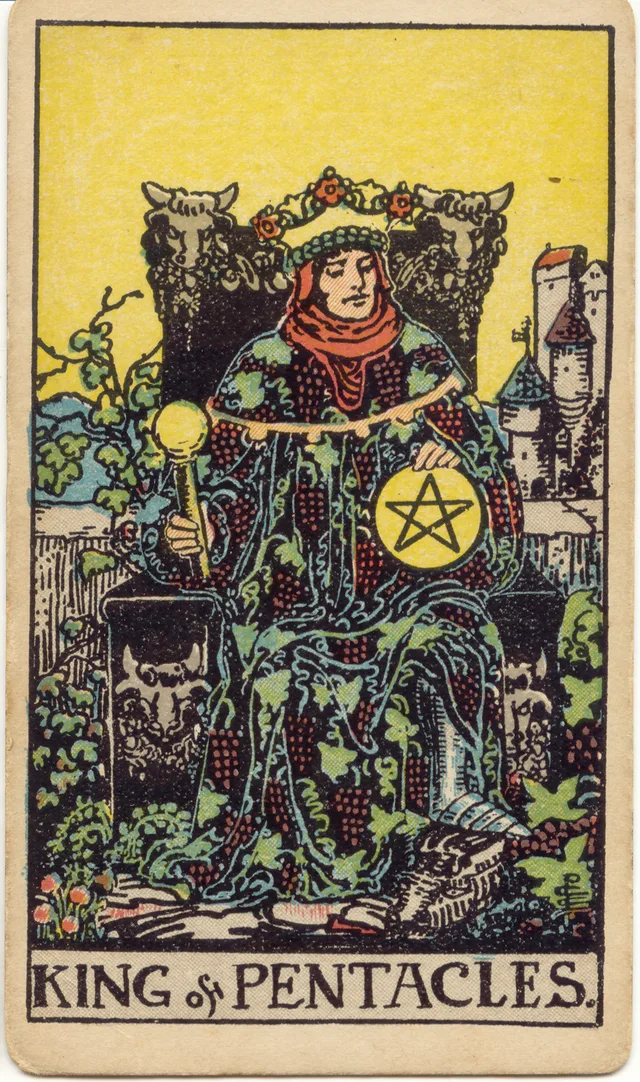
King of Pentacles
The Knight of Pentacles focuses on reliable process; the King of Pentacles broadens that work into stewardship of people and resources. The pairing invites questions about scope, responsibility and accumulated experience.
Read this card's meaning →