The Fool Tarot Card Meaning
The Fool represents beginnings, curiosity, and learning through experience. It can prompt you to identify a small, reversible first step in a job, relationship, move, or idea, but it cannot prove that an opportunity exists or that risk is harmless. Check the information, support, and consequences before choosing how to begin.

What's pictured on the card
A young figure stands at the edge of a cliff in a bright tunic patterned with flowers, a white rose held loosely in one hand and a small bundle tied to a stick over the shoulder. A little white dog leaps at their heels, and the sun blazes gold behind them. The white rose stands for pure intention, the dog for loyal instinct, and the whole scene for that open-hearted moment right before a leap.
The Fool upright: the core meaning
Today, the Fool steps off the cliff edge with his little dog and a light pack, and that's your invitation too. Something new is asking for a first step before you feel completely ready. Say yes to the fresh start, and trust that the ground will meet your foot as you go.
Underneath the excitement, there may be a flutter you keep calling nerves. You’re hovering on the edge of something untried, and part of you keeps asking if you’re even allowed to want it. That mix of thrill and hesitation isn't a warning sign, it's simply what the edge of anything new feels like. The readiness you're waiting for tends to arrive a step or two after you begin, not before.
Consider where you could make today lighter than planned. If a fresh idea, message, or small chance appears, you can meet it with curiosity without treating the card as a command to take a major risk. At work, try the task that interests you and allow an imperfect first attempt. In love, consider saying the honest thing before smoothing it over. With money, keep any experiment small and reversible. If family or old habits question the choice, weigh their concerns alongside your own priorities. Rest without judging the day only by its productivity.
Three simple ways to work with this card
- Take one small step towards the thing you keep daydreaming about, send the email, book the trial, ask the question today.
- Jot down what you'd happily try this week if you knew a wobble wouldn't mean you'd failed at it.
- Leave a little room in your schedule for something unplanned, and follow whatever spark of curiosity actually shows up.
What would you begin today if you trusted yourself to figure out the rest as you go?
Every symbol, explained
The number nought. The Fool is numbered zero while the other major arcana cards have places in the sequence. Zero can represent an open beginning or a position outside the count. Some traditions also place the Fool at both the start and end of the journey through all twenty-one cards, which invites reflection on learning and fresh starts rather than predicting a cycle.
The eagle's head on the satchel. The bundle over his shoulder bears an eagle's head. An eagle can symbolise perspective or vision, while the closed bundle suggests knowledge that has not yet been examined. The image cannot establish how much experience a person has; it can prompt a reminder to open the relevant information before acting.
The red feather and the laurel wreath. A scarlet feather rises from his hair, and a laurel wreath sits on his head. Red can suggest energy, while a laurel wreath traditionally relates to achievement, but wearing it before an accomplishment can also raise questions about confidence and expectation. The symbols do not prove that success is coming.
The yellow sky and the white peaks. A bright yellow sky sits behind snow-topped mountains. The contrast places an open, energetic foreground beside difficult terrain that is not yet explored. His yellow boots can suggest preparation without proving that the step is safe. Before a real beginning, check conditions, information, and support.
Uranus, and the air that holds him up. Some traditions associate the Fool with Uranus and the element of air, linking the card with novelty, independence, and unexpected ideas. Those correspondences can support reflection on a new possibility, but they cannot confirm that an offer or message exists. Check the source and terms of any opportunity.
The upright meaning, in detail
The Fool can explore beginning before every detail is known, while still distinguishing uncertainty from avoidable risk. A small experiment may provide information and confidence, but the card cannot establish that a step is safe or worthwhile. Define what you will test, what it costs, and how you can stop.
The image may evoke both excitement and uncertainty. In twenty-five thousand readings, I have found that the response can help a reader name a possible beginning, but it does not reveal which choice to make or whether age, cost, and other people's reactions should decide it. Write down the actual options and consequences.
The Fool is not a promise that a venture will succeed and not an instruction to discard a stable life. Zero can suggest a small first step, such as a trial class or first conversation, but the appropriate scale depends on resources and consequences. The name is not a judgement about intelligence.
The reversed meaning
One reversed theme is prolonged preparation: research, courses, or saving that never becomes a defined experiment. Preparation can be responsible, so check the real information needed, the cost of waiting, and a review date rather than labelling caution as avoidance.
A second theme is acting without sufficient preparation: resigning in anger, sending money after an unverified tip, or announcing a move before checking costs. Speed is not proof of courage or danger. Pause, verify sources, calculate consequences, and seek advice for high-stakes choices.
A third theme is misplaced trust: relying on someone who has not shown they can handle the responsibility or failing to inspect information. The card cannot identify a dishonest person. Check credentials, written terms, references, and the ability to reverse the decision.
Read the reversal as a comparison between preparation and delay. If someone has already committed money or notice, review safeguards, support, and exit options. If an idea has remained pending for years, identify the missing information and set a realistic experiment. Position can suggest a topic, not a verdict about the past or outcome.
In love & relationships
If you're single, the Fool can prompt openness to people outside a familiar dating pattern and to conversations that begin simply. Novelty or amusement does not establish compatibility. State your needs, check consent and conduct, and avoid treating the card as evidence that a person is suitable.
In an established relationship, the Fool can invite a mutually agreed new activity or a fresh conversation. Do not assume that boredom means a relationship should end or that novelty will repair conflict. Check both people's interest, capacity, and boundaries.
A hard conversation may concern an undefined relationship or different expectations about commitment. Ask directly what each person wants, what has been agreed, and what remains open. The card cannot establish another person's motives or readiness.
The same open-hearted energy cuts both ways depending on what you do with it.
- Saying the plain thing before you’ve made it sound casual
- Dating outside your usual template, the wrong-on-paper one
- Beginning something new together rather than replaying the good old days
- Forgiving without keeping the receipt
- Mistaking novelty for compatibility six weeks in
- Leaving things undefined because defining them might end them
- Blowing up a solid partnership for the feeling of a fresh start
- Ignoring what a friend told you in month one
Career
On a job hunt, the Fool can prompt an application to a role that is a partial match or a sideways move into a new field. Do not misrepresent skills or ignore essential requirements. Compare the role, pay, training, stability, and consequences before applying or accepting.
In the workplace, asking a basic question can reveal assumptions or missing information, though the card cannot establish that a question is valuable or that colleagues will welcome it. Ask respectfully, record what you learn, and use your position and workplace context to judge when to challenge a process.
For leaving a job, the Fool can represent an exploratory step: an enquiry, conversation, or small side project before resigning. If leaving immediately, review notice, finances, health, immigration, and support. Anger does not prove that quitting is wrong, and calm does not prove it is right.
Money
For money, the Fool can prompt a small, reversible test rather than a commitment that threatens essential costs. A course, venture, or investment should be assessed for fees, risk, liquidity, debt, and the possibility of loss. Do not use the card to approve money attached to housing or other essentials.
For spending and saving, review whether caution, goals, and current needs are balanced. Name the purpose of a fund, such as travel, retraining, or a deposit, while retaining enough for obligations and emergencies. The card cannot decide how much to save or spend.
For debt, test repayment plans against delayed or lower income and read all terms before borrowing. For a windfall, check tax, debts, essential costs, and long-term needs before spending; enjoyment can be included if it fits the verified plan. A card cannot identify an appropriate risk level.
Health & wellbeing
The Fool is sometimes associated with air, but that symbolism cannot diagnose breathing, anxiety, energy, or other health concerns. If you feel scattered across many new starts, use a practical list and choose a manageable priority. Persistent symptoms need appropriate clinical care.
For habits, a small accessible first step can lower the barrier to starting: a short walk, beginner class, or simple meal. Match activity and food choices to your health and needs. If your body concerns you, seek clinical advice; the card cannot bless or assess a treatment.
Life events & big decisions
For a move, the Fool can prompt a visit, trial stay, or other reversible information-gathering step. Check housing, work, immigration, finances, health, transport, care, and support in ordinary conditions. The card cannot endorse a relocation or label other people's concerns wrong.
Around weddings and commitments, the Fool can invite an honest discussion about choosing without complete certainty. It does not prove readiness or ask anyone to ignore concerns. Review consent, expectations, finances, legal terms, and the support needed for the commitment.
After bereavement, divorce, redundancy, or another loss, zero can provide a language for a period when old plans no longer fit and new plans are not ready. It does not require calling the event an opportunity or predict when life will feel different. Focus on support, immediate needs, and one manageable next step.
Contracts, deals & signatures
The Fool can highlight enthusiasm or inexperience in a signing question, but it cannot assess a document or a person's state of mind. Read every clause, verify attachments and authority, and ask an independent adviser to review significant terms.
Some traditions associate the Fool with an early opening, but it cannot say that a deal is real or that paperwork is premature. A trial, pilot, rolling term, or break clause may reduce commitment, while exclusivity and long lock-ins need careful review. Check the actual document and advice.
In negotiation, a fresh perspective may help you ask basic questions, but inexperience can also leave gaps. Do not confuse goodwill with written terms. Record promises, check authority, and obtain advice when the commitment is significant.
Entrepreneurship & business
For starting a business, the Fool can support a small version-one test before investing heavily in branding or infrastructure. Check pricing, costs, quality, legal duties, and customer consent; one paying customer is feedback, not proof of a viable business. Set a budget and review point.
For growth, the Fool can prompt a controlled test of a price, market, offer, or boundary that has been discussed but not measured. Consider client impact, cash flow, capacity, and legal terms. Do not change a working model simply for novelty, and do not treat experimentation as proof of opportunity.
For hiring, consider transferable skills and learning capacity alongside essential qualifications, pay, support, and fair process. For risk, define a small stake, maximum loss, safeguards, and review date. Never risk essential resources merely because a card depicts an open beginning.
How it shows up in real readings
The Fool can be read alongside practical cards as a prompt to balance curiosity with verification. With pentacles, count costs and resources before acting. Next to The Magician, review which tools and skills are actually available; beside The World, acknowledge what has been completed before beginning again; with The Sun, define what clarity and support would look like. None of these pairings proves an opportunity or guarantees a welcoming result.
A client once questioned the Fool in an outcome position because she was fifty-eight, three years from retirement, and felt her beginnings were finished. She described a house that was too large and a routine she no longer enjoyed. Eleven months later, she reported selling the house, moving to the coast, and taking a Tuesday pottery class. Her choices came from her circumstances and preferences; the card did not predict them.
What does The Fool mean in tarot?
What does The Fool reversed mean?
Is The Fool a yes or no card for love?
How soon do things happen with The Fool?
Why is The Fool numbered 0 instead of 1?
If the Fool has found you today, turn a large question into a small, reversible action: request information, attend a trial session, draft a message, or make a comparison. Check the consequences before committing; the drama in the picture is not evidence that a dramatic act is needed.
Pick the smallest version of the question you keep returning to, define what you will learn, and set a review date. If you want a reflective prompt while you decide, the free daily draw is there every morning; compare its themes with evidence, support, and consequences.
The Fool can reflect a new beginning and the uncertainty that comes with it, without telling you to leap. Identify what you can learn, what is reversible, and what preparation would make a first step safer.
Related cards and themes
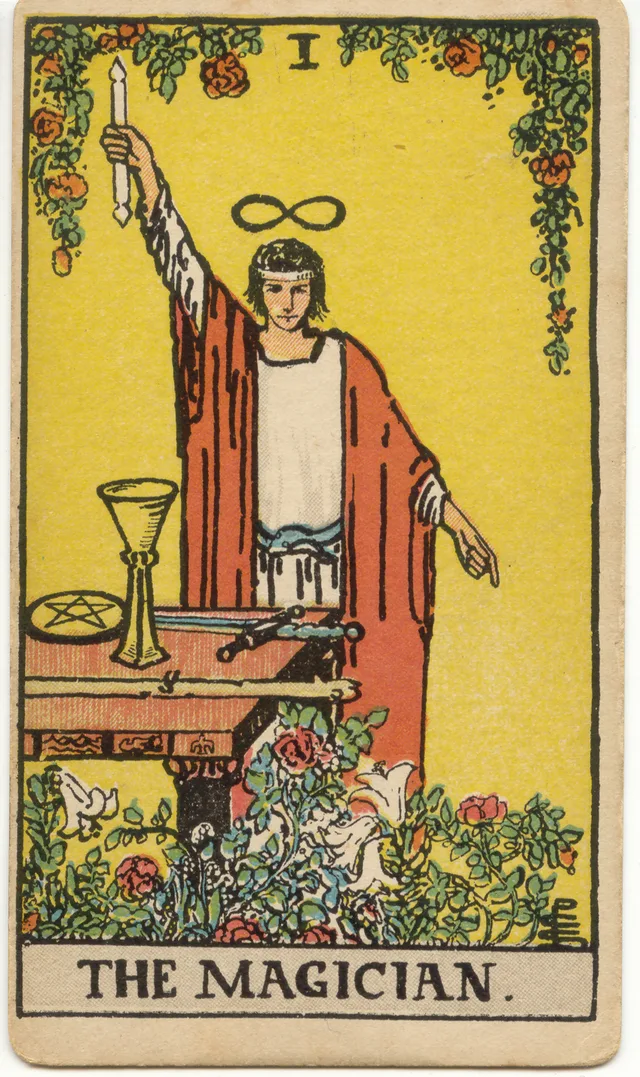
The Magician
Card I focuses on tools and intentional action; beside the Fool, it asks how curiosity can become a small, informed experiment.
Read this card's meaning →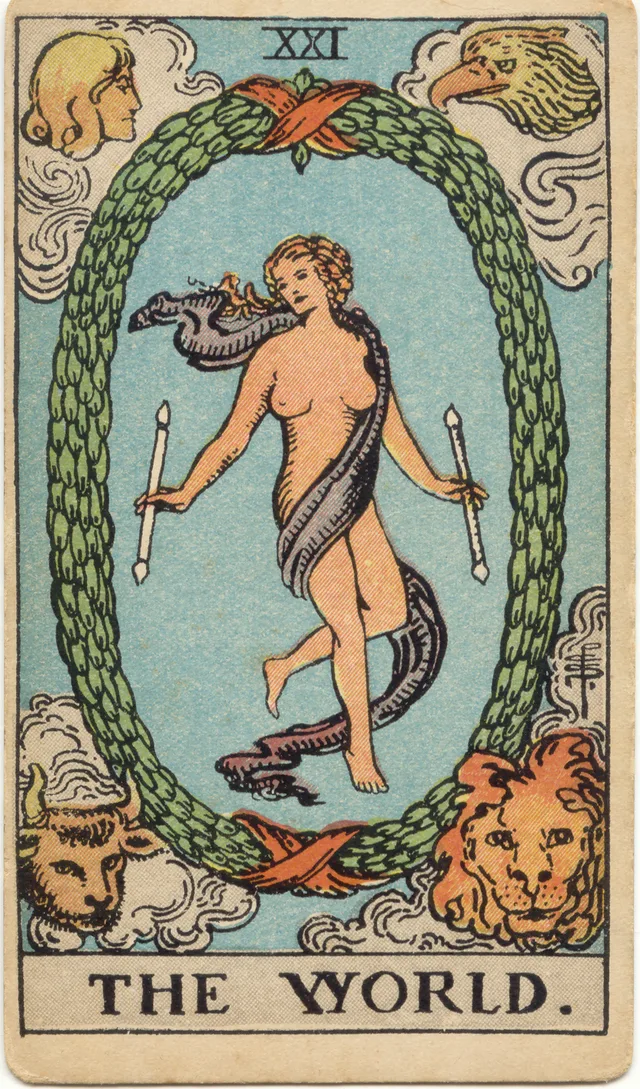
The World
Card XXI explores completion and integration; beside the Fool, it contrasts an open beginning with the evidence gathered at the end of a cycle.
Read this card's meaning →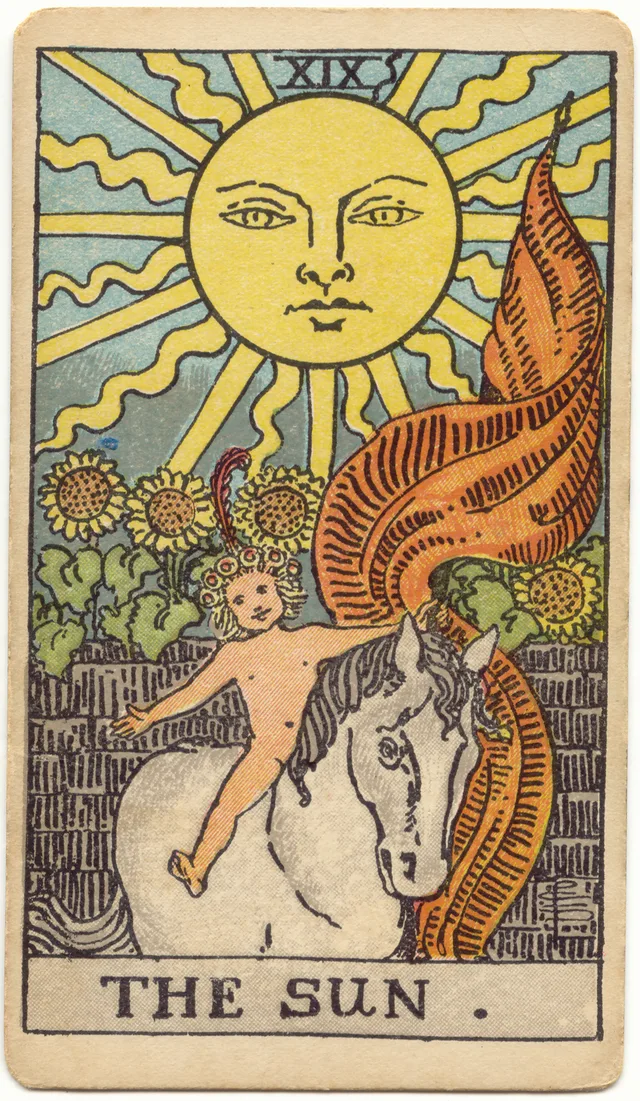
The Sun
The Sun explores clarity and vitality; beside the Fool, it can prompt questions about what information would make a beginning more visible.
Read this card's meaning →