Ace of Wands Tarot Card Meaning
The Ace of Wands uses a fresh green branch to represent initiative, creativity, and an early-stage idea. In a reading it can prompt you to test an invitation or project, but it does not prove that an opportunity exists or that urgency is wise. Define a small, reversible experiment and check your time, energy, and responsibilities before committing.

What's pictured on the card
A hand reaches out of a grey cloud, gripping a living wand that still sprouts fresh green leaves, a few drifting loose as they unfurl. Below, a river winds past a distant castle set on a hill, hinting at a life not yet built. The wand is raw potential, pure and a little wild, the first flicker of fire before it becomes anything at all. Nothing is decided yet; everything is still possible.
Ace of Wands upright: the core meaning
A single hand offers the Ace of Wands, a green shoot of a branch bursting with brand-new energy. Today a spark of inspiration is on offer, an idea, an urge to start, a burst of creative fire. Grab it while it's hot and put it into motion before it cools and slips away.
Underneath the excitement there may be a flutter of hesitation, that quiet worry that if you start, you might get it wrong, or that the spark will fade before you do anything with it. You could be waiting for permission, or for the perfect version of the plan to arrive first. That restlessness in your chest isn't impatience; it's your own energy asking, but insistently, to be let out into the world.
Use the Ace as a prompt for beginning rather than perfecting. If an idea keeps returning, choose one reversible step such as writing a sentence, making a call, or gathering information. At work, share a workable draft instead of polishing it indefinitely. In love, say a kind thing when the relationship makes room for it. With money, check the risk before acting boldly. Readiness may grow through practice, but the card cannot guarantee that an idea will last.
Three simple ways to work with this card
- Write down the idea that keeps returning, then do the smallest possible version of it before you go to bed tonight.
- Tell one trusted person what you're dreaming of starting, saying it aloud makes the spark feel real and possible.
- Clear twenty quiet minutes today with no phone, so a fresh idea has actual room to arrive and breathe.
What new spark of energy is asking you to act on it today?
What the image actually shows
The hand and the cloud. In the 1909 Waite-Smith painting, a single hand emerges from a grey cloud gripping a thick wooden wand. The cloud is the same setting used for all four Aces, presenting each suit as a concentrated possibility rather than as a reward earned by the reader. For Wands, the subject is initiative and creative work; the illustration does not show that an opportunity exists in your circumstances.
The sprouting leaves. The wand is not a dead staff. Fresh green shoots spiral off the bark, with some already falling loose. Readers often use this detail to discuss new creative work and the maintenance that living projects require. The leaves do not prove that an idea is viable or that it will fade; check resources, demand, and capacity.
The castle in the distance. Behind the hand, a river curves past a hilltop fortress. The castle gives the image a distant setting, but it is not a promised destination or a result of taking action. It can prompt questions about what a project would need to become more concrete, while the rest of the Wands sequence remains symbolic rather than predictive.
The orientation. The wand is held almost vertically, with no person or setting explaining what will happen next. It has not been planted, used as a weapon, or turned into a finished tool. The position can represent initiative that has not yet become a plan; it does not identify the right direction.
The suit of fire. Wands are traditionally associated with ambition, creative work, passion, and action. The Ace concentrates those themes in one object. When it appears, use the image to examine initiative and energy; it cannot show that a project is ready, urgent, or likely to succeed.
The upright Ace of Wands in full
When the Ace of Wands appears, a central theme is the wish to begin creative or active work. The card cannot prove that a new beginning is available, that conditions are right, or that a door has opened. Check the invitation, resources, deadlines, obligations, and alternatives before treating the impulse as a practical option.
The Ace does not promise that a project will succeed or give an instruction. It can help you discuss an inspiration and design a small, reversible experiment instead of leaving the idea abstract. I often use it with people who are unsure whether to test an idea; the experiment should be judged by cost, evidence, safety, and capacity rather than by the card.
Urgency is a question, not a conclusion. A project may have a deadline, changing conditions, or no need for immediate action; the Ace cannot set that timing. If a verified opportunity is worth exploring, choose one concrete and reversible step—such as drafting a sentence or requesting information—after checking your schedule and responsibilities.
The Ace is not a full plan, and it does not determine how much planning a situation needs. A small test can be useful for a low-risk idea, while a legal, financial, or safety-sensitive decision needs deeper preparation. Match planning to the possible cost rather than treating the wand as permission to rush.
The reversed meaning
Reversed, the Ace of Wands can frame a creative or active idea that feels difficult to begin. The obstacle may involve time, money, information, fear of evaluation, perfectionism, or another circumstance; the card cannot diagnose which. Name the specific obstacle and look for evidence before deciding whether a test is appropriate.
A second reading is the false start: something began enthusiastically and then stalled. That experience can provide information, but the card cannot establish that the direction was wrong. Review what was tested, what the results showed, what resources remain, and whether continuing, changing, or stopping fits the facts.
There is also a depletion theme: creative work may feel harder after sustained effort. The card cannot diagnose burnout or prescribe rest, but it can support a review of workload, symptoms, recovery time, and support. A qualified practitioner or workplace professional may be appropriate when function or health is affected.
It can also frame a mismatch between an idea and current conditions, such as budget, season, team, or available time. The card cannot establish that the idea is sound or that a pause is temporary. Prepare only when the evidence and responsibilities support continuing, and keep stopping as a valid option.
In practice, surrounding cards may help a reader compare blocked effort, an unfinished experiment, or depletion as possible themes. Context does not establish a diagnosis or outcome; the reader's account, practical facts, and appropriate support carry more weight than a fixed reversal rule.
In love & relationships
If you're single, the Ace of Wands can put desire, confidence, and initiative into a conversation about dating. It does not prove that a partner is nearby or that someone will respond to your interest. Stay open only in ways that respect your boundaries, and use actual communication and behaviour to assess a new connection.
In an established relationship it can frame a wish for shared activity, renewed desire, or a conversation about a change such as moving in or planning a trip. The card cannot show that desire is mutual or that a new phase will suit both people. Discuss consent, timing, cost, and responsibilities before acting.
One useful caution is that early excitement is only one part of a decision. The wider Wands sequence is a symbolic way to discuss effort, conflict, and development; it cannot predict those stages. Enjoy enthusiasm while checking compatibility, red flags, costs, and long-term responsibilities.
A new desire or idea can be worth examining; the practical question is whether it fits your boundaries, evidence, and responsibilities.
- A new attraction that both people can discuss openly
- A conversation about renewing closeness in a relationship
- The courage to say what you actually want from love
- A shared project or adventure that reignites connection
- Mistaking the initial fire for sustainable compatibility
- Letting excitement override judgment about red flags
- Starting something new before closing what's still unfinished
- Expecting the spark to last without feeding it
Career
At work, the Ace of Wands can focus attention on a new role, pitch, idea, or side project. It is not a green light and cannot show that a proposal will be accepted or that now is the right moment. Check the brief, decision-maker, resources, workload, deadlines, and workplace policy before proposing anything.
It can also support reflection when someone has not identified what to pursue next. A small curiosity or hobby may be worth researching, but the card cannot identify the right career or show that a hobby should become paid work. Compare interests, skills, training requirements, income, and capacity.
For creative work, the Ace can represent a blank page, a new commission, or a persistent concept. It cannot assess the quality or future reception of the work. Define the brief, make a small draft, and use feedback rather than waiting for the card to certify inspiration.
Money
The Ace of Wands isn't primarily a money card, but it can frame the initiative involved in testing a freelance service, side business, or paid creative project. It does not show that an income stream exists or that money will follow. Record expected income, costs, tax duties, and affordability before treating a small beginning as viable.
On spending, it can frame an investment in a course, tools, or creative project. The image reflects an energised impulse, not affordability or a recommendation. Compare the total cost, likely benefit, cancellation terms, and financial downside with a realistic budget and qualified advice where needed.
Health & wellbeing
The Ace of Wands can put activity, desire, and physical energy into a wellbeing discussion. It cannot show that energy is returning or explain fatigue, illness, or recovery. If you notice a change in symptoms or capacity, use medical advice and your own observations rather than the card to decide what needs attention.
For wellbeing in general, it can prompt reflection on a new exercise routine, training plan, or creative activity. It cannot prescribe movement or show that exertion is appropriate. Consider symptoms, medical guidance, accessibility, and recovery needs before choosing an activity.
Life events & big decisions
The Ace of Wands around a major decision can raise the tension between taking a first step and continuing to gather information. It cannot establish that hesitation is avoidance or that the beginning phase is available. For a move, career change, or new direction, compare evidence, capacity, reversibility, cost, and support before choosing a limited next step.
It can also frame a decision becoming more concrete through a conversation, document, or verified offer. Those documents—not the card—show whether the change is real and what it requires. Review the details before deciding whether to proceed.
If the decision is about a creative or entrepreneurial risk, the Ace foregrounds excitement and initiative. It cannot establish that the impulse is sound or worth funding. Test demand, affordability, downside and the advice appropriate to the stakes.
Contracts, deals & signatures
The Ace of Wands beside a contract can frame a new agreement in an early form: heads of terms, a letter of intent, or an opening conversation. Enthusiasm can make details easy to skip, so list obligations, payment, ownership, deadlines, and exit terms before treating the discussion as a commitment.
In negotiation, the Wands association can prompt discussion of confidence and initiative. It cannot show that you have leverage or that a request will be accepted. Check the other party's authority, the power balance, written evidence, and the consequences of proceeding.
For signing, the Ace symbolises a beginning but gives no verdict on a new agreement. Define each stage, obligations and exit terms in writing, and use qualified review where appropriate before deciding.
Entrepreneurship & business
For founders, the Ace can symbolise an idea, early conversation, registration, or first customer as stages of a venture. It cannot show that an idea has demand or viability. Customer evidence, finances, legal duties, capacity, and risk provide that assessment.
For established owners, it can frame a product line, pivot, or new market as a proposal to test. The card cannot show that a chapter is beginning, direct action today, or promise that next steps will appear. Test demand, cost, capacity, and obligations.
The contrast between fire and earth can help distinguish enthusiasm from resources. The card cannot assess runway or tell a business to launch. Budgets, staffing, customer evidence, and obligations determine sustainability.
How it shows up in real readings
Beside The Magician, the Ace can put initiative and available skills into the same discussion; alongside The Star, beginnings and hope; near The Hanged Man, beginnings and pause. None provides a yes/no answer, certifies skill, or sets the timing for action.
I often use the Ace of Wands with people waiting for permission or a guarantee of success. It offers neither. If someone has researched a business idea for months, useful questions include what evidence is missing, what a limited test would cost, and what would make stopping sensible. The card cannot certify the impulse, timing, or obstacle.
What does the Ace of Wands mean in tarot?
What does the Ace of Wands reversed mean?
Is the Ace of Wands a yes or no card?
What does the Ace of Wands mean for love?
How quickly does the Ace of Wands manifest?
If the Ace of Wands has turned up today, identify the idea or activity you want to examine and choose the smallest proportionate first step. That might mean writing a sentence, requesting information, or checking a cost. There is no need to treat the image as a deadline; use actual timing and responsibilities.
And if you'd like a short daily reflection, the free daily draw is there every morning. It takes under two minutes and can provide another prompt for noticing your energy; it does not provide specific information about an opportunity, timing, or readiness.
The Ace of Wands can reflect the excitement of beginning without telling you where it leads. Let the spark prompt a small, deliberate experiment, then assess its cost, evidence, and overall effect.
Related cards and themes
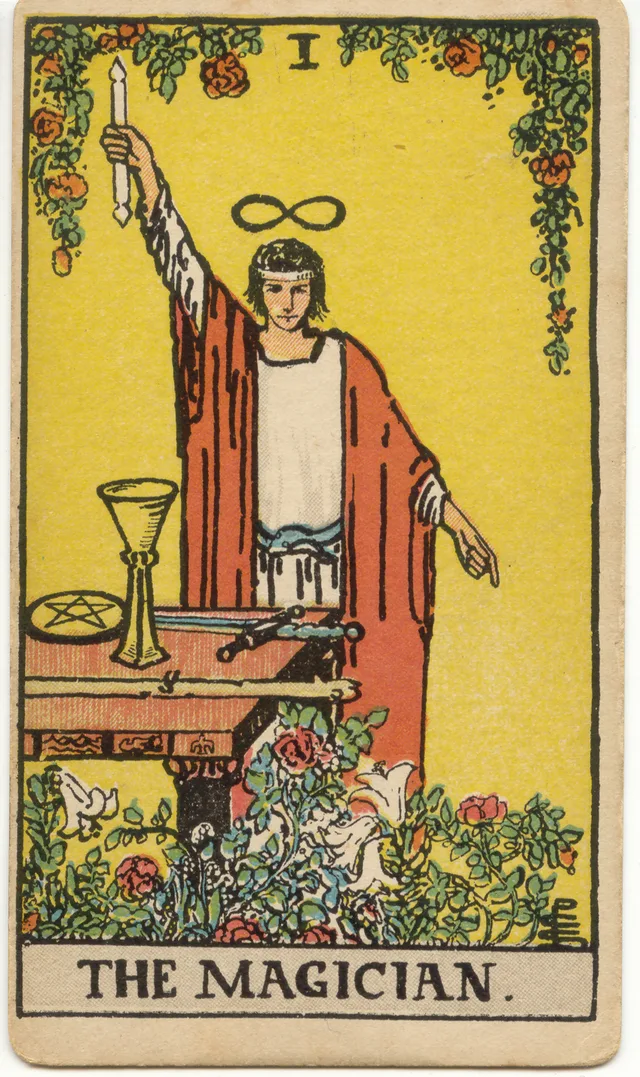
The Magician
The Magician adds themes of skill and deliberate action to the Ace's creative initiative; neither card establishes ability or results.
Read this card's meaning →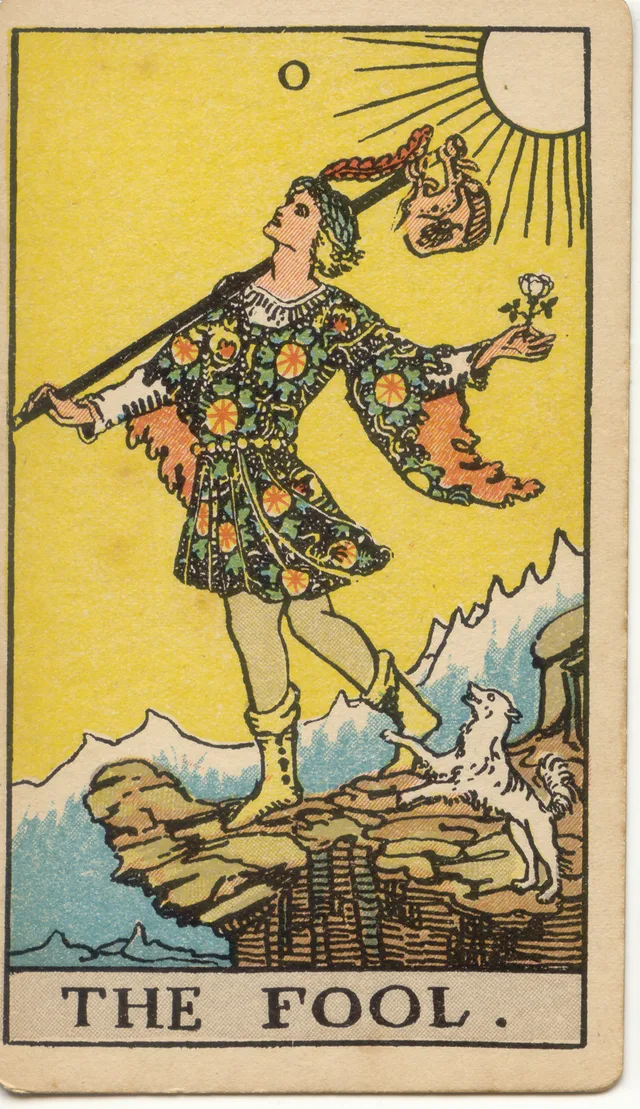
The Fool
The Fool also raises beginnings and risk, so the pair can prompt a review of first steps without telling anyone to leap or trust blindly.
Read this card's meaning →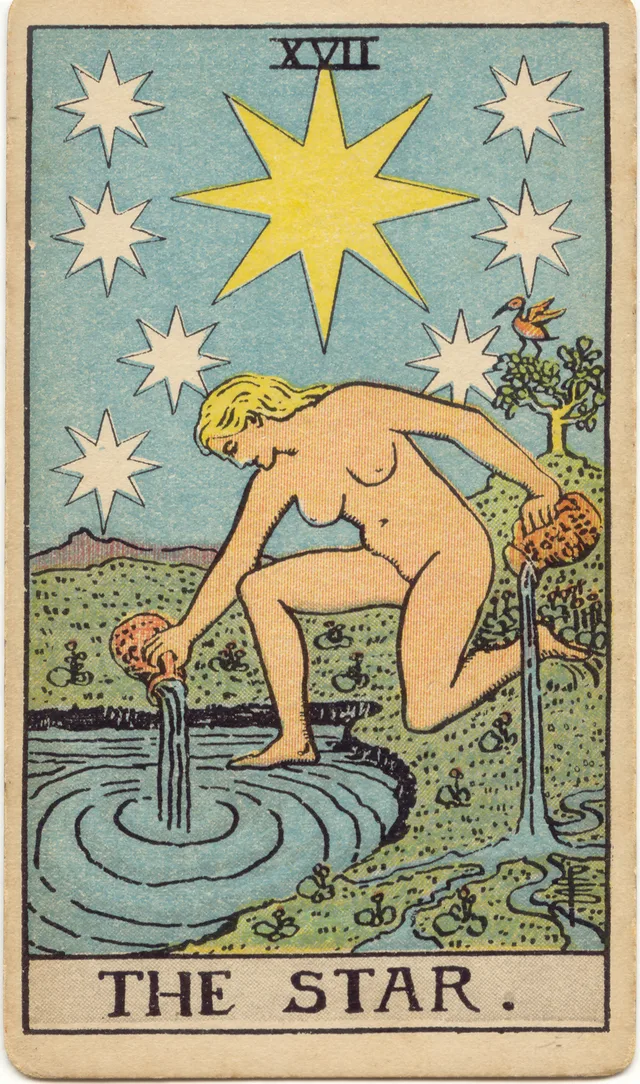
The Star
The Star adds long-term hope to the Ace's early creative energy; the pair cannot show that enthusiasm will last or a project will succeed.
Read this card's meaning →