Six of Wands Tarot Card Meaning
The Six of Wands depicts a rider receiving public recognition, an image of achievement, confidence, and the social response to effort. It can prompt you to acknowledge work that matters and receive fair credit, but it cannot guarantee a win or establish that others will approve. Check the outcome, contribution, and standards by which success is being measured.

What's pictured on the card
A rider sits tall on a white horse, a laurel wreath crowning both their head and their upraised wand. Around them a crowd walks alongside, lifting their own staves in celebration. The horse is draped in decorated cloth, and the mood is triumphant but dignified rather than boastful. This is the picture of a homecoming victory, someone returning acknowledged and appreciated, carried forward by the goodwill of people clearly pleased to see them succeed.
Six of Wands upright: the core meaning
The Six of Wands shows a rider returning crowned with laurel as the crowd cheers them home. Today recognition and a well-earned win are within reach, a moment where your effort is finally seen. Hold your head up and accept the praise without shrinking from it. You've worked for this; let yourself feel proud.
You might be hungry to be seen, to have your effort noticed rather than taken for granted. And yet when praise actually arrives, there can be an odd flicker of discomfort, a reflex to downplay it or hand the credit elsewhere. Perhaps a part of you worries about seeming proud. Beneath that is a simple, worthy wish to matter and to know your work counted. Letting that in, just for today, isn't arrogance, it's long overdue.
Today can prompt you to stand a little taller. If recognition comes your way, receive it with a plain 'thank you' while checking that credit is fair. At work, let a genuine contribution be visible. In love, allow appreciation without immediately listing your flaws. If you are pursuing a goal, use confidence alongside evidence and feedback rather than assuming it will change other people's response. Share credit where it is due without erasing your part.
Three simple ways to work with this card
- When someone praises you today, simply say thank you and let it land, without adding a single disclaimer.
- Write down one recent win you brushed past too quickly, and let yourself feel properly proud of it.
- Walk into your next challenge picturing it already going well, quiet confidence changes how the room receives you.
Where could you let yourself accept recognition instead of brushing it off today?
The Waite-Smith image in detail
The rider on the white horse. The central figure sits tall on a white horse. The upright posture and light-coloured horse create a clear public image of confidence and arrival, but they cannot establish that the result was earned cleanly or that the rider feels at ease. In a reading, compare presentation with documented contribution.
The laurel wreath. Two laurel wreaths appear: one on the rider's head and one crowning the raised wand. Laurel traditionally symbolises victory, so the details frame personal and public recognition. They do not prove that a real-life achievement occurred, that credit was allocated fairly or that satisfaction followed.
The crowd with their own wands. People surround the rider with wands raised. They may represent witnesses, colleagues, supporters or a public audience, but the image cannot establish that they participated or agree with the rider. The detail invites questions about shared credit, audience and who is visible in a success story.
The decorated horse cloth. The horse is draped in ceremonial cloth, giving the scene the appearance of a procession rather than a contest. It can frame public presentation after a period of effort, but it does not show that the struggle is over or that circumstances have settled in the rider's favour.
The number six. In tarot traditions, sixes can be read as attempts to restore balance after the disruption of fives. In Wands, that may frame effort, visibility and social acknowledgement. The number does not guarantee harmony, recognition or a particular result.
The upright Six of Wands in full
The Six of Wands explores recognition, visibility and the social response to effort. It can prompt a review of a promotion, proposal, pitch, creative project or other achievement, but the card cannot show that an outcome has been confirmed or that an audience will approve. Look for written decisions, results and clear criteria.
The image also raises the question of how recognition is received. The rider's posture is open and public, which can prompt reflection on accepting credit without exaggerating it or deflecting it. Separate internal confidence from an audience's response, and check whether collaborators, limits and evidence are being acknowledged too.
What the Six is not saying: this is not evidence of effortless success, unearned praise or legitimate credit. The rider and crowd are part of a symbolic scene. In real life, compare the achievement with agreed standards, documented contribution, collaborators' work and the audience's actual response.
The reversed meaning
Reversed, the Six of Wands can frame recognition that is absent, delayed, disputed or emotionally unsatisfying. The result may be unclear, the credit may be uneven or the goal may not address the need behind it. Check the actual decision, contribution and expectations rather than assuming an achievement is real or merely delayed.
A second reading is confidence that depends heavily on being seen. The reversal can prompt questions about external validation, private standards and what remains meaningful without applause. It cannot diagnose a person's self-worth or explain why confidence changes.
There is also a misrouted version: acknowledgement is offered but is dismissed, minimised or redirected. Ask whether modesty, workplace culture or fear is affecting credit. A public setback or loss of status is another possible theme, but the card cannot establish reputational harm; check the actual feedback and records.
In practice, cards about self-worth may make validation and credit useful themes; relationship or community cards may make audience and shared recognition relevant; public-work cards may prompt review of feedback and reputation. Context shapes the questions, not a fixed prediction.
In love & relationships
In a love reading, the Six of Wands can prompt reflection on being seen and appreciated by a partner. Look at specific behaviours: listening, acknowledgement, shared credit and response to boundaries. The image cannot establish that appreciation is genuine or that a relationship is secure.
It can also frame public acknowledgement of a relationship, such as an announcement, engagement or gathering. Visibility may be welcome for some people and unsafe or unwanted for others. Discuss privacy, consent and expectations rather than treating the crowd as approval.
For single people, the Six can frame confidence, visibility and the wish to be appreciated. It cannot show how others see you or declare that you are at your best. Notice which behaviours feel authentic, what attention you welcome and which boundaries protect you.
If a partner receives public attention, discuss how celebrations, photographs and announcements affect both people. One person may enjoy an audience while the other prefers privacy. Shared recognition requires agreement about what is shared, who receives credit and how the relationship is represented.
Being seen and appreciated can matter in a relationship, but it requires consent, accurate credit and attention to both people's needs.
- Being genuinely seen and valued for exactly who you are
- A relationship whose public visibility is chosen by both people
- The confidence to be attractive at your fullest rather than a managed version
- A milestone that both people choose to acknowledge in an appropriate way
- Needing a partner's constant admiration to feel confident in yourself
- Performing a winning version of yourself rather than the actual one
- Moving from one conquest to the next without building something lasting
- Expecting a partner to be the audience for your achievements rather than a collaborator
Career
In a career context, the Six of Wands symbolises recognition: the hoped-for job, pitch, project or promotion. It cannot show that any outcome is successful or favourable. Applications, performance, decision-makers and written confirmation establish what has happened.
It also raises the theme of visibility. The rider and crowd can prompt questions about how work is presented and credited, but the card cannot tell someone to publicise it or predict a good reception. Audience response, workplace context and results provide that evidence.
A useful career review separates three things that are often blended together: the quality of the work, the credit attached to it and the audience's response. Save examples of results, keep a record of who contributed and ask how decisions are made. If recognition is missing, the next step might be a conversation, a portfolio update, a formal appeal or a change of workplace; the card cannot choose among them.
Money
In a money reading, the Six brings hoped-for recognition and return into view. It cannot predict a deal, salary or profit going the reader's way, nor show that return will match effort. Written terms, cash flow, market evidence and qualified financial advice where appropriate determine the outcome.
It can also symbolise reputation as an asset. The crowd does not prove quality, demand or future return. Track referrals, conversion, repeat work and the actual cost of reputation-building before deciding what to invest.
For personal finances, public success can create pressure to spend in public ways: a celebration, a larger home or a business expense chosen to look established. Separate the emotional value of marking an achievement from the affordability of the purchase. Check cash flow, debt, taxes and the need for an emergency reserve before treating recognition as a reason to increase commitments.
Health & wellbeing
In a health and wellbeing context, the Six of Wands can prompt attention to confidence, encouragement and the experience of being acknowledged after effort. A person may feel stronger or more capable, but the card cannot establish recovery or health status. Track symptoms and function and follow qualified advice.
More broadly, recognition can affect motivation and belonging. Notice whether your environment provides specific, respectful feedback, and ask for it when appropriate. The card cannot assess whether praise is deserved, safe or available; current relationships and workplace practices provide that information.
If a health milestone is being celebrated, record what changed and what support helped rather than assuming one good day proves a lasting improvement. A return to activity may need to be gradual, and confidence can coexist with limits. A clinician's assessment, symptoms and function are more useful guides than the rider's posture.
Life events & big decisions
The Six of Wands beside a significant decision can prompt review of confidence, credibility and visibility. A track record may be relevant, but the card cannot establish favourable conditions or entitlement. List the evidence, alternatives, limits and feedback before deciding how strongly to present a position.
Around graduations, awards and promotions, the Six can frame the difference between private effort and public acknowledgement. If a milestone is confirmed, receive it in a way that suits your privacy and values. If a decision involves a more visible role, review responsibilities, support, workload and actual readiness rather than treating the card as encouragement.
Contracts, deals & signatures
The Six of Wands beside a contract or negotiation can bring visibility, contribution and recognition into focus. It cannot suggest a favourable outcome, strong leverage or appropriate reward. Compare written terms with your work, alternatives, market information, risks and qualified advice.
You can present requirements clearly without exaggerating your position. Use documented results, contribution and capacity, and review the whole document even when the conversation feels positive. Confidence is not evidence that the terms are detailed, fair or suitable.
Entrepreneurship & business
For founders and business owners, the Six of Wands can frame public visibility: a client announcement, press mention, launch or customer response. Confirm the actual numbers, permissions, attribution and costs before calling it validation. Recognition may support a business, but the card cannot establish demand or future growth.
The Six also raises questions about how work is presented and who is credited. Promotion should be based on accurate claims, consent and capacity rather than a symbolic instruction to be louder. At a growth or fundraising stage, review investor questions, market response, runway and due diligence; the card cannot establish that fundamentals are strong or that funding is available.
Before announcing a business win, check the details that a parade can hide: the contract is signed, collection terms are recorded, delivery capacity has been checked and collaborators have agreed to the wording. A press mention may bring attention without bringing revenue. Treat visibility as information to evaluate, not as proof that the business should hire, borrow or expand.
The same check applies to a personal milestone. A certificate, award or public compliment can be meaningful while still leaving questions about workload, money, privacy and the next responsibility. Mark the achievement in a way that fits your resources, thank the people who contributed and decide separately whether any next step is actually wanted.
If recognition is disputed, keep the conversation specific. Ask which criterion was not met, what evidence was considered and whether there is an appeal or review route. Avoid turning a symbolic reading into a judgement about a manager, panel or audience; their documented process and decision are the facts to examine.
How it shows up in real readings
The Six of Wands beside The Chariot can raise themes of directed effort, visibility and recognition. Near The Sun, openness and public response become questions to examine, not an unconditional yes. With The Hermit, private work and public credit can be compared. None of these pairings proves success.
A common reading theme is difficulty accepting credit: a person immediately qualifies an achievement, points to collaborators or moves to the next task. The useful practice is to record the result accurately, name collaborators and allow appropriate satisfaction without turning the image into proof that the result is deserved. Pride and humility can coexist when the account is honest.
Recognition also has a social cost that is easy to miss. Public praise can bring extra requests, scrutiny or pressure to repeat a result. Decide which invitations to accept, protect private information and check whether a new responsibility comes with time, pay and authority. Being visible is not the same as being available for everything.
What does the Six of Wands mean in tarot?
What does the Six of Wands reversed mean?
Is the Six of Wands a yes or no card?
What does the Six of Wands mean for love?
How quickly does the Six of Wands timing tend to work?
If the Six of Wands has turned up in your reading, ask what work or progress deserves an accurate account. Name the result, the standard, the contributors and the feedback, including what remains unfinished. Recognition can be received without exaggerating certainty or erasing other people's work.
If you'd like a daily prompt for noticing effort and feedback, the free daily draw is there each morning. Keep the prompt alongside concrete records so recognition is based on what happened, not on what the picture appears to promise.
The Six of Wands can invite an honest look at recognition and achievement, not a verdict that you deserved a win. Receive praise if it fits, check the evidence, and decide how to use the attention; public results still require humility and work.
Related cards and themes
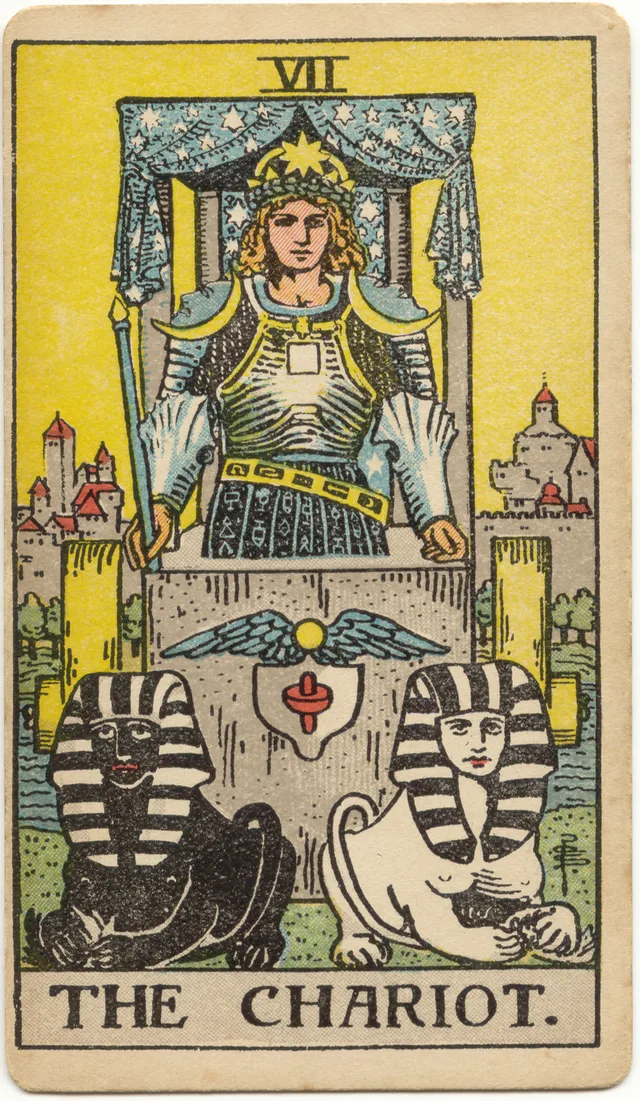
The Chariot
The Chariot examines directed effort and the Six of Wands examines recognition; together they invite a review of work, results and public response.
Read this card's meaning →
The Sun
The Sun explores openness and vitality, while the Six of Wands explores achievement, visibility and how recognition is received.
Read this card's meaning →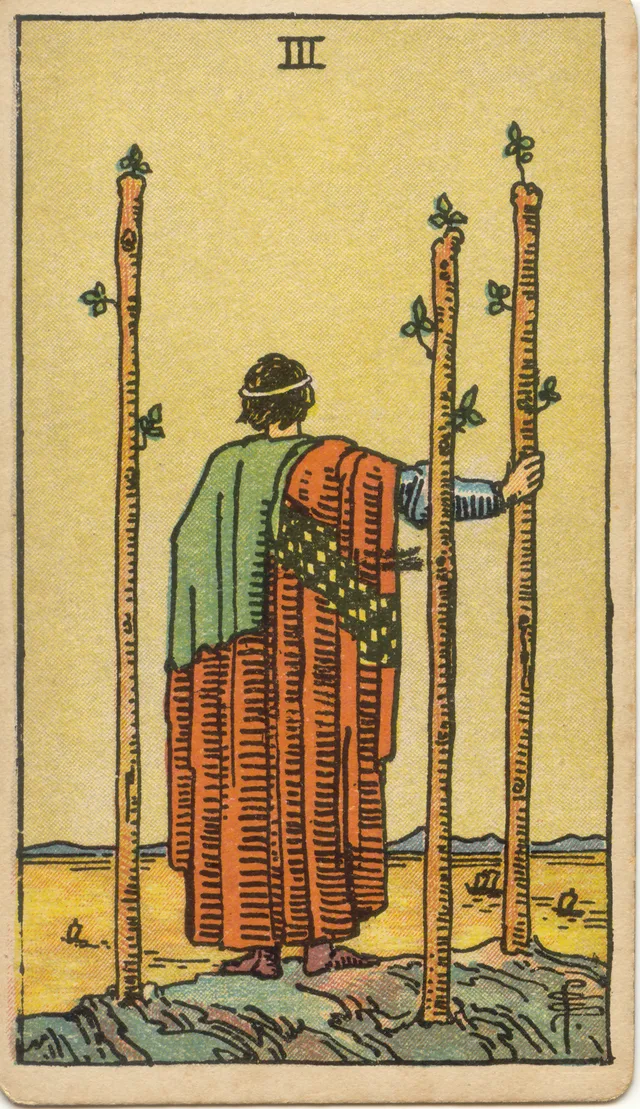
Three of Wands
The Three of Wands examines planning and expansion; the Six of Wands examines how completed work is presented and acknowledged.
Read this card's meaning →