Ace of Cups Tarot Card Meaning
The Ace of Cups uses an overflowing chalice to represent emotional openness, connection, creativity, and care. In a reading it can invite reflection on a new feeling or relationship, but it cannot prove that love, healing, or an offer is arriving. Notice what you actually feel, what the other person communicates, and what kind of openness feels safe.

What's pictured on the card
Out of a cloud, an open hand steadies a golden chalice with five streams pouring over its rim into a lily-strewn pool below. A white dove dips down, placing a small wafer into the cup, while droplets fall like grace all around. It is the image of a heart filled past the brim, love, spirit and feeling arriving faster than you can measure. Nothing here is earned or forced; it is simply offered.
Ace of Cups upright: the core meaning
A hand holds up the Ace of Cups, brimming over with water as a dove descends towards it. Today the heart is open and something tender is beginning, new love, deeper connection, or a wave of feeling worth welcoming. Let yourself feel it fully rather than guarding against it. An open cup is meant to be filled.
Underneath the ordinary tasks, there's a softness in you today that has been waiting for somewhere safe to land. Perhaps you have kept your feelings tidy and contained for a while, bracing rather than opening. What stirs now is the quiet longing to be moved by something, a person, a piece of music, your own tenderness. You may notice tears close to the surface, or a warmth you can't quite explain. That is your heart thawing, not overflowing carelessly.
Consider receiving as well as giving. If someone offers help, a compliment, or affection, you can accept it without immediately deflecting or repaying it. At work, try warmth alongside competence. In love, consider saying the tender thing you have been rehearsing, if the conversation feels safe and mutual. Where money worries tighten your chest, notice what is valuable without overlooking practical needs. Rest with one activity that feels restorative; openness is an option, not an obligation.
Three simple ways to work with this card
- Write down three feelings you've been swallowing this week, then pick one trusted person to share a single one with.
- When a kindness comes your way today, pause and simply say thank you instead of brushing it off or repaying it immediately.
- Set aside ten quiet minutes for something that fills you, a bath, a favourite song, a slow cup of tea.
What feeling are you ready to let flow instead of holding back today?
Every symbol in the image
The overflowing chalice. Five streams cascade over the rim of the golden cup and fall into the lily-strewn pool below. Some readers associate five with change, so they use the streams to discuss a feeling that is changing how someone sees a situation. The overflowing cup is a picture of strong emotion or creative energy, not evidence that a feeling has outgrown a particular boundary in your life. Ask what you can name and manage rather than assuming the image identifies an event.
The descending dove. A white dove dips its beak towards the cup bearing a small circular wafer, a detail associated with communion imagery. In a reading, some people use the dove to discuss spiritual feeling, trust, or a wish to receive care. The illustration does not establish that a higher power is responding, or that openness will be met safely. Let the symbol raise a question about belief without treating it as evidence.
The cloud and the offered hand. The hand appears from a cloud, as it does across all four Aces. In the deck's visual language, the gesture presents the suit's theme in a concentrated form; it does not certify a divine gift or remove the need for human choices. For Cups, that theme is emotional openness and care. Your boundaries, consent, and circumstances still determine what you accept or share.
The lily-covered pool. White lilies float across the water beneath the cup. Readers often connect the flowers with purity or renewal, while the pool provides a clear picture of receptivity: it receives the drops without showing where they came from. The scene can support reflection on how you hold emotion, but it cannot show that every feeling is healthy, welcome, or ready to be shared.
The letter W, or M. Inside the cup, a small symbol is often read as a W for water or as an upside-down M, depending on its orientation. Some readers compare it with the Hebrew letter Shin and discuss spirit or fire. No single reading is established by the mark. It is a useful reminder that a visible feeling can have layers that require conversation and context.
The upright Ace of Cups in detail
Aces are commonly used to discuss beginnings. The Ace of Cups focuses that idea on emotional life: a willingness to notice feeling, creativity, compassion, or spiritual interest. It describes a theme rather than proving that a new chapter has started. A reader can use it to ask what openness would mean in this situation, while lived experience and communication show what is actually changing.
What it is not saying is that a specific person is coming, a relationship is about to arrive, or a romantic dry spell will end. Aces are beginning imagery, not harvests. The soil and overflowing cup can represent emotional possibility; they cannot establish that conditions are good or a person is ready. Actual behaviour and circumstances provide that information.
At work it can frame a wish for a project that feels meaningful. In friendship it can invite an honest conversation or a discussion of what support looks like. The Cups suit covers feeling, and the Ace presents that symbolism in a concentrated form; it cannot prove that a bond, project, or offer is genuine.
Its practical invitation is to notice how feeling is managed. Instead of treating the cup as an instruction to disclose, identify what you want to share, what you want to keep private, and what support you would need. Boundaries, consent, and the other person's actual behaviour determine whether a conversation is safe or useful.
The reversed meaning
One reversal theme is the blocked cup: difficulty accessing love, enthusiasm or hope. The image cannot diagnose why. Hurt, stress, safety, temperament and many other factors may matter; the reflective question is what support and pace would feel appropriate.
A second pattern is feeling expressed before it has been processed. The reversed image can prompt questions about context, coping and support without labelling emotion as wasted or diagnosing behaviour.
A quieter version is numbness: the image of an empty rather than blocked cup. Tarot cannot distinguish stress, grief, depression or another cause. If loss of interest persists or affects daily life, qualified support matters more than the card.
Reversed beside practical cards, timing becomes a question rather than a verdict. The spread cannot prove that a feeling is real or the moment wrong. Communication, readiness, safety and practical circumstances answer that.
In love & relationships
If you're single, the Ace of Cups can focus reflection on your relationship with openness rather than on a promised person's arrival. You might be considering what availability, boundaries, and mutual interest mean after a guarded period. The card cannot establish that you are ready, that another person will notice a change, or that a connection will develop. Consistent behaviour, consent, and communication provide that information.
In an established relationship it can frame emotional repair, a meaningful conversation, or a decision to examine how each person is showing care. It can also help discuss a new phase such as moving in together, parenting, or trying again after a difficult period. The card cannot show that repair is possible or that both people want the same phase; direct conversation, consent, and observable effort matter.
Openness is an advantage when it's chosen; a vulnerability when it's forced.
- Receptivity that is chosen rather than performed
- Creative and tender conversation that goes somewhere new
- Curiosity about a person without projecting a story onto them
- A chance to discuss whether both people want deeper connection
- Projecting the perfect partner onto whoever's present
- Confusing the opening feeling with a guarantee of the relationship
- Reopening too fast after a loss, before the previous chapter has closed
- Offering the whole cup to someone who hasn't asked to receive it yet
Career
At work, the Ace of Cups can put meaning, care, and creative engagement on the agenda. It may help you ask which tasks hold your attention and which values you want your work to express; it cannot establish that a job is meaningful or that a project will develop as hoped. Use workload, feedback, goals, and your own sustained experience to assess the role.
It can also frame the human side of work: collaboration, mentoring, and the level of trust a team is trying to build. A reading cannot certify a colleague's motives or a team's safety. Check how people behave, how credit and feedback are handled, and whether workplace policies support the relationship you want.
Money
The Ace of Cups isn't primarily a money card, but it can invite reflection on values in earning and spending. Work that feels aligned may matter to you, yet the card cannot show that a change of direction will improve income or that meaning will arrive before financial stability. Compare pay, benefits, costs, risk, and capacity before changing work.
Practically, it can prompt questions about gifts, donations, or agreements involving goodwill. Warm feelings do not replace written terms or a budget. Where money is tight, list essentials, obligations, and affordable choices before deciding from either care or fear.
Health & wellbeing
In wellbeing readings, the Ace of Cups can be a prompt to discuss emotional support, therapy, or the wish to feel less overwhelmed. It cannot show that symptoms are improving, explain their cause, or assess a treatment. Qualified practitioners and your own reported experience provide that information. A symbolic reading can explore willingness to seek care without calling anyone healed.
For the body, the image can support reflection on rest, enjoyable movement, hydration, and nourishment. Water in the illustration is a visual symbol, not a treatment or a claim that baths, swimming, or tears will change a symptom. Use capacity, medical advice, and practical support to choose appropriate care.
Life events & big decisions
The Ace of Cups near a major decision can invite the question: what emotional response does this option bring, alongside what the written facts show? Feelings are relevant information, but they cannot answer whether a choice fits your finances, responsibilities, and longer-term needs. Include your needs while also checking evidence, reversibility, support, and consequences.
Around births, adoptions, new relationships, or another emotionally important beginning, the Ace can give language to hope and openness. It does not establish that a beginning is wanted by everyone, safe, or destined to last. Consent, preparation, support, and changing circumstances remain important when the situation becomes harder.
Contracts, deals & signatures
The Ace of Cups beside a contract can bring goodwill, care, or shared values into the discussion. It cannot verify anyone's intentions or assess a partnership, creative collaboration, or relationship agreement. Goodwill is a starting point, not a substitute for full, independent review of the terms.
A useful caution is that enthusiasm can run ahead of due diligence. Feeling warmly about someone may be important, while the contract still needs careful reading. Keep the human connection in the conversation and record obligations, payment, ownership, boundaries, and exit terms clearly. A qualified adviser can explain legal consequences.
Entrepreneurship & business
For someone starting a business, the Ace of Cups can frame genuine care for the problem a product or service is meant to address. Care may motivate revision, but it cannot establish demand, quality, or a viable plan. Test the customer need, price, costs, legal duties, and capacity before committing money or time.
For an existing venture, it can support a review of purpose, customer care, and the working relationships a business wants to build. A reading cannot establish trust or predict whether a client will become a collaborator. Check delivery, boundaries, payment history, written responsibilities, and the way people respond when the work becomes difficult.
How this card sits in real spreads
The Ace of Cups beside The Star can put hope, emotional support, and grief in the same conversation; it cannot show that healing is complete or that grief follows a schedule. Beside The High Priestess, the pair can frame private reflection or a feeling that has not yet been put into words, not hidden information. With The Lovers, it can focus on a relationship choice and the need for each person to have their own clear consent.
I often use the Ace of Cups with people who have been through a difficult ending and are asking how to relate to their feelings now. The card can provide language for readiness, support, or a wish to soften at a self-chosen pace; it cannot establish that recovery is underway or that a person should move beyond grief. We look at the loss, current support, and the reader's own account rather than using the card to set a timetable.
What does the Ace of Cups mean in tarot?
What does the Ace of Cups reversed mean?
Is the Ace of Cups a yes or no card?
Does the Ace of Cups mean love is coming?
What does the Ace of Cups mean for someone single?
If the Ace of Cups is in your spread today, notice what you may be keeping at a distance—a person, project, feeling, or hope. The card does not establish that sharing, accepting contact, or pursuing an idea is available, safe, or low-cost. Boundaries, consent, support, and circumstances determine what to let in.
The offered cup is an image, not proof that something is waiting to be received. If you'd like a daily reflective practice, the free daily draw is there every morning. Readiness is determined by the reader's circumstances and support, not when the Ace appears.
The Ace of Cups can invite reflection on willingness and readiness. The card cannot settle either question; answer from your circumstances and choices.
Related cards and themes

The Star
The Star also uses open, restorative imagery; the pair can frame hope and emotional openness without predicting healing or an outward result.
Read this card's meaning →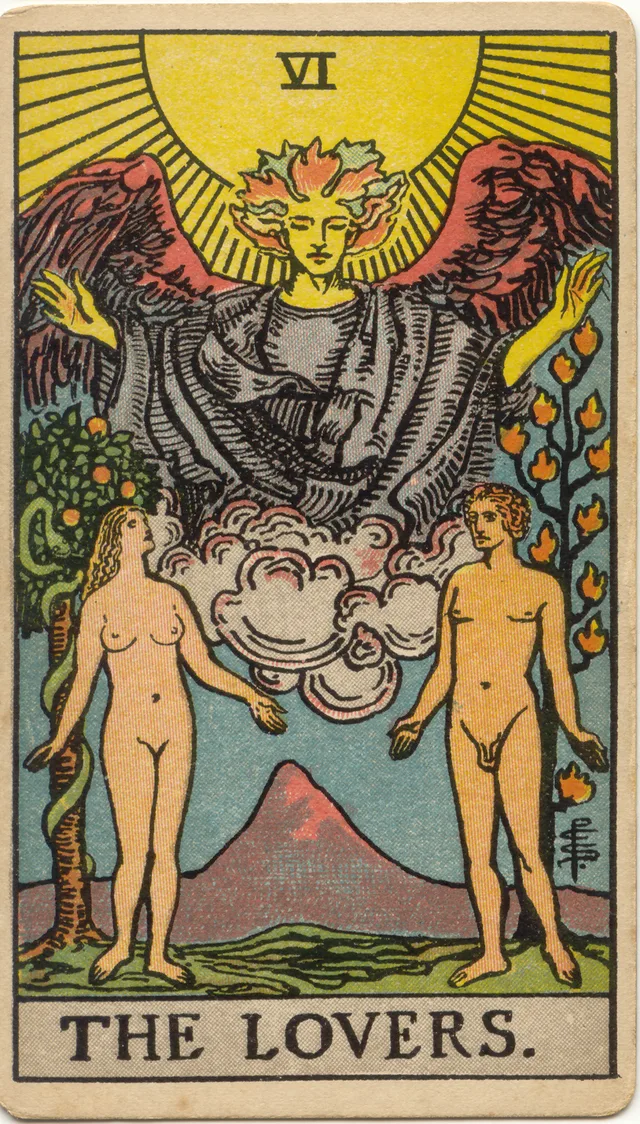
The Lovers
The Lovers can add a question about relationship choices and mutual consent to the Ace's theme of emotional openness.
Read this card's meaning →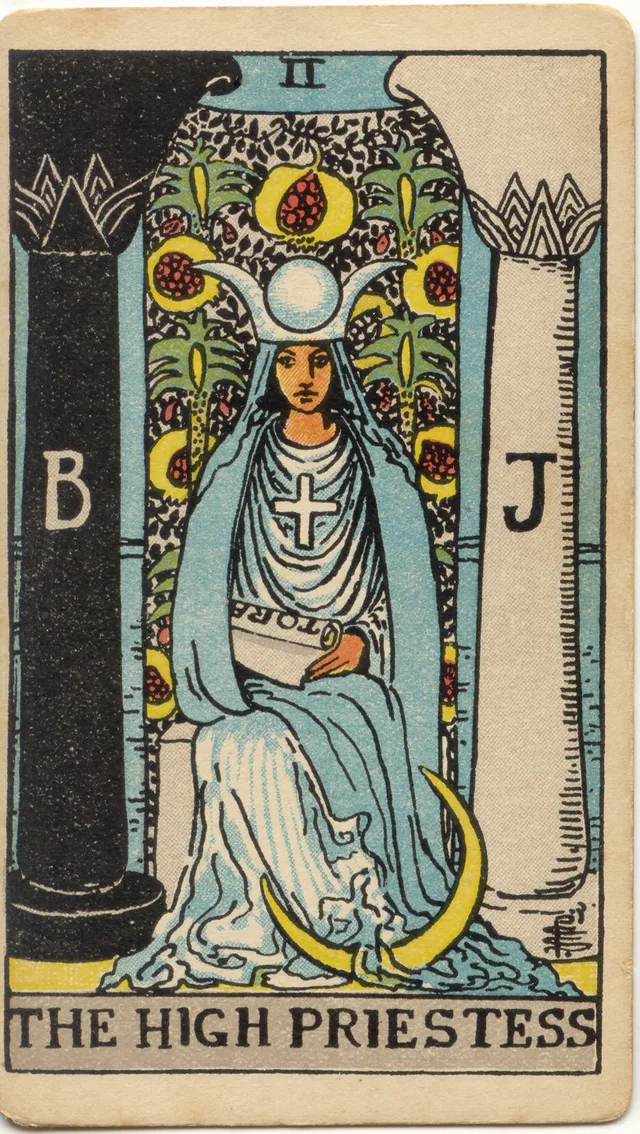
The High Priestess
The High Priestess can shift the Ace's emotional openness toward privacy, reflection, and information that still needs careful examination.
Read this card's meaning →