King of Wands Tarot Card Meaning
The King of Wands sits calmly with a wand, representing vision, initiative, experience, and responsible leadership. It can prompt you to turn a large idea into a clear next step while inviting other people's input. The card cannot prove that your plan will work or that you should lead; check capacity, consent, evidence, and accountability.

What's pictured on the card
The King of Wands sits on a throne decorated with lions and salamanders, holding a tall, sprouting wand with steady authority. His robes glow in fiery oranges and yellows, and a small live salamander rests near his feet, a symbol of fire mastered rather than merely felt. He looks off to the side, as though already seeing the next move. Unlike the restless Knight, he's still, a seasoned leader who turns raw vision into clear, confident direction.
King of Wands upright: the core meaning
The King of Wands sits with his staff in hand, a natural leader who turns big vision into bold direction. Today asks you to lead with purpose, to see the larger picture and inspire action, your own or other people's. Trust your instincts and set the course. People follow the one who moves with conviction.
There may be a readiness in you today to step up and take charge of something, mixed perhaps with a hesitation about whether it's your place. You might see clearly where things should go, yet hold back from saying so. Underneath is often a quiet confidence you haven't fully claimed. That instinct to lead isn't ego, it's maturity, the kind earned through experience. You've grown into a steadier version of yourself, and today invites you to trust what that version already knows.
Take a considered lead today if the role, information, and consent are clear. Turn a large vision into a reviewable next step rather than expecting consensus to form or people to follow. At work, state the decision and invite relevant feedback. In relationships, lead with steadiness without controlling another person's choice. With money, think strategically and long-term. Authority is strongest when it remains accountable, collaborative, and open to revision.
Three simple ways to work with this card
- Make the clear decision people are waiting on today, and trust the seasoned instincts you’ve built up through experience.
- Share your bigger vision with someone, and invite them to move towards it alongside you rather than beneath you.
- Take the lead in one situation today with steady, even footing, bringing the settled presence others are hoping someone will bring.
What vision could you take the lead on today?
Reading the King's throne and symbols
The salamander at his feet. A small salamander sits beside the King's feet, rather than appearing only as a pattern on clothing. In medieval legend, salamanders were associated with surviving fire. As an illustration, it can prompt a discussion of how a person manages strong drive and pressure without letting either control the work. It cannot establish that anyone has mastered stress or leadership.
The robes of fire. Deep orange and red dominate his garments, linking the figure with the fire element. The contrast with the Knight's movement makes the King's fire look more settled: energy held in reserve for a purpose. Colour can frame a reading around motivation and initiative, but it is not evidence that a real person is calm, experienced or effective.
The sprouting wand. Fresh leaves grow from the King's wand. The living branch keeps growth and creative energy visible even while he sits still. Compared with the Page's curiosity and the Knight's active thrust, the pose invites questions about how a leader turns an idea into priorities, resources and accountable next steps; it does not validate a plan.
The lions on the throne. Lions are carved into the throne, continuing the suit's association with energy and courage. For the King, the image can support questions about responsibility under pressure and lessons from earlier decisions. A confident pose does not show experience or courage in a real leader; examine how they handle mistakes, dissent and consequences.
The sideways gaze. The King looks to the side instead of directly at the viewer. Compared with the Queen's forward-facing engagement, this pose can suggest attention to a future phase, strategy or wider context. It cannot show that someone has a sound plan; ask what they have noticed, what they have missed and how other people contribute.
The upright King of Wands in full
The King of Wands symbolises vision, initiative and sustained leadership as themes. It cannot certify mastery, well-founded conviction, clear direction or the ability to inspire others. Performance evidence, stakeholder input and organisational context provide that assessment.
When this card appears, leadership and direction can be reflection themes. It cannot show that someone is deferring, identify a capable leader, establish team motivation or validate an entrepreneurial decision. Use conduct, outcomes, planning detail and stakeholder input.
The King is not a message that leadership means doing everything alone or that vision requires charisma. The salamander and leafy wand keep energy visible in the illustration. A useful practical question is how initiative is translated into shared priorities, delegated work and reviewable results; the card cannot show that a leader has done so.
The reversed meaning
Reversed, the King can symbolise autocratic authority or leadership closed to challenge. The card cannot establish that a leader has stopped listening or explain why. Review decisions, communication, feedback channels and outcomes for evidence.
A second reversal theme is a gap between vision and execution. The card cannot show that an idea will fail, assess discipline or determine where a project should go. Compare the stated goal with milestones, resources, dependencies and completed work.
Another reversal theme is leadership being withheld or avoided. The card cannot establish readiness, earned experience, imposter syndrome or what role belongs to the reader. Performance evidence, capacity, consent and organisational context matter.
In love & relationships
If you're single, the King brings confidence, purpose, direct pursuit and partnership goals into focus as themes. The card cannot identify a person you will meet or establish that confidence means emotional availability. Look for clear communication, respect for boundaries, reciprocal planning and consistent behaviour.
In an established relationship, the King can focus attention on shared plans and the person who tends to initiate them. Direction is useful only when both people can shape it. Ask what each partner wants, who makes decisions and whether a plan leaves room for disagreement; the card cannot distinguish leadership from dominance on its own.
A relationship risk is assuming one person's plan represents both people's wishes. Partnership needs explicit conversations about pace, roles, money, intimacy and changing priorities. The image can prompt curiosity about the other person's direction, but only their words and choices establish what they want.
A shared direction can help partners make plans, but one person's vision becomes a problem when it replaces discussion and choice.
- A specific proposal when the relationship has been avoiding a decision
- Directly stated interest with room for an unpressured response
- A plan that names both partners' priorities and limits
- Shared goals with roles, consent and regular opportunities to revise
- Assuming one person's plan represents both people's wishes
- A decision process that gives the other person no meaningful choice
- A strong preference treated as proof that alternatives are wrong
- Using confidence to avoid listening or mutual care
Career
In professional readings, the King can bring initiative, direction and responsibility for a decision into focus. Direct action is not automatically better than consultation: identify the decision rights, affected stakeholders, evidence and time available. State a recommendation clearly while recording uncertainty and a way to review the result.
It can be useful for someone considering a move from contributor to decision-maker. Before accepting that role, document relevant results, clarify authority, ask what support is available and discuss how dissent will be handled. For established leaders, review whether the work still has a clear purpose and whether the team can give honest feedback; enthusiasm alone cannot show that leadership is effective.
Money
With money, the King can prompt a long-view review of a large decision rather than a reaction to immediate excitement or fear. Compare goals, affordability, liquidity, downside, time horizon and independent information. The image cannot establish that the timing fits the evidence or that a large decision is needed.
A strong story about an investment is not the same as financial evidence. Check assumptions, fees, risks, diversification, liquidity and conflicts, and seek qualified advice where appropriate. Conviction remains responsible only when it can absorb new information; the card cannot endorse a market view.
Health & wellbeing
For wellbeing, the King can prompt reflection on energy, workload and recovery: which activities use capacity, which restore it, and what signs mean the pace needs adjusting? The card cannot assess burnout, energy or safety. Use symptoms, capacity and qualified support when deciding how to change activity.
Leadership can involve isolation, pressure to appear certain and difficulty sharing responsibility. Treat those as discussion topics rather than conclusions about the reader. Identify trusted people, supervision or professional support with whom uncertainty can be spoken plainly.
Life events & big decisions
At a major crossroads, the King raises questions about vision, experience and authority. He does not tell you to trust a plan or make the call. Test the vision against evidence, dissenting views, downside and the people affected before deciding.
The King can frame a transition from contributor to leader or executor to strategist. Before taking on a new role, clarify authority, resources, support and the criteria used to evaluate the work. For a long project or legacy question, record what must remain after the current owner leaves and name who maintains it; a long view still needs a maintenance plan and review points.
Contracts, deals & signatures
In a contract or deal context, the King symbolises strategic clarity and authority. That image can prompt questions about value, objectives and how confidently terms are presented, but it cannot establish that the strategy is sound or make a counterparty accept it. Written terms, evidence, leverage and qualified review govern the deal.
On terms, use the King to compare an immediate benefit with the relationship's longer obligations. Ask what the arrangement requires in three years, who carries risk, how either party can leave and whether the terms reflect the resources each person contributes. Where experience is unequal, allow time for independent advice and informed consent instead of assuming the stronger party will structure a fair deal.
Entrepreneurship & business
For founders, the King brings long-term direction, resource choices and communication into focus. Compare an inspiring vision with customer evidence, cash needs, staffing, legal duties and milestones. Sustaining a project requires more than enthusiasm: it requires systems that let other people question assumptions and deliver work. The card cannot establish that a venture will survive or matter.
A business risk is distance between a leader's strategy and the people doing daily work. Ask staff what is failing, review operational data, and make it safe to report problems. Looking at the horizon can be useful, but the image cannot show that a leader is certain, isolated or out of touch.
How it shows up in real readings
The King may appear when a question involves leadership, a major initiative or responsibility for a long-term direction. Beside The Emperor, compare vision with formal structure. Near The Chariot, compare momentum with steering and safeguards. Alongside Judgement, review what responsibility is being considered; none of these pairings supplies evidence that a person can take the role or that a plan is workable.
In practice, this card can resonate with someone weighing expertise, authority and the wish to initiate a project. Instead of treating the image as permission, list relevant credentials, decision rights, available support, stakeholder consent and the smallest test that could produce useful evidence. Vision becomes actionable through a process that other people can understand and challenge.
What does the King of Wands mean in tarot?
What does the King of Wands reversed mean?
Is the King of Wands a yes or no card?
What does the King of Wands mean for love?
How is the King of Wands different from the Queen of Wands?
If the King of Wands has appeared in your reading, ask where a vision, responsibility or initiative needs clearer definition. Separate a wish from an evidence-based goal, name the people affected and decide what small, reviewable step could test the direction. Sustained leadership involves listening, delegation and revision, not simply claiming authority.
For a daily reflection, the free daily draw is there each morning. Use it to name one priority, one piece of evidence and one person whose input matters; keep the practical check separate from any conclusion the card might suggest.
The King of Wands can reflect disciplined confidence: fire does not need to rage to be useful. Let energy be directed by experience, purpose, and timing, while remembering that mastery is demonstrated through choices, not guaranteed by the card. Stillness can be part of leadership, but outcomes depend on practice and circumstances.
Related cards and themes
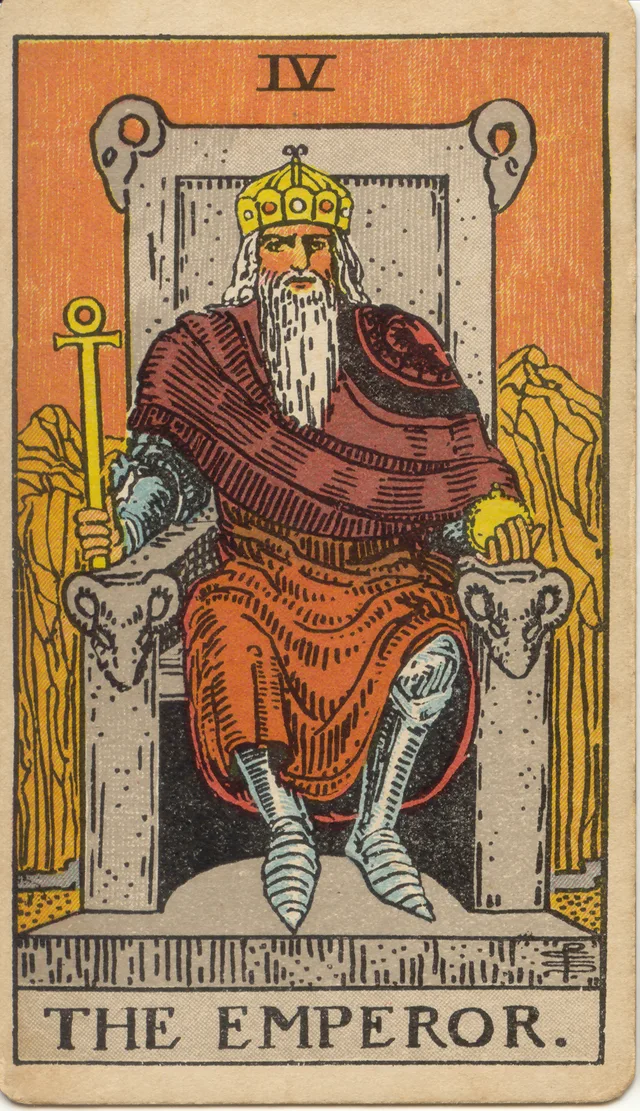
The Emperor
The Emperor examines external structure and formal authority; the King of Wands examines vision, initiative and influence. Together they invite a comparison of how leadership is organised and communicated.
Read this card's meaning →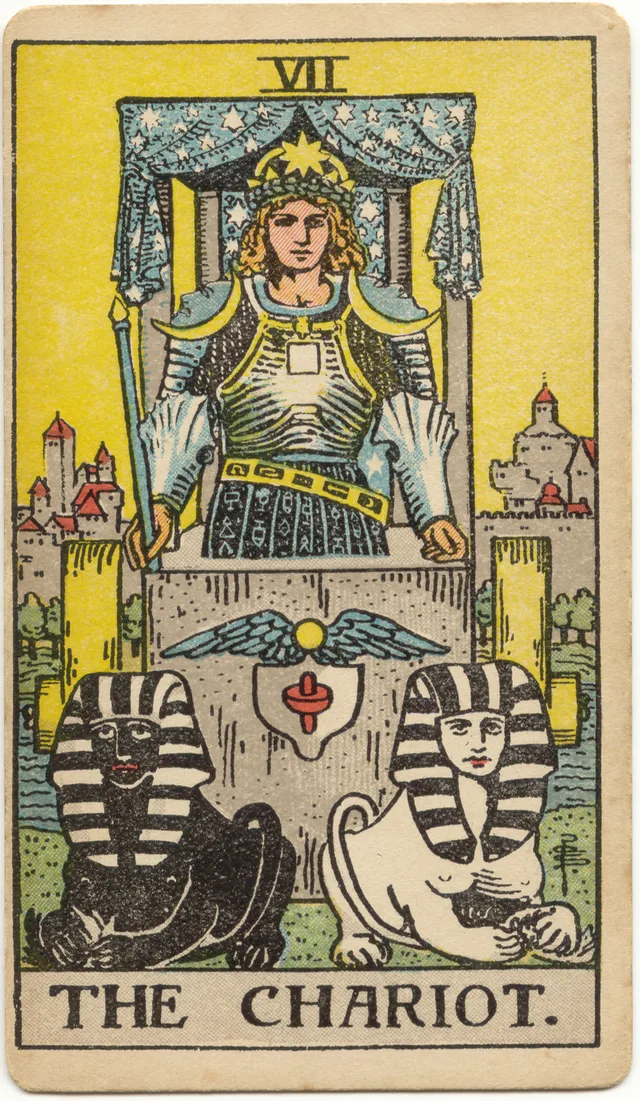
The Chariot
The Chariot focuses on directed movement and self-control; paired with the King, it brings purpose, steering and leadership into the same reflection without proving that a route is workable.
Read this card's meaning →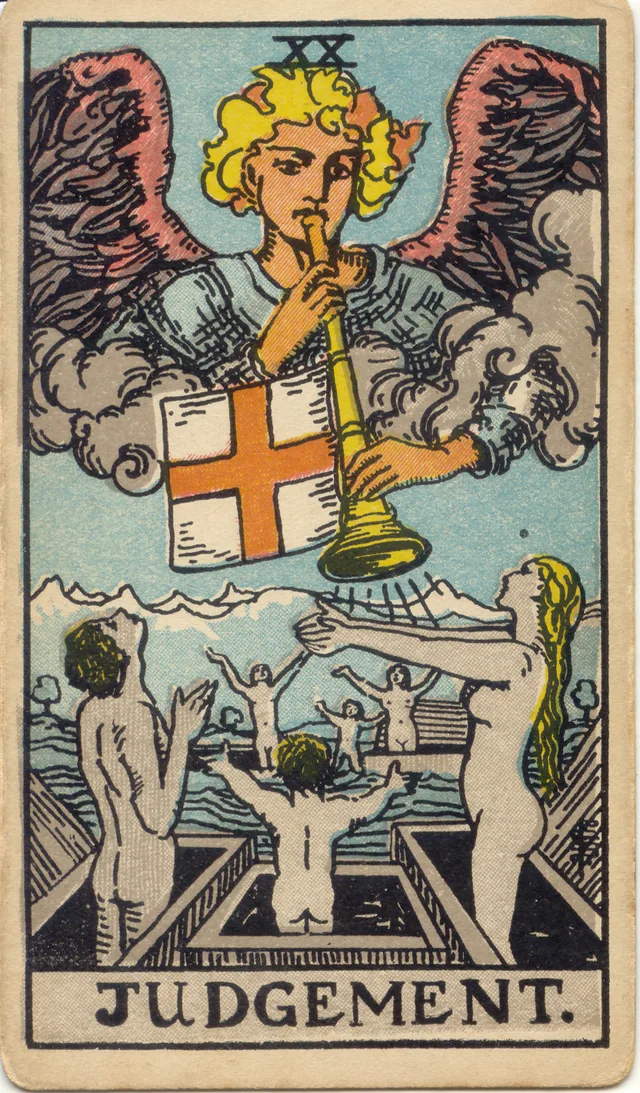
Judgement
Judgement focuses on review and a call to take responsibility; the King of Wands focuses on sustained vision and initiative. The pairing can frame a question about how a new role would be handled.
Read this card's meaning →