The Star Tarot Card Meaning
The Star represents hope, restoration, and a gentler perspective after difficulty. It can prompt you to notice what supports recovery in confidence, relationships, or work, but it cannot prove that the worst has passed or make a health claim. Pair hope with rest, appropriate support, and evidence of what is changing.

What's pictured on the card
A naked woman kneels by a pool under a night sky, one foot resting on the water and one on land, pouring water from two jugs, one onto the earth, one back into the pool. Above her shines one large eight-pointed star surrounded by seven smaller ones, and a bird rests in a tree behind her. The scene is quiet and open. It speaks of hope, healing, renewal, and quiet faith returning after a hard stretch.
The Star upright: the core meaning
Under a wide night sky, the Star kneels and pours water freely, replenishing the earth after hard weather. Today is a soft, hopeful breath, a reminder that healing is under way beneath the surface. Trust that things are mending. Let the day be soft on you, and let yourself believe in what's slowly coming right.
After something difficult, you may feel a soft, tentative hope returning today, faint enough that you're almost afraid to trust it. Under the caution is a quiet sense that you’re mending, that the worst has already passed. You might feel more open, more raw, more able to breathe again. That flicker of optimism isn't naivety. It's healing doing its patient work beneath the surface, reminding you that light comes back and so, slowly, do you.
Consider making today gentler and more hopeful without requiring yourself to fix everything at once. At work, reconnect with the reason you began and identify one manageable step. In love, decide what kind of openness feels safe and mutual. With money, pair hope with a clear plan rather than anxious scrambling. If family wounds are mending, let trust rebuild through observable actions. Choose one activity that replenishes rather than drains you, and allow hope to remain a possibility rather than a promise.
Three simple ways to work with this card
- Do one small thing purely to replenish yourself today, something that refills your well rather than empties it.
- Write down one hope you've been afraid to name, and let yourself believe it's actually possible.
- Step outside tonight, look up at the sky, and take one slow breath of genuine, uncomplicated gratitude.
What small act of hope or healing could you offer yourself today?
Every symbol, explained
One foot on land, one on the water. Her right foot rests on the edge of the pool while her other foot is on the ground. The pose brings together practical stability and emotional movement. It can prompt a conversation about what support is available and what still feels uncertain; the image does not prove that recovery is happening.
Two jugs, two different destinations. One jug pours water into the pool, while the other pours onto dry ground and divides into five streams. Traditional readings connect the five streams with the senses and with bringing inner resources into everyday life. The image can invite practical questions about rest, help, and daily routines; it is not a health claim.
Eight stars, one great and seven small. A large eight-pointed star is surrounded by seven smaller stars. Traditional interpretations connect these with guidance, the visible sky, and a wider perspective. The number eight can suggest rhythm and continuity, but the illustration cannot establish a healing timeline or prove that circumstances are improving.
Nakedness, and the ibis in the tree. She is unclothed, without armour or a robe, which can represent openness and vulnerability rather than a demand to disclose everything. An ibis, associated in some traditions with Thoth, appears in a tree behind her. The bird can prompt reflection on thought and observation, but the image does not show that a difficult period has ended.
Seventeen, and Aquarius. This is the seventeenth card, and its digits add to eight, a number associated here with continuity. Tarot traditions connect The Star with Aquarius and with sharing ideas or resources beyond the individual. Treat those associations as reflective language, not evidence that a person will recover, help others, or experience a particular result.
The upright meaning in detail
The essential lesson is that hope can be expressed through practical, repeatable support rather than a demand to feel positive. A person may rest, attend appointments, maintain a routine, ask for help, or take one manageable step even when the result is uncertain. Pair encouragement with evidence and appropriate care.
When this card appears, people may want a gentler perspective after difficulty. Notice concrete signs that matter to you, such as better support, more rest, a completed task, or a conversation that became possible. A hopeful feeling can coexist with ongoing problems; the card cannot establish that recovery is complete or underway.
The card is not saying that difficulty was necessary, meaningful, or deserved. It is not a jackpot, rescue, health assessment, or promise that someone will arrive to fix things. Use it to identify support and realistic care while acknowledging that a difficult situation may still require action.
The reversed meaning
Reversed, the commonest reading is hope withdrawn or difficult to access. A person may expect disappointment after repeated setbacks, or may be exhausted from carrying a plan without enough support. Treat that as information about capacity and experience, not a permanent verdict about the future.
The blocked version is difficulty recognising change. Other people may say things are better while you still feel alert, tired, or unsafe. Check the actual conditions and support rather than accepting reassurance or assuming the danger is gone. A qualified professional can help after trauma or prolonged stress.
There is also an excess reading: hope used to avoid a practical problem. Affirmations cannot replace a phone call, an appointment, a repair, a boundary, or a written plan. Keep the encouraging practice only if it sits alongside the action the situation requires.
The kindest reversal is depletion. You may have been providing support to everyone else without enough rest, money, food, or reciprocal care. Encouragement is not a substitute for recovery; name the demand, ask for specific help, and reduce commitments where possible.
How I read reversals: context over dogma. In the past, review an expectation shaped by an earlier disappointment. In an outcome position, identify what still needs support or evidence rather than translating the card into a yes, no, or date. Beside practical cards, choose one ordinary task that addresses the real problem.
In love & relationships
If you're single, this card can support a gentler approach after a closed or difficult period. You may want to meet people through friendship or activities you enjoy, but the card cannot predict a new connection or certify readiness. Notice your boundaries, consent, and whether an interaction feels respectful in practice.
In an established relationship, it can prompt a review of repair after damage: consistent communication, accountability, changed behaviour, and support over time. This may apply after betrayal, illness, or a hard year with a child, but the card cannot certify that repair is genuine or safe. Use observable conduct and consent.
The hard conversation is about an unshared hope: a proposal, a baby, a move, or a return to an earlier arrangement. Say what you want, what timeline you imagine, and what you will do if the other person wants something different. A clear conversation protects consent even when it brings disappointment.
Open-hearted recovery goes one of two ways, and the difference is whether you're pouring or just wishing.
- Trust assessed through small, repeated, observable reliability
- The willingness to be known gradually while keeping clear boundaries
- A hope finally said out loud to the person it concerns
- Care offered with clear limits and without assuming an immediate return
- Waiting for someone to change while nothing actually changes
- Idealising a person you barely know into your recovery story
- Testing a mending relationship to see whether it will break
- Pouring everything into someone who never refills your jug
Career
On a job hunt, it can support rebuilding after redundancy, burnout, or a career that stopped fitting. Explore roles through conversations and formal applications, compare duties and support, and ask people who have worked with you for accurate references. The card cannot identify the right role or predict an offer.
In the workplace, review how trust can be rebuilt after a difficult project or a period when your work suffered. A clear account, changed process, and consistent results may help, while the response of other people remains theirs to choose. Do not assume a card can assess your reputation.
For quitting or promotion, it can support a slower plan such as training for a role two years out or moving sideways into work with a more sustainable workload. Compare income, benefits, health, support, and timing. Choosing a less demanding role is not a failure, but the card cannot decide whether leaving is safe.
Money
With money, the Star can prompt a long-view review rather than a search for sudden relief. Compare balances, debt payments, savings, and income over twelve months, and check whether the trend reflects your plan. A positive-looking line is not proof that the situation is secure; keep an emergency buffer and review assumptions.
For spending, include a small, deliberate amount for rest or pleasure if the budget allows. After financial stress, extreme restriction can be difficult to maintain. Set a limit, protect essentials and debt payments, and choose a restorative activity you can afford rather than treating one purchase as a cure.
For debt, compare a repayment plan you can afford with advice from a reputable service, and open creditor letters rather than guessing. For unexpected money, confirm the amount, tax, conditions, and whether accepting it creates an obligation. Pride or gratitude should not replace informed consent.
Health & wellbeing
The Star can be used as a reflection on rest and gradual support after illness, surgery, prolonged stress, or grief, but it cannot assess recovery. Follow the care plan, use appropriate rest, hydration, daylight, and movement if a clinician recommends them, and have persistent or worsening symptoms assessed by someone qualified.
For the mind, notice small changes such as interest in music, cooking, reading, or contact with people. A good day followed by a difficult day does not by itself prove improvement or relapse. Track patterns and discuss concerns with a qualified professional, especially if functioning or safety changes.
Life events & big decisions
On a move, compare status with daily livability: light, noise, space, transport, access to people, and the effect on your budget. Visit the place, check practical services, and decide which trade-offs you freely accept. The card cannot choose the restorative option or establish that a location will improve your life.
Around weddings and commitments, it can prompt a review of hope after disappointment, including a later marriage or a new commitment after hurt. Do not assume fear belongs only to the past or that the card certifies the person. Discuss expectations, boundaries, finances, and whether both people freely consent.
After a loss, it can make room for grief without requiring immediate meaning or optimism. Later, a moment of enjoyment may be worth noticing without treating it as a timetable for recovery. For major choices such as selling a house or returning to work, combine emotional support with financial, legal, and practical advice.
Contracts, deals & signatures
At a signing, the Star can make the atmosphere feel hopeful, which is a reason to check the agreement carefully. After a hard period, people may sign from gratitude to a returning client or employer who offered a chance. Appreciation is real but should not replace comparison of fees, duties, liability, timing, and exit terms.
For timing, consider long horizons and structures that can be reviewed, such as staged payments or a realistic lead time. If you signed under pressure, list the term you need to revisit and ask for a written amendment; do not assume the other party will agree. Check affordability and obtain advice before relying on a change.
In negotiation, research the figure or terms you need and write them down beforehand. A pleasant atmosphere should not prevent you from checking costs, scope, and sustainability. Ask clearly, record the response, and decide based on the complete agreement rather than gratitude.
Entrepreneurship & business
For starting something, the Star can prompt you to use experience from a difficult period to design a service, such as coaching after burnout or food work shaped by learning to cook during illness. Experience may help you understand a customer, but test demand, scope, costs, qualifications, and revenue timing rather than assuming an advantage.
For growth, measure reputation through repeat clients, referrals, enquiries, reviews, and retention rather than assuming it is compounding. A slower method may fit your capacity, but compare its costs and results with alternatives. Publish, follow up, and answer enquiries clearly while respecting privacy and consent.
On hiring, make fair space for people returning after caring responsibilities or illness, and assess skills and support needs consistently rather than assuming loyalty or temperament. For risk, include mission alongside cash flow, wages, supplier costs, and legal duties; a meaningful purpose does not replace numbers.
How it shows up in real readings
Use The Star's neighbours to compare forms of support rather than to predict an outcome. Straight after The Tower, ask what practical repair, rest, and protection are needed after disruption. Near The Moon, separate hopeful interpretation from observable change. With Temperance, review pacing, balance, and the advice of qualified people.
A man I read for a few years ago drew the Star in the outcome position and said it must be wrong. He had lost a business and a marriage inside eighteen months, was living in his brother's spare room, and wanted to know when things would turn. We listed changes he could actually measure rather than asking the card for a date. He rang the next spring with ordinary updates: swimming twice a week at the local pool, small contracts, and two new friends. The useful reflection was that his routines and attention had changed; the card did not predict those events.
What does The Star mean in tarot?
What does The Star reversed mean?
Is The Star a yes or no card for love?
How soon do things happen with The Star?
Is The Star a good card after The Tower?
If The Star has found you today, do not force a feeling. Choose a manageable act of care: a walk if appropriate, a message to a trusted person, twenty minutes on an activity you used to enjoy, or an appointment you have been delaying. Review how it felt without turning one day into a forecast.
Give yourself a realistic review period and compare the present with recent observations rather than an idealised past self. If you would like a small reflective habit while you gather support, the free daily draw is there each morning; it cannot measure recovery or tell you what happens next.
The Star can represent hope after a difficult stretch without promising recovery or a favourable outcome. Let rest and healing be part of the reflection, while checking what practical support and evidence you need.
Related cards and themes
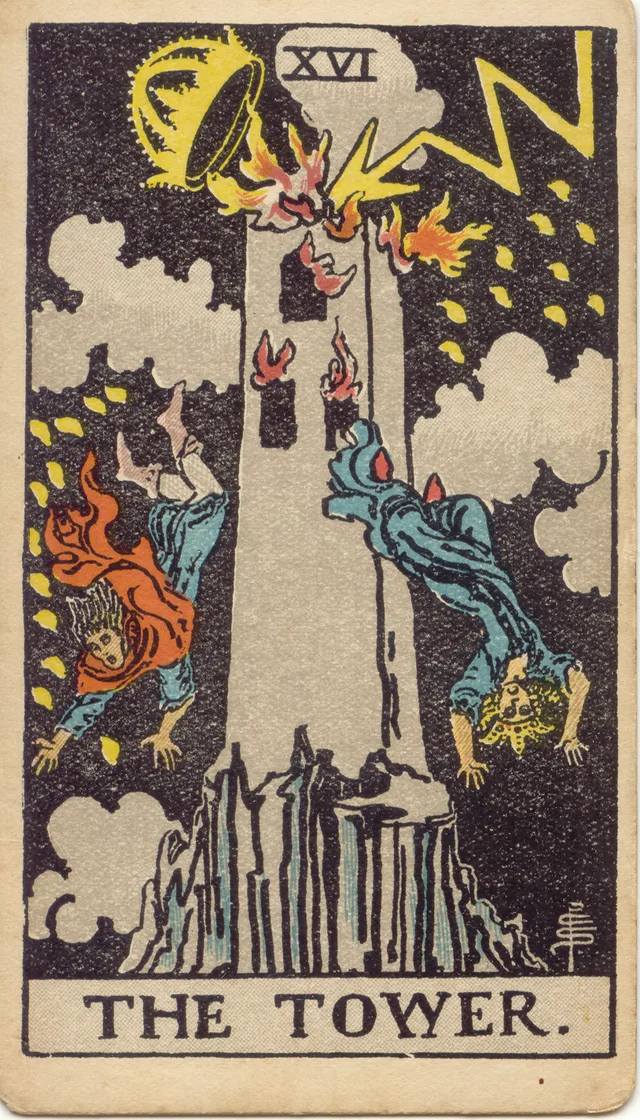
The Tower
The Tower represents disruption and exposed assumptions; The Star considers repair, support, and perspective afterward.
Read this card's meaning →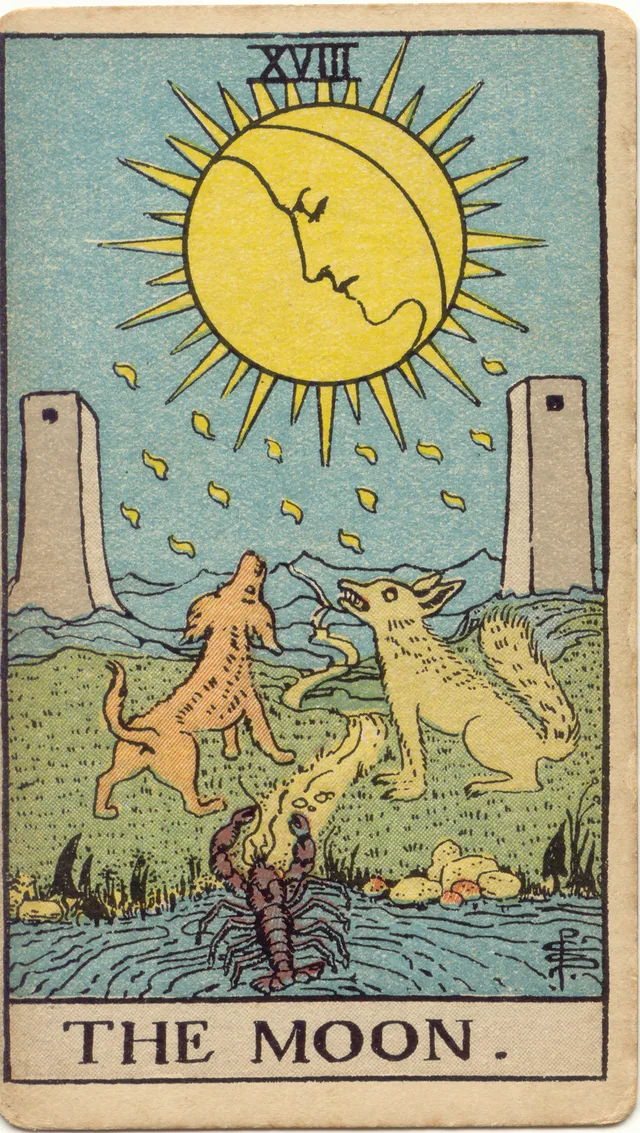
The Moon
The Moon explores uncertainty and imagination; The Star explores hope and perspective without treating either as proof.
Read this card's meaning →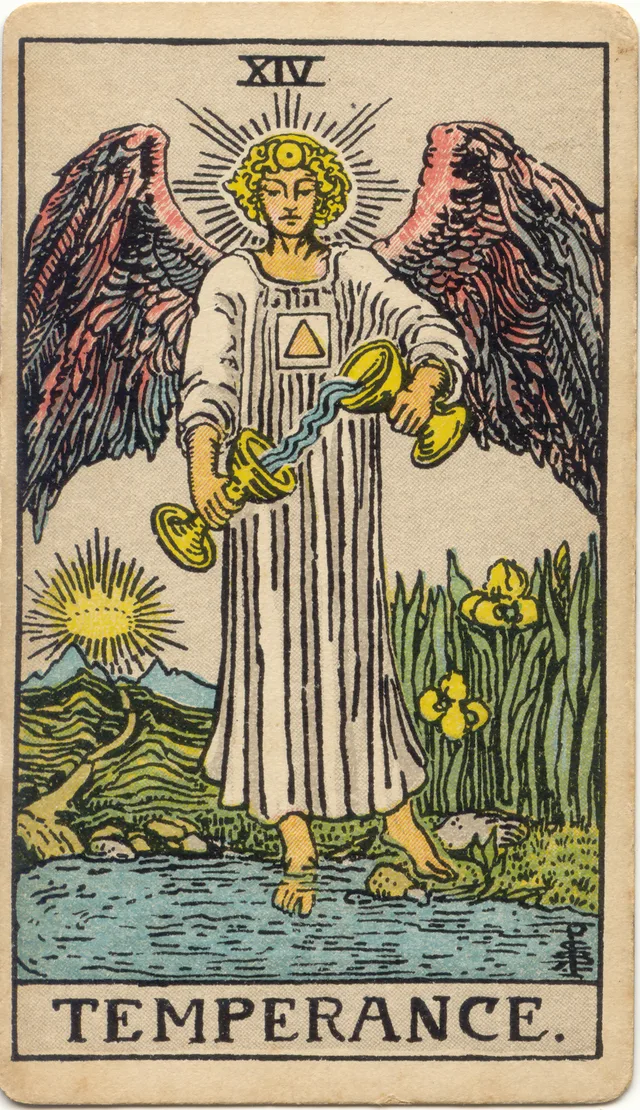
Temperance
Temperance also uses water to discuss balance and gradual change, while The Star focuses on restoration and renewed perspective.
Read this card's meaning →