Ten of Wands Tarot Card Meaning
The Ten of Wands depicts someone carrying more staves than they can comfortably see around, an image of workload, responsibility, and limited capacity. It can prompt you to sort what is yours, what can be delegated, and what can wait. The card cannot prove that you agreed to every burden; check commitments, resources, and the support available.

What's pictured on the card
A figure walks bent forward under an unwieldy bundle of ten wands, arms wrapped around the whole heavy armful, face hidden by the load. A town lies just ahead in the distance, so the goal is nearly within reach, but the burden makes every step laboured. The staves are held awkwardly, all at once, none of the weight shared. The image captures the strain of carrying too much alone, right when the finish is almost visible.
Ten of Wands upright: the core meaning
In the Ten of Wands, a figure bends under an armful of heavy staves, carrying far too much alone. Today is a nudge to notice what you've been shouldering and to set some of it down. You don't have to hold everything at once. Delegate, simplify, or release what was never really yours to carry.
You may be worn out from holding everything together, so used to shouldering it that setting anything down feels almost unthinkable. There can be a stubborn pride in being the reliable one, tangled up with a fear that if you don't carry it, it'll all collapse. Beneath the heaviness is often a longing simply to be helped. That weariness is not weakness, it's the real cost of caring hard and doing more than your fair share.
Notice what you are carrying and ask how much of it is actually yours. Some responsibilities may belong to other people, and some can wait, but check the consequences before setting them down. At work, delegate where appropriate or defer a lower-priority task. At home, ask for a fairer share. With money or obligations, simplify where you can. Responsibility does not mean being responsible for everything, and reducing a load may help without guaranteeing an easier outcome.
Three simple ways to work with this card
- Write down everything you’re carrying, then cross out or pass back the one thing that was never yours.
- Ask someone directly for help with a task today, and resist the urge to insist you're fine alone.
- Let one lower-priority thing wait until tomorrow, and notice how much lighter your shoulders feel without it.
What load could you set down or hand off to someone today?
Every detail of the burdened figure
The hidden face. In the 1909 Waite-Smith painting the figure is bent so far forward under the bundle that their face is entirely obscured. The pose makes the responsibilities more visible than the person carrying them. That can prompt a useful question about whether a role such as organiser, provider, or problem-solver has left enough room for the person's own needs; it cannot show what the figure feels or why the load exists.
Ten staves in a single armful. All ten wands are held together in one unwieldy bundle rather than arranged or shared. The image highlights concentration of responsibility, not a proven refusal to delegate. In real life, check which duties were agreed, which are optional, and which could be shared before deciding what needs to change.
The town just ahead. A settlement is visible ahead of the figure. Its distance cannot be measured from the card, and the image cannot establish whether the destination is desirable or reachable. It can nevertheless support a discussion about how current duties affect progress toward a specific, defined goal.
The stooped walk. The figure is walking rather than lying down. That posture can represent continued effort while carrying a demanding load, but it does not prove that the person is functioning, unsafe, or close to collapse. Actual capacity and reported symptoms need direct assessment.
Ten as the completion number. In Wands, ten can represent the suit's energy reaching a full or intensified expression. Compared with the Ten of Pentacles' material themes or the Ten of Cups' domestic themes, this card focuses on action and accumulated responsibility. The contrast invites reflection on sustainability; it cannot measure a person's limits or establish that ambition has become harmful.
The upright Ten of Wands in full
The central symbolism is cumulative load: many separate responsibilities pictured as one bundle. It can help you list the duties competing for attention, but it cannot establish overload, explain how the obligations were acquired, or assess whether the total is sustainable.
The image can prompt a factual workload review: which duties are documented, agreed, optional or shared? Answers come from role expectations, consent, records and the people involved, not from the card.
Pride, reliability, and reluctance to delegate are possible themes for discussion. The card cannot infer identity, indispensability, fear, or personal cost; ask the person involved and look at the actual arrangement.
The card cannot determine which responsibilities are necessary or what should be released. Workload management should use documented obligations, available capacity, likely consequences, consent, and appropriate support.
The reversed meaning
Reversed, the Ten can symbolise release, disruption, or a changing set of duties. It cannot predict a breaking point or show that responsibilities have already changed. Compare current records and conversations with the earlier arrangement.
A second reversal theme is tension between responsibility and release. The card cannot determine which obligations are legitimate or label a decision to step back as wise, selfish, or negligent. Clarify commitments and the effects on everyone involved.
A third theme is a burden that other people cannot see. The image cannot establish private worry, secrecy, or exhaustion, so use open conversation and observed changes in function.
A fourth theme is gradual simplification. The reversal cannot show that it is already under way, label it positive, or set the right pace. Review what has actually changed and what remains agreed.
In love & relationships
If single, self-sufficiency, isolation, and receiving support can be reflection themes. The card cannot establish a barrier, relationship readiness, or openness to care. Consider what you communicate, what you want, and what your actual schedule allows.
In an established relationship, use the image to discuss practical, emotional, and logistical work. It cannot establish imbalance, what either partner knows, or whether resentment is developing. Communication, consent, and observed conduct provide context.
Relationship management and emotional labour are possible themes. The card cannot establish that one person does too much, certify care, or show that administration has replaced connection. Compare each person's description of the arrangement with observable tasks.
The imagery can support discussion of shared responsibilities without proving that either partner carries too much.
- Reported effort and how each person understands it
- Agreed responsibilities and any differences in expectation
- What each person says would make the arrangement workable
- Consent, safety and willingness to revisit shared duties
- Whether responsibilities are documented or assumed
- Observable strain reported by either person
- Whether communication is safe and reciprocal
- What support exists and how its availability can be verified
Career
At work, the Ten symbolises accumulated projects and informal obligations. It cannot establish workload, capability, or burnout. Task records, hours, role expectations, and reported function provide evidence.
Comparing a job description with actual tasks is a useful independent audit. The card cannot show that they have diverged or prescribe a manager conversation or delegation. Use the comparison to prepare questions, not to reach a verdict about a person.
For someone considering leaving a role, workload habits can be one question among many. The card cannot establish that the load is untenable or predict that a pattern will follow into a new job. Compare pay, duties, rights, alternatives, and support.
A grounded workload audit starts with records rather than interpretation. List recurring tasks, deadlines, approximate hours, decision responsibility and the consequence if each item is delayed. Separate duties in the formal role from favours, temporary cover and work that arrived without an explicit agreement. That list can then be discussed with the people who actually allocate work. Possible options include changing scope, sequence, staffing, deadline or ownership, but none is automatically correct. Pay, job security, team capacity and workplace policy may limit what is realistic. Where reported strain affects sleep, concentration or daily function, clinical or occupational support is more useful than asking a card to measure capacity.
Money
Financially, accumulated obligations are a possible theme. The card cannot establish that commitments exceed a plan or are hard to manage. Statements, contracts, due dates, and a complete budget provide the facts.
Family support and informal financial commitments can be reviewed for affordability and clear terms. The card cannot establish that support exceeds someone's means or determine whether it should continue. Use verified figures, consent, and qualified advice where legal or financial issues are involved.
For a financial review, put every recurring commitment on the same timeline: amount, due date, interest or penalty, end date and whether it is legally required or informally agreed. Include irregular costs that are easy to overlook. Comparing the total with verified income and reserves reveals more than symbolic language can. If another person depends on the payment, any proposed change also involves communication, consent, safety and the likely effect on them. A qualified financial or legal adviser can clarify obligations and alternatives; the Ten cannot tell either party what is affordable, fair or available.
Health & wellbeing
For physical health, workload, sleep and exhaustion can be discussion themes. The card cannot establish overload, symptoms or their cause. Reported symptoms, function and qualified clinical care matter.
For mental health, cognitive load can be a reflection theme. The card cannot diagnose overload or prescribe structural change. The reader's report and qualified support provide context.
When wellbeing is the concern, distinguish a metaphorical sense of carrying too much from symptoms that need real assessment. Useful information includes duration, sleep, pain, mood, concentration, medication, work demands, caring duties and changes in daily function. A diary can help a clinician understand patterns, but it does not replace care. Urgent or worsening symptoms deserve timely professional attention. Rest, exercise, reduced work or other changes may help some people and be unsuitable for others, so a recovery plan must come from the person's circumstances and appropriate clinical guidance rather than the number of wands in an image.
Life events & big decisions
At a major decision, actual capacity is a prudent independent consideration. The card cannot show that a limit has been reached, predict a tipping point, or require releasing something first. Review obligations, time, finances, support, and downside.
Release, reduced involvement, and changed obligations can be themes. The card cannot establish disproportionate effort, identity, difficulty, or restoration, or decide whether a commitment should end. Check the terms and discuss the effects.
Around transitions, changing responsibilities can be reflected on symbolically. The card cannot establish that a burden is ending or diagnose disorientation. Write down the new duties, dates, resources, and questions that need an answer.
Contracts, deals & signatures
For any contract, independently review ongoing and cumulative obligations. The card cannot diagnose a signing pattern or assess whether terms are manageable. Read the document, calculate recurring costs, and obtain advice for significant commitments.
In negotiations, the card cannot establish exhaustion, duress, or decision capacity. Use direct communication, conduct, written terms, enough time to consider them, and qualified advice.
Obligations that survive termination are an independent contract-review point. Confirm them in the written agreement and with qualified advice rather than treating the card as evidence of what continues.
Entrepreneurship & business
For founders, the Ten can symbolise concentrated workload and operational dependency. It cannot establish a crisis, single point of failure, or lack of sustainability, or urgently direct delegation. Process maps, capacity, finances, and continuity tests provide evidence.
A neutral business question is which tasks require the founder and which could be assigned elsewhere. The card cannot diagnose perfectionism or show that a hand-off will improve the business. Assess cost, quality, controls, confidentiality, and risk.
For established businesses, workload, headcount, and processes can be reviewed. The card cannot establish that growth has outpaced the team or decide what needs addressing. Compare demand, service levels, cash flow, and staff feedback.
An operational review can map each recurring process from request to completion, naming the owner, backup, tools, controls, time and failure consequence. That evidence shows whether work is concentrated and whether delegation is feasible. A hand-off may reduce dependency, but it can also create cost, training, confidentiality or quality risks. Before changing roles, compare current performance with forecast demand, cash flow and customer commitments, then document who can approve and check the work. Accountants, employment advisers or operations specialists may be appropriate depending on the decision. The card can organise reflection around burden and responsibility; it cannot certify a staffing need, a sustainable structure or the right person to hire.
The distinction throughout is simple: the bundle supplies a metaphor, while records, conversations and qualified advice supply facts. A useful reading keeps those roles separate. It may help someone name a question about responsibility, but it cannot answer who owns the duty, how much capacity remains or what consequence a change will have.
How it shows up in real readings
Caregiving and professional workload are common contexts for this symbolism, but the Ten cannot establish overload or personal habits. Beside The Emperor, discuss how formal roles and practical duties fit together; near Judgement, review what is complete and what needs a decision; with The Hermit, consider private reflection and support. None proves a cause, predicts release, or prescribes withdrawal.
A common reflective pattern is a person asking about a new project, promotion, or request while the Ten appears in a present or foundation position. That combination can make available time and support worth checking before adding a commitment. List current duties and the proposed work, then decide from capacity and consequences rather than from the card.
What does the Ten of Wands mean in tarot?
What does the Ten of Wands reversed mean?
Is the Ten of Wands a yes or no card?
What does the Ten of Wands mean for love?
How is the Ten of Wands different from burnout?
If the Ten of Wands has found you today, write down everything you're currently responsible for—work, home, relationships, and the work of tracking other people's needs—on one page. Mark which duties you chose, which were agreed, and which arrived without a clear conversation. Use that list to prepare a specific discussion about time, ownership, support, or boundaries.
If you want a daily reflective check-in about your energy and commitments, the free daily draw is there every morning. Treat anything it raises as a question to compare with your schedule, symptoms, conversations, and available support—not as a measurement of overload.
The Ten of Wands can prompt a review of responsibility: which burdens did you choose, which accumulated by habit, and which can be shared or released? Capacity matters as much as willingness when deciding what to carry forward responsibly and sustainably.
Related cards and themes
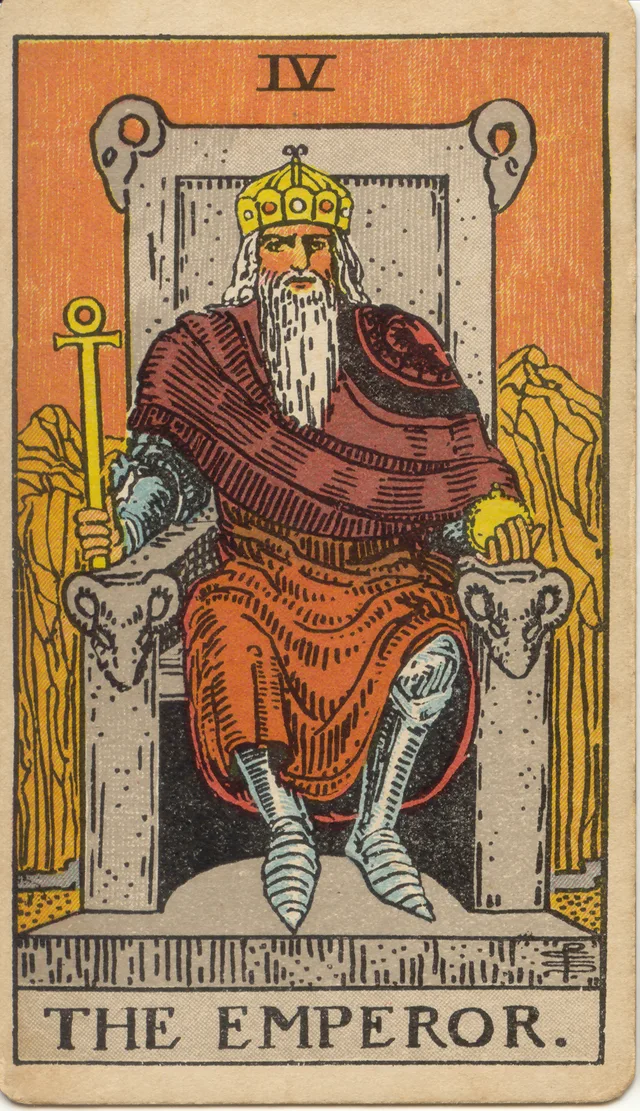
The Emperor
The Emperor builds structures of responsibility; the Ten shows what happens when those structures become load without limit.
Read this card's meaning →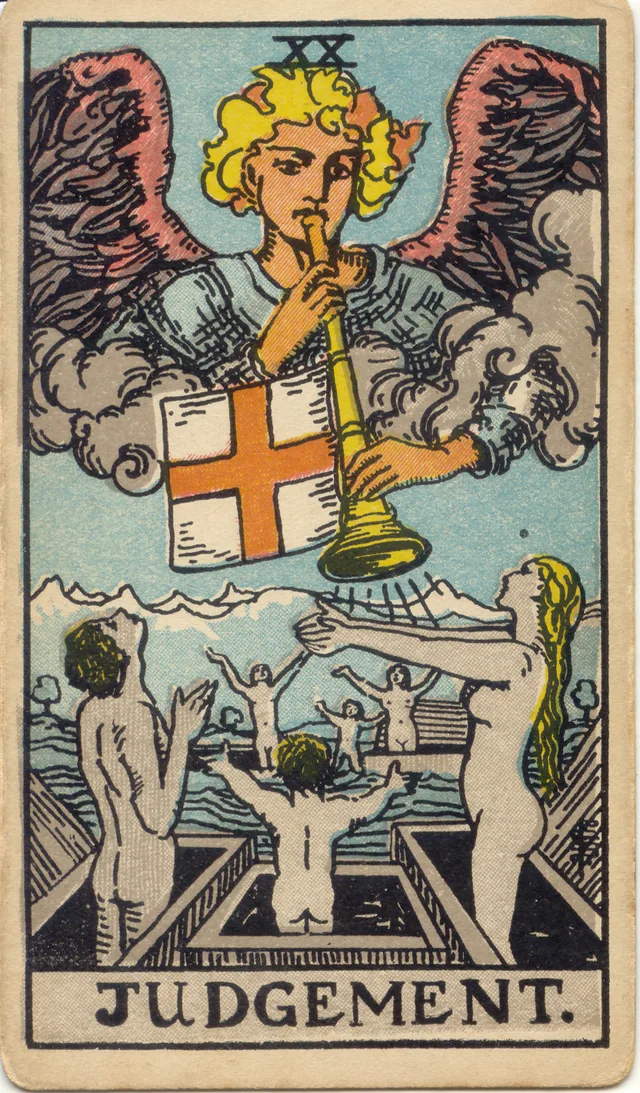
Judgement
Judgement calls you to release what's finished; after the Ten's accumulation, the call to set things down becomes urgent.
Read this card's meaning →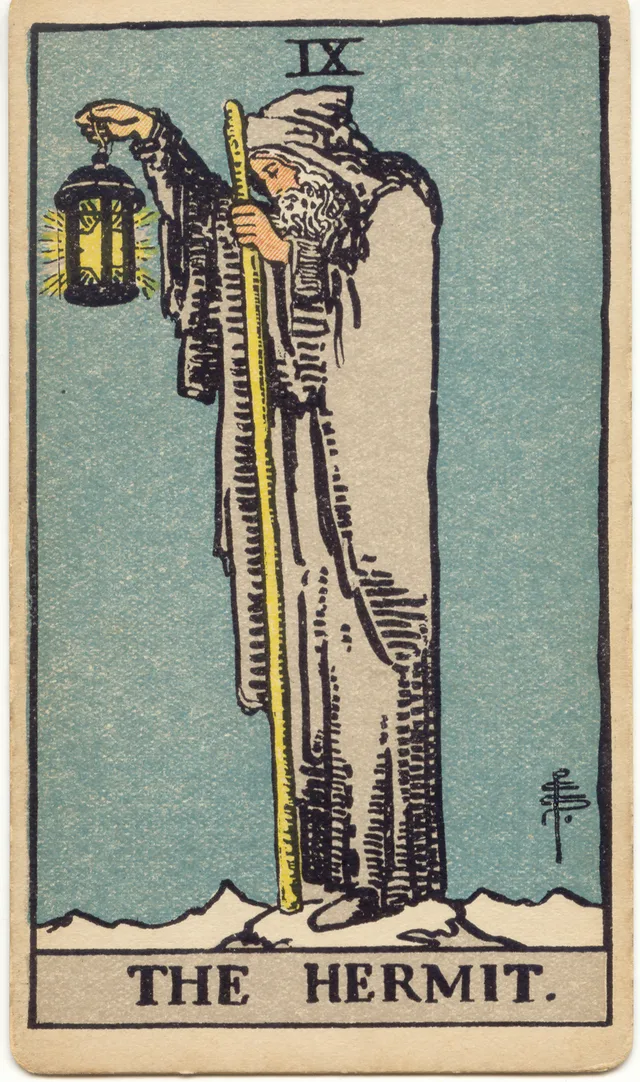
The Hermit
The Hermit knows when to withdraw and travel light — the opposite discipline to the Ten's habit of taking everything along.
Read this card's meaning →