King of Cups Tarot Card Meaning
The King of Cups sits steadily on a throne surrounded by moving water, an image of emotional awareness, regulation, and compassionate leadership. It can prompt you to pause before responding to conflict without implying that you must suppress feeling or manage everyone else. Name what you feel, choose a safe response, and ask for support when the situation exceeds your capacity.

What's pictured on the card
The King of Cups sits on a stone throne that seems to float on a restless, choppy sea, yet he stays perfectly steady. In one hand he holds a golden cup, in the other a sceptre, and a fish amulet hangs at his neck, mastery of feeling worn openly. A ship sails on one side, a fish leaps on the other. However the waters heave, his throne does not rock. He’s emotionally mature: he feels things fully and holds them with a steady, grounded hand.
King of Cups upright: the core meaning
The King of Cups sits steady on his throne amid choppy seas, steady no matter how the waters move. Today calls for emotional balance, feeling things fully while keeping your footing, responding rather than reacting. Be the steady presence in a stirred-up moment. Your steady compassion can settle your own heart and ease the room around you.
Something today may be stirring the waters, a stress, a strong feeling, someone else's turmoil spilling towards you. You look steady on the outside, but it’s hitting you more than you show; staying cool isn’t the same as not being affected. Part of you knows you can be the grounded one, the person who doesn't get swept away, and that quiet strength is real. Yet there's also a tiredness in always holding it together for everyone. You're allowed to feel the swell fully, even as you choose not to be capsized by it.
Aim to respond rather than react today. When something stirs you up, pause before answering and name what you feel. You can offer steadiness in a tense moment without taking responsibility for everyone else's emotions. Feel your feelings, then choose an action that respects your values and capacity. In love, offer patience without absorbing another person's storm. With money, make level-headed decisions rather than anxious ones. Being steady does not mean bottling things up; give your feelings a safe way out.
Three simple ways to work with this card
- Before reacting to anything tense today, take three slow breaths and choose your response instead of firing off the first one.
- Find one safe way to let your own feelings out today, talk to someone, write, or move your body.
- If someone around you is in a storm, be a steady, unflustered presence instead of soaking up their panic as your own.
Where could staying steady and kind help smooth a rocky moment today?
What Waite painted and why it matters
The floating throne. The King sits on a stone throne surrounded by open water rather than on land. The choppy sea places him beside movement and uncertainty, so the image can symbolise trying to respond thoughtfully during strong emotion. It cannot show that a real person is calm, capable or safe under pressure.
The fish amulet at his neck. A fish hangs at his collar. It can connect the figure with water, feeling and the Cups suit, while the small ornament also shows that emotional symbolism is part of his public image. The card cannot establish whether a reader expresses feelings openly or understands them.
The cup and the sceptre. He holds a golden cup in one hand and a sceptre in the other. The cup can symbolise feeling or receptivity, while the sceptre can symbolise authority and action. Showing both together invites reflection on balancing care with responsibility; it cannot prove that a person has integrated the two.
The leaping fish and the ship. A fish rises from the water on one side and a ship moves across it on the other. These contrasting details can represent events that cannot be controlled alongside activity that can be directed. The figure's gaze does not reveal his response, and the card cannot predict what a person will do.
The blue tunic and the turbulent sea. The King wears blue while the green-grey water around him is visibly unsettled. The contrast can support a discussion about feeling and outward conduct, but it does not establish emotional maturity or show that someone will remain steady.
The upright King of Cups in detail
The King of Cups can symbolise emotional awareness, patience and the ability to consider a response before acting. Examples include a therapist maintaining professional boundaries, a manager hearing feedback or a parent responding to a difficult moment. The card cannot establish that a person is empathic, caring, qualified or able to manage someone else's emotions.
The image can help distinguish an emotion from the action that follows it. The cup and fish keep feeling in view, while the seated posture allows a question about pausing before speaking. The card cannot show what someone feels, whether a pause is possible or which response is safe; the people involved and the circumstances provide that information.
When used as a person or role, the King can prompt questions about emotional expression, boundaries and leadership. It cannot establish that someone is genuine, experienced, processed or influential. Check reliability, conduct, qualifications and the person's own account instead of assigning character from a court card.
What it is not saying: the King does not require emotional flatness, permanent suppression or responsibility for everyone else's feelings. The throne and sea can be read as feeling alongside structure, but the card cannot distinguish healthy boundaries from a wall or diagnose suppression.
The reversed meaning
One reversal theme is suppression being mistaken for steadiness. A person may appear calm while keeping feelings private, but the card cannot reveal an inner state or predict a later reaction. Ask what the person reports, whether expression feels safe and what support is available.
A second theme is composure used to control a conversation or avoid accountability. The card cannot establish a partner's motive or whether calm behaviour is manipulative. Review words, power, consent, repeated conduct and the effect on the people involved.
A third theme is the person who reports carrying emotional responsibility for a team, family or relationship and feeling depleted. The card cannot establish exhaustion or decide what support is needed. Ask what responsibilities are agreed, what can be shared and which qualified or social support is available.
A fourth theme is a response that differs from a person's usual way of communicating. The card cannot establish a threshold, cause or pattern. Discuss the specific event, safety, repair and any support needed rather than treating the reversal as an explanation.
In love & relationships
For someone single, the King can prompt reflection on emotional communication and the qualities they value in a relationship, such as listening, boundaries and consistency. The card cannot establish that a potential partner is genuine, safe or interested, nor prescribe how the reader should date. Conduct over time and direct communication provide context.
In an established relationship, the King can frame listening, consistent care and a pause before responding to conflict. It cannot prove that a partner will stay, hear difficult information or act with care. Ask what each person needs, what boundaries apply and whether a conversation is safe.
A relationship can make room for strong feeling while protecting boundaries; the people involved and their conduct provide the context.
- A stated willingness to listen and respond without intimidation
- Empathy that does not assume the other person needs fixing
- Emotional honesty that's thoughtful rather than raw and destabilising
- Care assessed through consistent behaviour rather than a single gesture
- Steadiness that tips into emotional unavailability — present but not reachable
- Using measured calm as a power dynamic rather than as genuine composure
- Being so reliably the 'stable one' that no one thinks to check how you are
- Never showing the feeling behind the steadiness, making partners feel held at arm's length
Career
In career readings, the King can frame emotionally aware leadership: a manager discussing performance with respect, a leader considering staff feedback alongside metrics, or a professional preparing for a difficult client conversation. The card cannot establish compassion, safety, productivity or leadership ability; staff experience and conduct provide evidence.
It can also prompt reflection on communication during a negotiation, client meeting or creative project. Staying calm may help some conversations, but the card cannot prescribe it or assess whether the setting is safe. Define the goal, boundaries, support and response options before engaging.
For a beginner example, a manager may need to discuss repeated missed deadlines. An emotionally aware conversation still needs specifics: name the dates and deliverables, ask what affected the work, listen without promising an outcome, and agree what support or change is being considered. Keep performance standards and personal disclosures separate. A calm tone can make room for information, but the written record and subsequent conduct are what a team can review.
In a client negotiation, someone might acknowledge frustration before returning to scope, price and payment dates. That is different from agreeing under pressure or treating warmth as evidence of good faith. Summarise the terms in writing, give each person time to review them and identify who can provide independent advice. The King supplies a vocabulary for response; the actual agreement depends on words, authority, consent and follow-through.
Money
In money questions, the King can prompt reflection on how emotion affects financial decisions. It cannot establish whether a person is calm, anxious or clear-headed. Review figures, risks, obligations and independent advice, then note which feelings may be influencing the process.
It can also raise communication in a financial negotiation, such as listening to stated needs and staying within agreed boundaries. The card cannot show what another party needs, establish trust or make a negotiation strategic. Use written terms, figures and verification.
For instance, before lending money to a friend, separate compassion from the practical terms. Discuss the amount, repayment date, what happens if circumstances change and whether declining is acceptable. Record the agreement and protect both people's ability to reconsider. Patience can support the conversation; it does not replace consent or a clear plan.
Health & wellbeing
For wellbeing, the King can symbolise emotional processing alongside structure and boundaries. It cannot diagnose health, distinguish processing from suppression or prescribe disclosure. Parents, carers, leaders and therapists may need support of their own, but the person's report and qualified care determine what is appropriate.
A practical example is a carer who listens patiently to everyone else while missing meals and appointments. Emotional composure does not remove those needs. List the tasks, ask which responsibilities can be shared, protect private time and speak with a clinician or support service about persistent strain. The image may open a conversation about care and limits, but the person's symptoms, consent and access to help guide the next discussion.
Supportive relationships and environments can be relevant to wellbeing, but the card cannot establish that a person or setting is emotionally safe. Consider consent, boundaries and practical access. Therapy, exercise or friendship may suit some people and not others; qualified guidance and the person's capacity matter.
Life events & big decisions
Around a major decision, the King raises questions about emotion, past patterns and judgement. It cannot determine whether a response is wise or reactive. Facts, affected people and the reader's reported experience provide context.
Around loss and grief, the King symbolises steadiness and care. It cannot establish that someone is processing grief well or should support others. Real needs and qualified support matter.
Contracts, deals & signatures
In a contract context, the King brings regard and good faith into the questions to examine. It cannot show that either exists or predict a fair, durable agreement. Written terms, conduct, references and independent review provide evidence.
Warmth in negotiation should not substitute for verification. This is a general contract safeguard, not evidence supplied by the card: review written terms and ask material questions.
Entrepreneurship & business
For founders and business owners, the King symbolises emotionally aware leadership. It cannot show that culture is good or trust has been built. Staff feedback, retention and conduct provide evidence.
The throne on the sea can frame steadiness during pivots, difficult conversations or setbacks. It cannot show what a leader needs or prescribe a response. Use staff needs, evidence and appropriate professional support.
How this card sits in real spreads
Alongside The Emperor, the King can place structure beside emotional communication; with The Hanged Man, pause beside response; with Queen of Cups, different forms of emotional awareness. None proves that delay is wise or a partnership rests on mutual understanding.
The King can provide vocabulary for parents, leaders, therapists or carers reflecting on emotional responsibility. It cannot show that they have lost contact with their needs or identify what is missing. Their own account and support network provide that context.
What does the King of Cups mean in tarot?
What does the King of Cups reversed mean?
Is the King of Cups a yes card?
What does the King of Cups mean for leadership?
What's the difference between the King and Queen of Cups?
If the King of Cups appears, rough water and a steady throne offer optional images for reflecting on emotion, boundaries and response. The card cannot show that the reader is minimising difficulty or assess their stability.
One optional exercise is to compare a considered response with an immediate one, without requiring action today. If you'd like a daily reflective prompt, the free daily draw is there each morning. The King cannot establish that steadiness is currently available or appropriate.
The King of Cups contrasts turbulent water with a steady seated figure, a useful image for emotional steadiness. It cannot promise stability or decide how the reader should respond; consider feelings, boundaries, and evidence.
Related cards and themes
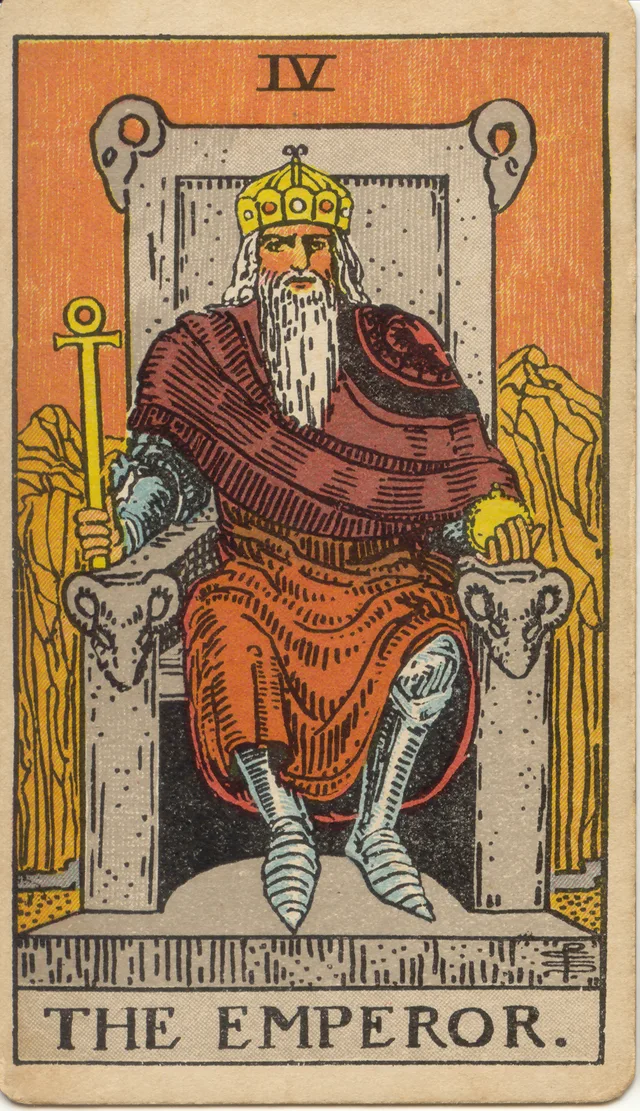
The Emperor
The Emperor explores authority through structure, while the King of Cups explores emotionally aware leadership. Together they can prompt questions about rules, care and responsibility.
Read this card's meaning →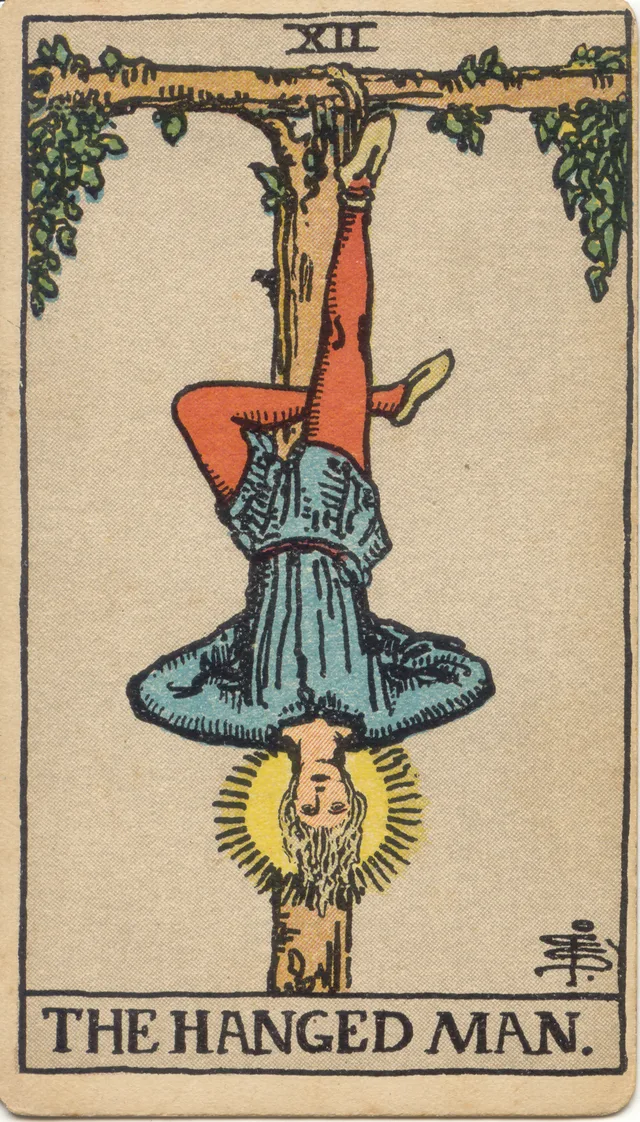
The Hanged Man
The Hanged Man explores a pause and changed perspective, while the King of Cups explores a measured response amid strong feeling. Neither card proves that delay or calm is appropriate.
Read this card's meaning →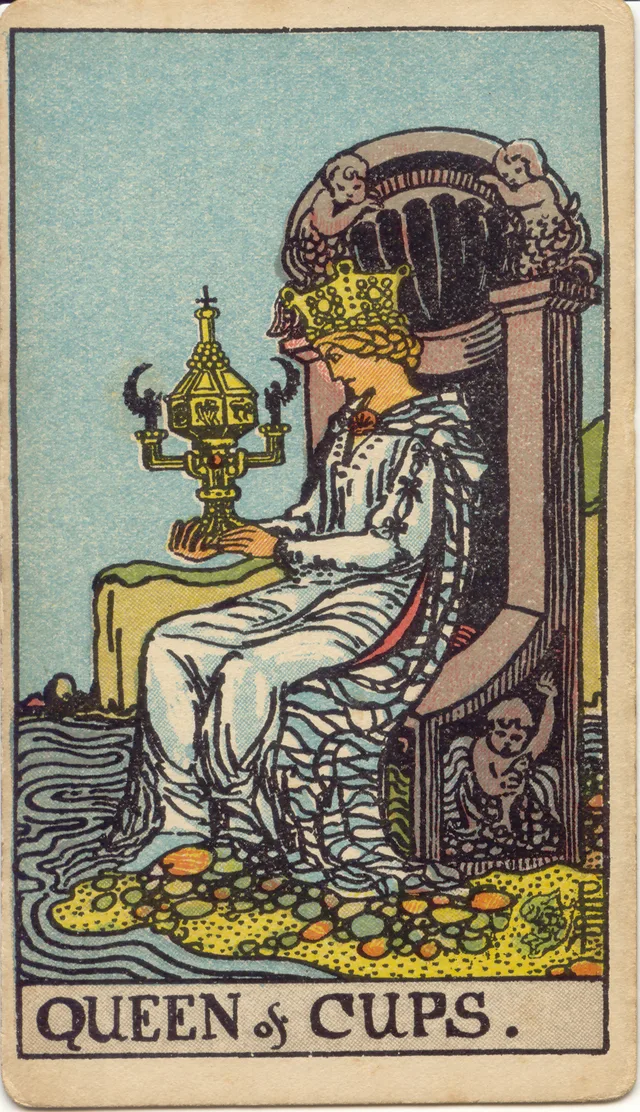
Queen of Cups
The Queen of Cups explores inward emotional awareness, while the King of Cups explores expressing care and steadiness in relationships. The pairing offers two reflective approaches, not evidence of emotional mastery.
Read this card's meaning →