The Hierophant Tarot Card Meaning
The Hierophant represents shared knowledge, teachers, traditions, and established systems. It can prompt you to seek training, mentoring, clear commitments, or appropriate professional advice rather than solving everything alone. The card cannot validate a particular institution or relationship; check its standards, costs, authority, and fit with your own values.

What's pictured on the card
The Hierophant sits between two grey pillars in a solemn hall, wearing a triple crown and red robes, one hand raised in blessing while the other holds a triple-barred staff. Two crossed keys rest at his feet, and two tonsured followers kneel before him to learn. The scene is formal and traditional. It stands for shared wisdom, established knowledge, and the guidance passed down through mentors, institutions, and the tried-and-tested ways of doing things.
The Hierophant upright: the core meaning
The Hierophant sits between two students, offering the tried-and-true rather than the brand new. Today there's real wisdom in leaning on what's already been proven, a mentor, a routine, an old lesson that still holds. You don't have to reinvent everything; sometimes the well-worn path is well-worn for good reason.
Beneath today you may feel a pull between doing things properly and doing them entirely your own way. Perhaps you're craving a little structure or reassurance from someone who's walked this road before. There's no shame in wanting a map. That wish to belong, to learn from tradition, or to be told a sensible next step is simply your desire for solid footing before you strike out and improvise on your own.
Lean on what's already proven today rather than reinventing the wheel. If you're stuck, ask someone with more experience; a mentor, a teacher, or a well-worn method could save you hours of guesswork. At work, follow the established process where it actually helps you, there’s useful experience behind it. In love, honour the commitments and rituals that keep a bond steady. With money, conventional, sensible choices are your friend right now. With family, tradition can be a real comfort. That said, respect the rules without worshipping them; keep what helps and question what doesn't. You can honour good guidance and still stay true to yourself. Learning from others is a strength, never a failure.
Three simple ways to work with this card
- Ask someone more experienced for advice on the thing you're stuck on, instead of struggling through it alone today.
- Go back to a routine or method that’s worked for you before and let it take some of the load.
- Note one tradition or rule you follow out of habit, and ask whether it still serves you.
Whose experience or which trusted method could save you effort today?
Every symbol, explained
The triple crown and triple-barred staff. The figure wears a three-tiered crown and holds a staff with three crossbars. In common tarot interpretations, the repeated three suggests a teaching that works across several levels, while the crown and staff identify a formal religious office. These objects represent a role with a history, not personal power or a weapon.
The two crossed keys. A silver key and a gold key lie on the floor in front of him. Traditional readings connect them with access to teaching, ritual, and institutional knowledge. They are outside his hands, which makes a useful practical point: information may be available through a teacher, library, course, or professional body, but you still have to ask for it and judge whether the source is trustworthy.
The two kneeling followers. Two tonsured men kneel with their backs to us, wearing embroidered robes: one patterned with lilies and the other with roses. Their different clothing shows that the same teaching can be received by different people and applied in different ways. Their kneeling can suggest respect, devotion, or unequal status; the image does not settle which interpretation is right.
The grey pillars and closed hall. He sits between plain grey columns inside a stone building. Unlike The High Priestess, whose black and white pillars frame a private threshold, these pillars and the enclosed room place him inside an established institution. The setting points to organised teaching, records, ceremonies, and rules rather than knowledge discovered alone.
The number five, and Taurus. The Hierophant is numbered five, after the four-card sequence associated with the basic elements and practical structure. Five can introduce a question about how a person fits inside a system. Tarot traditions associate the card with Taurus, an earth sign often used here for patience, continuity, and attention to what has been tested over time. Treat those associations as interpretive language, not evidence about a person's character.
The upright meaning, in detail
The essential lesson is that you do not have to solve every problem from the beginning. Someone may have documented a similar process, taught the relevant skill, or created standards that can save you avoidable work. Look for that material, ask specific questions, and compare the advice with your situation instead of assuming that an established method is automatically suitable.
When this card appears, people sometimes hear do as you're told. A more useful reading is an invitation to investigate guidance that could reduce unnecessary trial and error. It also raises questions about belonging: which group, profession, family practice, or community gives you meaningful support, and which one leaves no room for disagreement? Living outside every structure can be tiring, but joining one should remain a choice.
The card is not an instruction to obey. You can respect a method while checking its evidence, cost, access requirements, and limits. It is not necessarily about religion; it may refer to a trade, school, workplace, family, or professional service. Learning a system can support independence, but your consent and judgment still matter when deciding whether to remain in it.
The reversed meaning
Reversed, the commonest reading is a rule kept from habit rather than usefulness. Something is done a certain way because it always has been, even though nobody can explain its purpose: a family ritual that exhausts everyone or a workplace process inherited from an obsolete system. Review what the rule is meant to protect, keep what serves a clear purpose, and change the rest carefully.
The second face is outdated authority: a teacher who has not kept up with the field, a mentor whose advice belongs to a different economy, or an institution that protects itself more than its members. Check current standards, recent results, complaints procedures, and conflicts of interest before relying on the source.
The third is reflexive rebellion. Rejecting a standard method only because it is standard can keep the same rule in charge of your decisions. Name the specific problem with the conventional route, identify a workable alternative, and compare the risks before calling the change independent.
There is also a private path. Your situation may not fit the standard career route, timeline, or family expectation. Before departing, identify which part of the usual advice does not fit, whose interests it serves, and what support replaces it. You do not need permission to choose differently, but a clear alternative is safer than rejecting a system you have not examined.
How I read reversals: context over dogma. For someone hemmed in by duty, the card can support reviewing an exit plan and the practical help required. For a serial improviser, it can support learning a method before starting over again. In the past position, look at an institution or upbringing that shaped your habits; crossing you, examine a rule that blocks a stated goal; in the outcome, consider what changes when you keep or leave that structure.
In love & relationships
If you're single, this card can turn your attention to settings with repeated contact: a weekly class, club, volunteer project, or introduction through people you trust. Those settings give you opportunities to observe compatibility over time, but they do not certify anyone's character. It also asks whether you want a conventional relationship shape or have simply inherited that expectation.
In a relationship, the card highlights shared rituals: a weekly meal, a familiar way to say goodnight, or an anniversary you keep because it matters to both of you. Ritual can create reliable time for connection, but it cannot substitute for honest conversation. If those practices have disappeared, ask what changed rather than treating the change as proof of a particular motive.
The hard conversation is often about whose tradition shapes the relationship: Christmas, faith, schooling, family involvement, or who hosts. Each person learned expectations in a household they did not choose, and each may mistake those expectations for neutral common sense. Name what you inherited, explain why it matters, and decide together what to keep. Put the agreement into practical plans rather than leaving the loudest objection in charge.
Shared structure either steadies a partnership or replaces it.
- Rituals kept on purpose, especially the weekly ones
- Learning from a couple whose long partnership you respect
- Naming the traditions you inherited rather than assuming them
- Honouring a commitment on the days the feeling isn't there
- Staying because leaving would be a scandal in your family
- Hitting milestones on a schedule set by everyone but you
- Letting the in-laws' way of doing things become the default
- A relationship running on form with nothing welcoming underneath
Career
On a job hunt, this card points to qualifications, accredited courses, and employers with documented training. If a required certificate is excluding you, confirm the requirement, cost, and likely value before enrolling. It also supports using your network: ask a former colleague for accurate information or an introduction instead of assuming you must navigate the process alone.
In the workplace, this card draws attention to the procedures that are not written down: how decisions are made, which meetings have authority, and what communication style is expected. Observe, ask for clarification, and compare those habits with the formal policy. Find a mentor with relevant current experience, and offer practical guidance to someone newer without presenting your own method as the only one.
For a promotion, review the stated criteria, gather examples of your work, and ask what qualification or experience is actually required. If you are considering leaving, record the problem, use a formal channel when it is safe, and check notice, pay, and references. Those steps create options; they do not require you to stay in an unsafe or unlawful situation.
Money
The Hierophant's money theme is established process rather than excitement: compare diversified funds with concentrated investments, understand workplace pension matching, and check fees before choosing. A familiar option is not automatically good, so read the terms and seek qualified, regulated advice for decisions you cannot evaluate yourself. Treat a sales pitch as a sales pitch, not as evidence.
On spending, review the household norms you never questioned: the annual upgrade, a financed car, or the expectations of your social group. Ask whether each cost matches your priorities and whether the interest or recurring fee is acceptable. For saving, compare ordinary mechanisms such as tax-free allowances, employer schemes, and accessible accounts, then choose based on terms and your time horizon.
With debt, the practical theme is established help: a regulated adviser, a formal arrangement, or a reputable charity that provides free guidance. Gather balances and interest rates before agreeing to anything. With a windfall, pause and obtain qualified tax and financial advice before making irreversible choices; tarot cannot determine the safest allocation.
Health & wellbeing
Some tarot traditions link Taurus with the throat and neck, but that association is not a medical explanation. In a wellbeing reading, use the card as a reminder to describe persistent symptoms accurately and arrange an appropriate appointment or second opinion. A trained clinician, not the card, should assess causes and treatment.
For habits, choose repeatable support rather than waiting for motivation: the same walk at a manageable time, a class with an instructor, or a routine shared with someone who can encourage you. If previous attempts stopped, review the schedule, access, pain, cost, and support instead of blaming your character. A qualified professional can help design a safe programme.
Life events & big decisions
On a move, consider the practical network around a place: schools, transport, community groups, healthcare, and whether you would know anyone soon after arriving. Compare an established neighbourhood with a newer one using visits, budgets, and reliable local information. The card does not decide how far you should move; it helps you list which support you would need to rebuild.
For weddings, examine the vow and the meaning each person gives it. A public ceremony can express commitment, but witnesses do not make a relationship safe or permanent. Discuss legal, financial, religious, and family expectations, and distinguish a promise you both choose from a performance arranged for other people.
After a loss, the card can draw attention to rituals such as a funeral, prayer, shared food, an anniversary, or a community custom. Ritual may give some people structure, while others prefer private or informal remembrance. A bereavement group or qualified counsellor can offer support without requiring you to explain grief in one particular way.
Contracts, deals & signatures
This card highlights standard terms and the reason templates are useful: they collect lessons from many previous agreements. At a signing, compare the recognised template with the document in front of you. A bespoke clause in an ordinary deal deserves a clear explanation of its purpose, effect, and cost; use qualified legal advice when the stakes require it.
It also points to advice from someone whose training and responsibility match the decision, rather than a friend who once handled something similar. Check qualifications, scope, fees, confidentiality, and any professional insurance. A tarot card cannot assess whether advice is correct, so compare the advice with the written terms and obtain a second opinion when needed.
For timing, expect a process with stated stages rather than a result on a tarot schedule. Check published deadlines, notice periods, review points, and the person responsible for each step. In negotiation, research comparable terms, explain any departure, and record the agreed position. A precedent is useful context, not proof that your deal is fair.
Entrepreneurship & business
For starting a business, learn the trade before selling a service. Work in the industry, obtain any required qualification, and ask established operators why particular processes exist. Then test whether those reasons still apply to your proposed offer. In a regulated field, confirm the rules with the relevant authority rather than relying on a card or informal advice.
For growth, build documented processes and standards so quality does not depend on one person's memory or availability. Consider accreditation only when customers, regulators, or the market value it. A trade body or conference can provide useful information, but compare membership costs, conflicts, and the quality of its guidance before joining.
On hiring, define the skills, training, supervision, and conduct the role requires. A person who can learn may be a better match than someone who ignores agreed procedures, but assess both with structured interviews and references. Manage business risk with a tested model, a sector you understand, and staged changes rather than adopting something merely because it is new.
How it shows up in real readings
Read the surrounding cards as prompts, not as proof. With The Emperor, compare formal authority with the rules people learn from a tradition. Opposite The High Priestess, discuss the difference between information taught by others and observations you have made privately, then verify important facts. Beside The Lovers, consider how you will apply what you learned when making a values-based choice.
A woman I read for two summers ago had spent nearly three years building a business alone, and the Hierophant appeared in the position she used for obstacles. She initially believed there was no useful help: it was a niche field, nobody understood it, and she had already tried several routes. During the conversation she remembered an association for her trade that she had avoided because of the fee and because she assumed everyone there would be more established. She joined that month after checking the cost and benefits. Within a year, two of her largest clients came through people she met there. The practical change was that she gained industry information and a peer group; the card did not guarantee those clients.
What does The Hierophant mean in tarot?
What does The Hierophant reversed mean?
Is The Hierophant a yes or no card for love?
How soon do things happen with The Hierophant?
Does The Hierophant mean I should follow tradition?
If the Hierophant has come up for you today, list the specific information you lack and identify a credible person, course, document, or service that may address it. Ask a focused question, check the answer against another reliable source when the stakes are high, and decide for yourself how to use it.
Then pick one inherited rule you follow without thinking and ask what it is meant to accomplish. Keep it if it still serves that purpose, revise it if circumstances changed, and explain the change to anyone affected. If you'd like a small reflective structure of your own, the free daily draw is there each morning, one card, same time, nothing elaborate.
The Hierophant can point to established teaching, mentorship, or a tested method. Compare its assumptions with your needs; tradition may offer a useful starting point, but the card cannot prove that the usual way is best here.
Related cards and themes
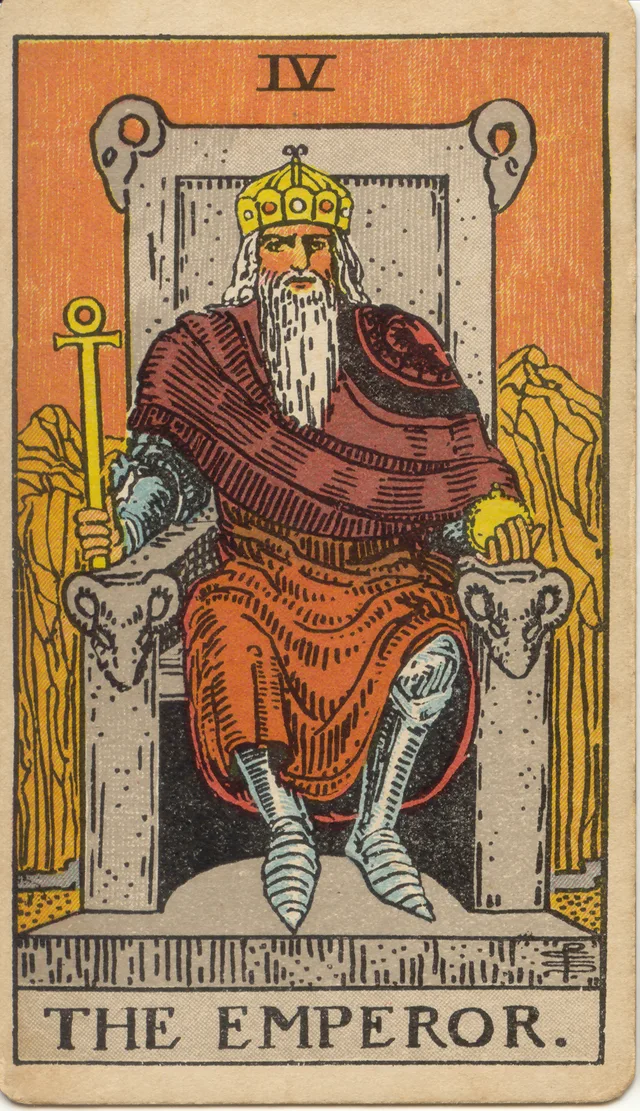
The Emperor
The Emperor creates formal structure; The Hierophant teaches people how to use and pass on that structure.
Read this card's meaning →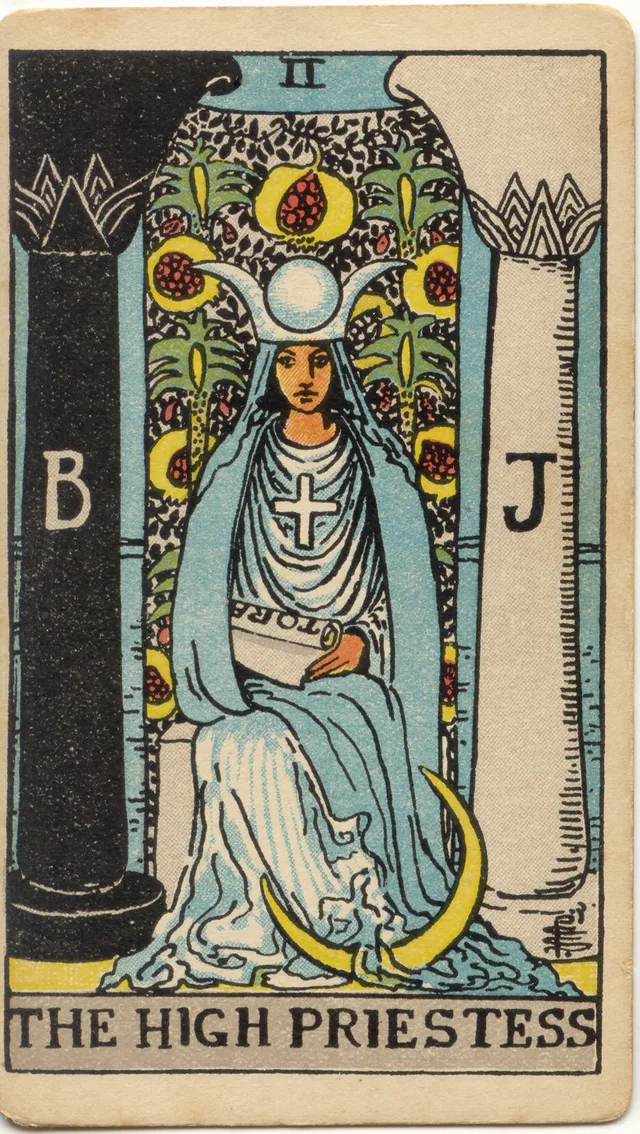
The High Priestess
The High Priestess reflects private observation, while The Hierophant focuses on knowledge taught through a person or institution.
Read this card's meaning →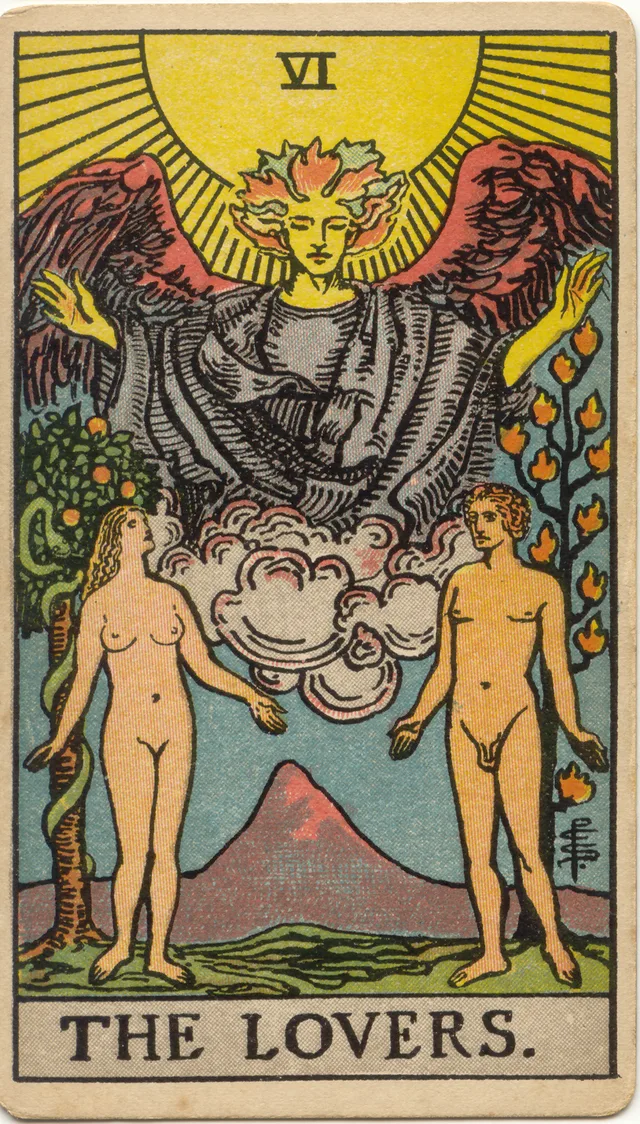
The Lovers
After learning from a tradition or mentor, The Lovers asks how you will make your own values-based choice.
Read this card's meaning →