The Chariot Tarot Card Meaning
The Chariot uses a vehicle pulled in opposing directions to explore focus, determination, and competing priorities. In a reading it can prompt you to define a goal, assess the forces involved, and decide which effort deserves attention. It cannot guarantee success or tell you to continue; consider capacity, consent, evidence, and the cost of changing course.

What's pictured on the card
A crowned figure stands in a stone chariot drawn by two sphinxes, one black and one white, facing opposite ways. A starry canopy stretches overhead, a walled city lies behind, and a winged solar disc marks the front of the chariot. The driver carries no reins, steering instead by will and focus alone. The image speaks of forward drive, discipline, and the victory that comes from holding two opposing forces together and aiming them at one goal.
The Chariot upright: the core meaning
The Chariot rider holds the reins of two sphinxes pulling in different directions, and still moves forward. Today calls for focused drive, pointing your energy at one goal instead of scattering it across ten. You have the willpower to push through; keep your eyes ahead and let steady determination carry you.
You may feel a strong urge to get moving today, alongside a pull in two directions that makes it hard to gather any speed. Part of you wants to charge ahead; part of you feels held back. That inner tug-of-war isn't a flaw, it's energy waiting to be aimed. Beneath the restlessness sits real determination, and it only needs you to decide where it's going before it can properly carry you there.
Channel your energy into one clear direction today rather than letting it scatter. Pick the goal that matters most and check whether a focused push fits your capacity. At work, tackle one large task while keeping smaller dependencies visible. In love, discuss direction rather than trying to steer another person. With money, review a disciplined move before committing. If demands pull at you, hold a boundary kindly and remain willing to revise course.
Three simple ways to work with this card
- Pick the single goal that matters most today and give it your first, most focused burst of energy.
- Notice where you're being pulled two ways, and consciously choose one direction to commit to for now.
- Set a small, firm deadline for something you've been circling, and drive towards it without wandering off.
Where could pointing all your energy in one direction move you forward today?
Every symbol, explained
No reins. One hand holds a wand and the other is empty; no bridle or straps connect the driver to the sphinxes. This detail traditionally represents internal direction rather than an external mechanism. In practical terms, attention, planning, feedback, and the ability to revise a goal matter more than willpower alone.
Two sphinxes, one black and one white. They face in different directions while the driver sits between them. Their contrast can represent competing priorities, such as security and change or paid work and a personal goal. The image does not show that a conflict is resolved or that two opposing demands can safely be managed together; compare resources and consent.
The walled city behind him. A walled settlement appears behind the driver. It is not shown as ruined, so the scene can represent leaving a familiar or functioning situation rather than escaping an obvious disaster. The image cannot establish whether leaving is wise, whether a place is prosperous, or whether guilt is appropriate; assess the actual reasons and consequences.
The moons and the canopy. Two moon faces sit near his shoulders and stars cover the canopy. The square stone vehicle contrasts with the changing moon imagery, which can support a discussion about feeling and structure coexisting. The winged solar disc is a decorative protective symbol in the tradition; it does not provide actual safety or shield a decision from consequences.
Seven, and Cancer. Seven is the card's number, and the Chariot is traditionally associated with Cancer. A crab's shell can suggest protection around vulnerability, but astrology cannot establish the driver's motives or prove that protection is the reason for a decision. Use the association as a prompt to ask what needs care while you pursue a goal.
The upright meaning, in detail
The central theme is focused effort rather than speed. A person may be spending energy across several priorities, or may simply be facing a complex choice; the card cannot diagnose either situation. Listing goals, time, resources, dependencies, and what can wait can show whether narrowing the plan is useful.
In a reading, the image may make someone examine the relationship between effort and progress. Slow progress can have many causes: unclear scope, limited resources, competing commitments, or external decisions. The card cannot identify laziness, ability, or fear of failure, so use it to generate questions rather than conclusions.
The Chariot is not evidence that force, speed, or persistence is appropriate. The heavy vehicle in the illustration can represent the cost of changing direction, while the opposing sphinxes can represent unresolved priorities. Define a goal, check consent and constraints, and allow revision rather than treating ambivalence as something to ignore.
The reversed meaning
Reversed, one possible theme is activity without measurable progress: many tasks started, unclear priorities, or effort spent resolving competing demands. An empty inbox does not prove that work is meaningful, and stalled progress has many causes. Compare the plan with actual milestones, time, and resources.
A second theme is continuing a direction that was chosen earlier without a recent review. A career, business, or routine can look successful while no longer matching the person's priorities. Check stated goals, current evidence, opportunity costs, and the freedom to change course instead of assuming that outside approval reflects fit.
A third theme is excessive control: pressing for speed, dismissing other people, or treating a partner or team as an obstacle. The card cannot prove that someone is coercive or that a goal matters more than the people affected. Look at communication, consent, conduct, and the consequences of pressure.
A quieter version is reduced motivation after a demanding period. That may involve exhaustion, grief, illness, unclear goals, or other circumstances; the card cannot diagnose burnout or assign a cause. Review sleep, health, workload, support, and professional guidance rather than treating the reversal as a forecast.
In love & relationships
If you're single, the Chariot can prompt deliberate dating: contacting people, attending places you enjoy, and stating what you are looking for. It cannot establish that a connection will arrive or that initiative will lead to a relationship. Consider your boundaries, availability, and whether dating fits your wider priorities.
In a relationship, it can prompt a conversation about shared plans and separate priorities. Do not assume that conflict or distance has one cause. Ask what each person wants, what has been agreed, and which concrete plans are realistic this year.
A difficult conversation may concern effort that has replaced presence: earning, fixing, organising, or providing without checking what the other person wants. Do not infer motives from the card. Ask which actions are requested, which are assumed, and what both people need to feel respected.
The same forward drive, pointed at the relationship or straight past it.
- Naming one thing you're building together, with a date attached
- Making the first move instead of waiting to be chosen
- Holding a boundary without fuss when family or exes pull at the two of you
- Staying in the difficult conversation until it's actually finished
- Treating your partner as an obstacle to the schedule
- Winning arguments so thoroughly that nothing gets resolved
- Confusing providing with being present
- Charging on with a plan they stopped agreeing to months ago
Career
On a job hunt, a focused campaign can make applications more specific than sending generic material to unrelated roles. The card cannot establish that one approach will succeed. Compare role requirements, evidence of your skills, application quality, follow-up norms, and the time you can afford to spend.
In the workplace, it can raise questions about ownership, deliverables, and how pace affects colleagues. Keep records of completed work, clarify authority, and ask how other people experience the process. The card cannot certify capability or tell you to accept an unwanted project.
For a promotion, prepare a documented case, ask about criteria, and discuss pay and responsibilities directly. If leaving, review notice terms, finances, references, and the next option before acting. The card cannot decide whether to stay or go; a defined destination is useful but not required before every change.
Money
For money, a named target can be more useful than a vague intention: for example, saving six thousand by March for a deposit. Check whether the target fits verified income, expenses, debt, and emergencies. A number and date do not guarantee success; review progress and change the plan when facts change.
For debt, put every balance, interest rate, payment, and deadline on one page. Comparing a smallest-balance method with a highest-interest method can clarify trade-offs, but the best approach depends on the terms and your circumstances. Include cards, apps, and family loans, and seek qualified advice when needed.
For a windfall, decide how much goes to tax, essential costs, debt, savings, or enjoyment after checking the relevant facts. For additional work, document scope and discuss the rate or invoice before starting. The card cannot establish what you are owed or what an employer or client will agree to.
Health & wellbeing
The armour in the illustration can support reflection on physical tension and a body kept in a state of effort. It cannot identify clenched jaws, breathing changes, digestive symptoms, stress, or their causes. Track symptoms and seek appropriate clinical care rather than using astrology or a card as a diagnosis.
For habits, a single defined goal and planned rest may be useful, but the card cannot prescribe an exercise schedule or predict injury. Match activity to your health, capacity, and professional guidance. Persistent or worsening symptoms deserve clinical assessment.
Life events & big decisions
For a move, the Chariot can focus attention on transport, deadlines, competing priorities, and the emotional cost of leaving a familiar place. It is not approval for relocation. Check housing, finances, work, care, rights, safety, and the option to change plans before setting a date.
Around weddings, the Chariot can prompt a review of follow-through, shared consent, dates, deposits, and unresolved decisions. An engagement lasting four years, a paid deposit with no venue, or a discussion about children dating from 2019 may each have different explanations. Check what each person wants and what contracts require rather than treating a date as the answer.
After a loss, the card can give language to practical functioning alongside grief: transporting children, handling paperwork, or returning to work. Functioning does not show that someone is coping well, and the image cannot set a timetable. Share tasks and seek support instead of assuming one person must keep control.
Contracts, deals & signatures
In a signing question, the Chariot can highlight decisiveness and the risk of momentum. A long amendment process does not mean a deal should be rushed; check the final document, authority, costs, obligations, and the ability to pause before signing.
In negotiation, state the outcome you want, list non-negotiables, and calculate a walk-away point before the discussion. You may need to revise it when new evidence appears; do not let fatigue or pressure decide for you. A card cannot determine whether a negotiating stance is effective or fair.
For timing, do not treat the Chariot as an instruction to sign now. Review cooling-off rights, exclusivity, fixed terms, and exit costs; a long commitment needs a realistic plan for changed circumstances. Read the termination clause and obtain advice where appropriate.
Entrepreneurship & business
For starting a business, the Chariot can prompt a defined test: one offer, one customer group, and one channel for ninety days, with measures and review points. There is no single reason businesses fail, so test demand, costs, capacity, and legal obligations instead of assuming persistence will solve them.
For growth, review the plan during the less exciting period when demand, cash flow, and capacity need close attention. Ask which decisions require the founder, which can be documented, and where delegation would add cost or risk. The card cannot diagnose a founder's habits or establish that the business is sustainable.
For hiring, define the work, decision rights, skills, pay, and measures before comparing candidates. A business may need people who initiate, finish, or provide specialist support. Set a budget and criteria for reviewing a direction, while recognising that no plan guarantees delivery.
How it shows up in real readings
Position can change which questions the Chariot raises. In the present, review focus and current commitments; in the obstacle position, examine pace, scope, and competing priorities. Beside The Lovers, discuss how a choice becomes a plan; beside Strength, balance determination with patience and consent; beside The Emperor, compare momentum with structure. None of these pairings promises delivery.
A client once used the Chariot to review several simultaneous commitments while working six days a week: a business, a part-time degree, a house renovation, and regular visits to a parent four hours away. Listing deadlines, travel, money, and available time showed that the plans competed. He deferred the degree for a year and reduced the renovation to one room. Eleven months later, he reported that the business had doubled and that he had made the drive north twice a month. His results were evidence from his circumstances, not a promise made by the card.
What does The Chariot mean in tarot?
What does The Chariot reversed mean?
Is The Chariot a yes or no card?
How soon do things happen with The Chariot?
Why does The Chariot have no reins?
If the Chariot has found you, review choices before adding effort. List your active commitments, estimate time and cost, and choose a priority using your values and evidence. Put other ideas on a dated review list rather than assuming they must be abandoned.
Set a review date and tell one trusted person what you are testing so accountability is clear. If you want a prompt while you work, the free daily draw takes half a minute each morning. Use it for reflection alongside observable milestones, not as evidence that you should continue.
The Chariot can frame momentum and the need for direction, not proof that effort will produce a result. State the goal plainly, then check whether the route, resources, and pace are workable.
Related cards and themes
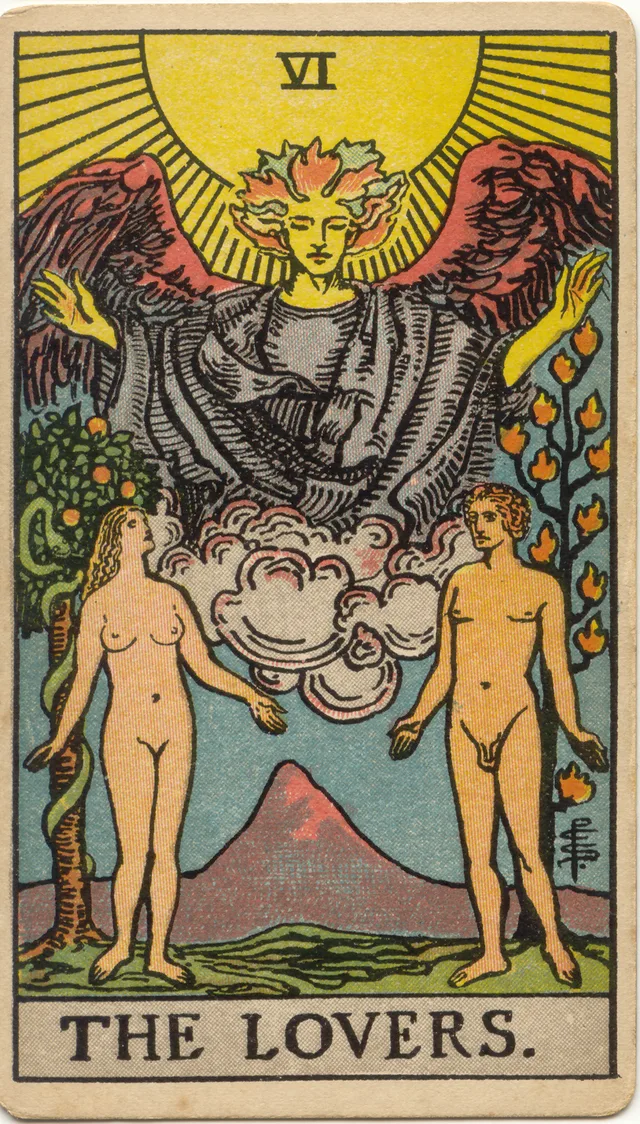
The Lovers
Card VI raises the question of choice; beside the Chariot, it helps distinguish a chosen direction from activity in several directions.
Read this card's meaning →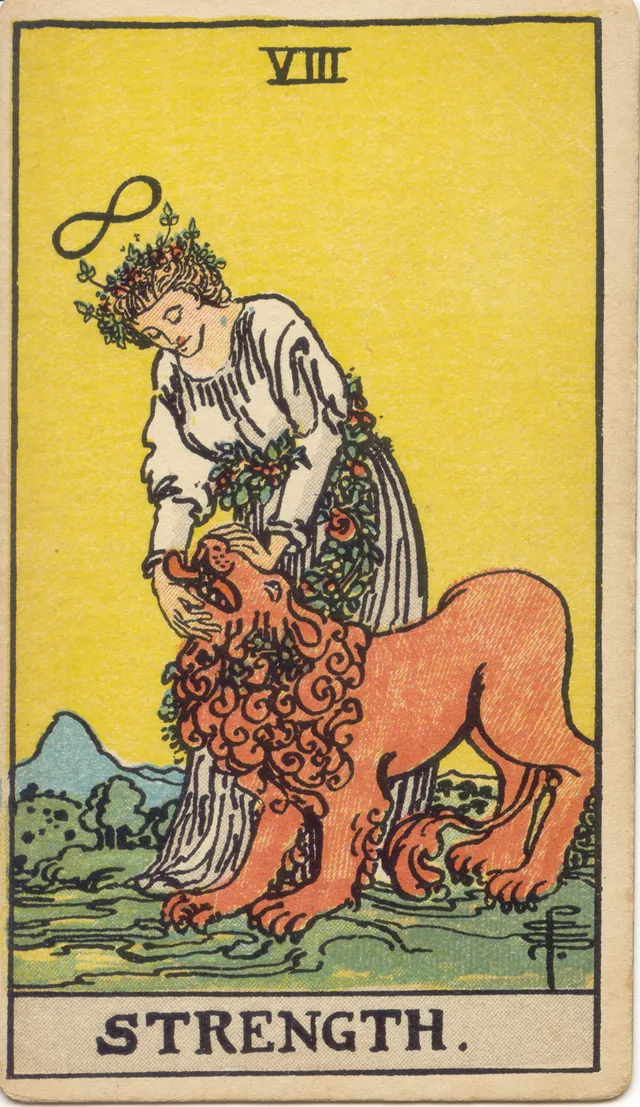
Strength
Card VIII explores patient regulation; beside the Chariot, it balances determination with attention to limits and other people's needs.
Read this card's meaning →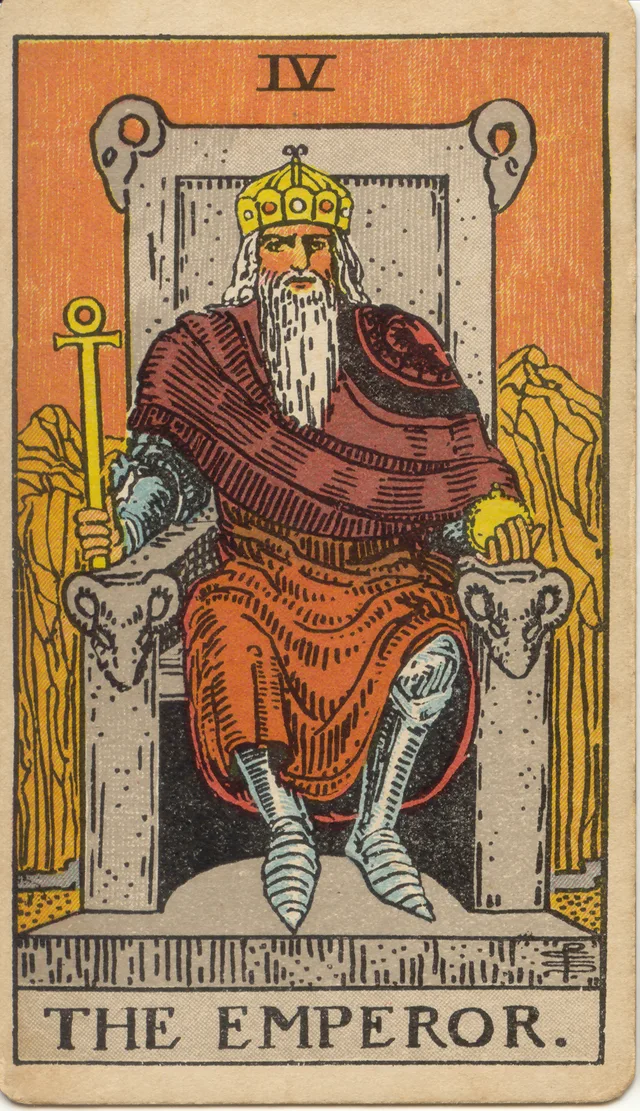
The Emperor
The Emperor focuses on stable responsibility; the Chariot focuses on directing effort while remaining accountable for its effects.
Read this card's meaning →