The Magician Tarot Card Meaning
The Magician represents skills, tools, communication, and the practical step between intention and action. It can prompt you to inventory what is genuinely available for a project, relationship, or request, but it cannot guarantee resources or tell another person how to respond. Match a clear aim with evidence, consent, and a manageable first action.

What's pictured on the card
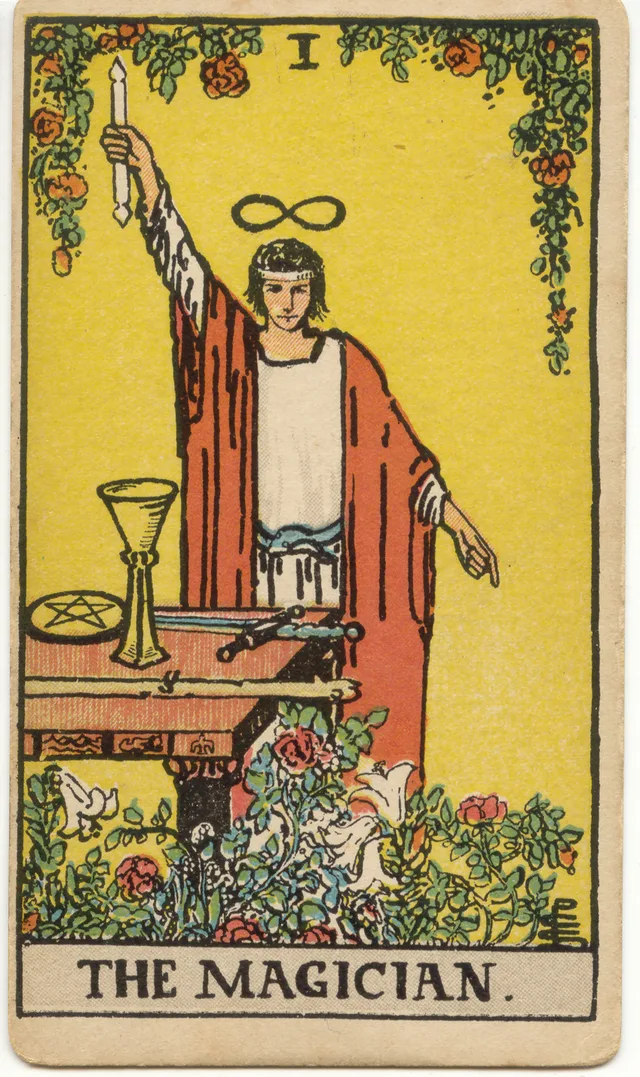
On the table before the Magician lie the four suit symbols, a cup, a pentacle, a sword and a wand, every element within easy reach. He wears red and white robes, a lemniscate of infinity floats above his head, and a serpent belt circles his waist. Roses and lilies bloom around him. One arm points to the sky, the other to the earth, showing spirit drawn down into real, material action. Everything he needs is already present.
The Magician upright: the core meaning
The Magician stands with one hand raised to the sky and one pointing to the earth, and everything he needs is already laid out on his table. You have more tools than you're giving yourself credit for today. Gather your attention, name what you actually want, and turn that intention into one real action.
How I read this card
There's a quiet sense today that you're capable of more than your to-do list suggests, paired with a nagging worry that you'll somehow waste it. You may feel scattered, your focus tugged in several directions at once. Beneath the busyness sits a clear, competent part of you that knows exactly where to begin. It isn't waiting on more resources, it's waiting for you to choose one thing and give it your attention.
For example
Before everyone else decides your day for you, work out what you actually want from it. Then match that with one real action, not just a wish. At work, lump your scattered little jobs together and guard one focused hour. In love, say what you mean plainly and leave room for them to answer. With money, a small, deliberate move usually beats a big fuzzy plan. When you notice yourself getting distracted, just name it and come back. And at the end of the day, look at what actually got done, rather than assuming the momentum's sorted itself.
Something you could try
- Write one clear sentence naming what you want today, then do the very first action that sentence asks of you.
- Clear your desk or a single surface, an ordered space sharpens a scattered, overloaded mind.
- Pick the one task you keep avoiding and give it a properly focused twenty minutes before lunch today.
Which of your existing skills could you put to work on what matters today?
Where The Magician sits in the deck
Card 2 of 78. The 22 major arcana come first, from the Fool to the World, followed by the four suits.
Major Arcana
22 cardsThe Fool to the WorldThis card: The MagicianWands
14 cardsAce to KingCups
14 cardsAce to KingSwords
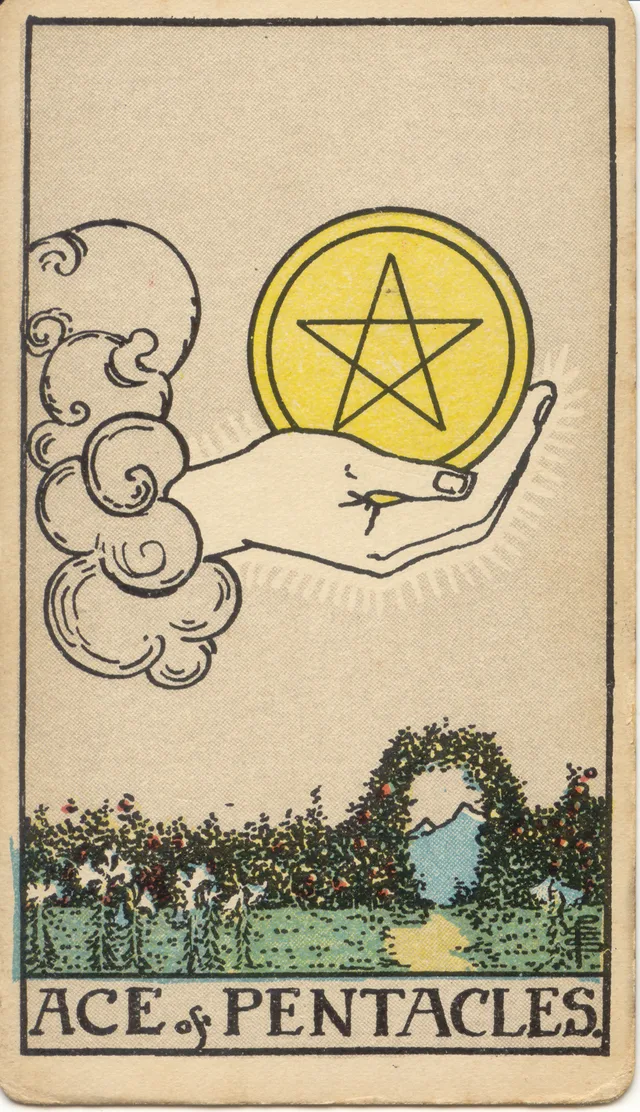
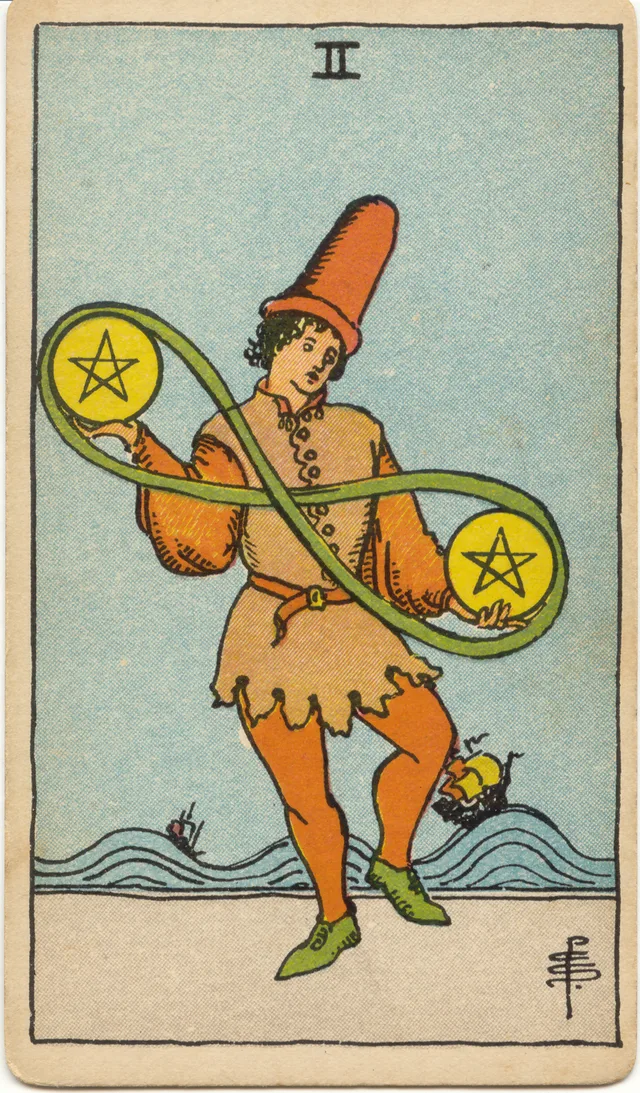
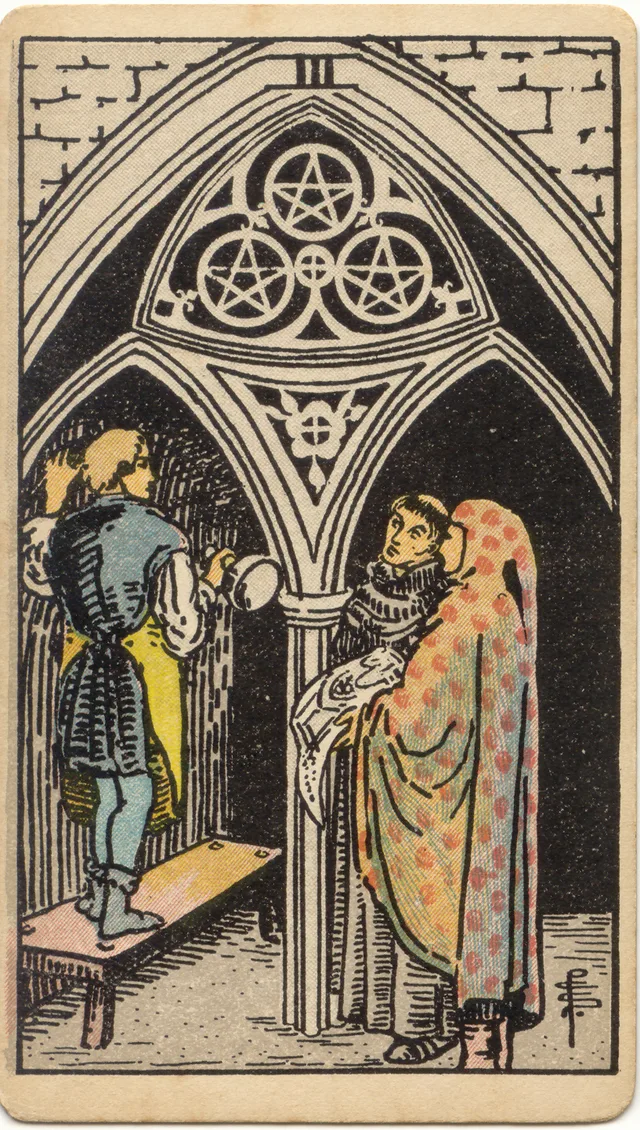
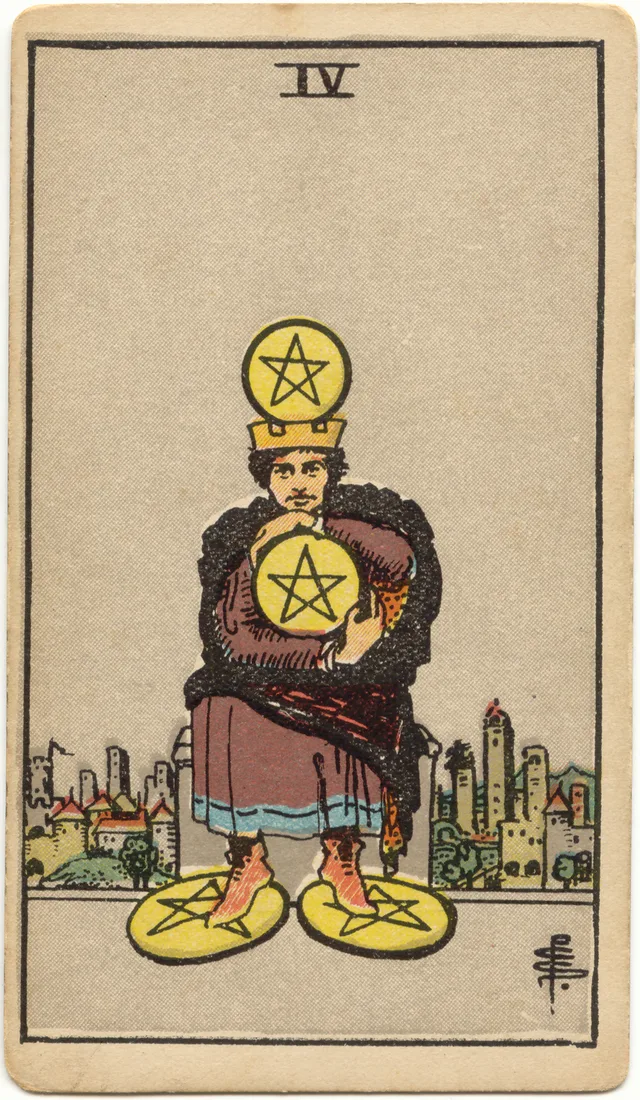
14 cardsAce to KingPentacles
14 cardsAce to King
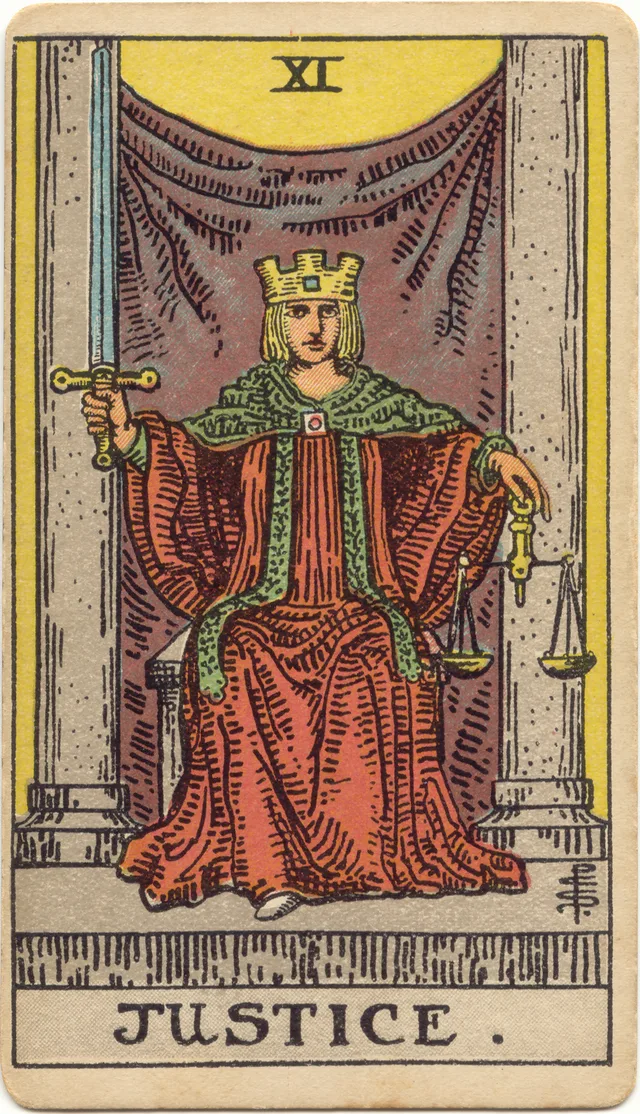
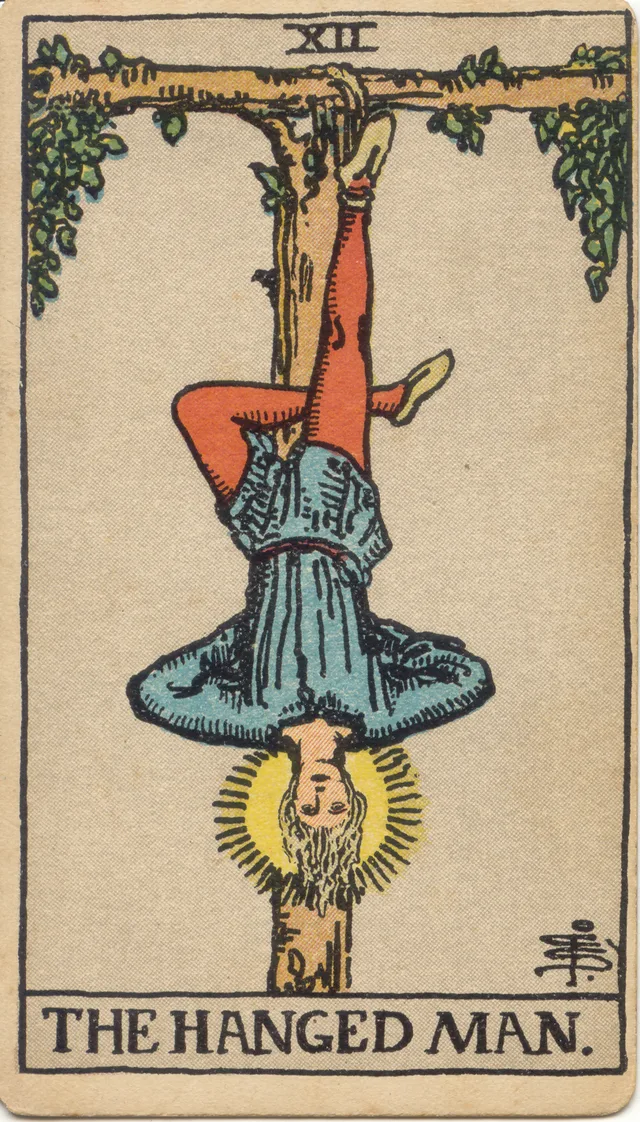
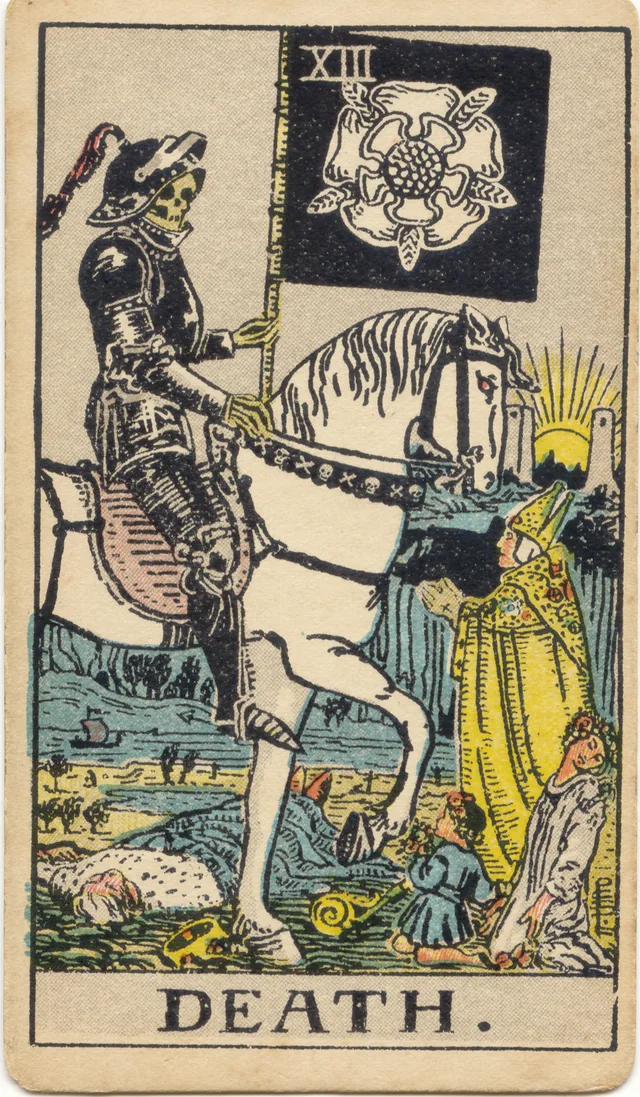
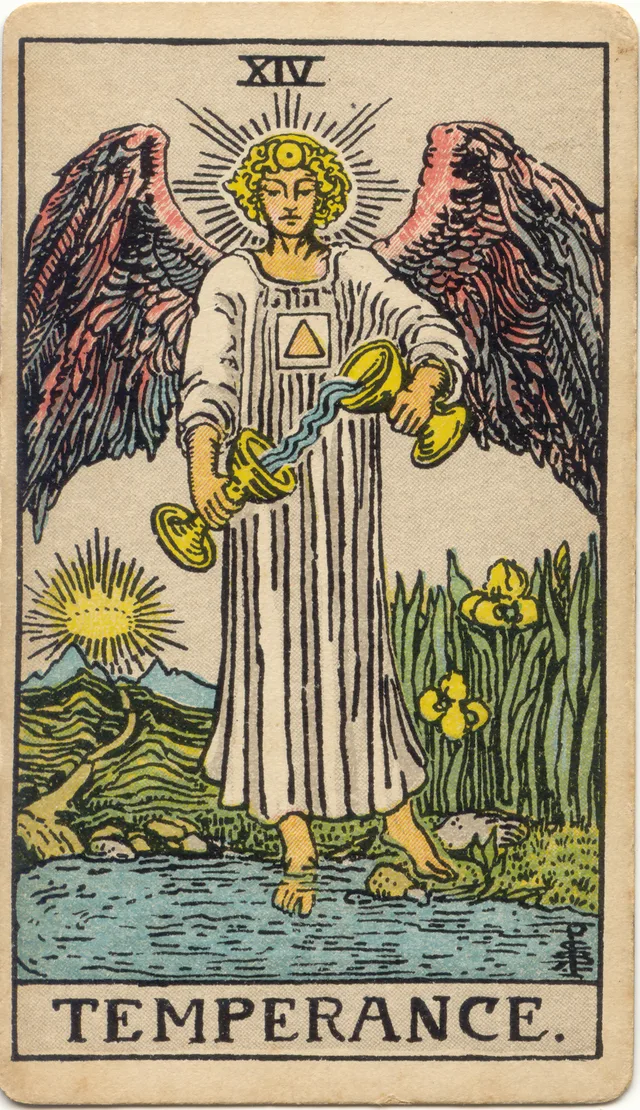

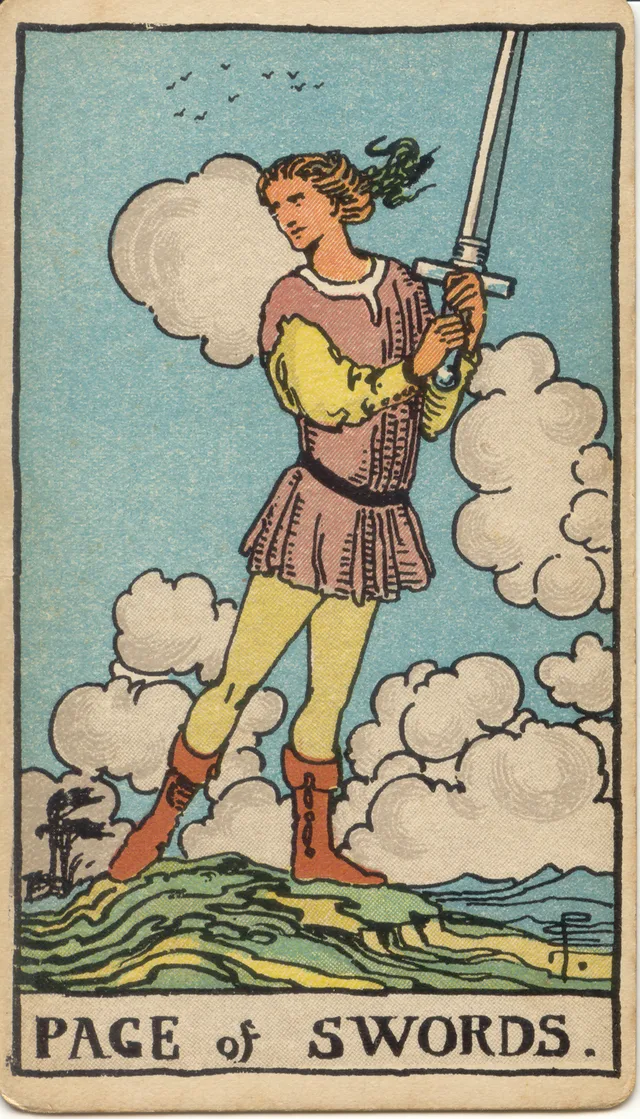
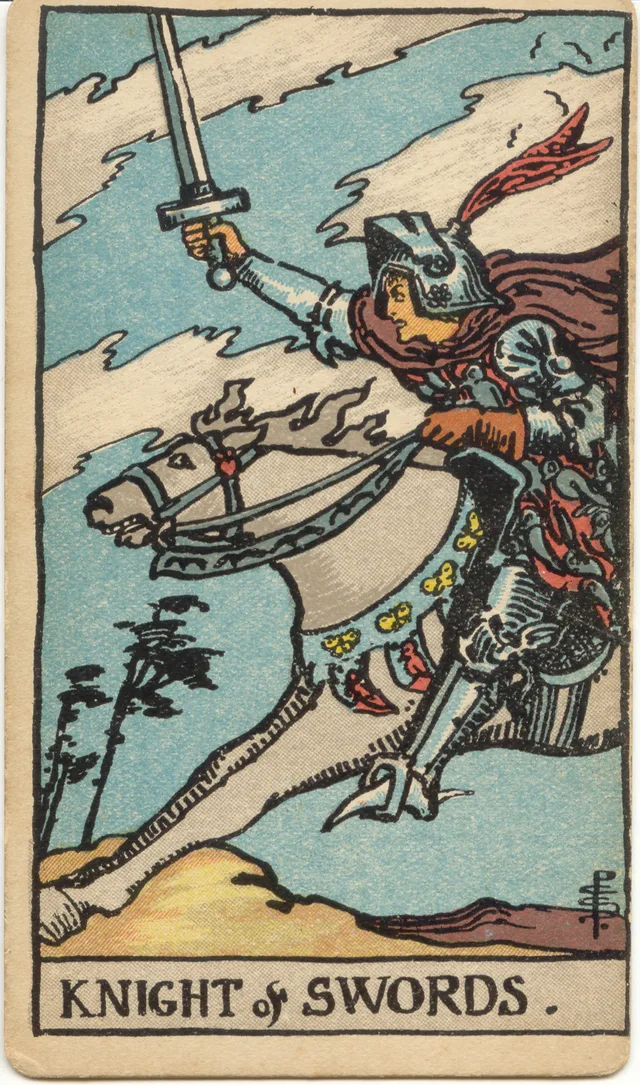
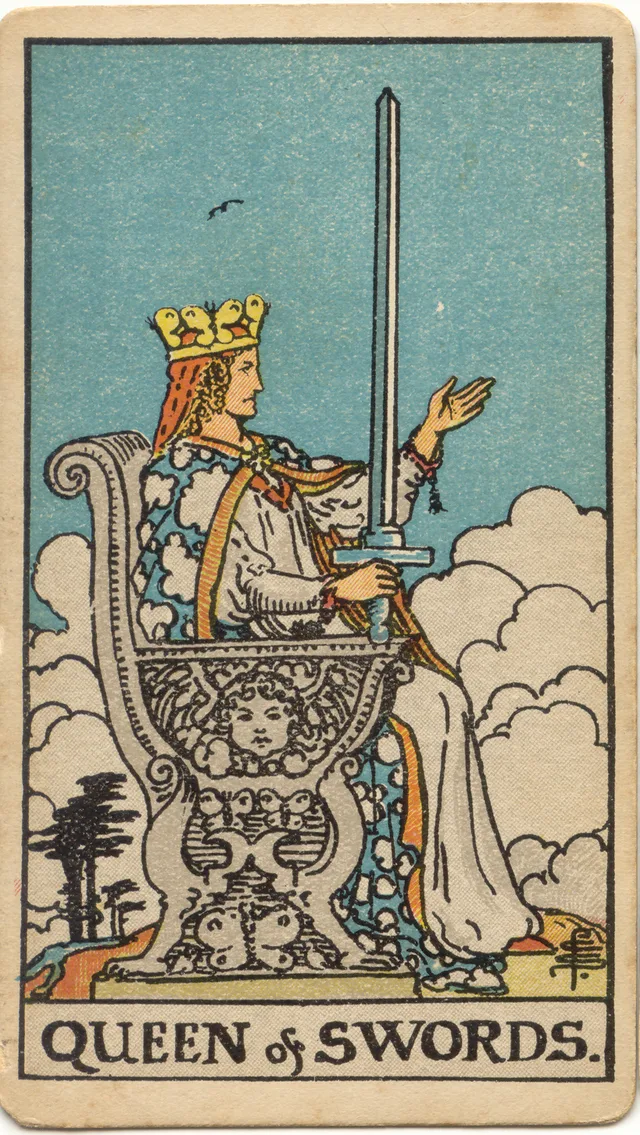
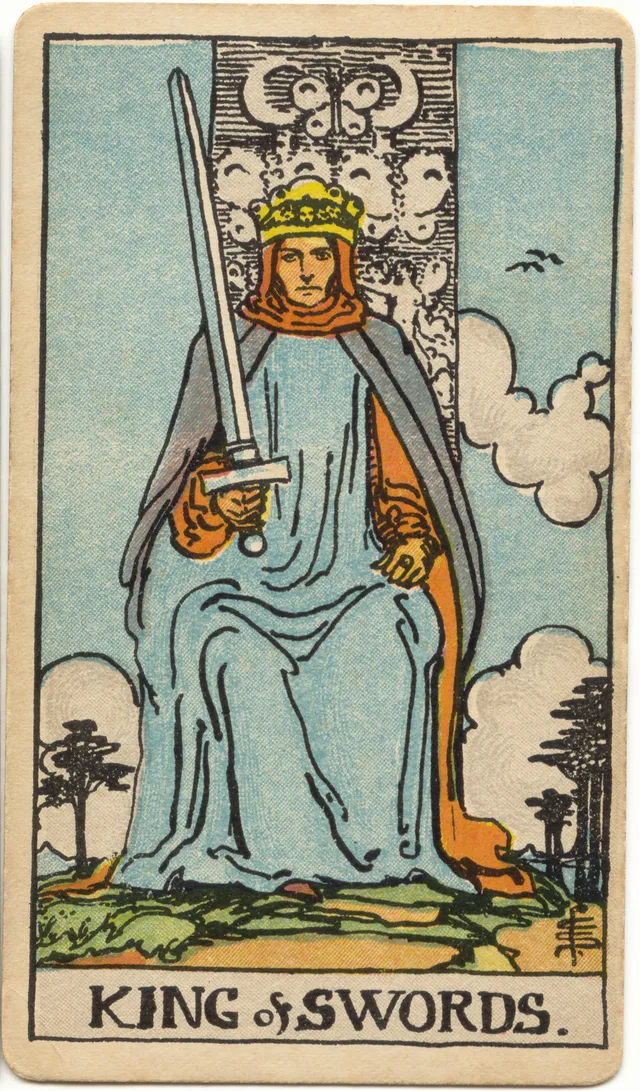
Every symbol, explained
The four tools on the table. A cup, pentacle, sword, and wand sit in front of him. Tarot readers often use them to discuss feeling, material resources, thought, and will: four kinds of input a project may need. The tools are available but unused, so the image asks you to identify what you have, what is missing, and what you will actually do next.
The raised wand and the pointing hand. One arm raises a white double-ended wand while the other points down toward the ground. The familiar phrase as above, so below connects an idea with a practical result. The gesture can represent translating intention into action; it does not show supernatural power or guarantee that an effort will succeed.
The lemniscate and the serpent belt. A sideways figure eight appears above his head, traditionally associated with continuity or sustained attention. A snake eating its tail forms his belt, a symbol often linked with cycles and renewal. Together they can prompt questions about repeatable practice and self-discipline, not a claim that ability will renew itself without work.
Red and white, roses and lilies. The inner robe is white and the outer cloak is red. Red roses appear above him and white lilies grow at his feet. Traditional readings use these colours and flowers to contrast desire with clarity, while the combined image suggests that motivation and careful thinking both need a place in an action plan.
The number one, and Mercury. The Magician is numbered one, so the card can mark a first defined step rather than a completed result. Tarot traditions associate it with Mercury and with speech, messages, trade, and practical skill. Use those associations to ask what needs to be communicated or handled, not as evidence that a message will receive a particular response.
The upright meaning, in detail
The essential lesson is moving from intention to a manageable action. Potential becomes useful when you define a task, check the resources and permissions available, and complete a first step such as booking an appointment, sending a draft, or making a request. The card can help you plan that process; it cannot guarantee the outcome.
When this card appears, it can be encouraging to inventory your skills, tools, contacts, and time. It can also reveal a real constraint: money, permission, training, health, or another person's consent. Name the unfinished task and the constraint together, then choose an action that respects both instead of treating delay as a personal failure.
The card is not a wish machine and does not promise luck, rescue, resources, or another person's agreement. Intention matters, but action also depends on capacity, access, evidence, and consent. Read it as a prompt to make a realistic plan, not as a verdict on your worth or skill.
The reversed meaning
Reversed, the commonest reading is available preparation that has not been used: training, a half-built website, or a contact who offered to talk. The delay may come from overload, unclear priorities, missing access, or fear of evaluation rather than laziness. List the resources, the barrier, and one task small enough to complete.
The second is scattered effort: four projects, none finished, or a to-do list standing in for a decision. Too many open tasks make it hard to compare results. Choose a priority using a stated criterion such as urgency, evidence of demand, or available capacity, and pause the rest rather than pretending all four are active.
The third is communication that outruns substance: a CV that exaggerates, a pitch promising work you cannot deliver, or a persuasive person who avoids clear terms. Check claims against examples, references, deliverables, and written commitments. Skill is not the same as honesty, and the card cannot determine another person's motive.
How I read reversals: context over dogma. For someone exhausted by doing too much, narrow the plan and protect capacity rather than trying harder. For someone who has prepared for two years, choose a small test with a review date. In the past position, review unused training; crossing you, identify distraction or a missing resource; in the outcome, ask what evidence would show that the plan is progressing.
In love & relationships
If you're single, this card can prompt an intentional first step rather than a forecast. Send a respectful message, make a specific invitation, or tell someone what you are looking for without pretending certainty. Visibility is useful only when it respects boundaries; another person remains free to decline.
For dating, compare fluent conversation with consistent conduct. Ask about plans, boundaries, and practical details, and allow enough time to see whether actions match promises. Charm is not evidence of compatibility, safety, or commitment.
Inside a relationship, it supports direct speech instead of hints or planned silences. Name the behaviour, impact, and request plainly, while allowing that the other person may see the situation differently. Repair may require boundaries, counselling, practical changes, or a decision to stop; the card cannot choose among them.
The hard conversation includes a specific request rather than only a complaint or hint. Say what you need, ask whether the other person consents, and decide what you will do if the answer is no. A clear response may be disappointing, but it gives you information that guessing cannot.
Skill with words builds a bridge or a stage set, depending on what you use it for.
- Asking for what you want in one unhedged sentence
- Making the first move, not engineering a coincidence
- Turning intention into a plan with a date on it
- Using what you're good at instead of performing someone else's charm
- Mistaking fluency for chemistry itself
- Managing a partner rather than talking to them
- Keeping several people welcoming because choosing closes the others
- Winning arguments with techniques you'd be ashamed to explain
Career
On a job hunt, focus beats volume. Forty generic applications can hide what you offer; one tailored application that names the employer's stated need may communicate more clearly. Use the employer's actual process, keep your summary concise, and do not assume a direct message is welcome unless the organisation invites it.
In the workplace, make your work visible through accurate updates, written summaries, and contributions in the appropriate forum. Visibility is not a substitute for competence, and some roles require confidentiality or listening. Ask how credit is assigned and keep records of your deliverables rather than relying on performance or volume.
For a promotion, ask about criteria and support the request with documented results and a specific role or salary range. If quitting, check notice, finances, references, safety, and the next realistic step before closing the current option. A planned transition is useful, but circumstances may require a faster exit.
Money
His money question is practical: which skills, services, or assets are available but not included in your income plan? Review what people ask you to do, your time and costs, relevant qualifications, and whether charging would be appropriate. A skill is not automatically a viable business; test demand and set clear boundaries.
For spending, audit recurring charges such as an unused gym, software, storage unit, or subscription that renewed. You do not need to reject every pleasure; connect each cost with a decision and cancel or renegotiate what no longer fits. This turns an unclear outflow into information you can act on.
With debt, communicate with lenders or a reputable debt adviser, ask about available arrangements, and compare total interest and fees before consolidating five payments into one. With a windfall, write down taxes, emergency needs, debt, savings, and spending before assigning the rest. Financial advice should come from a qualified source.
Health & wellbeing
Tarot traditions associate Mercury with communication, hands, and movement, but that is not a medical explanation. In a wellbeing reading, consider whether constant switching, screen use, jaw tension, or interrupted sleep is affecting you. Try one task at a time and seek qualified medical support for persistent pain, fatigue, or sleep problems.
For habits, use accessible resources you already own, such as walking shoes, a suitable app, or a friend who has offered to walk with you. Choose one small action, review whether it helps, and adjust without shame. If you need medical care, make the appointment and describe symptoms accurately rather than minimising them.
Life events & big decisions
On a move, define a target date only after checking housing, finances, transport, work, care, and legal requirements. Turn the plan into tasks and review it when conditions change. A date can organise action, but it is not evidence that the move is affordable or right.
Around weddings, review whether the vows describe commitments both people understand and freely choose. Spoken promises can be meaningful, but legal effect depends on local law and the documents you sign. Discuss what the words mean in ordinary life, including finances, care, privacy, and conflict.
After a loss, one concrete administrative task can be more manageable than trying to solve grief. Cancel an account, make a necessary call, or ask someone to handle paperwork with you. Keep expectations small and seek bereavement or legal support when the task is beyond your capacity.
Contracts, deals & signatures
Mercury's association with writing and trade makes this a useful card for reviewing contracts, but the document still needs careful legal and practical scrutiny. Compare the written scope, payment, dates, ownership, confidentiality, liability, and exit terms with what was discussed. Do not rely on warmth or an implied promise that is absent from the agreement.
In negotiation, state a researched number or proposal clearly and explain the assumptions behind it. Ask for specific amendments rather than making a general claim about fairness, and record the response. Silence is not proof that the other party agrees, so confirm the terms in writing.
Some traditions associate Mercury with a short timing window such as weeks, but a card cannot set a deadline or show whether a deal is losing interest. Ask for a written version, check review time and expiry terms, and obtain advice before rushing. A short written summary can clarify what remains unresolved.
Entrepreneurship & business
For starting, focus on one offer, one clearly described customer group, and one realistic way to reach them before adding more services. Write I do X for Y so they can Z, then test whether people understand it and will pay. Check costs, permissions, and funding requirements; do not treat limited funding as a character flaw.
For growth, turn a successful one-off process into documented steps. If you have sold the service three times by improvising, record the common work, quality checks, handoffs, and exceptions. A repeatable process can help the team, but review it when customer needs or legal requirements change.
On hiring, ask for relevant examples or work samples and assess them against the role, rather than relying on interview fluency alone. For business risk, define a capacity and cash threshold before launching a second product, and use actual customer and margin data instead of assuming the first product will fund it.
How it shows up in real readings
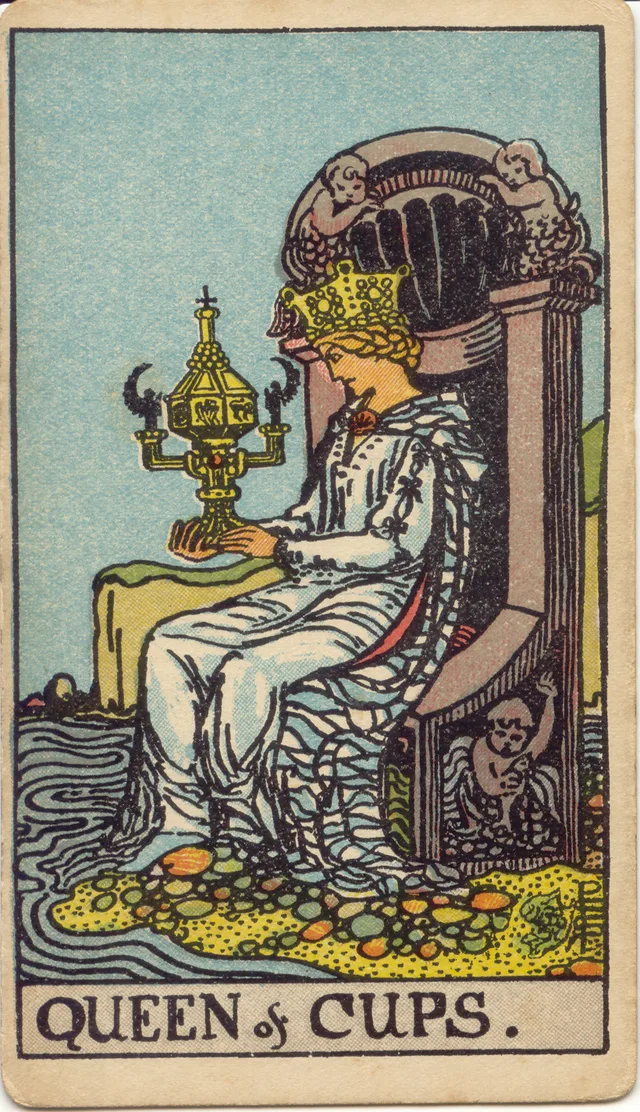
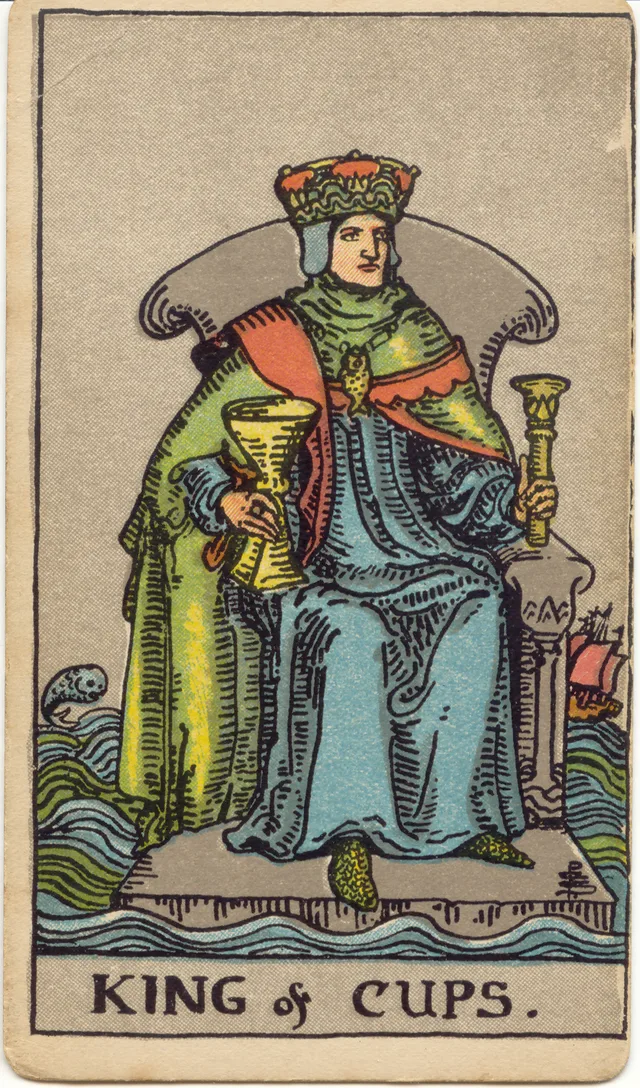
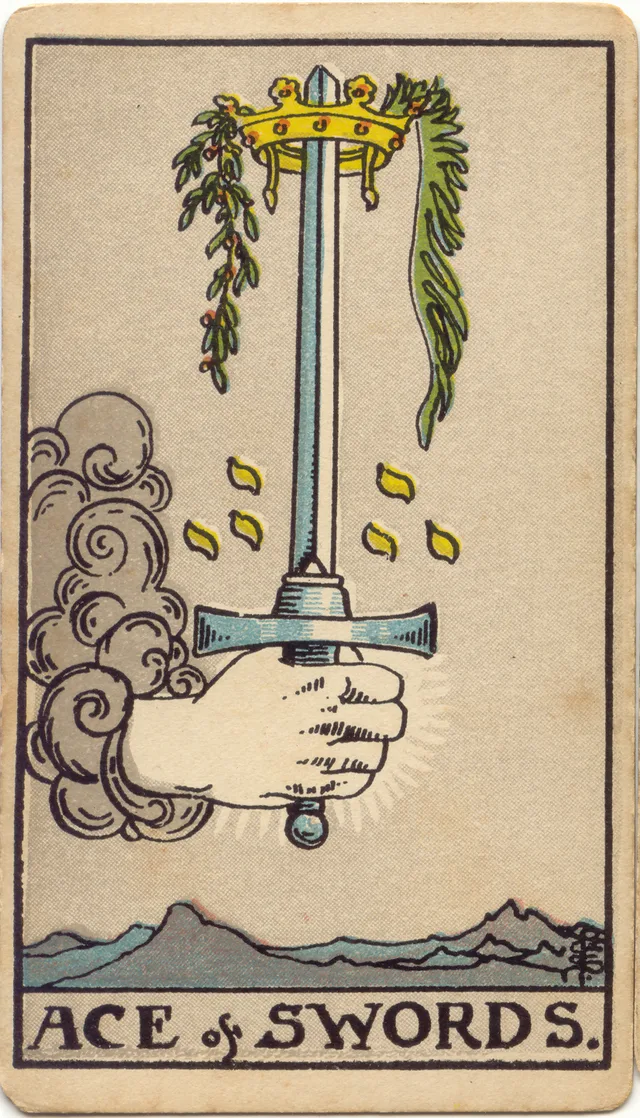
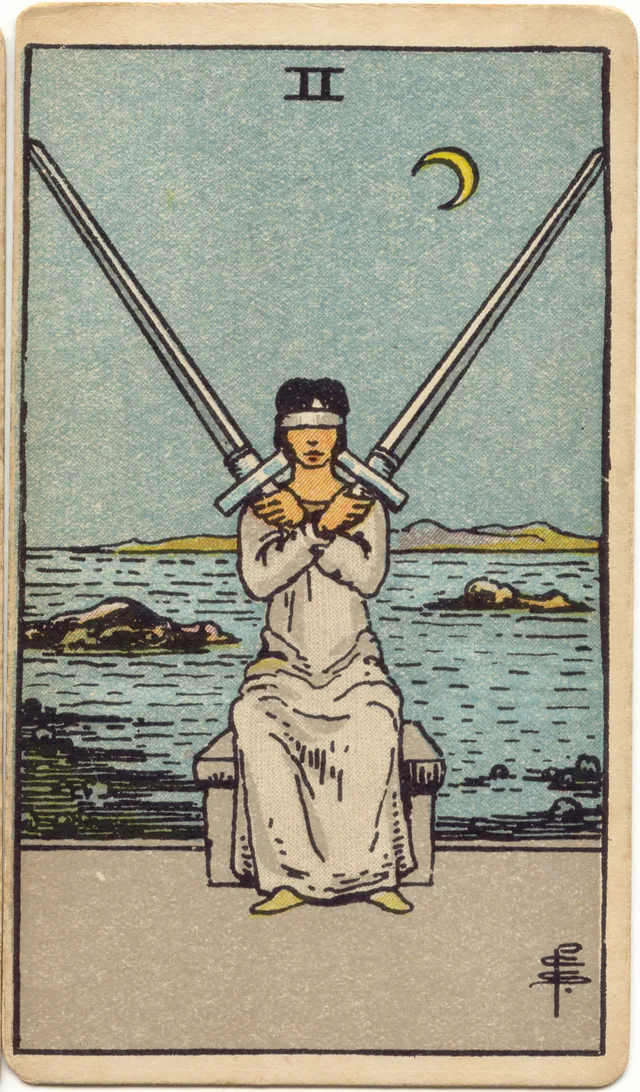
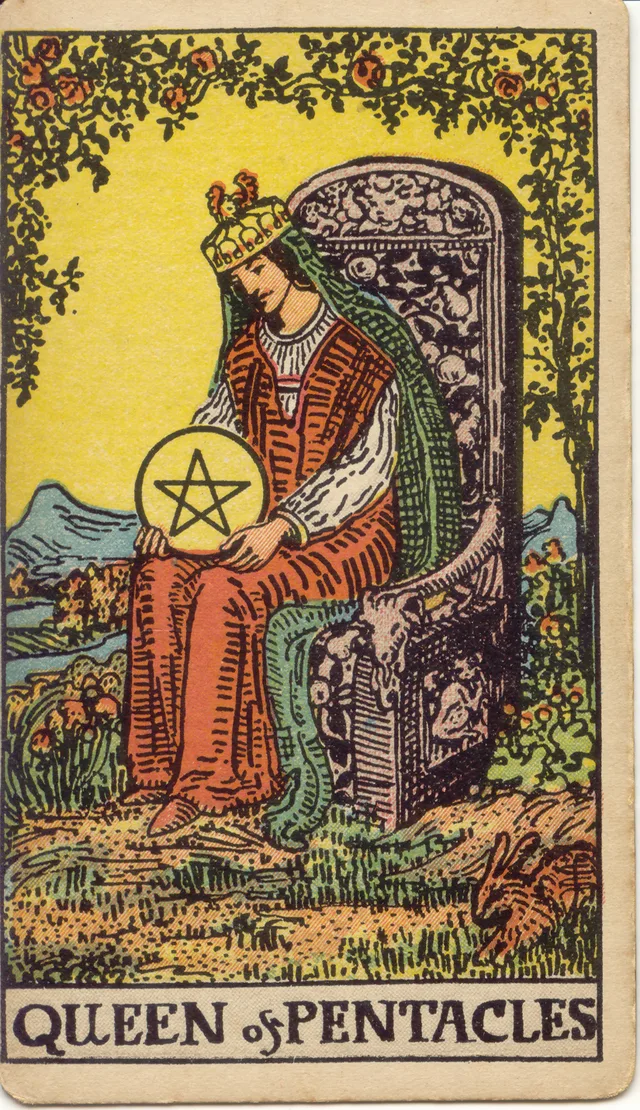
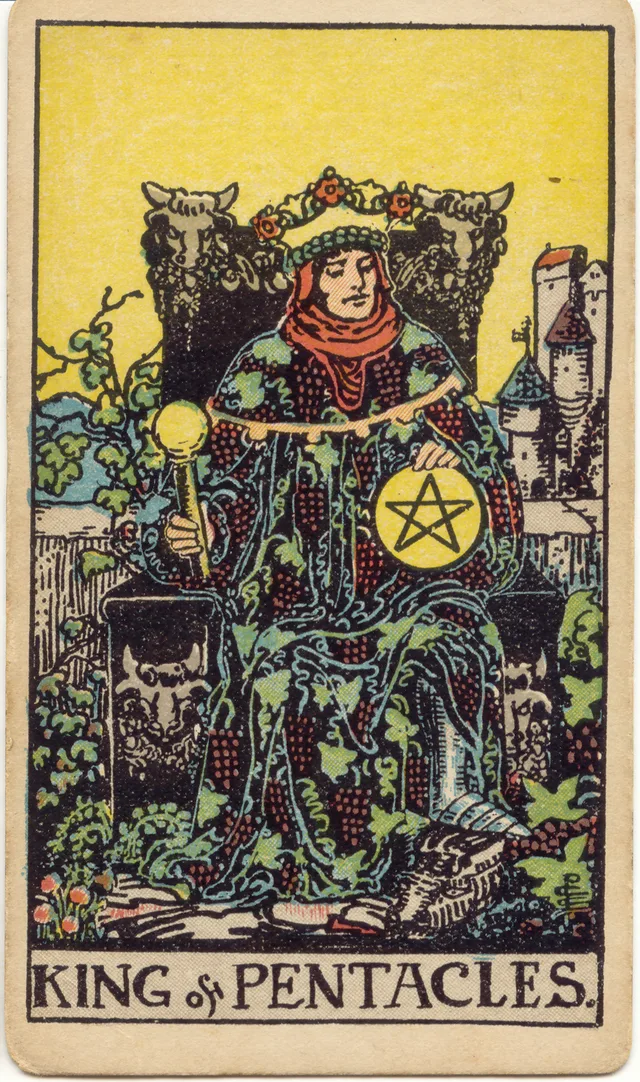
Use the pairing as a planning prompt. After The Fool, turn openness into a defined experiment with a budget and review date. Beside The High Priestess, identify which private observation needs a clear message or which fact still needs checking. With The Chariot, translate focus into milestones. Near cups, review how emotion affects communication; near pentacles, price skill using time, costs, and market evidence.
A woman I read for a few winters back drew this in the position for her own resources and initially said she had none: no capital, no network, no time, and two small children. As we listed her experience, she identified a decade of hospital administration, knowledge of rotas and budgets, and former managers who might need help. She sent four emails offering to solve one specific problem, received two replies, and was consulting by spring at three times her old rate. The useful practice was an honest inventory and a small test; the card did not create the work or guarantee the rate.
What does The Magician mean in tarot?
What does The Magician reversed mean?
Is The Magician a yes or no card for love?
How soon do things happen with The Magician?
What's the difference between The Magician and The High Priestess?
If the Magician has come up for you today, write the outcome you want in six months and the constraints that matter now. Choose the smallest action that depends on you, such as a message, invoice, or first draft line, and set a review point. If another person's consent or a professional assessment is required, include that step.
Record the other ideas so they are not lost, then return to the chosen task until the review point. Finishing one small piece can give you useful evidence about the next decision, but it cannot guarantee that the larger plan will work. If you'd like a brief reflective practice, the free daily draw is there most mornings.
The Magician can prompt an inventory of skills, contacts, time, and tools already available, without proving that they are sufficient. Identify the missing piece, then choose a practical next step instead of preparing indefinitely.
Related cards and themes
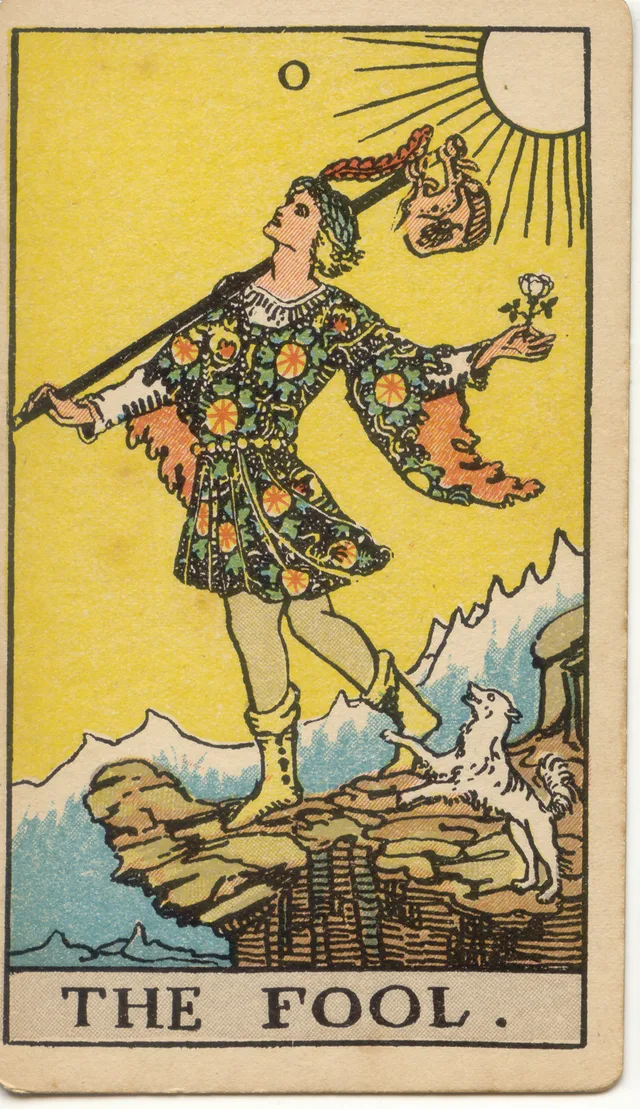
The Fool
Card 0, The Fool, begins with openness; The Magician turns that openness into a defined aim, available tools, and a first action.
Read this card's meaning →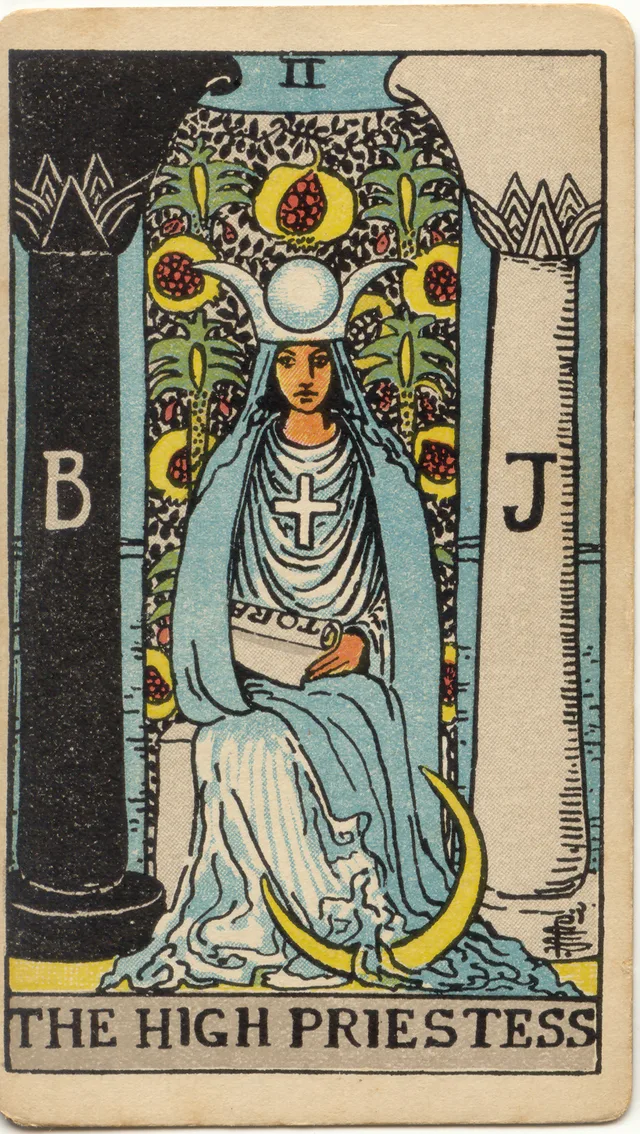
The High Priestess
The High Priestess pauses with private observations; The Magician makes a clear message or action from what is ready to be shared.
Read this card's meaning →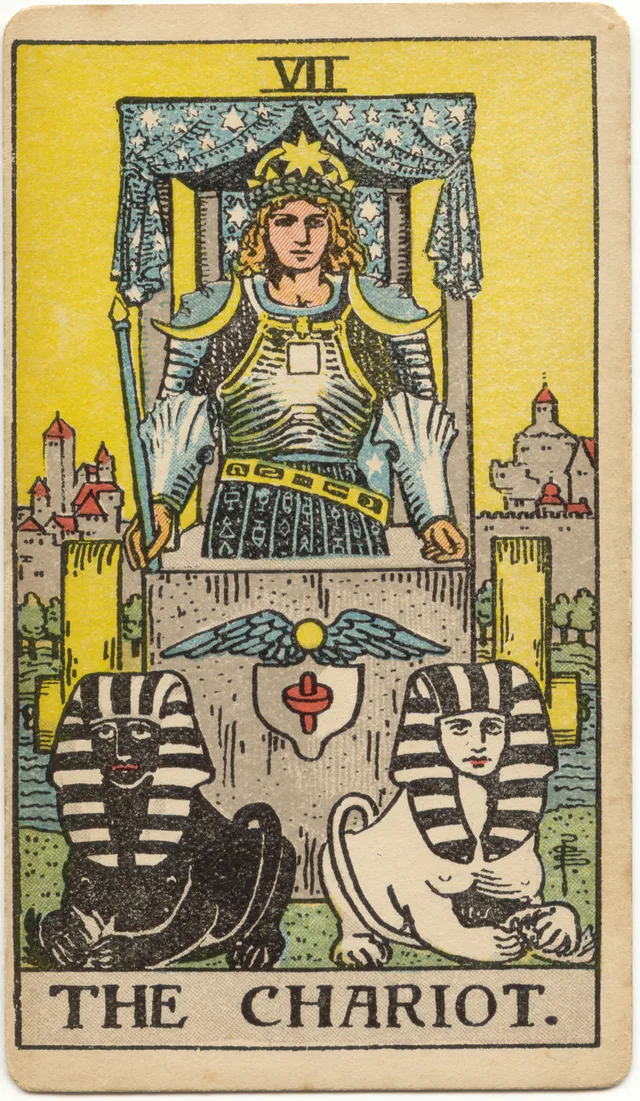
The Chariot
The Chariot develops The Magician's focused first action into sustained direction and disciplined movement.
Read this card's meaning →