Justice Tarot Card Meaning
Justice uses scales and a sword to represent fairness, evidence, and accountability. In a reading it can prompt a closer look at a decision, contract, or relationship in which responsibilities may be uneven. The image cannot establish who is right or guarantee a consequence; review the facts, your part, the other parties' consent, and the standards that apply.

What's pictured on the card
A robed figure sits between two stone pillars, wearing a red cloak and a small crown, holding an upright double-edged sword in one hand and balanced golden scales in the other. A purple veil hangs behind. The raised sword points to clear, impartial truth; the scales weigh consequences fairly. The image points to fairness, owning your actions, cause and effect, and taking responsibility, the steady reckoning that comes from weighing things truthfully and standing by what's right.
Justice upright: the core meaning
Justice holds the scales in one hand and an upright sword in the other, weighing things fairly. Today asks for fairness and clear-eyed truth, with yourself as much as with others. Own your part, weigh the facts with a clear head, and make the choice you could still stand behind tomorrow; balance comes from honesty, not convenience.
You may feel a quiet pull today to set something straight, to be frank about your part, or to seek fairness where things have felt lopsided. There might be a decision that needs your clear head rather than your busy emotions. Underneath, you know the truth of a situation even when it's easier not to look at it. That nudge towards honesty isn't guilt; it's your integrity asking you to act in a way you can respect.
Deal in truth today, both with yourself and with others. Weigh facts, unknowns, values, and consequences before choosing. At work, be fair and transparent while recognising that owning a mistake cannot control another person's response. In love, speak honestly and kindly rather than assuming silence will clear the air. With money, use the real numbers. If family feels unbalanced, name the issue without promising a quick repair. Take responsibility without punishing yourself.
Three simple ways to work with this card
- Own your part in something today, without harsh self-blame, accountability and self-kindness can sit side by side.
- Look squarely at the real facts of a decision before you act, rather than the story you'd prefer.
- Address one situation that's felt unfair by speaking up in a steady, clear way to the person it involves.
Where is a fair choice asking to be made today?
Every symbol, explained
The sword, upright and double-edged. The figure holds a sword upright in her right hand rather than pointing it at anyone. Both edges can symbolise a decision that considers more than one side, while the image cannot establish truth, guilt or a person's share of responsibility.
The scales, already level. The scales hang from her left hand and appear balanced. They are not shown weighing documents, so the image can represent a standard for comparison rather than a completed assessment. It cannot show that a real situation is balanced or that consequences will follow in a particular way.
Red robe, green mantle, square clasp. The red robe can connect the figure with public authority, while the green mantle may suggest growth. A square clasp near her throat can evoke structure or a written commitment. These are visual associations, not proof that a law, contract or fair process applies to a reader's situation.
The purple veil and one white shoe. The figure sits between two columns with a closed purple veil behind her. A white shoe shows beneath her robe, making the pose look ready to move. The scene can contrast visible process with hidden information, but it cannot reveal a secret or predict a verdict.
Eleven and Libra. Justice is numbered XI, and some traditions associate it with Libra. That correspondence can add themes of balance and comparison, while the number can connect the card with a midpoint in the Major Arcana. Astrology and numerology cannot establish fairness, motive or an outcome in a real dispute.
The upright meaning in detail
Justice can prompt a careful review of actions, agreements, responsibilities and consequences without reducing accountability to punishment. An avoided conversation, unstated boundary or unpaid invoice may be useful examples, but the card cannot establish that anything has accumulated or who is responsible. Check the records and the people involved.
Some readers become more serious when they see Justice and connect it with a family, work or contract question. That reaction belongs to the reader and is not evidence of guilt or a fair measurement. Ask what facts and standards are relevant instead of treating discomfort as a confession.
Justice can also frame a reported imbalance, such as pay, care work or shared responsibility. The card cannot confirm that unfairness exists or that another person has failed. Compare duties, records, agreements and relevant standards, and name concerns in a suitable setting.
What the card is not saying matters. It cannot promise a win, deliver revenge or establish that another person wronged the reader. Fairness can be a useful value, but the facts, applicable standards, consent and qualified advice must guide any real decision.
The reversed meaning
One reversal theme is a postponed review: an unanswered email, an accountant not contacted or a story that changes with each retelling. The card cannot establish what is known, why contact was delayed or whether consequences are accumulating. Check dates, records and the person's account.
A second reversal theme is a process the reader experiences as biased: unequal workplace treatment, a settlement shaped by unequal access to advice or a family arrangement that assigns one person most of the cost. The card cannot prove bias. Gather evidence, dates and written confirmations, and use an appropriate adviser or process.
A third theme is self-blame that keeps returning to an old decision, including one from 2013, or taking responsibility for a shared failure. The card cannot assess what was or was not the reader's responsibility. Separate facts, controllable actions and another person's conduct.
Read the reversal through context rather than a fixed rule. If a reader reports guilt, consider whether responsibility is proportionate; if they report being wronged, review evidence without assuming either side is wholly responsible. In practical questions, official delay is one possible theme, not evidence that a claim or decision is stalled.
In love & relationships
For someone single, Justice can prompt a review of recent choices, repeated patterns and boundaries. Listing the last three relationships may help organise the discussion, but the card cannot identify a pattern or show that someone has been unfair to themselves. Compare conduct, stated needs and actual terms.
In an established relationship, Justice can prompt a practical list of appointments, household tasks, care, money and career compromises. Equal effort need not mean identical tasks, but both people should be able to discuss the arrangement and consent to it. The card cannot establish resentment or whose contribution is greater.
A difficult conversation can state one specific imbalance and the change requested, rather than presenting an unverified case about four years of history. For example, 'I've handled bedtime nineteen nights running and need us to agree a different plan' is clearer than an accusation. The card cannot decide who is right; use observable examples and allow the other person to respond.
Fairness can support a relationship when discussed openly, while scorekeeping can make a conversation adversarial. Conduct and consent provide the context.
- Naming an imbalance in one sentence, before it hardens into grievance
- Owning your exact share of a row, not the whole thing to end it faster
- Agreeing who does what out loud instead of assuming it's obvious
- Choosing a relationship whose responsibilities can be discussed and shared
- Keeping a private tally you produce as evidence mid-argument
- Confusing fairness with sameness, agreed effort is the goal, not identical
- Waiting for them to notice the unfairness so you needn't say it
- Judging yourself by a standard you'd never impose on anyone else
Career
On a job hunt, Justice can prompt evidence over broad enthusiasm: measurable results, dates, responsibilities and relevant skills. Review probation terms, discretionary bonuses, pay and conditions before accepting. The card cannot establish that an employer will be fair or that an application will succeed.
Inside a workplace, it can frame credit, workload and role clarity. Keep records of contributions, requests and agreed responsibilities, and use the organisation's process if work is misattributed. An email creates a record, but it cannot guarantee recognition or resolve a dispute.
For promotion, compare the criteria with documented work and ask how decisions are made; the card cannot establish merit or predict selection. For leaving, review notice, handover, confidentiality and references, and communicate professionally without assuming how others will respond.
Money
Justice can prompt a reconciliation of intended and actual finances. Review statements, income, expenses, debts and subscriptions rather than relying on a rough impression. The card cannot assess the size of a problem or predict how a review will feel.
It can frame money owed in either direction, including tax, refunds, deposits, invoices past sixty days or a loan made in 2022. Check the written agreement, deadline and legal position. A written request or payment proposal may help communication, but the card cannot establish entitlement or control another person's response.
On spending, Justice can prompt a review of proportion and unexamined outflows such as forgotten subscriptions or standing orders. The card cannot show that a refund, back pay or estate payment is due. Check statements, contracts, tax records and provider communications.
Health & wellbeing
The sword and scales can provide language for mental review, rehearsed arguments or concern about fairness. The card cannot link jaw or shoulder tension to resentment or assess a health cause. If stress or pain persists, consult an appropriate clinician and address relationship concerns separately.
For habits, a one-week record of eating, drinking, sleep and movement may be an optional reflection exercise, not a treatment prescribed by the card. It cannot identify an imbalance or explain a postponed appointment. Use reported symptoms and qualified health advice for care.
Life events & big decisions
Around a move, Justice can prompt review of surveys, lease clauses, boundaries and service charges. The card cannot show that an emotional decision is settled or reveal an omitted term. Ask for verbal promises in writing and obtain appropriate property or legal advice.
Around a wedding or commitment, it can prompt discussion of debt, savings, ownership, career plans and future responsibilities. Talking about terms is not a prediction of trouble, but the card cannot establish that a couple will be steadier. Record agreements and respect each person's consent.
After a loss, Justice can frame administration such as probate, a will, an estate or disagreements about distribution. The card cannot establish that a document is valid, that an arrangement is unfair or what a deceased person intended. Use the documents and qualified legal advice, and keep financial disputes separate from assumptions about love.
Contracts, deals & signatures
The square clasp can make written commitments a useful theme beside a signature. In practice, review the document, attachments, incorporated terms and written amendments; a card cannot decide what is legally binding. Record any material promise before signing and seek appropriate advice.
In negotiation, evidence such as comparable figures, delivery records and written terms can support a position. State needs and alternatives clearly rather than assuming an offer will be fair. The card cannot favour either party or assess the other person's motives.
Legal, conveyancing and claims processes may have institutional timelines. Justice cannot predict speed, and repeated contact cannot guarantee acceleration. Keep dated written follow-ups at stated deadlines and check the official process. Reversed symbolism can raise delay as a theme, not a forecast of delay or collapse.
Entrepreneurship & business
For starting a business, Justice can prompt a founders' agreement covering equity, responsibilities, decision rights and client information. The card cannot establish that partners trust one another or predict a partnership's durability. Put material agreements in writing while everyone has a chance to review them.
For growth, it can prompt a review of pricing, scope, unpaid work, tax reserves and invoice terms. Compare costs, market information, capacity and written commitments; the card cannot establish a fair price or decide what a client owes.
For hiring, it can prompt consistent questions, documented criteria and offers tied to the role. For compliance, check licences, worker classifications, tax and regulatory duties. The card cannot guarantee accuracy or identify a legal risk; qualified advice and records are needed.
How it shows up in real readings
Beside The Emperor, explore rules, authority and structure; beside The Hanged Man, explore suspension and a changed perspective; alongside Judgement, explore a broader review. These pairings cannot identify what is really at stake, predict a wait or determine an outcome.
A client of mine came two years ago certain of her position: a business partner had taken advantage of her, and she wanted to know whether her claim would go her way. Justice sat in the centre of the Celtic Cross, upright and unmoved. What surfaced across the rest of the spread was that in six years she'd never once put an expectation in writing, she'd been generous, informally, repeatedly, and assumed it was understood. The card could not establish that she was wronged or that silence caused half the imbalance. We used it to examine the written record, the expectations and the options for settlement. She settled, and every arrangement since has been on paper.
What does Justice mean in tarot?
What does Justice reversed mean?
Is Justice a yes or no card for love?
How soon do things happen with Justice?
Does Justice mean I'll win my court case?
If Justice has appeared, a useful reflection may be practical: open the statement, reread the clause or draft a short factual email. Check consent, privacy and the relevant process before sending anything. Fairness is an aim supported by ordinary acts of accuracy, not a result guaranteed by the card.
You can also review your own responsibility without taking on another person's. If you would like a small daily practice while considering fairness, the free daily draw is there each morning. It cannot establish fault or decide what a fair response is.
Justice can frame fairness, consequences, and responsibility rather than punishment. Review what happened, what was done to you, the evidence, and whose interests are affected before choosing a proportionate response in practice.
Related cards and themes
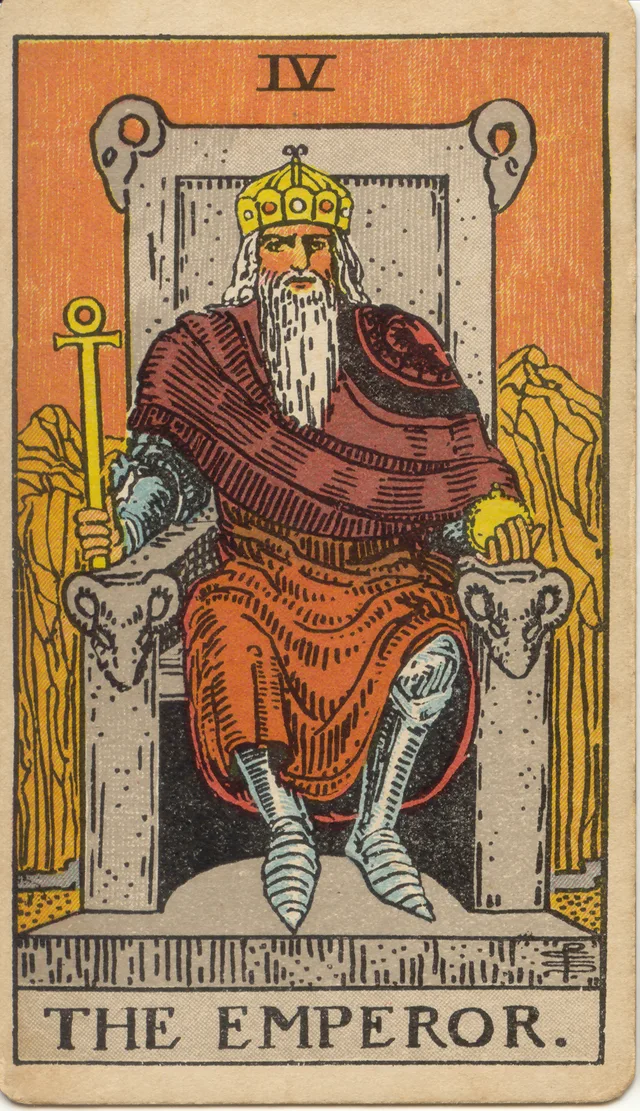
The Emperor
The Emperor explores authority and structure, while Justice examines fairness and accountability. Together they can prompt review of who makes rules and how they are applied.
Read this card's meaning →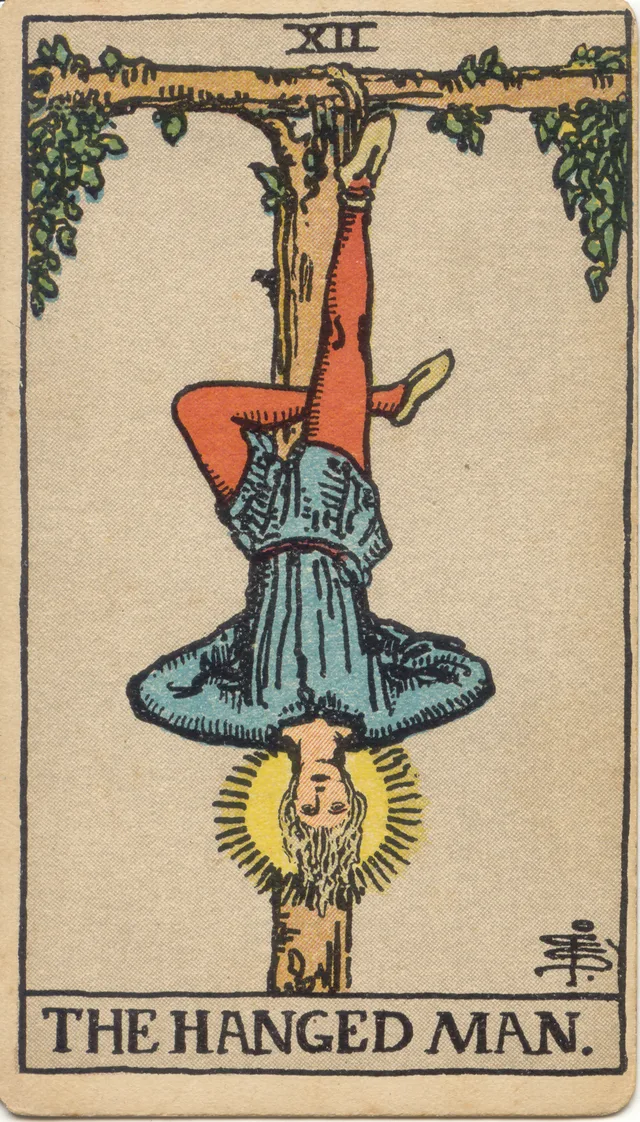
The Hanged Man
The Hanged Man follows Justice in the Major Arcana and explores suspension or a changed perspective. The pairing can discuss waiting without implying that a verdict has occurred.
Read this card's meaning →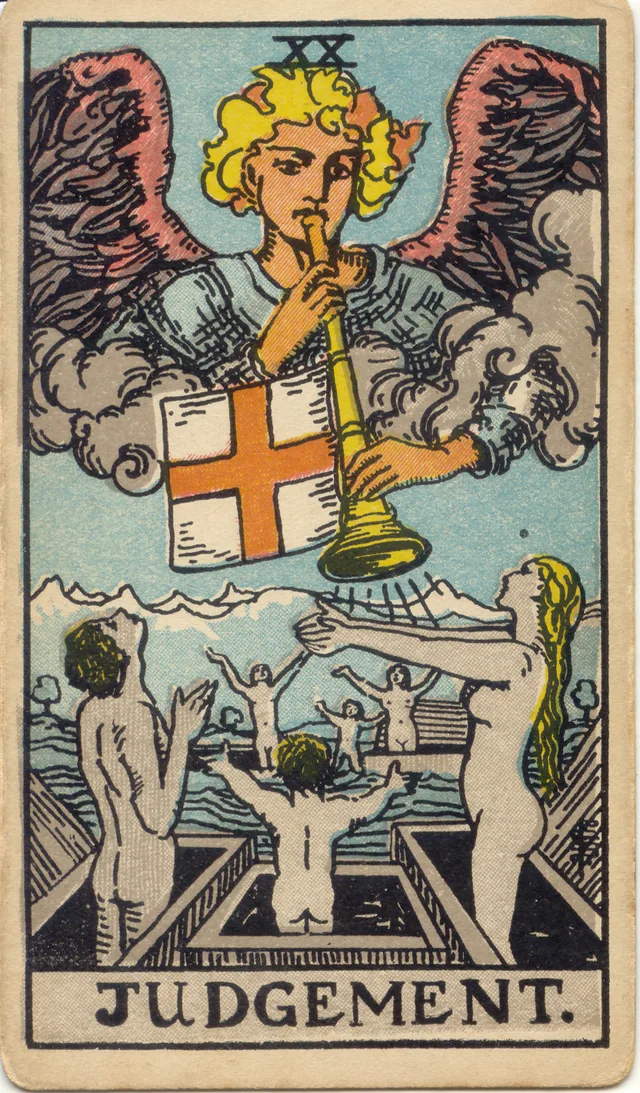
Judgement
Justice can frame a particular decision, while Judgement can frame a wider review of a chapter. The pairing invites questions about facts, responsibility and values without issuing a verdict.
Read this card's meaning →