Three of Swords Tarot Card Meaning
The Three of Swords depicts a heart pierced by three blades beneath rain, representing hurt, disappointment, grief, and difficult truth. It can help name pain that deserves care, but it cannot prove that harm is present, predict a painful event, or prescribe a healing timeline. Use direct communication and appropriate support alongside reflection.

What's pictured on the card
Three swords pierce clean through a plump red heart suspended against a stormy grey sky, with rain falling in straight, heavy lines. There's no figure here at all, just the heart, the blades, and the weather. Smith stripped the image right back on purpose, so nothing distracts from the ache. The starkness names hurt plainly instead of dressing it up; it does not set a timetable for recovery or promise that the rain will clear.
Three of Swords upright: the core meaning
Three swords pierce a single heart against a rainy sky in the Three of Swords, plain and unflinching about hurt. Today may touch a sore spot, a hard truth, a disappointment, a grief that needs air. Don't rush to patch over it. Let yourself feel it; naming the pain is the first real step to healing it.
Something sits heavy in your chest today, and you may be working hard to look fine. There can be a strange loneliness in carrying a hurt no one has asked about, a sense that you should be over it by now. You're not weak for still feeling it. Grief and disappointment don't run on a schedule, and the tightness you keep swallowing is simply love with nowhere to go yet. It's asking, to be acknowledged rather than managed.
Give the feeling somewhere to land instead of bracing against it. A cry, a walk, or time with someone kind may help you acknowledge what hurts, without promising a particular pace of healing. If work feels impossible, lower the bar and do the essential thing. In love, distinguish understanding a hurt from repeating the story about it. If an apology is owed, consider whether a safe, specific conversation would help. Be tender with your body and seek qualified support when needed; a card cannot assess health.
Three simple ways to work with this card
- Set a timer for ten minutes and let yourself feel the hurt fully, then make a kind drink.
- Text one person who feels safe and tell them, plainly, that today is a tender one for you.
- Write the sentence you wish someone would say to you right now, then say it to yourself in a soft, kind voice.
What hurt might begin to ease if you let yourself feel it fully today?
The heart, the blades and the rain
The heart, suspended. A red heart floats in the centre without a body, setting, or personal story around it. The simple composition makes emotional pain easy to recognise, while leaving the cause and context open. The image can help a reader name a feeling, but it cannot identify who caused harm, prove that harm occurred, or describe a person's condition.
Three swords, clean and direct. Three blades pass straight through the illustrated heart. Their clear direction can be read as a symbol for an upsetting statement, conflict, or realisation that feels precise rather than vague. Swords are often associated with thought and language, so the picture can prompt questions about what was said or understood. It does not prove that a particular statement was true or harmful.
The rain. Grey clouds and vertical rain fill the background. Rain can represent sorrow, exposure, or time around a difficult feeling. Some readers connect it with clearing and renewal, but the illustration cannot promise that pain will end or set a timetable. It is weather, not evidence about a reader's future.
No blood. The blades pierce the illustrated heart without realistic blood. That keeps the scene symbolic rather than a literal injury. It cannot assess physical safety, mental health, survival, or the seriousness of a real event. Seek help for an actual injury or urgent concern.
Three, and Saturn in Libra. In one traditional astrological correspondence, the Three of Swords is linked with Saturn in Libra. Readers may use that pairing to discuss limits, responsibility, judgement, and relationships. It is a symbolic framework, not evidence that a judgement is accurate or that a feeling proves a particular story.
The upright meaning in detail
The Three of Swords is commonly used to name emotional pain without minimising it. The subject may be romantic, a friend's disclosure, a family conversation, a rejection, or an email closing an opportunity. Use the image to describe the event and feeling plainly. The card cannot establish that hurt exists; experience, records, and direct conversations provide that information.
The swords can represent a conversation or realisation that makes a problem more specific. Naming an issue may hurt while reducing uncertainty, but the card cannot decide whether a statement is true. Separate what was said, what can be verified, what you inferred, and what you need to ask.
The image can support reflection on delivering difficult information. If a conversation concerns an ending, changed plan, or boundary, prepare facts, choose an appropriate setting, and allow a response. The card cannot decide whether disclosure is necessary or safe.
What it is not saying: this card does not forecast devastation, permanent damage, irreversible loss, or recovery. The rain is part of the picture, but it cannot tell you when circumstances will change. If grief or distress is affecting daily life, use trusted people and qualified support; a symbolic reading should not replace care.
The reversed meaning
One reversed reading is pain being managed privately while it has not been discussed or understood. A calm, organised response may be healthy, protective, or simply what the person can do today; the card cannot diagnose avoidance or suppression. Ask what support is wanted, what feeling is present, and whether practical responsibilities leave room for care.
Another reversed reading concerns repeatedly returning to an upsetting event after information has not changed, perhaps replaying it at 3am. Repetition may be processing or exhausting. Track what reflection gives you, limit conversations that intensify distress, and seek qualified help when thoughts interfere with daily life. The card cannot set a grief deadline.
A third reversed reading is a change in how a painful event is experienced: an acute reaction may feel less immediate or easier to describe. That is not proof that recovery is underway, the worst has passed, or the situation has improved. Look at symptoms, functioning, support, and the person's account rather than assigning progress from the card.
The reversal can also bring an unspoken conversation into focus. A draft message, delayed boundary, or unclear ending may need review, but the card cannot tell you that speaking is required or that delay is harmful. Consider consent, safety, power differences, and the practical consequences before deciding how to communicate.
In love & relationships
For someone single, the Three can invite reflection on an ambiguous ending, rejection, or loss of contact. It does not explain why another person stopped responding, keep anyone single, or predict a new connection. Describe what is known, decide what contact or closure is appropriate, and give yourself support without treating the image as a verdict about the future.
In an existing relationship, the Three can frame a painful argument or a statement that changed how the partners understand an issue. The card cannot decide whether the statement was true, whether the relationship should end, or whether repair is possible. Check what each person meant, what conduct followed, whether an apology or boundary is needed, and whether communication is safe.
The image can be used when a reader is considering a breach of trust, such as a confidence being shared or an expectation changing. The card cannot establish betrayal, identify a motive, or prove where someone stands. Compare messages and actions with what was agreed, and choose a response that respects consent, safety, and your own boundaries.
Acknowledging hurt can open a conversation about repair, boundaries, or an ending; the card cannot decide which path fits.
- Naming what actually hurt instead of rounding it into something manageable
- Having the painful conversation that makes real repair possible
- Releasing a connection that was doing damage by staying ambiguous
- Allowing grief to be present without treating it as proof of a particular relationship story
- Treating emotional pain as a logic problem rather than a feeling to move through
- Staying so composed the other person never sees what they did
- Replaying the wound as a story about yourself rather than something you're healing
- Using honesty to wound rather than to inform
Career
At work, the Three can help name disappointment such as a missed promotion, difficult feedback, or removal from a project. The card cannot establish why a decision was made or how serious the consequences are. Record what happened, request the relevant explanation, and use workplace policies, trusted support, or professional advice before responding.
It can symbolise difficult professional conversations such as feedback, redundancy discussions, or mediation. Prepare questions, documents, and boundaries; the card cannot establish that a statement is true or predict the result of a conversation.
For someone considering leaving a role, the Three can frame hurt, uncertainty, and consequences as topics for reflection. It cannot reveal an employer's decision or certify an internal change. Compare the person's account with written terms, finances, alternatives, and the practical effects of leaving.
Money
Financially, the Three can symbolise disappointment, loss, or disagreement. It cannot establish that a loss occurred, that it is unavoidable, or that a refund will not arrive. Check statements, receipts, written terms, deadlines, and the other party's communication, then seek qualified financial or legal advice where appropriate.
It can also prompt a factual review of a financial problem without diagnosing avoidance or promising a less severe outcome. Use verified numbers, a written plan, and qualified advice; the card does not estimate the size or duration of a loss.
Health & wellbeing
The heart and blades can symbolise grief or an intense bodily feeling, but the image cannot diagnose grief, sleep or appetite changes, suppression, exhaustion, or any other condition. Track reported symptoms and use qualified support for health concerns.
The rain can prompt reflection on making room for feeling, rest, or a supportive conversation. The card cannot prescribe an exercise, set a recovery window, or predict faster resolution. Care should follow the person's needs and qualified guidance.
Life events & big decisions
Around an ending or changed plan, the Three can represent the emotional impact of a difficult fact already being discussed. It cannot establish that an ending happened or that anyone is facing reality. Use records, direct statements, and the person's account.
Around a painful decision, the Three can bring hurt and consequences into the reflection. It cannot identify the right decision or direct an ending, dismissal, or disclosure. Use facts, consent, duties, safety considerations, and qualified advice.
If rejection or loss is already known from real events, the Three can support reflection on meaning and next questions. The card cannot establish that an application failed or promise a workable answer; confirm status with the relevant organisation.
Contracts, deals & signatures
For any significant contract, review dispute, termination, liability, payment, and notice clauses as an independent safeguard, not as an instruction from the card. Use qualified legal or commercial advice when appropriate.
It can symbolise dispute or settlement as themes but cannot show that a deal has broken down or that someone is aggrieved. Records, the parties' direct statements, and qualified advisers establish the facts.
For creative and service contracts, the Three can prompt questions about changed terms or different understandings. It cannot show that either occurred. Confirm any change in writing and use appropriate advice.
Entrepreneurship & business
In business, the Three can symbolise disappointment around a launch, partnership, customer complaint, or breach of expectations. It cannot establish failure, mismatch, or misplaced trust. Metrics, conduct, customer records, and written terms provide the information.
For a client-facing business, it can prompt a careful review of a complaint, a strained relationship, or feedback that is difficult to hear. Separate the customer's report from assumptions about motive, check the service record, and decide what remedy or explanation the terms require. A card cannot tell you whether feedback is accurate.
When deciding whether to continue a difficult business relationship or project, list the measurable costs, benefits, risks, obligations, and changes already attempted. Ask whether the arrangement is meeting its stated purpose and whether a safe, realistic repair is available. The card cannot label difficulty as useful or harmful; evidence and the people involved must do that.
How the hurt tends to land
The Three beside The Star can place pain and hope in one reflection: what support, rest, or rebuilding would help? The Star does not promise recovery. Beside The Moon, the pair can raise pain alongside uncertainty or unspoken concerns. Check what is known, inferred, and safe to discuss with a trusted person.
A reader may bring the Three after an event and ask whether the pain is as serious as it feels. The card cannot rank severity or establish what happened. I would instead ask what the person experienced, what impact it has had, what support is available, and whether there are immediate safety concerns. Their account and qualified care matter more than a symbolic label.
What does the Three of Swords mean in tarot?
What does the Three of Swords reversed mean?
Does the Three of Swords mean a breakup?
Is the Three of Swords a yes or no card?
What does the Three of Swords mean for the future?
If the Three appears, acknowledgement and perspective can be optional reflection themes. The card cannot show what hurt exists, set a recovery window, or prescribe what will help. Use the person's account and qualified support to decide what care is appropriate.
The rain in the illustration can symbolise a changing emotional atmosphere without promising that pain will end on a timetable. For an optional daily reflective prompt, the free daily draw is there each morning.
The Three of Swords can show pain plainly, but cannot prove what happened or which response will help. Use it to frame questions and seek context.
Related cards and themes
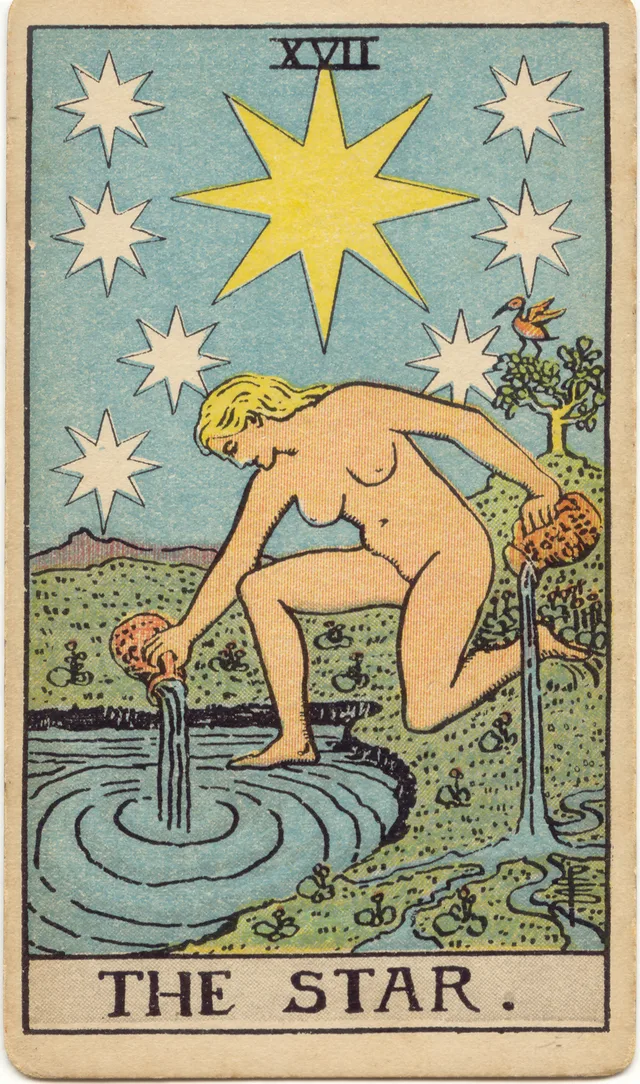
The Star
The Star can place hope, rest, and rebuilding beside the Three of Swords' themes of hurt; neither card can measure recovery or promise a result.
Read this card's meaning →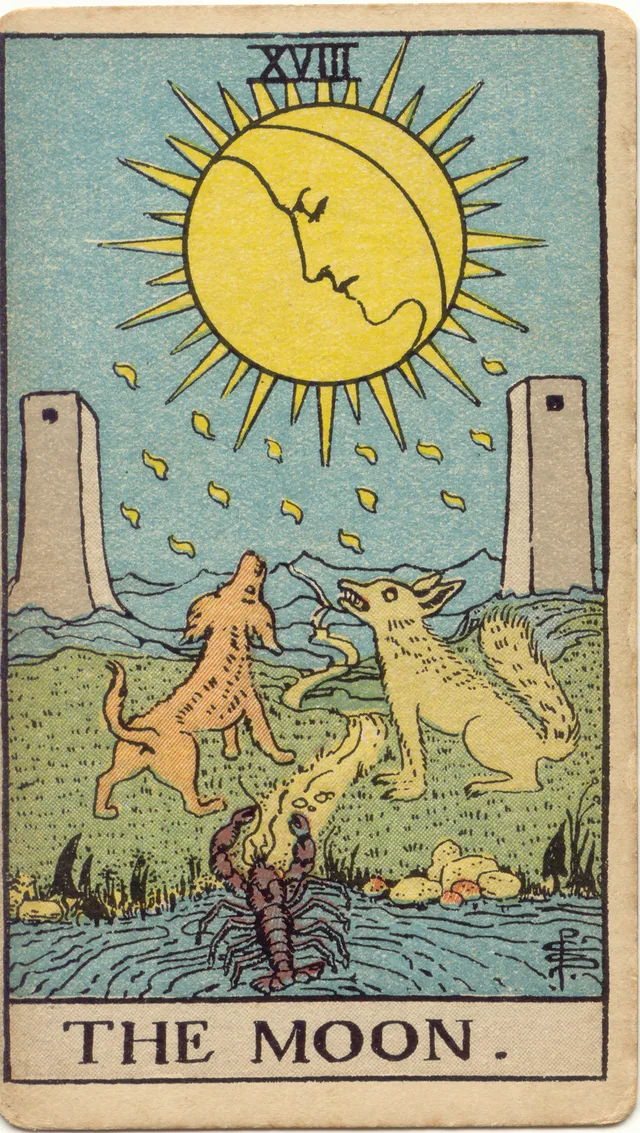
The Moon
The Moon brings uncertainty and incomplete information into a pairing with the Three of Swords' themes of pain and difficult truth; the reader still has to check what is known.
Read this card's meaning →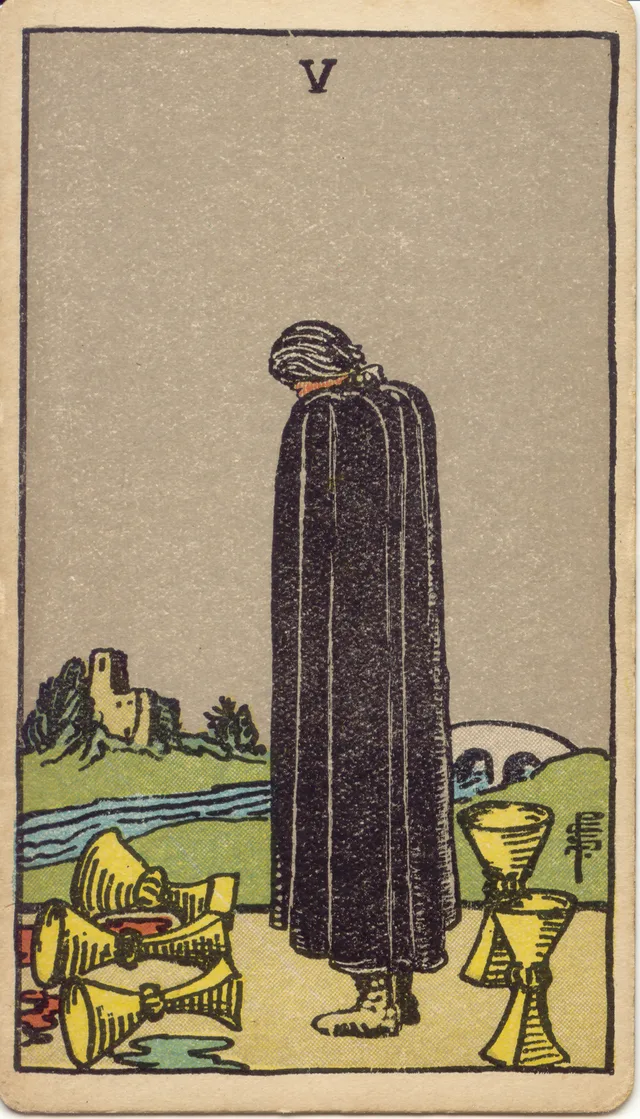
Five of Cups
Both cards can invite reflection on loss. The Five of Cups emphasises attention after disappointment, while the Three of Swords presents pain directly; neither establishes what happened or how someone will recover.
Read this card's meaning →