The Tower Tarot Card Meaning
The Tower depicts a structure struck by lightning, an image of disruption, exposed assumptions, and foundations that need examination. It is not a disaster forecast and cannot establish that a job, relationship, or belief will end. Use it to review what is unstable, what evidence has changed, and what support would make any response safer.

What's pictured on the card
A tall tower on a rocky peak is struck by a bolt of lightning, its golden crown blown clean off as flames burst from the windows. Two figures fall headfirst towards the ground, and small flame-shaped sparks drift through the dark sky. It's a dramatic image, but a clarifying one: the lightning is sudden truth, and the tower is whatever was built on shaky foundations. What falls here was never as solid as it once seemed.
The Tower upright: the core meaning
Lightning strikes the Tower and shakes loose whatever was built on shaky ground. Today something might crack open or fall away, and though it startles you, it's clearing out what was never that stable. Let the false thing go. What's left standing afterwards is real, and you can rebuild on firmer footing.
Something today may feel shaken, or you might sense a change coming that you can't quite steady. Underneath any alarm, there's often a strange relief, the ground clearing of something that was costing you. You may have known for a while that a certain thing wasn't built to last. What feels like upheaval is really honesty arriving all at once, and honesty, however abrupt it lands, is firmly on your side here.
If something cracks or falls away today, pause before deciding what it means. At work, treat a failed plan or assumption as information and review alternatives. In love, a direct moment can clarify what needs discussion without proving that a relationship must end. With money, check an unwelcome surprise before changing course. If a family belief changes, grieve and identify firmer boundaries. Resilience grows through support and practical choices; the card cannot guarantee what survives.
Three simple ways to work with this card
- If something falls apart today, resist the rush to rebuild it exactly as it was before it broke.
- Name one shaky thing you've been propping up, and let yourself imagine life without that constant strain.
- Get in touch with someone steady today and let them remind you how resilient you actually are.
What shaky thing might be better off falling away today?
Every symbol, explained
The crown, blown clean off. Lightning strikes the tower and knocks a golden crown from its roof. Traditional readings use the crown for status, authority, or a story of success that had been placed above the structure. It can prompt a review of reputation and assumptions, but the image does not identify what will change.
The bolt from a dark cloud. The strike is shown without a long build-up of rain, so it can represent a sudden change in information or circumstances. In real life, that might be a document, message, result, or sentence; verify what happened before assuming what it means.
Two figures falling headfirst. Two figures fall from the tower, one wearing a crown and one without it. The image places status and ordinary life under the same physical force. Falling can represent disorientation after a shock, but it is not a prediction of physical harm; prioritise immediate safety and practical support when a real crisis occurs.
The twenty-two sparks. Twenty-two small flame-like shapes fall around the tower. They are often called yods and linked in some traditions with a Hebrew letter and the twenty-two Major Arcana cards. Whether read as sparks, debris, or symbols of released knowledge, they make the scene busy and consequential; they do not tell you which meaning applies to your life.
Sixteen, and Mars. This is the sixteenth card, and its digits add to seven, The Chariot's number in tarot numerology. Tarot traditions associate The Tower with Mars and with force, conflict, or decisive change. Those associations can help name a feeling of disruption, but they do not establish that an event will be fast, unavoidable, or brief.
The upright meaning in detail
The essential lesson is to examine a structure when its assumptions no longer match the evidence. A structure may be a belief, budget, work arrangement, relationship agreement, or public story. Identify what changed, which parts remain factual, and what support is needed before deciding whether to repair, renegotiate, or leave.
When this card appears, people may recognise fear about sudden change or an assumption they have avoided examining. That reaction can identify a question, not a conclusion. Write down the specific evidence, speak with the people affected, and distinguish current information from an old expectation.
The card is not punishment, a disaster forecast, or an instruction to create a crisis. It does not establish literal catastrophe or judge your character. If a real disruption has happened, focus on immediate safety, accurate information, support, and the next practical decision.
The reversed meaning
The commonest reversed Tower is a change or difficult conversation being postponed. People may continue an arrangement while signs of strain accumulate, but the card cannot tell you that everyone agrees about the problem. Name the evidence, discuss what can change, and set a review date.
Sometimes the change is internal: a belief about your ability, identity, or career no longer fits your experience even though the outside situation looks the same. Record what has changed, consider support, and avoid treating a private shift as proof that every part of the old arrangement must end.
Another reversal theme is an early interruption that creates a chance to review a plan before investing further. A deal may stop, a role may change, or a relationship may end before a larger commitment. Do not label the interruption lucky or necessary without examining the facts and the person's experience.
The excess reading is creating a crisis to avoid making a clear decision: provoking a fight, sending a resignation at midnight, or releasing private information to force an ending. Pause, identify the decision, and use a safe, direct process instead.
How I read reversals: context over dogma. If disruption has happened, review current needs, support, and remaining risks rather than declaring the worst over. If nothing has happened, look at the strain and the choices being postponed. In the past position, examine an old shock; in the outcome, identify what could be prevented, deferred, or addressed directly.
In love & relationships
If you're single, this card can prompt a review of a dating pattern: repeated attraction to unavailable people, unclear boundaries, or choices made against your stated values. Record the observable pattern and decide what boundary or question you will use next. The card cannot predict that a particular person will arrive or that a pattern will end.
In a relationship, it can highlight information or a concern that needs to be said clearly: unhappiness after a move, debt, a family matter, or a change in expectations. Do not infer an affair or motive from the card. Describe what is known, protect privacy, and decide together what information, boundaries, or support are needed.
The hard conversation requires honesty without trying to control the other person's reaction. Describe facts, impact, and a request, while choosing a setting that supports safety. If there is a history of intimidation or violence, do not confront someone alone; seek specialist support and make a safety plan.
The same lightning either clears the air or scorches the ground, depending on what you do in the hour after it strikes.
- A performance of contentment that has exhausted you both
- Secrets that were shaping decisions from behind a curtain
- A role you were cast in years ago and never auditioned for
- The hope that time alone would fix it
- Saying the true thing in the cruellest available wording
- Making a permanent decision in the first forty-eight hours
- Rebuilding the identical structure with a different person
- Treating someone else's collapse as proof you were right
Career
On a job hunt, this card can prompt due diligence on the role or employer: restructures, leadership changes, funding, turnover, and why the position is open. Ask clear questions and compare answers with public information and references. A polished interview does not establish that an employer is stable.
In the workplace, it can describe a meeting where a project failure, risk, or unfair process is finally discussed. Share accurate information through the appropriate channel, document concerns, and ask what protection or support exists. Do not assume that speaking first will prevent consequences or that a card can classify an event as career-ending.
For quitting, a sudden realisation that you cannot continue may be important information, but do not make a major decision solely from a late-night reaction when a safe pause is possible. Review finances, notice, health, support, and alternatives; if work is unsafe or unlawful, seek qualified advice promptly.
Money
With money, it can prompt a direct look at the actual figure: balances, interest, minimum payments, tax, or a budget gap. Open statements and list the numbers before deciding what changed. The card cannot predict a loss or determine responsibility; use regulated or independent advice for serious debt.
For debt, write every balance, interest rate, payment, and due date on one page, including accounts you have avoided. Then compare options with a reputable adviser. Review concentration risks such as one client, one income source, or a rate that is about to reset without assuming the card predicts a failure.
For sudden costs such as a boiler, car, or tax bill, review the buffer between income and essential expenses. A windfall during upheaval may deserve a defined pause while you check tax, debt, and urgent needs. Do not make an allocation from panic or treat the card as financial advice.
Health & wellbeing
Tarot traditions associate The Tower with Mars and sudden force, which can make stress, tension, and shock useful reflection themes. It is not a medical explanation. If you have pain, sleep disruption, a sudden symptom, or a safety concern, seek appropriate medical care promptly.
After a shock, people may experience numbness, agitation, memory gaps, or difficulty with ordinary tasks. Eat, rest, and tell a trusted person what happened if you can, while seeking qualified mental-health or medical support for severe, persistent, or unsafe symptoms. Do not assign a recovery date such as week three.
Life events & big decisions
On a move, it can frame a forced change such as a landlord selling, a relationship ending, or a job disappearing, where loss of control matters as much as the address. It can also prompt careful review of a survey or structural issue before buying. Obtain independent inspection and legal advice; a painful choice is not automatically the correct one.
Around weddings and commitments, review material information that has not been shared, such as debt, a serious concern, or different expectations about marriage. The card cannot say whether to proceed. Have an honest conversation, check legal and financial terms, and make sure each person can consent without pressure.
After bereavement, diagnosis, betrayal, or another major loss, confusion and difficulty with everyday life can be understandable responses, but the card cannot assess your mental or physical state. Seek appropriate support and keep options open where possible; the right timing for an irreversible decision depends on evidence, safety, and qualified advice rather than a fixed six-month rule.
Contracts, deals & signatures
With The Tower beside paperwork, compare the written agreement with what was presented verbally. Look for assumptions about scope, payment, ownership, liability, renewal, and termination that are not written down. Ask for an amendment or qualified advice rather than assuming that an omission proves bad faith.
For timing, prioritise verification over a tarot deadline. Research the company, read available accounts, contact references, and ask what happens if the offer expires. Urgency can be legitimate or strategic; ask for the reason and do not sign until you have enough time to check the terms.
In negotiation, decide your minimum acceptable terms and a safe alternative before the meeting. A willingness to walk can protect your interests, but do not assume leaving is always possible or safe. Record the walk-away point, check the consequences, and obtain advice for high-stakes agreements.
Entrepreneurship & business
For starting something, a redundancy, divorce, or company closure may prompt a new business, but hardship is not evidence that the idea will work. Test demand, costs, qualifications, and support. Do not build only to prove a former employer or partner wrong; define the customer and offer independently.
For growth, review concentration risk such as one client providing most revenue or one platform supplying all traffic. Diversify deliberately, compare the cost of doing so, and create a contingency plan. Structural metaphors can frame the review; actual accounts and contracts show the risk.
On hiring, reduce dependence on one person by documenting procedures, sharing access appropriately, and planning cover. If a launch fails, communicate accurate information to affected customers and staff, explain the remedy, and review what the business learned. Do not use a card to assign blame or predict survival.
How it shows up in real readings
Use The Tower's neighbours to identify the kind of review required. Following The Devil, examine dependency, pressure, and whether a boundary or support plan is needed. Beside Death, compare gradual transition with sudden disruption. With The Star, list practical repair, rest, and support instead of predicting relief or a timeline.
A woman I read for two winters ago drew The Tower in the fifth position and assumed it must concern her son's exams. During the conversation, she described the business she had run with her husband for twenty-two years and disclosed that she had stopped opening the post. Six weeks later HMRC contacted her, and she sought appropriate advice. The following autumn she was running a smaller version of the business alone from a rented flat and had records showing improved solvency after nine years of difficulty. The useful action was opening the letters and getting help; the card did not predict the contact or outcome.
What does The Tower mean in tarot?
What does The Tower reversed mean?
Is The Tower a yes or no card for love?
How soon do things happen with The Tower?
Does The Tower always mean disaster?
If The Tower has landed on you today, notice the urge to make every other decision immediately after a shock. If safety allows, give yourself ordinary days to gather information, contact support, and separate urgent tasks from choices that can wait. A week may help, but the right timing depends on the situation.
Review what remains useful after a change: skills, relationships, standards, records, or support. Keep what is safe and relevant, and obtain advice before discarding documents or commitments. If a brief reflective habit helps while the situation settles, the free daily draw is there each morning; it is not evidence that you will lose or keep anything.
The Tower can symbolise disruption that was not chosen, but it cannot prove that what falls was already unsafe or that the replacement will be firmer. Name what changed, grieve it, and check the next ground carefully.
Related cards and themes
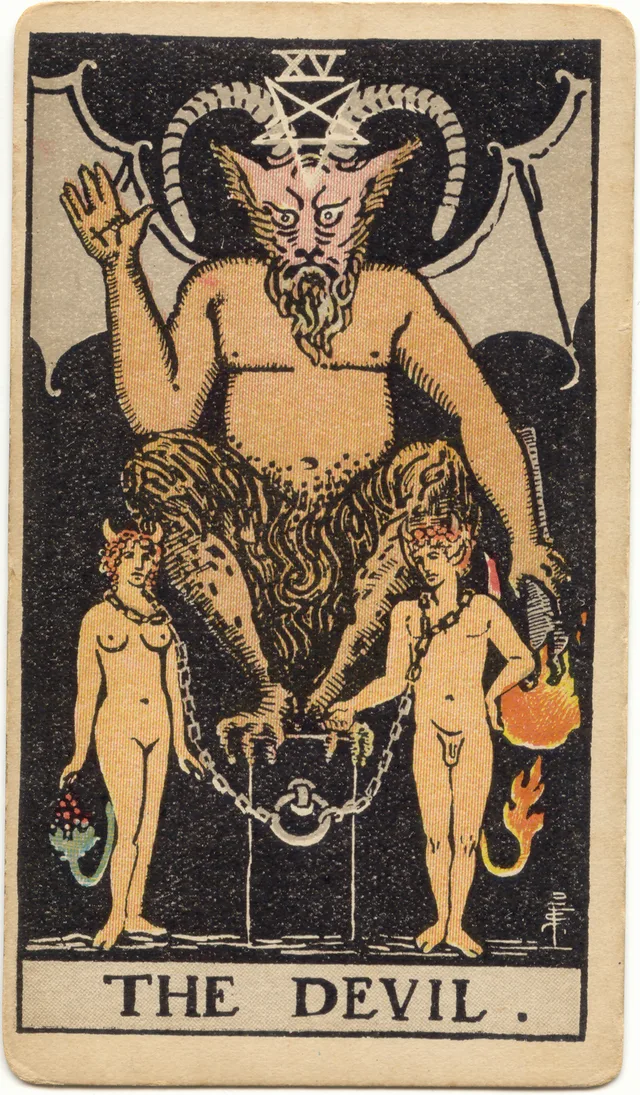
The Devil
The Devil examines attachment and restriction; The Tower examines assumptions or structures that are suddenly exposed.
Read this card's meaning →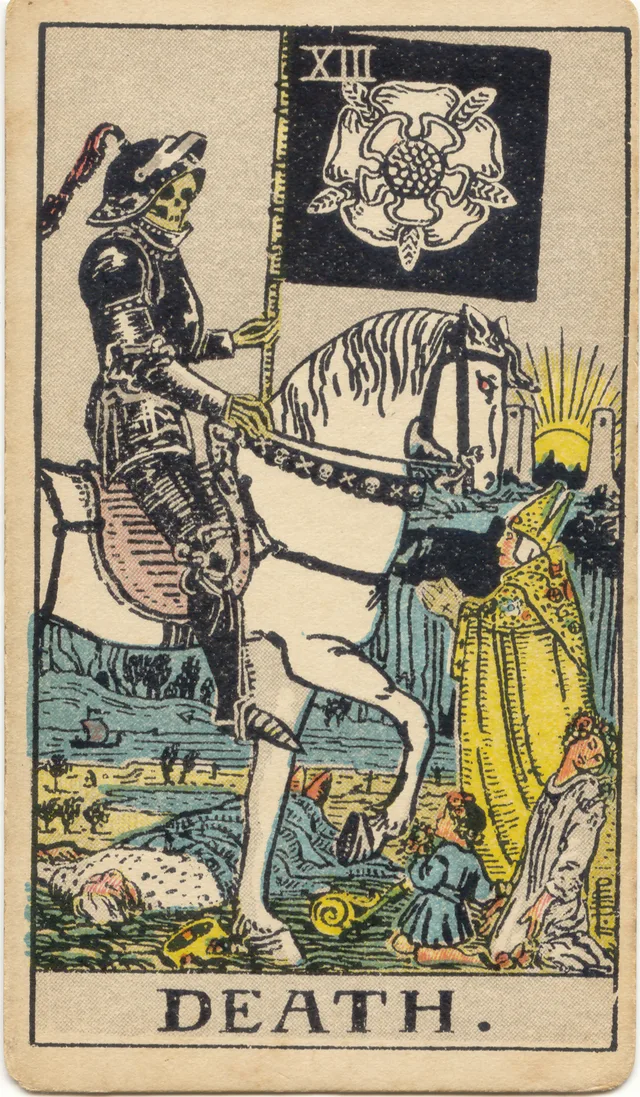
Death
Death describes gradual transition and release, while The Tower describes disruption or a sudden change in understanding.
Read this card's meaning →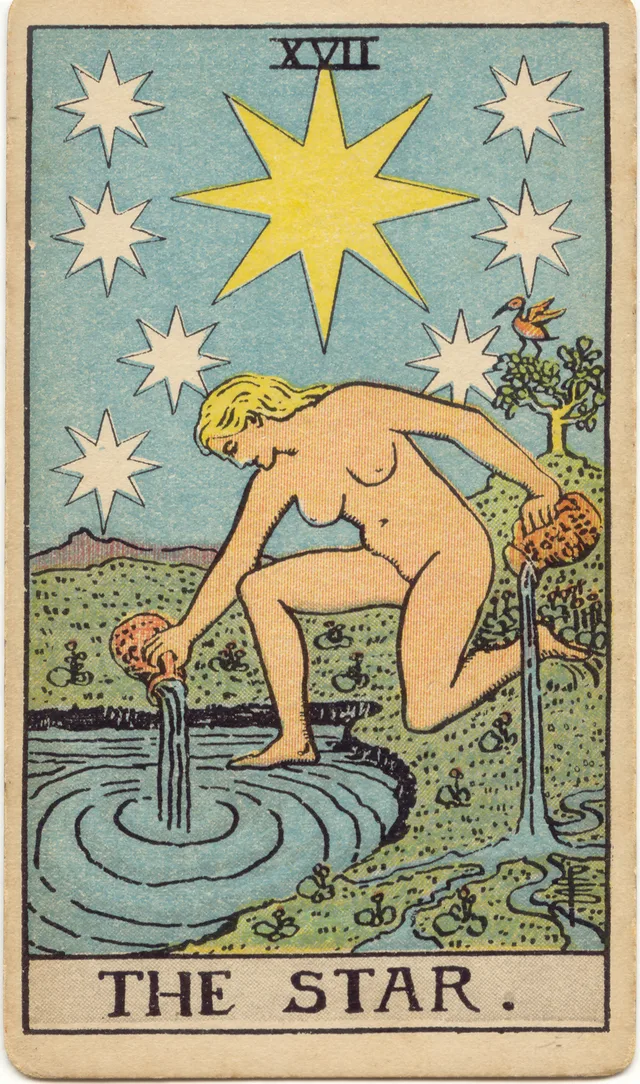
The Star
The Star invites a review of support and restoration after The Tower's disruption, without promising a particular recovery.
Read this card's meaning →