Page of Cups Tarot Card Meaning
The Page of Cups holds a cup with a fish emerging from it, an image of imagination, emotional openness, and surprise. It can prompt you to explore a feeling or creative idea with beginner's curiosity, but it cannot prove that a message, romance, or inspiration will arrive. Stay open while checking consent, context, and follow-through.

What's pictured on the card
Dressed in a flowing blue tunic patterned with pink flowers and a soft, jaunty hat, a young page stands by a rolling sea, holding up a golden cup. To his delight, a little fish has popped its head out of the cup to meet his gaze. He isn't startled, he's charmed. The waves behind him suggest deep feeling and imagination. It's an image of playful wonder: the heart open to surprise, and creativity arriving from the most unexpected place.
Page of Cups upright: the core meaning
The Page of Cups gazes at a little fish surprising him from his cup, delighted by the unexpected. Today invites a soft, open heart, following a creative whim, welcoming a sweet surprise, letting yourself feel wonder. Don't ignore that small push from your imagination. Something tender and playful is trying to get your attention.
There's a quiet flicker of imagination in you today, easy to dismiss as silly or impractical. Beneath the grown-up seriousness, part of you wants to play, to make something, to feel a bit of wonder without needing it to be useful. You might catch yourself daydreaming, or feeling unusually tender and open. A small intuitive nudge may keep tapping you on the shoulder. None of this pulls you away from real life; it’s your softer, more creative self asking for a bit of space to breathe.
Follow curiosity today without demanding that it justify itself. Doodle, cook, or try a small creative idea with no pressure for it to be good. At work, a fresh question may reveal an angle worth testing. In love, let a spontaneous gesture fit the relationship's actual stage and consent. Stay open to messages without assuming one will arrive. With money, keep your feet on the ground while your heart plays. Protect your sensitivity rather than treating feeling as a flaw.
Three simple ways to work with this card
- Spend twenty unhurried minutes on something creative just for fun, draw, write, sing, with no goal but enjoyment.
- Notice the first gut nudge you get today and, instead of brushing it off, take a small step on it and see what happens.
- Send someone a playful, affectionate message with no reason behind it beyond wanting to make them smile today.
What small spark of creativity or tiny wonder could you follow today?
What Waite painted and why it matters
The fish from the cup. A small fish pokes its head out of the golden cup while the Page looks at it with curiosity. In symbolic readings, the fish can represent an unexpected feeling, memory, or creative idea entering awareness. The image supports a welcoming response to something unfamiliar; it does not establish where a real message came from or what it requires.
The blue tunic with lotus flowers. The tunic is patterned with aquatic flowers. Lotus imagery is often associated with beauty and growth in difficult conditions, while blue connects the picture with the Cups suit's themes of feeling and imagination. These are symbolic associations, not evidence about a reader's emotional history or character.
The jaunty hat. The soft hat has a pink tip and an unusual shape. Its playful appearance supports a reading about experimentation and a willingness to look inexperienced, rather than a demand to appear serious or polished. The image cannot establish that a real person is sincere, immature, or easy to understand.
The rolling sea. Waves extend behind the Page while he stands on land at the water's edge. The contrast can represent noticing emotional depth without claiming to understand all of it. It supports a beginner's stance: observe, ask, and learn at a manageable pace rather than assuming that the card measures emotional maturity.
Youth in the court. In the court card system, Pages represent a learning stage rather than a fixed age. The Page of Cups can therefore support reflection on a new emotional or creative subject, including the benefits and limits of inexperience. The rank does not label a real person as naïve or show how they will develop.
The upright Page of Cups in detail
The Page of Cups can represent an early creative idea, a newly noticed feeling, or a wish to communicate with more openness. Before judging it, describe what is actually present: an image, a sentence, a physical response, or a conversation you want to have. The card supports making room for that first observation while still checking whether it is accurate, welcome, and practical.
When this card appears, consider whether work, responsibilities, or self-criticism have left room for creative activity and direct emotional expression. The fish is an illustration of an unexpected subject entering attention; it is not proof of an unconscious message. Notice the subject, write down what you know, and decide later whether a conversation or small creative experiment is appropriate.
As a person, the Page of Cups can describe someone exploring emotional or creative expression, regardless of age. They may communicate feelings directly, notice changes in a room, or respond strongly to art. Those observations are possibilities for discussion, not proof of another person's motives, honesty, vulnerability, or perceptiveness; ask them rather than assigning an identity from the card.
What it is not saying: the Page is not a diagnosis of emotional immaturity, and sensitivity is not weakness. It represents a way of approaching feeling or creativity that can occur at any age. If the theme is useful, choose a specific low-pressure way to notice or express it, while respecting consent, context, and your own limits.
The reversed meaning
The most common reversal can describe creative or emotional expression being held back by self-criticism, past treatment, or an unsupportive environment. The image still shows an unexpected subject, but the figure's attention can prompt questions about what feels difficult to acknowledge. The card cannot establish the cause; the reader's account and supportive relationships provide context.
A second pattern is emotional expression without enough attention to timing, boundaries, or the other person's invitation. Examples include a major declaration before trust exists, an intense conversation in a public or unsafe setting, or sharing creative work with someone who did not ask to receive it. The feeling may be genuine; communication still needs consent and context.
The third pattern is wishful interpretation: treating a hoped-for meaning as though it were established by limited behaviour. In romantic situations, compare what was said and done with what you imagine it means. The fish may prompt the question, but direct communication, consistent conduct, and other evidence distinguish a message from a daydream.
Read the reversal with context. Beside creative cards, it can prompt a review of what makes starting difficult rather than an instruction to force output. Beside relationship cards, ask whether emotional communication is mutual, invited, and specific. Context matters more than a fixed formula.
In love & relationships
If you're single and the Page appears, it can invite a more open approach to meeting people without abandoning discernment. Notice the qualities you value, communicate at a pace that respects both people, and let observed behaviour update your view. Openness does not require ignoring boundaries or treating a new connection as more established than it is.
In an established relationship, the Page can focus attention on a vulnerable message, a sincere conversation, or a small affectionate act. It can also describe playfulness, provided both people welcome it. Ask directly what each person wants to discuss and whether the timing works instead of assuming that a gesture will be received in a particular way.
Emotional openness can support connection, while respectful timing and mutual consent remain important.
- Genuine, unguarded feeling that lands as real rather than performed
- The willingness to express a feeling clearly without turning it into a performance
- Creative and playful affection that both people have agreed feels welcome
- Attention to another person's stated feelings without claiming to read their mind
- Projecting feelings onto someone rather than reading them accurately
- Expressing emotions at an intensity that doesn't match where the relationship actually is
- Taking every emotional signal personally and spiralling from small reactions
- Naivety about intentions — wanting to believe the best even when behaviour says otherwise
Career
In a career context, the Page can describe creative work in an early stage: an idea, draft, or project that still needs testing. Record the proposed audience, resources, deadline, and smallest useful experiment. The card can support curiosity about the idea, but feasibility and feedback decide whether to develop it.
It can also prompt research into roles involving communication, teaching, counselling, arts, or other human-centred work. Do not use the card to label someone's aptitude or decide that a workplace will value sensitivity. Compare the role requirements with training, experience, working conditions, feedback, and the reader's own preferences.
Money
The Page of Cups is not primarily a financial card. It can frame a tension between creative or meaningful work and current income needs. Treat the idea as a subject for planning: list expected costs, possible income, time available, and a fallback plan rather than assuming enthusiasm will solve the financial question.
It can also prompt a check for financial inexperience: trusting an appealing proposal without reviewing fees, risk, ownership, or written terms. Compare the offer with independent information and qualified advice. Emotional appeal is not evidence that a financial option is suitable.
Health & wellbeing
In wellbeing readings, the Page can prompt consideration of creative and playful activities such as making things, spending time in nature, or engaging with art. Choose an activity that fits your access, energy, and preferences; the card cannot establish what will restore someone or replace health guidance.
Emotionally, the card can support noticing feelings and finding an appropriate way to express them instead of dismissing them immediately. Journaling, conversation, creative work, or qualified support may suit different people. The image is a prompt for observation, not a diagnosis of suppression or a claim about what the body is carrying.
Life events & big decisions
Around a major creative or emotional decision, the Page brings curiosity and feeling into view without giving approval. Treat emotion as one prompt to investigate alongside practical evidence, support, consent, safety, and consequences. Identify a small reversible step if testing the idea would add useful information.
Around decisions about emotional honesty and social expectations, the Page can invite a person to name what they feel and what they need. This is not proof that a particular interpretation is correct or that disclosure is safe. Consider privacy, consent, practical consequences, and trusted support before deciding what to share and with whom.
Contracts, deals & signatures
Around a contract, the Page can prompt a pause before enthusiasm makes the decision. An agreement may feel appealing because it comes from someone you like or promises something important, but review price, duties, deadlines, rights, cancellation terms, and risks. Ask a qualified reviewer about anything you do not understand.
For commissions, collaborations, and artistic partnerships, enthusiasm can help people discuss the work, but it does not establish mutual understanding. Put scope, rights, credits, revisions, deadlines, payment, and cancellation terms in writing. A positive feeling about the collaboration does not replace a clear contract.
Entrepreneurship & business
For someone starting a creative or values-led venture, the Page can describe genuine interest in the work. Turn that interest into a specific proposal: identify the customer, problem, cost, price, permissions, and first test. The unusual idea may be worth exploring, but customer feedback and financial evidence must shape the enterprise.
The practical note for a beginner founder is to pair interest with structure. Write a short plan, set a limited budget and deadline, track responses, and review what the test shows. Curiosity helps generate options; planning, legal checks, financial records, and follow-through determine whether the business can continue.
How this card sits in real spreads
The Page of Cups beside The Fool can prompt comparison between emotional curiosity and an open approach to a new experience; neither card proves that beginning is appropriate. With The High Priestess, compare an emerging feeling with deliberate private reflection. With Ace of Cups, consider how a new emotional theme might be noticed and expressed. The pairings provide questions, not predictions.
The Page of Cups can be useful when someone describes an idea or feeling they have avoided naming. Instead of deciding that the subject is important or destined, describe its details: how long it has been present, what action it requests, who might be affected, and what support would be needed. An idea can be meaningful without being practical or ready to share.
What does the Page of Cups mean in tarot?
What does the Page of Cups reversed mean?
Is the Page of Cups a yes or no card?
Does the Page of Cups mean a message is coming?
What does the Page of Cups mean for creativity?
If the Page of Cups appears today, creative or emotional curiosity is one possible reflection. Write down what you actually notice, then decide whether observation, a private creative exercise, or a respectful conversation fits your circumstances. The card cannot identify a suppressed impulse or tell you how to respond.
You may choose simply to observe the theme rather than act. If you'd like a daily reflective prompt, the free daily draw is there each morning. Use it for questions, not for claims about readiness, another person's feelings, or future communication.
The Page of Cups can symbolise curiosity and emotional openness. Let the image prompt a question about a new feeling or idea, then test whether it fits your circumstances.
Related cards and themes
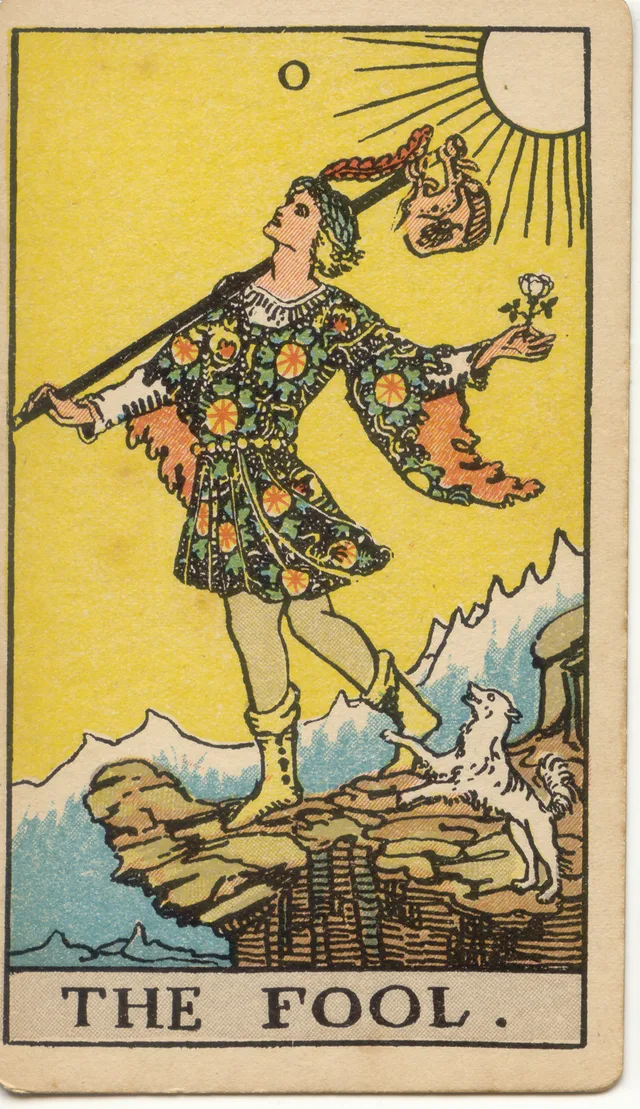
The Fool
The Fool and the Page of Cups both examine how a beginner approaches uncertainty. The Fool focuses on an open-ended experience; the Page focuses on feelings, imagination, and creative curiosity.
Read this card's meaning →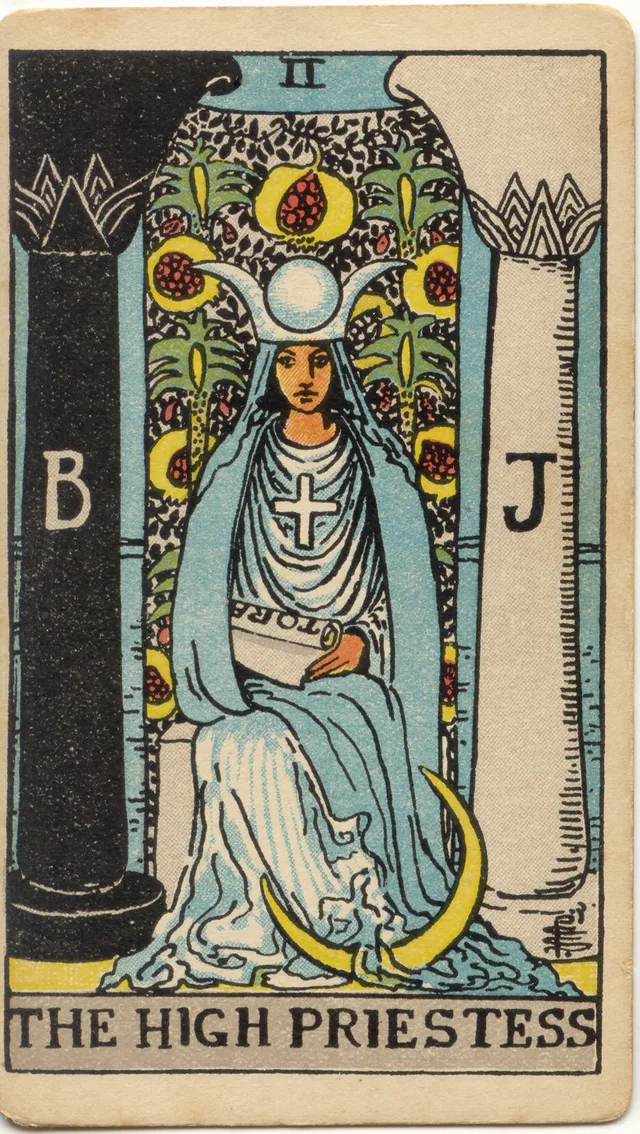
The High Priestess
The High Priestess emphasises private reflection and intuition, while the Page of Cups explores a new feeling or creative idea. Together they invite curiosity plus time to consider what the experience means.
Read this card's meaning →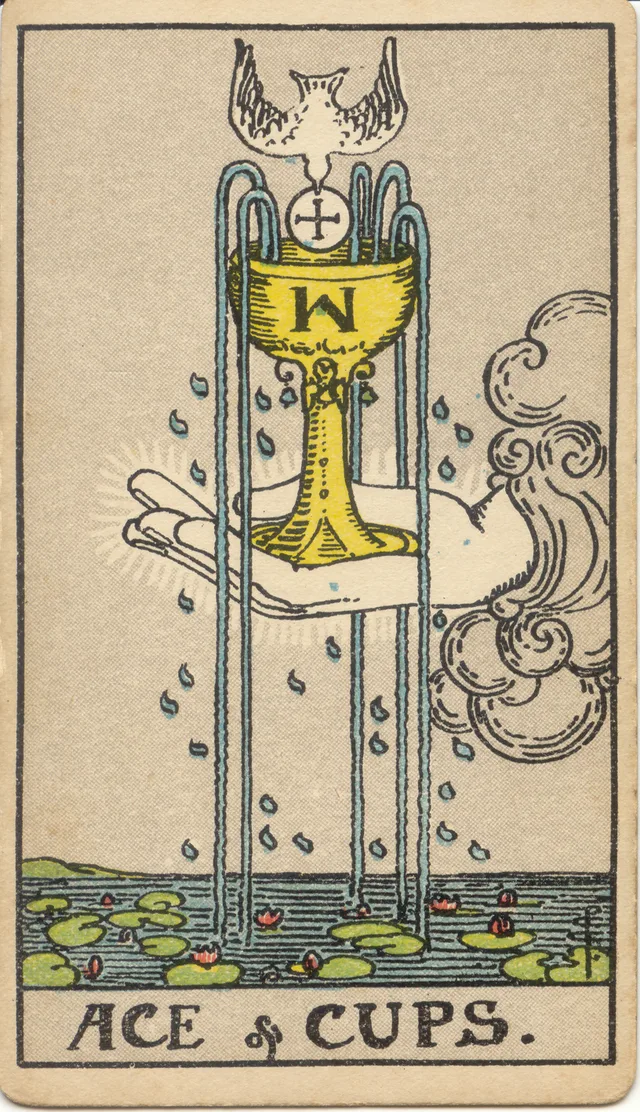
Ace of Cups
The Ace of Cups represents an opening in emotional life; the Page of Cups represents the learner who notices and explores that opening. The pairing can support reflection on both feeling and a beginner's response to it.
Read this card's meaning →