Six of Cups Tarot Card Meaning
The Six of Cups depicts children exchanging flowers, representing memory, childhood, generosity, and familiar comfort. It can prompt reflection on how the past shapes a present relationship or choice, but it cannot prove that a person will return or that the past was safe. Compare memory with current behaviour and boundaries.

What's pictured on the card
In a sunlit courtyard, a taller child hands a cup brimming with white five-pointed flowers to a smaller one, who reaches up to receive it. Five more flowering cups stand nearby, and the old stone buildings of a peaceful estate rise behind them. A guard walks off in the distance, leaving the children safe. Everything here glows with warmth and simplicity, a scene of childhood, generosity and safe-keeping, the tender pleasure of giving something sweet with no expectation of anything back.
Six of Cups upright: the core meaning
In the Six of Cups, a child offers another a cup filled with flowers, a scene of simple, old-fashioned kindness. Today carries a sweetness of memory, a reconnection, a fond look back, a gentler pace. Let the past comfort you without pulling you backwards. A small, generous gesture goes a surprisingly long way right now.
You might find a wave of memory rolling in today, like an old song, a familiar smell, or a face from years ago popping back into your head. Beneath the day's demands, part of you is reaching for something simpler and safer, a time when kindness felt uncomplicated. This isn't escapism; it's your heart looking for comfort. You might feel unexpectedly tender towards your younger self, or towards someone from your past. That softness is worth honouring, as long as it warms you rather than keeps you looking back.
Let a little sweetness in today. Small, generous gestures can express care without creating an obligation: a note, a favour, or a moment of attention. If someone from your past comes to mind, consider whether reaching out would respect both people's boundaries. At work, pair patience with clear expectations. In love, revisit a shared memory only if it feels mutual and current. Around money, remember the past accurately rather than through rose-tinted glass. Treat yourself with the same tenderness you would show a child.
Three simple ways to work with this card
- Text an old friend or family member simply to say you were thinking of them and hope they're well.
- Do one small, unprompted kindness today with no thought of return, hold a door, share a treat, offer help.
- Revisit a comforting ritual from childhood, a favourite meal, an old film, and let it soften your evening.
What happy memory or simple kindness could soften your day today?
What Waite put into this image
The taller child and the offering. A child in a red hat bends forward to hand a cup filled with five white, star-shaped flowers to a smaller child. The scene presents a simple gift with no visible request for payment or thanks. It can prompt reflection on generosity, age and power, but the illustration cannot establish the relationship between the children or the meaning of a real-life gift.
Six cups of flowers. Five more cups surround the exchange, each filled with white blooms. In Waite-Smith imagery, white flowers can suggest innocence or simplicity, although symbols do not have one fixed meaning. The abundance is floral rather than monetary, so the picture invites attention to affection, memory and ordinary pleasure rather than wealth.
The courtyard and the old buildings. The children stand in a pale stone courtyard with old buildings behind them. A guard walks away in the background. The setting can suggest familiarity and shelter, but the image cannot prove that a past environment was safe, settled or trustworthy for a particular reader.
The children themselves. Readers disagree about whether these children are literal figures, past and present selves, or symbols of innocence and care. The image can raise questions about uncomplicated generosity and early experience. It does not establish that a reader's childhood was untroubled, and the theme can apply to adults as well as children.
The number six. In tarot traditions, sixes can be read as attempts to restore balance after the disruption of fives. The Six of Wands explores recognition, the Six of Pentacles resource exchange and the Six of Swords transition. Here, the number adds a prompt to examine memory, familiarity and care after an emotionally difficult period; it does not promise comfort.
The Six of Cups upright
The Six of Cups symbolises the past in relation to the present. An old feeling, connection or place can be a reflective theme. The card cannot show that someone will reach out or that a memory is accurate or useful; compare recollection with current facts and behaviour.
The children symbolise an uncomplicated exchange within the illustration. The card cannot establish anyone's motives or invite contact. Consent, personal safety, boundaries and direct communication determine whether approaching someone is appropriate.
It can also symbolise revisiting a home, hobby or earlier way of being. It cannot show that a return is needed or identify a way forward. Current priorities, consequences, resources and capacity determine whether revisiting anything is appropriate.
The Six can hold welcoming and difficult memories together. It cannot decide that an old friendship is worth revisiting or judge a past departure. Current communication, consent and observable conduct matter more than the warmth of the picture.
The reversed Six of Cups
Reversed, nostalgia and stagnation can be themes. The card cannot establish that the present is secondary or diagnose how someone compares relationships. Notice which memories are being repeated, then use the reader's account and current behaviour for context.
A second reversal theme is distance from the past. The card cannot show that earlier experiences feel threatening or that an old friendship, practice or identity should be given access again. Boundaries may remain necessary.
Some readers use the reversal to reflect on difficult early experiences. The card cannot reveal a childhood wound or prescribe healing work. The person's account and qualified support should guide any exploration of trauma or mental health.
Sometimes the reversal symbolises the past receding. It cannot show that a connection is complete or tell someone to release a memory; describe the change in your own words and decide what attention it deserves.
In love & relationships
In a love reading, the Six can symbolise reconnection or shared history. It cannot predict contact, show that friendship will become romance or certify warmth in the past. Communication, consent, safety and current conduct provide the evidence.
Within an established relationship, the Six can prompt reflection on shared history. It cannot establish that a warmer layer remains or tell partners to revisit it. The partners' priorities, communication and present behaviour determine what fits.
For someone single, the Six can prompt reflection on familiar relationship qualities. It cannot reveal what the reader wants or predict a future connection with roots in the past. Write down the qualities you remember, then compare them with what you need now.
When a former partner or friend reappears, separate the emotional impact of recognition from the practical question of contact. Ask what has changed, whether an apology or explanation is needed, what boundaries would apply and whether you actually want a conversation. A shared history can inform a choice without obliging anyone to reopen it.
Memory can inform the present, but it needs to be checked against current behaviour rather than treated as a substitute for it.
- The warmth of shared history made newly conscious
- A possible reconnection considered with current boundaries and consent
- The simplicity of genuine, uncalculated affection
- Clarity about what you're really looking for, beneath the grown-up criteria
- Nostalgia that inflates a past relationship beyond what it actually was
- Going back to an ex not because things have changed but because the familiar is comfortable
- Measuring a current relationship against an idealised past version
- Living so thoroughly in memory that the person in front of you goes unseen
Career
At work, the Six of Cups can frame a return to an earlier professional interest: a field you left for practical reasons, a creative approach you set aside or work that once felt meaningful. The card is not evidence that you should go back. Ask what the attraction identifies about skills, values or conditions you would want in a role now.
It can also frame a professional reconnection: a former colleague, mentor or client appears in the current situation. Shared history may reduce the need to explain background, but it does not prove trust, fit or a viable project. Check scope, payment, expectations and present conduct before agreeing.
There is also a mentorship quality here: an exchange between someone more experienced and someone newer. If you can offer support, clarify scope, time, confidentiality and consent. Whether mentoring fits depends on capacity and the other person's needs, not on the card.
A return to an earlier skill can be tested in a small, current way: take one class, make one piece of work or speak with someone in the field before changing a career. Notice whether the present conditions suit you, because the feeling attached to an earlier version of the work may not match the work as it exists now.
Money
The Six of Cups is not primarily financial, but it can frame gifts, inheritance and generosity between people with shared history. A gift may carry emotional meaning as well as money. Verify ownership, tax, legal conditions and consent instead of treating familiarity as a substitute for clear terms.
It can also prompt a review of simpler financial priorities. List essential needs, values, obligations and discretionary spending, then compare them with the financial goals you are pursuing. The white flowers are an image of modest pleasure, not evidence that a particular financial choice is affordable or wise.
For gifts or family money, clarify whether the transfer is unconditional, repayable or connected to an expectation about care, housing or decision-making. Put important agreements in writing and allow time to consider them. Emotional history can make a financial conversation harder, which is a reason for clarity rather than a reason to skip it.
Health & wellbeing
For wellbeing, the Six of Cups can prompt attention to familiar pleasures: foods, places and rituals that feel comforting rather than new or optimised. A familiar meal, a long-used walking route or music linked with an earlier time may be meaningful, but the card cannot establish restorative value. Notice your actual response and keep qualified care central.
The card can also prompt a review of health history: patterns across years rather than only recent fluctuations. Record symptoms, treatments, routines and questions for a qualified practitioner. Memory can be incomplete, and nothing here substitutes for professional care or diagnosis.
Familiar routines can be comforting without being suitable for every health need. Check ingredients, activity levels, medication interactions and accessibility with the relevant professional when those details matter. Keep the part of the ritual that supports connection while changing anything that creates a practical risk.
Life events and big decisions
Near a major decision, the Six of Cups raises the question of what you know from experience. A new situation may resemble an earlier one without being identical. Record what happened before, what you learned and what is different now. Memory can support pattern recognition, but it can also be selective or nostalgic.
It can also frame decisions involving family, home or a return to something: moving back, reconnecting, revisiting a career or reviving a creative practice. Examine the pull toward familiarity alongside current conduct, logistics, boundaries, finances and consent. The card does not push you toward a return.
Contracts, deals & signatures
The Six of Cups near a contract can frame a deal involving an established relationship: a long-standing client, returning business or renewed agreement. Familiarity may make conversations easier, but it does not prove that trust has been earned or that terms remain suitable. Review scope, price, dates, liability and termination conditions.
Do not let history substitute for current scrutiny. Circumstances change, and terms that worked two years ago may need revision. Discuss what has changed and make the written agreement reflect the current situation rather than a remembered version of the relationship.
Entrepreneurship & business
For a business, the Six of Cups can prompt review of returning customers, referrals and a reputation built over time. Track retention, repeat revenue, complaints and service costs rather than assuming loyalty from a warm history. A past relationship is useful context, not proof of future demand.
It can also prompt a review of original purpose: what customers valued, what the business intended to offer and what has changed since launch. Ask what can be offered responsibly without hiding cost or capacity. A generous idea still needs clear scope, fair pricing and sustainable delivery.
Practical patterns
The Six of Cups beside The Star can bring memory, hope and familiar care into the same discussion. It does not establish that difficulty is easing or that reconnection is healing; ask what current support, evidence and boundaries are present. Near Judgement, the pairing can prompt a review of how the past affects a present choice without deciding that a new chapter must begin.
This card can resonate when someone describes a sudden reconnection or an unexpectedly vivid memory. A useful reading does not assume the past has something beneficial to offer. Ask what the event brings up, what is verifiable now, what boundaries are needed and whether any response is wanted.
What does the Six of Cups mean in tarot?
Does the Six of Cups mean an ex will return?
What does the Six of Cups reversed mean?
Is the Six of Cups a yes or no card?
What does the Six of Cups mean for childhood?
If the Six appears, memory and reconnection can be optional reflection themes. The card cannot identify who is missed or advise contact. Consent, safety, boundaries, current behaviour and practical priorities determine whether any reconnection is appropriate.
For an optional daily prompt about memory and care, the free daily draw is there each morning. Keep the prompt separate from claims about what the past can provide or what another person intends.
The Six of Cups can symbolise memory and tenderness without directing a return to the past. Explore what the memory offers, then check whether present circumstances support renewed contact or simply reflection.
Related cards and themes

The Star
The Star explores hope after difficulty; the Six of Cups explores memory, familiar care and earlier experiences as subjects for reflection.
Read this card's meaning →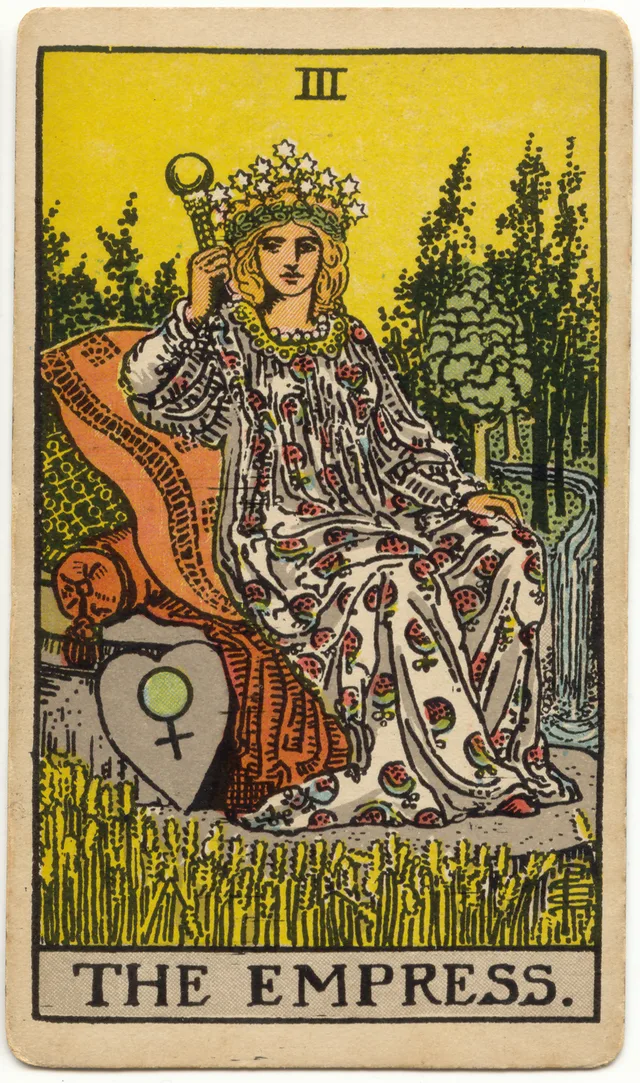
The Empress
The Empress focuses on nurture and abundance; the Six of Cups focuses on the small, familiar acts of care that connect people across time.
Read this card's meaning →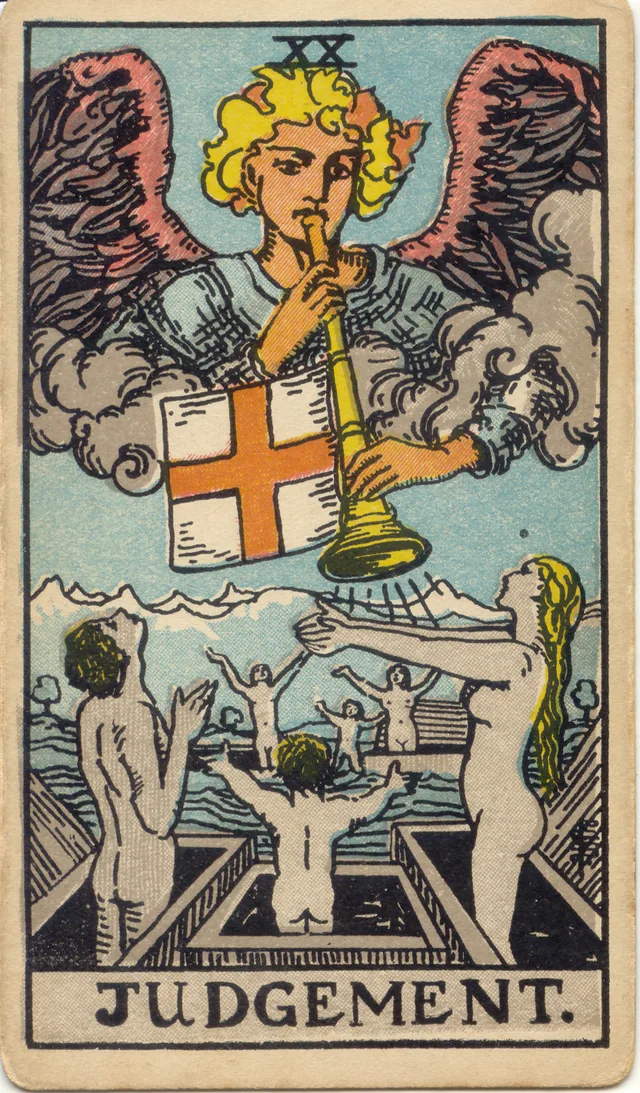
Judgement
Judgement examines how the past affects a present decision; the Six of Cups examines memory, familiarity and earlier relationships without deciding what to do with them.
Read this card's meaning →