Ten of Cups Tarot Card Meaning
The Ten of Cups depicts shared joy, belonging, family, and a hoped-for sense of lasting harmony. It cannot verify that love is real, a life is right, or the present is genuinely good. Compare the image with lived experience, communication, consent, and the practical work required for the relationships involved.

What's pictured on the card
Beneath a rainbow of ten golden cups arcing across the sky, a couple stands with arms lifted in joy, an arm around each other. Two children dance and play beside them, and a cosy house sits on a green hill by a winding river. The colours are kind and open, the whole scene glowing with belonging. This is emotional fulfilment made visible, not a single win but a whole life in harmony, love that feels settled, shared and lasting.
Ten of Cups upright: the core meaning
A rainbow of ten cups arcs over a happy family in the Ten of Cups, home and heart in harmony. Today is about emotional fulfilment, the warmth of belonging, love that feels settled and whole. Turn towards the people and places that feel like home. This is the contentment all the striving was really for.
Today you may feel a small pull towards home and the people who make you feel safe. Beneath the errands and obligations, there's a longing not for more, but for connection, to feel that the love in your life is solid and shared. Perhaps you’ve poured so much into work or worry that you’ve drifted a little from what really warms you. This isn't discontent; it's your heart pointing you back towards belonging. You may notice a soft gratitude, or a wish to draw your dear ones closer.
Let today be about turning towards the people and places that feel like home. Prioritise connection over productivity where you can, such as a shared meal or an unhurried call. If there's tension with someone you love, state the wish to repair without treating harmony as guaranteed. At work, remember why you do it and protect the life it is meant to support. With money, compare the value of experiences and things against your resources. Tell the people who matter that they matter, and notice how they respond.
Three simple ways to work with this card
- Plan an unhurried moment with the people you love tonight, a meal, a walk, a shared film, no screens competing.
- Tell one family member or close friend, in simple terms, how much their presence in your life means to you.
- If a rift is straining a bond you treasure, take the first small step towards mending it today.
What makes you feel most at home, and what’s one small way you could move towards it today?
What Waite painted and why it matters
The rainbow of cups. Ten golden cups arc across the sky as a rainbow, each one shown as full. In biblical and European imagery, a rainbow can suggest a covenant or promise, but the picture is not a promise about a reader's life. The full cups can frame an ideal of emotional abundance; they do not prove that fulfilment has arrived or was earned.
The couple and their raised arms. A man and a woman stand with arms lifted toward the rainbow. Their pose can suggest celebration, gratitude or shared attention, but the image cannot establish what they feel or whether their partnership is healthy. Facing the same picture creates an ideal of shared direction rather than evidence about real people.
The dancing children. Two children dance beside the couple, absorbed in movement rather than looking at the rainbow or house. Children can represent unguarded feeling in Waite-Smith imagery, but their presence does not prove anything about a real family, childhood or household safety.
The house on the hill. A comfortable-looking house sits on a green rise behind the family. It can symbolise home, continuity or shelter, but the illustration cannot establish that it is occupied, welcoming or permanent. The green hill may suggest growth; current living conditions and conduct provide the real evidence.
The river. A slow-moving river winds through the foreground. Compared with turbulent water in other Cups cards, it creates a visual sense of movement within a settled landscape. It can prompt reflection on emotional flow and boundaries, but it cannot show that feelings are regulated, safe or moving toward a known destination.
The upright Ten of Cups in detail
The Ten of Cups speaks to hopes for home, belonging and shared emotional life. The picture gives those hopes a recognisable form, but it cannot answer whether things are alright, whether a life is right or whether a relationship is good. Compare the image with lived experience, communication, consent and the practical conditions of the household.
'Family' here deserves a careful definition. Waite painted a conventional nuclear family because that was common in 1909 iconography, but readers can apply the themes to shared flats, couples without children, single-parent homes, blended families and chosen communities. No particular configuration is required, and the card cannot establish that connection is genuine or that a household is safe.
What the card is not saying is that everything is effortless or that harmony means an absence of conflict. The Ten pictures an ideal of belonging; it does not establish the underlying state of a particular family. People, communication, conduct and professional support where needed provide that information.
Practically, this card brings foundation, belonging and shared direction into the reading. It cannot show that something has come together or that a life is worth continuing in its current form. Examine how people are treated, what is communicated, whose needs are included and what the life actually supports.
The reversed meaning
A common reversal theme is a gap between an ideal picture and lived experience: a person may have a home, family or relationship while feeling disconnected. The card cannot establish that external markers are present or explain the feeling. Ask what is observable, what is missing and what support is needed.
A second pattern is surface harmony over unspoken tension: people keep things pleasant while avoiding a topic that affects the household. Do not assume hidden conflict from the card. If concerns exist, use direct communication, consent, safety planning and qualified support rather than asking the image to reveal them.
A third pattern is deferred contentment: treating a future milestone as the point when life will finally count. A mortgage, children growing up or a calmer job may matter, but the card cannot establish that the present is already enough. Identify present needs and pressures without dismissing them.
The reversal can also frame family difficulty, estrangement or loss. That is a possible reflection, not a diagnosis or proof of what a household is experiencing. Name the concrete strain, protect safety and seek appropriate support; an ideal image should not minimise real circumstances.
In love & relationships
For someone single, the Ten of Cups can explore hopes around love, home and belonging. It does not establish that a future relationship or shared life is available or approaching. Real possibilities depend on circumstances, choices, other people's consent and observable conduct.
In an established relationship, the Ten can prompt discussion of shared foundations and what security means to both people. It cannot declare that a relationship has the qualities shown in the image. Mutual communication, conduct, consent and practical arrangements show how the ideal compares with lived experience.
When discussing a shared future, make the picture specific instead of relying on the phrase 'happy family.' Talk about where each person will live, how money and domestic work will be handled, how privacy will be protected and what support exists during illness or conflict. A household can look harmonious while one person carries the planning, so include the less visible work in the conversation.
A shared life needs ongoing communication, consent and practical care; an appealing picture is not evidence that those are present.
- Trust built through current, observable behaviour and repair
- A home life that genuinely restores both people
- Shared values and direction that don't need to be negotiated from scratch each time
- Room for individual lives within a genuinely shared one
- Taking the harmony for granted because it's currently working
- Mistaking absence of conflict for presence of connection
- Letting the household become a machine to manage rather than a home to inhabit
- Stopping the small daily acts of choosing that built the warmth in the first place
Career
The Ten of Cups can frame a career question about how work affects home, community and personal relationships. Work is one part of a life, but the card cannot establish that a job serves or undermines those relationships. Compare hours, income, travel, flexibility, stress and the needs of the people involved.
In a career context, it can prompt reflection on workplace connection, culture and a professional goal that supports a wider life. Do not infer kindness or a healthy culture from the card. Review policies, conduct, workload, income and the actual effects on home life.
A useful exercise is to compare the work schedule with the life it is meant to support. Include commuting, unpredictable hours, unpaid labour, care duties and recovery time, not only salary or title. If the balance is difficult, consider a direct conversation, a documented request, professional advice or a different role; the Ten cannot identify the right employment decision.
Money
Financially, the Ten can prompt reflection on how money supports housing, care, connection and shared experiences. It cannot establish that a household is stable or that there is enough for a chosen life. Review income, costs, debt, dependants, risk and qualified advice.
For a specific decision, list the life priorities it affects. An income increase may add security but reduce time at home; simplification may free time but reduce options. Compare actual trade-offs instead of asking the card to label one choice as success.
Shared financial comfort also depends on who has access to information and decision-making. Review accounts, debts, ownership, recurring costs and emergency plans with the people affected. If a household arrangement includes coercion, secrecy or pressure, prioritise independent financial and safety support rather than treating the family image as evidence of trust.
Health & wellbeing
In wellbeing readings, the Ten can prompt attention to relational and social conditions. Supportive connection may matter to many people's wellbeing, but a card cannot assess relationship quality or replace clinical care. Notice who listens, who respects boundaries and where qualified support is available.
It can also prompt questions about whether home feels restful or demands constant performance. The children appear relaxed in the scene, but the image cannot establish that a reader's home is safe. If there is fear, coercion or harm, prioritise safety planning and qualified support.
Connection can support wellbeing without becoming a requirement to remain available to everyone. Choose contact that is reciprocal and respects limits, where doing so is safe and wanted, and keep medical care, rest and privacy in the plan. If family conflict affects sleep, mood, appetite or daily function, record those changes and discuss them with a qualified practitioner.
Life events & big decisions
Around major life events such as weddings, births, adoptions, decisions about children or moves, the Ten can bring belonging and shared direction into focus. It is not a guarantee or verdict. Consider values, capacity, finances, consent, conduct and whether the people involved can discuss the practical work.
Around separations, moves, elder care or estrangement, the Ten can prompt questions about what each person hopes to preserve or change. It cannot identify the priority or settle competing needs. Evidence, consent, safety and appropriate professional support remain central.
Contracts, deals & signatures
Near a legal or contractual matter, the Ten relates symbolically to agreements that underpin shared life: property, cohabitation, wills, family finances or care. It gives no positive verdict and cannot predict that goodwill will make an agreement durable. Written terms and independent legal or financial advice govern the outcome.
Goodwill does not substitute for clarity. Shared assumptions can create conflict, so put important arrangements in writing and seek independent advice where appropriate. The card cannot say that a particular agreement is fair or protective.
Entrepreneurship & business
In business, the Ten arrives as a reminder about what the enterprise is for. A business that has become the whole of someone's life at the expense of the relationships in the image isn't serving what the Ten points at. The card isn't anti-ambition, but it asks: does this business serve the life, or has the life become a thing that fits around the business when the business allows it?
For businesses whose core offering relates to family, home, children or community, the Ten can prompt a review of the values the venture serves. Family photography, home design, childcare, family therapy and community building all sit within the card's subject matter, but the image cannot establish demand, quality or alignment; customer needs, ethics and results matter.
For a family-facing business, warmth in the branding should be matched by practical safeguards: clear pricing, privacy rules, accessibility, complaint handling and appropriate training. A community-oriented mission does not remove commercial risk or professional duties. Review feedback and outcomes from the people served, including those whose experience is less visible in promotional stories.
A shared mission also needs a workable decision process. Agree who can approve spending, change the service, handle a complaint or pause an unsafe activity. A warm team can still disagree about money and responsibility; written roles and review dates protect relationships better than assuming everyone wants the same thing.
Review that process when the team, service or financial circumstances change. A small group may manage decisions informally at first, while growth requires clear authority and records. Shared purpose is easier to protect when concerns can be raised without having to challenge the whole identity of the organisation.
How this card sits in real spreads
The Ten of Cups alongside The Sun can bring shared joy, visibility and openness into the discussion; it does not prove that a home or relationship is happy. With The World, completion and perspective may be useful themes, not evidence that a chapter is finished. With Nine of Cups, compare individual wishes with shared needs rather than assuming satisfaction has expanded.
The Ten can appear when someone asks about moving, trying again or creating a shared home. An outcome position does not make the image evidence of a welcoming future. Describe the ideal, then ask the reader to test it against conduct, communication, capacity and current facts.
What does the Ten of Cups mean in tarot?
What does the Ten of Cups reversed mean?
Is the Ten of Cups a yes card?
Does the Ten of Cups mean a proposal or wedding?
What does the Ten of Cups mean for someone single?
If the Ten of Cups has turned up in your reading, look at the couple, children, house and river as symbols rather than evidence. Ask where warmth and belonging are observable, where they are hoped for and where practical work or boundaries are needed. The card cannot decide whether the pictured life is already here.
Spend time with people and places that respect your boundaries and help you feel grounded, where doing so is safe and wanted. If you'd like a daily prompt for noticing contentment and connection, the free daily draw is there every morning. Keep the prompt separate from claims about another person's intentions or a future outcome.
The Ten of Cups can invite attention to belonging, shared happiness, and a life built over time. Appreciate what is present without treating the image as proof of permanent harmony; relationships still need communication and care. Notice what supports the feeling and what needs tending.
Related cards and themes
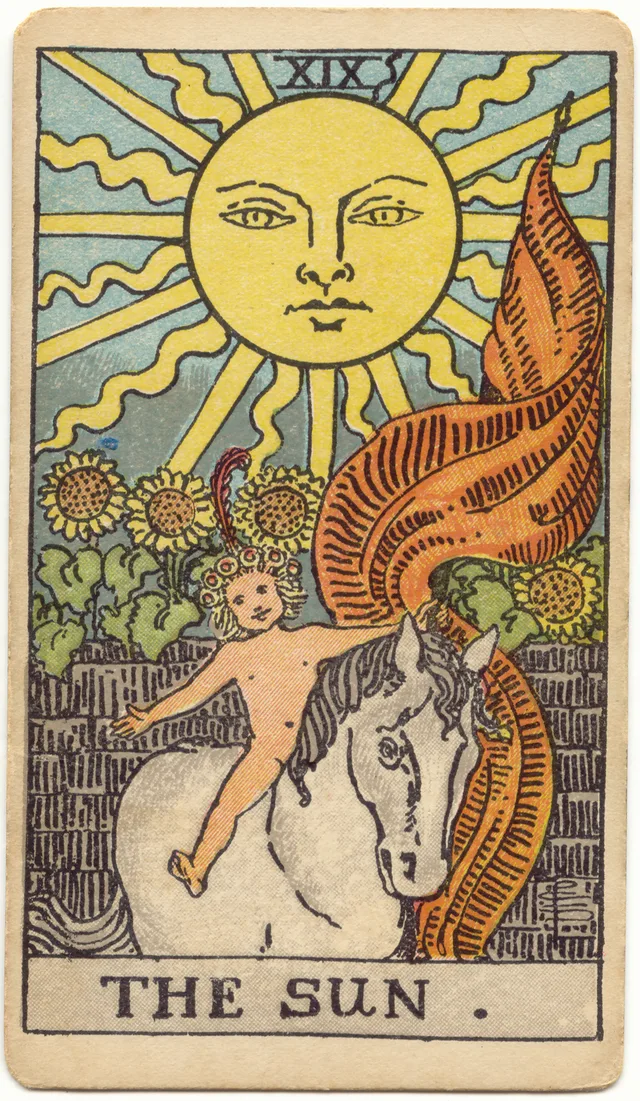
The Sun
The Sun explores visible warmth and vitality; the Ten of Cups explores belonging, shared life and the relationships that make a home.
Read this card's meaning →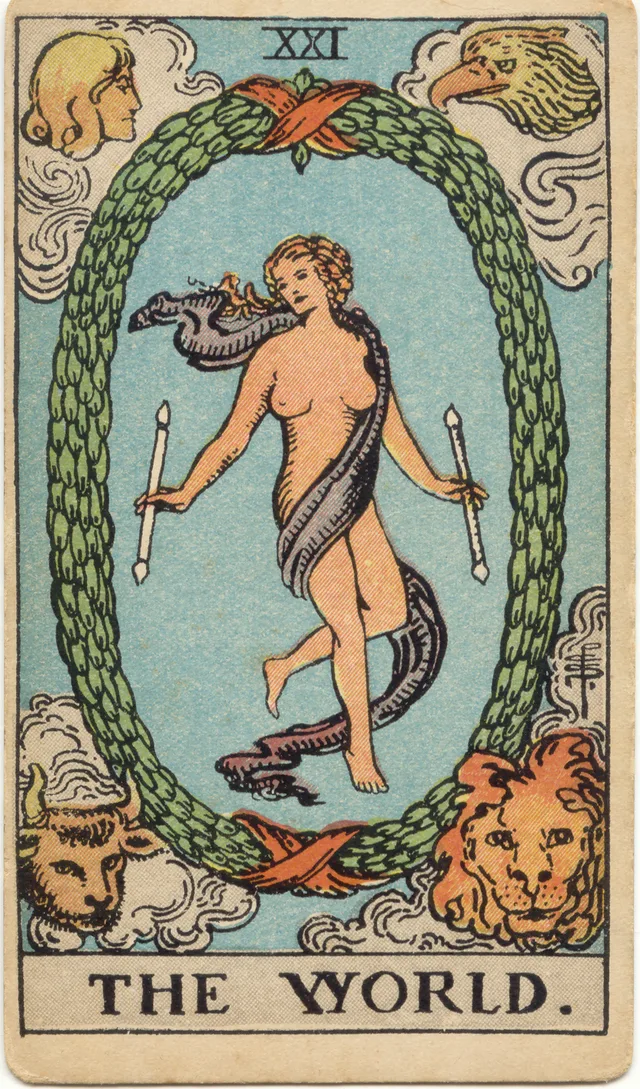
The World
The World examines completion and perspective; the Ten of Cups examines emotional belonging and shared foundations without proving that a life is complete.
Read this card's meaning →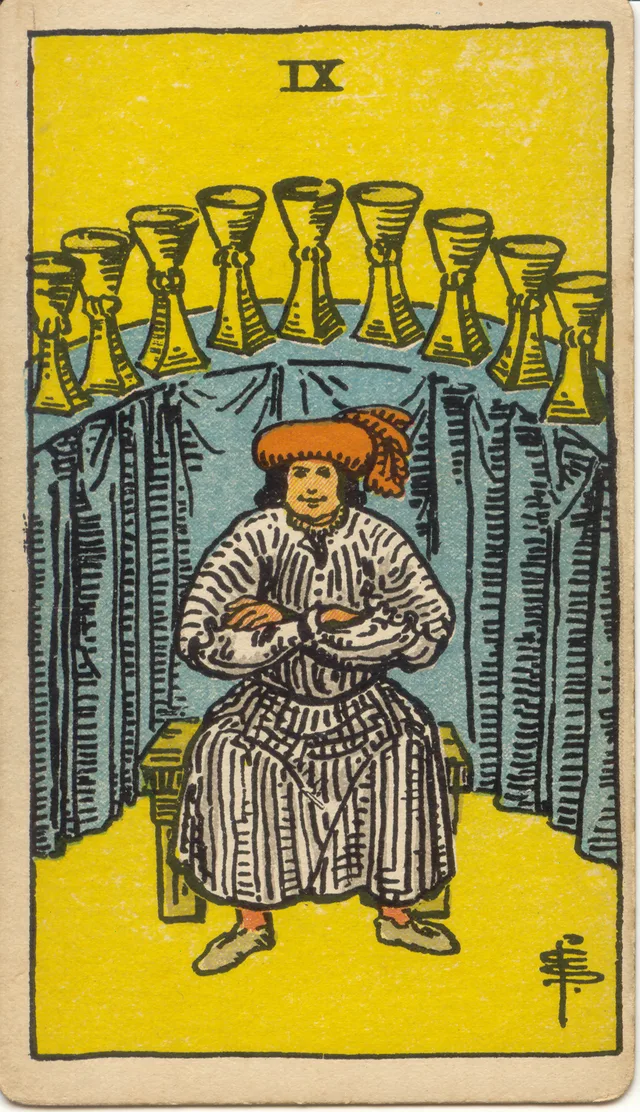
Nine of Cups
The Nine of Cups focuses on individual satisfaction; the Ten of Cups brings shared belonging and household relationships into the discussion.
Read this card's meaning →