The High Priestess Tarot Card Meaning
The High Priestess represents privacy, reflection, intuition, and information that is not yet fully available. It can prompt a quiet review of a relationship, job, or decision, but a feeling is not proof and silence is not an answer from another person. Give yourself time to separate intuition from fear, then check the relevant facts before choosing.

What's pictured on the card
The High Priestess sits between two pillars, one dark and one light, a veil strung with pomegranates hanging behind her. A crescent moon rests at her feet, a lunar crown sits on her head, and a partly hidden scroll marked Tora lies in her lap. Her blue robe pools like water at her feet. She guards the threshold between the seen and the unseen, holding knowledge that is felt and sensed rather than spoken aloud.
The High Priestess upright: the core meaning
Seated between two pillars with a scroll half-hidden in her lap, the High Priestess keeps quiet on purpose. Today wants less from your busy planning mind and more from the steady knowing underneath it. Before you rush to fill the silence, pause and listen; you already sense the answer you keep talking over.
Something in you already knows, even if you can't yet prove it. Today you may feel a soft pull to grow still, to stop explaining yourself and simply notice. There might be a decision you keep talking through with everyone when the truer answer is waiting underneath all the chatter. That flicker of certainty you keep dismissing as merely a feeling deserves far more trust than you're giving it right now.
Consider leaving a little space between one demand and the next rather than filling every pause with noise or action. At work, you could sleep on a major decision instead of forcing it this afternoon, then reassess it with fresh information. In love, listen as well as speak, and ask directly rather than treating silence as an answer. With money, let pressure be a reason to check the facts before choosing. If family drama swirls, you do not have to referee it. You can say, 'Let me think on it.' Quiet can be reflection without becoming avoidance.
Three simple ways to work with this card
- Sit for five minutes with no phone, and notice the first real thought that surfaces on its own.
- Write down a question you're wrestling with, then close the notebook and let the answer come in its own time.
- Before replying to anything charged today, take one slow breath and check what your gut is telling you.
What does your gut already know that your head keeps trying to argue with?
Every symbol, explained
The two pillars, B and J. She sits between a black pillar marked B and a white pillar marked J. Traditional interpretations connect these letters with Boaz and Jachin, columns associated with the entrance to an old temple, and with contrasting qualities such as firmness and mercy. Her central position suggests holding two possibilities in view while gathering information; the image does not provide a literal answer.
The pomegranate veil. A curtain decorated with pomegranates and date palms hangs behind her. It blocks the view without becoming a permanent wall, so it can represent information that is private, incomplete, or dependent on timing and consent. The pomegranate also recalls older stories about hidden knowledge and seasonal change; the card does not mean that a secret must be revealed.
The scroll marked TORA. A scroll rests in her lap, partly covered by her cloak, with the letters TORA visible. It is commonly read as a reference to divine law or teaching. Because most of the text remains hidden, the illustration emphasises partial information: work with what you can verify, and do not pretend that a fragment is the whole document.
Moon at her feet, crown on her head, water in her robe. A crescent lies beneath one foot, and a horned lunar crown sits above her head. Her blue robe falls in long folds that resemble flowing water. These details connect the image with cycles, reflection, and the movement of attention between private feeling and the visible world; they do not show that a feeling is correct.
The number two, and the Moon. The card is numbered two, a number often associated with contrast, reflection, and keeping two possibilities in view. Tarot traditions connect it with the Moon and with cycles, sleep, and changing visibility. Use those associations as prompts to slow down and compare information; they are not evidence about a person, event, or outcome.
The upright meaning, in detail
The essential lesson is that you may notice a pattern before you can explain it. A change in tone, a repeated omission, or discomfort during a conversation can be worth recording as an observation. The card is not asking you to abandon reason; use the initial impression to form a question, then look for evidence that supports or challenges it.
When this card appears, people often recognise that they have been avoiding an observation. That recognition can be useful, but it is not a verdict. Write down what you actually noticed, separate it from the story you added, and decide what conversation or fact-check would help before acting.
The card is not an instruction to do nothing. A pause can create room to gather information, but it should have a practical purpose and an end point. It does not promise a revelation, and a feeling is not automatically correct. Compare a steady observation with fear, fatigue, previous experience, and verifiable facts before deciding.
The reversed meaning
Reversed, the commonest reading is an observation repeatedly set aside. You noticed a change early, mentioned it, and then stopped recording what happened. The unresolved concern may continue to occupy your attention or affect your mood, but the card cannot diagnose a cause. Write down specific events and seek appropriate support.
The second face is unhelpful withholding. A person may keep information private for good reasons, or may avoid a necessary conversation, leave out a material term, or withdraw instead of explaining hurt. Ask what is confidential, what affects other people, and what can be stated clearly. Do not treat a mysterious presentation as proof of dishonesty.
The third is disconnection from your own priorities. Constant messages, requests for opinions, and rushed decisions can make it hard to notice what you think. A quiet interval may help you identify a preference, but it cannot replace information, advice, or a direct conversation when those are needed.
How I read reversals: context over dogma. For someone who asks five friends about every choice, the card can prompt a private list of values and a clear decision criterion. For someone relying only on hunches, it prompts a check of the numbers and independent sources. In the past position, review an ignored concern; crossing you, identify missing information; in the outcome, consider how noise or delay could affect your choice.
In love & relationships
If you're single, this card supports taking time to learn about someone rather than deciding after one evening. Notice concrete behaviour, such as whether they answer questions, respect a boundary, or speak consistently about previous relationships. Record concerns without turning them into accusations, and ask direct questions before choosing whether to continue.
In a relationship, the card highlights a subject that has not been discussed: money worry, a change in feeling, an old hurt, or a decision one person is carrying alone. An atmosphere is not proof of betrayal or intent. Name the specific change you have noticed, ask an open question, and allow the other person to answer.
It can also describe difficulty understanding a partner's behaviour. That uncertainty can invite suspicion, especially when there is only one incomplete signal. Note the behaviour, avoid searching or accusing without consent, and ask for clarification. If the conversation is unsafe, seek support rather than confronting the person alone.
The hard conversation can start without a case file: I have noticed a change and I do not understand it. Describe what happened, explain its effect on you, and ask what the other person sees. If you might be dismissed or harmed, choose a safer setting and involve a trusted or qualified support person.
Inner knowing steadies a relationship or corrodes it, depending on whether it's spoken.
- Trusting what you noticed early, not explaining it away
- Letting a connection reveal itself, not auditioning it
- Saying the unproveable thing plainly, once, with no case
- Comfortable silence, the kind that needs no filling
- Expecting to be understood without saying it out loud
- Turning half a signal into a full accusation in your head
- Withdrawing as punishment and calling it needing space
- Discussing the relationship with everyone but the person in it
Career
On a job hunt, this card can draw attention to an interview that left you uncertain even though the paperwork looked attractive. Treat that feeling as a prompt for questions: why is the role vacant, what does the team measure, and what do former employees say? You can also keep a job search private until you have checked the role and chosen who needs to know.
In the workplace, pay attention to how decisions actually move, who is consulted outside the organisation chart, and what a change in an email may mean. Treat those as hypotheses, not hidden facts. Check a concern through minutes, published plans, or a respectful question before making a public accusation or an irreversible decision.
For a promotion or resignation, a pause can help you read the offer, duties, pay, and reporting line carefully. If you have felt out of place for months, list the specific conditions that are not working and compare them with alternatives. A quiet impression can start an investigation, but it should not replace written terms, references, or a practical exit plan.
Money
Her money theme is information left unopened: a statement, a pension not checked since a job change, or a direct debit whose amount you cannot name. Set aside a quiet time to list balances, fees, dates, and access details. If the numbers are difficult, ask a regulated adviser or trusted support person to help; the card cannot assess your finances for you.
For spending, use a twenty-four-hour pause when an urge follows a bad day, comparison, or argument. During the pause, check the budget, return terms, recurring costs, and whether the purchase serves a stated priority. Unease is a reason to gather more information, not a conclusion about the item or the seller.
With debt, write every balance, interest rate, payment, and due date on one sheet before choosing a plan. Shame can make information harder to face, so use confidential support where available. With a windfall, consider a defined pause, protect the money, and seek tax or financial advice before making a large gift, purchase, or investment.
Health & wellbeing
Tarot traditions associate this card with the Moon, cycles, sleep, and water. In a wellbeing reading, use that symbolism to track changing energy, sleep, hydration, and stress rather than to explain a symptom. Persistent tiredness, restless nights, or repeated waking deserve a conversation with a qualified clinician, especially when daily life is affected.
For habits, try five quiet minutes before reaching for the phone, a walk without audio, or a neutral record of food, sleep, and stress. The purpose is to notice patterns you can discuss, not to diagnose yourself. If a concern about your body persists, make an appointment and describe the dates, severity, and changes accurately.
Life events & big decisions
On a move, include your lived experience alongside the spreadsheet. Visit on an ordinary weekday, check noise, transport, light, access to services, and how the budget works. Notice your reaction, then test it against those observations and ask current residents specific questions rather than treating a bodily response as a verdict.
Before a wedding, the card can invite an honest review of nerves, expectations, and any specific concern. Feelings can change with sleep, stress, family pressure, or new information, so do not classify them as proof of readiness or doubt. Discuss the concern with the person involved and consider counselling or other qualified support if the decision is significant.
After a loss, this card can make room for privacy and for grief that has not yet become a clear story. You do not have to provide an explanation or timeline to people who demand one. Grief can change from day to day; seek support from trusted people or a qualified counsellor if it becomes difficult to manage.
Contracts, deals & signatures
She draws attention to what is absent from a document: an omitted clause, an unasked question, or an assumption both parties may understand differently. Before signing, compare the agreement with the promised deliverables, payment dates, exit terms, and responsibilities. Write down the three questions that feel awkward and ask them directly.
For timing, this card supports a defined pause when important information is missing. Do not assume that a delay is meaningful or that pressure proves bad intent; ask what deadline is real, what changes after it, and whether you can obtain advice. A night's sleep can help you read the terms with a clearer mind.
In negotiation, state your position clearly and allow time for a response. Keep a written budget, minimum, or walk-away point for yourself, while recognising that silence does not reveal another person's limits or motives. Record concessions and confirm the final terms in writing.
Entrepreneurship & business
For starting, she supports a private test before a public launch: make a small version, test it with three real people, record their feedback, and protect confidential information. Do not hide a product indefinitely; use the test to decide what to change, what to disclose, and when a public launch is responsible.
For growth, combine customer conversations with measurable results. A dashboard can show retention or sales, while an interview may explain why a customer leaves or requests a feature. Protect private research where necessary, but document the decision and test it rather than treating an impression as sufficient evidence.
On hiring, treat a reservation as a reason for a structured second conversation, reference checks, and a clear review period, not as proof that someone is unsuitable. Ask what the role requires and assess the evidence consistently. For business risk, use staged experiments, cash limits, and review dates when entering an early or uncertain market.
How it shows up in real readings
Read her pairings as questions. Next to The Magician, ask what observation needs to become a clear message or action. With The Hermit, consider whether solitude is helping you research or merely delaying a conversation. Beside The Moon, separate specific observations from fear-driven stories and verify what can be checked.
A client came about a job offer with better money and a better title, and this card sat in the centre of her spread. She listed the reasons to accept it, then added but each time. When I asked what she would say if the salary matched her current one, she quickly named a concern about the manager and linked it to specific moments from the second interview. She declined after checking references and comparing the written duties. Eight months later the department was restructured, but that later event was not evidence that the card or her impression predicted anything; the useful decision rested on the information she had gathered.
What does The High Priestess mean in tarot?
What does The High Priestess reversed mean?
Is The High Priestess a yes or no card for love?
How soon do things happen with The High Priestess?
How do I tell intuition from anxiety with The High Priestess?
If she's turned up for you today, create a defined gap: half an hour with no phone, music, or outside advice. Write what you observed, what you fear, what you want, and what remains unknown. Use the pause to prepare a question or next step, not to turn a feeling into a conclusion.
Then write it down before you talk to anyone so you can distinguish your first observation from later suggestions. If you'd like a daily practice in noticing your reactions without treating them as facts, the free daily draw is there each morning, one card, no analysis, just a brief reflection.
The High Priestess can prompt attention to a quiet impression or information not yet spoken aloud. Give yourself time to examine it, ask a plain question, and distinguish intuition from evidence before deciding.
Related cards and themes
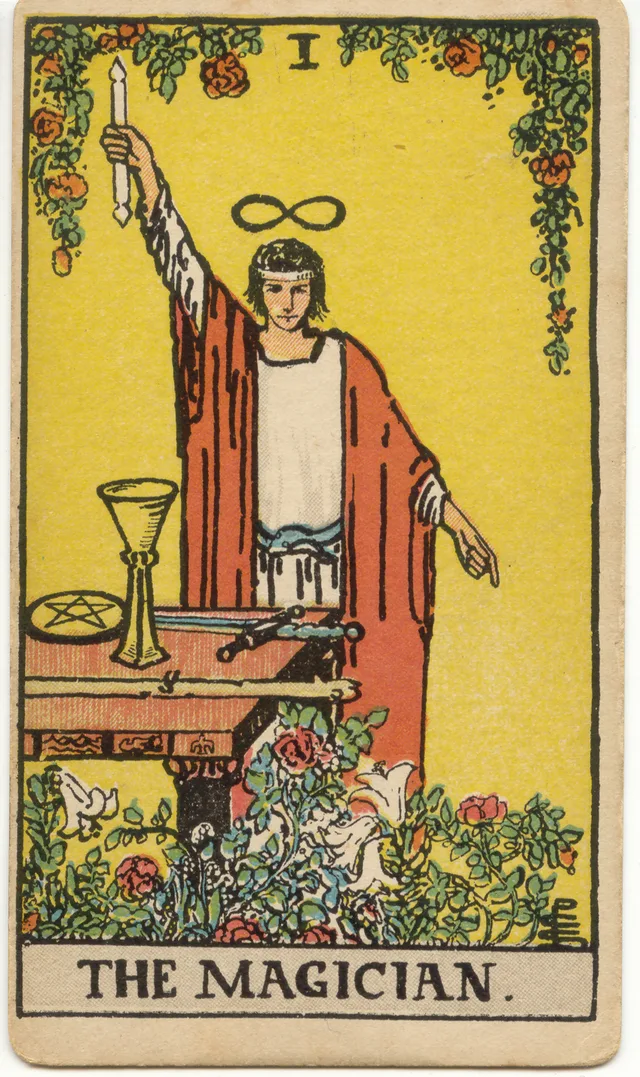
The Magician
The Magician turns available skills into words and actions; The High Priestess focuses on private observation before speaking.
Read this card's meaning →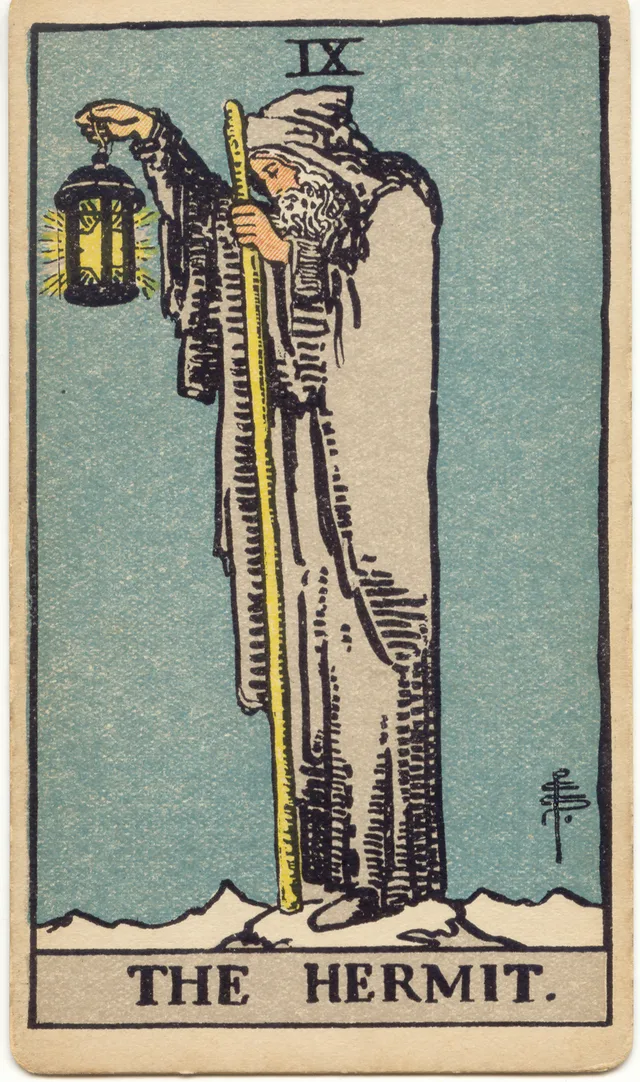
The Hermit
The Hermit makes solitude a deliberate search for understanding, while The High Priestess protects a quiet pause and incomplete information.
Read this card's meaning →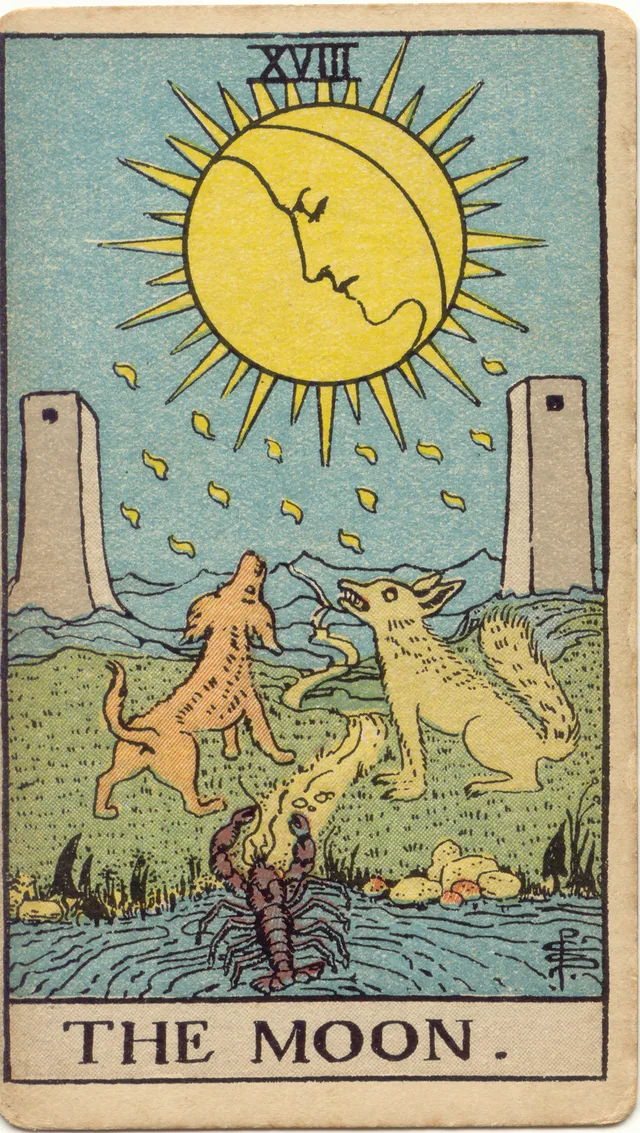
The Moon
Both cards address uncertainty, but The Moon shows how fear and imagination can distort the observations The High Priestess asks you to examine.
Read this card's meaning →