Four of Swords Tarot Card Meaning
The Four of Swords shows a figure resting apart from the field, an image of recovery, quiet, and a deliberate pause. It does not mean that something is over or diagnose what your body needs. Consider what can safely wait, what rest would involve, and which practical or professional support belongs in the plan.

What's pictured on the card
A knight lies carved in stone atop a tomb, hands pressed together as if in prayer, utterly still. Three swords hang on the wall above him, and a fourth rests beneath his resting form. A stained-glass window glows in soft colour to one side, showing a figure offering a blessing. Smith drew rest, not death, a deliberate retreat, a sanctuary where the fighting stops and the body is finally allowed to be still and mend.
Four of Swords upright: the core meaning
In the Four of Swords, a figure lies at peaceful rest, swords set aside, taking a deliberate pause. Today is permission to stop, to recover, breathe, and let your mind settle before the next round. You don't have to push through everything. Rest isn't falling behind; it's how you keep going well.
You may be running on fumes and calling it coping. Underneath the busyness there's a deep pull towards quiet, a longing to close the door, put the phone down, and simply stop for a while. Perhaps you've been afraid that if you slow down, everything will catch up with you. In truth, the opposite is happening; the tiredness you keep overriding is your system asking, kindly but firmly, for a pause it has more than earned.
Treat rest as the task today, not the reward at the end. Look at your calendar and postpone one non-urgent thing if that is safe. At work, protect a genuine break. In relationships, say you need a quiet evening rather than performing energy you do not have. Make a practical plan for money worries when rested instead of promising that they will be unchanged tomorrow. Rest can support recovery, but persistent exhaustion deserves appropriate care.
Three simple ways to work with this card
- Cross one non-urgent thing off today's list entirely, and give that reclaimed hour to genuine rest instead.
- Lie down for twenty minutes with your phone in another room, and let your thoughts settle without steering them.
- Tell someone you love that you need a quiet night, and let that be a complete, guilt-free sentence.
Where do you most need rest today, and can you actually allow it?
Reading the image closely
The tomb and the knight. The figure lies on a stone effigy in the posture used for knights' tombs in medieval churches. His hands are pressed in prayer, so the image can suggest deliberate rest rather than a depiction of death or defeat. The painting cannot establish that a real person chose to pause or that rest protects them.
Three swords above, one beneath. Three blades hang horizontally above him, while a fourth lies beneath the resting figure. The arrangement can symbolise decisions or conflicts set aside for a time, with a tool still present for later use. It cannot show that a reader should postpone a decision or that a conflict will wait.
The stained-glass window. A small stained-glass panel in the background includes a standing figure whose gesture may suggest blessing or support. This gives the scene a sheltered religious setting, but the image cannot establish that a reader has protection, support or a safe place to withdraw.
Four, and Jupiter in Libra. Some traditions associate this card with Jupiter in Libra. That correspondence can add themes of balance and measured effort, but it cannot assess someone's capacity or tell us that output and recovery are out of balance. Use reported experience and practical demands for those questions.
The quality of stillness. The pose can be read as a distinction between a deliberate pause and an ending, but it cannot decide whether a real person's stillness is restorative, avoidant or imposed. That distinction depends on purpose, duration, capacity and what happens around the pause.
What rest actually means here
The Four of Swords offers one of tarot's clearest images of stopping rather than merely reducing activity. It can raise questions about a genuine break from work, conflict or decision-making, but it cannot decide how much rest is enough or certify recovery. Check symptoms, energy, function, obligations and the person's own account.
It can also symbolise recovery after mental or emotional intensity. The image cannot diagnose fatigue or show that decision quality has declined. If concentration, sleep or function are affected, actual symptoms, workload and qualified support matter. Solitude is one possible theme, not a prescription.
The knight has placed his sword down rather than discarded it, so a temporary pause is one interpretation of the image. The card gives no instruction to rest, withdraw or persist. Capacity, urgency and real-world support determine the response.
The reversed meaning
One reversal theme is interrupted rest or concern about returning to demands too quickly. The card cannot establish incomplete recovery or predict worsening depletion. Symptoms, function and qualified health or workplace guidance should inform any change.
A second reversal theme is difficulty resting. Tarot cannot assess severity or urgency. Persistent exhaustion, sleep difficulty or reduced function deserve real-world support from an appropriate health professional.
A third reversal theme is returning from rest or re-entering activity. It cannot show that recovery is complete or that something is ready to resume. Use actual capacity, obligations and guidance to decide the pace.
There is also a theme of difficulty allowing rest because of obligation, guilt, competitiveness or unfamiliarity with stepping back. The card cannot reveal the reason. Ask what makes a pause difficult and what practical support would make a chosen pause possible.
In love & relationships
In a relationship, the Four can frame a pause in a specific argument or pattern rather than a conclusion about the relationship. Time apart or an agreement to revisit a topic later may help some people, but the card cannot prescribe separation or show that a pause will restore closeness. Discuss consent, safety, timing and practical needs.
For someone describing the aftermath of a painful relationship, the Four can support reflection on taking a break from constant analysis. Some people prefer quiet, while others need conversation or professional support; the card cannot decide what healing requires. Someone single may also choose to pause dating, but that is a personal decision shaped by energy, safety and priorities.
A pause can create room to assess a relationship, but its value depends on consent, safety and the circumstances described by the people involved.
- Returning to a hard conversation with patience rather than depleted irritability
- Hearing the other person clearly, not through a filter of accumulated fatigue
- Recovering the warmth that ongoing pressure erodes
- Letting integration happen below the surface without forcing constant processing
- Conflict driven more by exhaustion than by the actual issue
- Decisions from depletion that would look different when rested
- Feeling the relationship is the problem when the problem is the state you're both in
- Resentment at needs for rest and quiet going unacknowledged
Career
Professionally, the Four symbolises pause and recovery. It cannot show that work quality is constrained by a person's state or that rest is the most productive option. Workload, performance, health and deadlines provide that evidence.
It can symbolise high-pressure work or a pause between roles. The card cannot establish cumulative depletion, error risk, guilt or a recovery stage. Reported symptoms, performance and appropriate workplace or clinical support matter.
For example, a new parent returning to work may need to compare a fixed meeting schedule with childcare, sleep, travel and available leave. The useful review is concrete: which hours are fixed, which tasks can be shared, which adjustment can be requested and when the arrangement should be revisited. A person can value their role and still need a workable limit. The resting figure offers a way to discuss that limit, not a reason to ignore income, rights or another person's responsibilities.
Money
In a financial context, the Four can raise decision capacity as a question. It cannot diagnose depletion, show that evaluation is impaired or direct delay. Verified figures, deadlines, risk and qualified advice should guide the decision.
A simple planning example is a person comparing an urgent bill with a tired attempt to solve it late at night. They can write down the amount, due date, available help and any penalty, then choose a review time when they can read the details. That is a practical pause with a purpose, not a refusal to deal with the bill.
Health & wellbeing
In wellbeing readings, rest and recovery are symbolic themes. The card cannot establish insufficient recovery or prescribe sleep, quiet or withdrawal. Symptoms, function and qualified health guidance determine care.
For mental health, sustained emotional or cognitive effort can be a discussion theme. The card cannot establish anxiety, grief, depletion or the recovery required. The reader's report and qualified support provide context.
Nothing here is diagnostic. If something concerns you about your health, talk to a qualified clinician. The empty-vessel image cannot establish someone's capacity or recovery history.
A beginner example helps separate rest from avoidance. Suppose someone has worked late for two weeks and is rereading the same email without understanding it. They can record the deadline, the tasks that genuinely need attention, and the signs that concentration is failing. A short break, a change of task, help from a colleague or medical advice are different options. The useful question is not whether the card orders rest, but what information would show that the current pace is no longer workable.
Another example concerns a person recovering from an illness who is invited back to a full schedule. Instead of using the image to label them ready or unready, compare symptoms, daily function, the proposed hours, workplace adjustments and clinical guidance. A gradual return, more time away or a different arrangement each has practical consequences. Write those consequences down, ask who can approve changes and set a review date based on real information rather than a symbolic deadline.
Life events & big decisions
Around a major decision, the Four can prompt a check of whether pressure or tiredness is affecting deliberation. A move, career change or commitment may have a fixed deadline, so list what can wait, what cannot, and what support is available. The card cannot establish that a pause will improve the decision.
It can also provide a framework for discussing the period after bereavement, illness or a difficult ending. Recovery and decision-making differ between people, and tarot cannot set a timeline or establish what someone needs. A break from analysis is one option to consider alongside conversation, practical help and qualified care; deadlines and consequences still need attention.
Contracts, deals & signatures
Around contracts, the Four can prompt a careful review away from pressure. Fatigue, relief or fear of losing an opportunity can make close reading harder, but the card cannot assess someone's capacity or decide whether a document is suitable. Check deadlines, request time where possible and obtain independent review.
It can also frame questions about fatigue during negotiation. The card cannot assess either party's capacity or prescribe a delay. Review workload, decision quality, deadlines and independent advice before choosing when to continue.
Entrepreneurship & business
For founders and self-employed people, the Four can symbolise a strategic pause and a wish for perspective. It cannot establish depletion or prescribe operational rest. Workload, business continuity, decision quality and available support determine whether a pause is appropriate.
It also raises questions about delegation, continuity and whether systems rely heavily on one person. The card cannot diagnose decision-making or tell a business to wait. Assess capacity, urgency, operational risk and additional review using real-world information.
How this card shows up in practice
The Four next to The Hermit concentrates themes of withdrawal and perspective without proving depletion. Beside Strength, recovery and composure become reflective themes, not evidence that recovery is underway or that withdrawal is required.
A reader may report long-term strain, reduced capacity or tiredness. The Four can provide an image for reflection but cannot reveal unacknowledged fatigue or prescribe rest. If reported symptoms affect daily life, qualified clinicians and appropriate real-world support are better placed than tarot to help.
What does the Four of Swords mean in tarot?
What does the Four of Swords reversed mean?
Is the Four of Swords a yes or no card?
What does the Four of Swords mean in a love reading?
Does the Four of Swords mean I should quit my job?
If the Four has appeared for you, notice any thoughts about rest being impractical or badly timed. Those thoughts may identify workload, financial or care responsibilities, but they do not prove that rest is needed. Write down the constraints and consider what support or smaller pause is realistically available.
The knight's resting pose can offer a simple image for considering quiet, support and a change of pace. A person's useful form of rest depends on health, access, obligations and preference; the card cannot identify it. If you'd like something consistent to return to, the free daily draw takes one minute each morning.
The Four of Swords can highlight rest, recovery, and a pause in activity. If that theme keeps returning, ask when you last rested genuinely and what your body or circumstances need; the card cannot set a schedule or diagnose exhaustion.
Related cards and themes
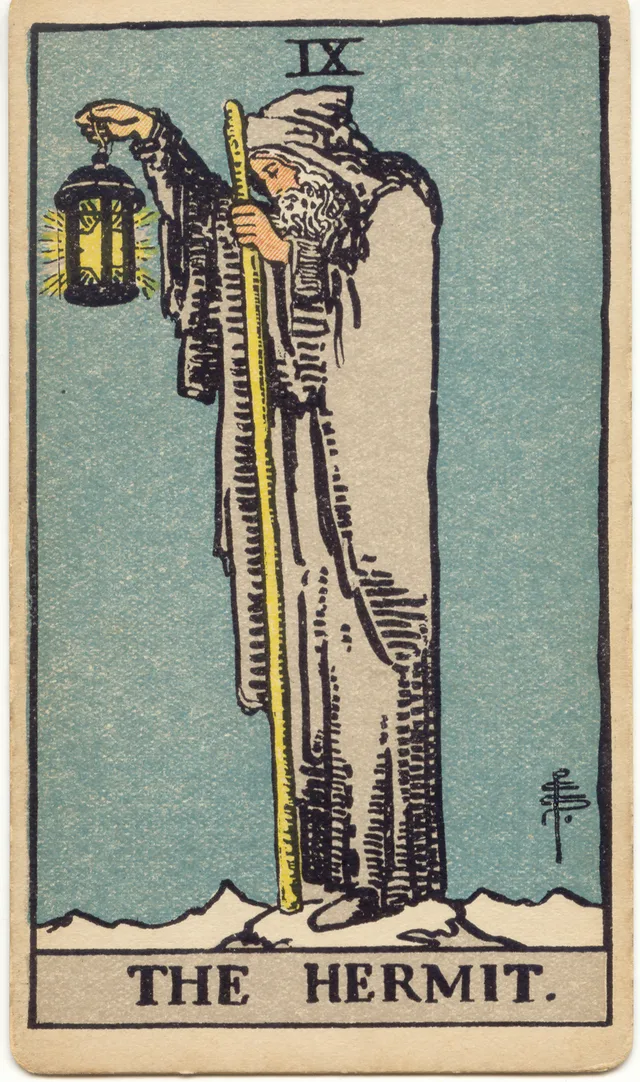
The Hermit
The Hermit and Four of Swords both explore time away from activity. The pairing can compare deliberate reflection with rest, without establishing why someone has withdrawn.
Read this card's meaning →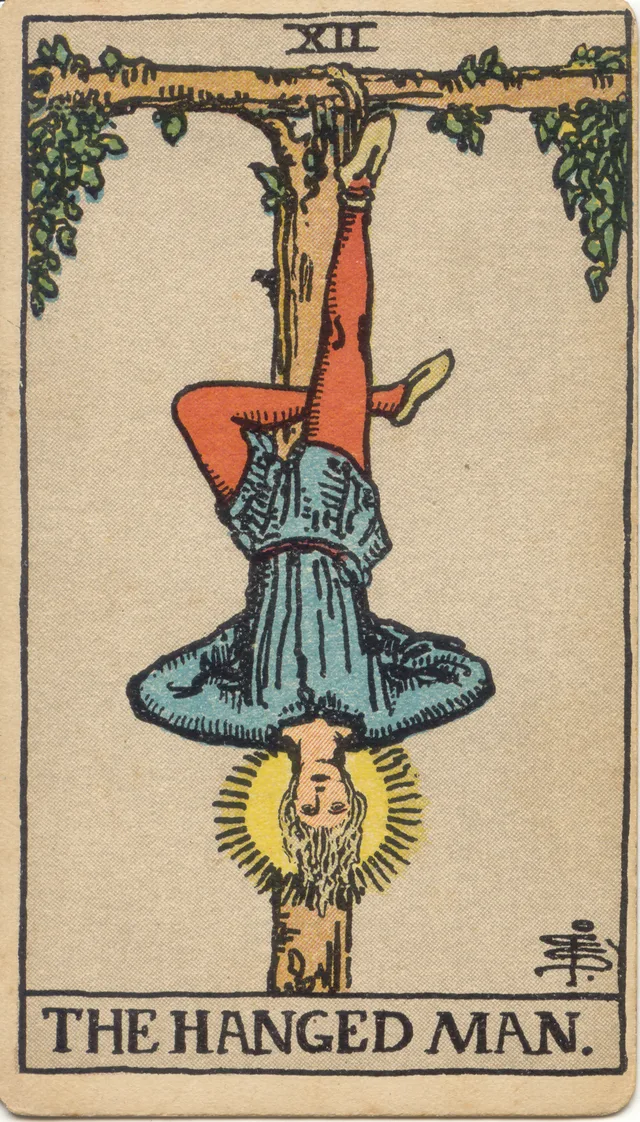
The Hanged Man
The Hanged Man also uses suspension, while the Four of Swords focuses on rest in its traditional symbolism. Together they can prompt questions about pausing, perspective and capacity.
Read this card's meaning →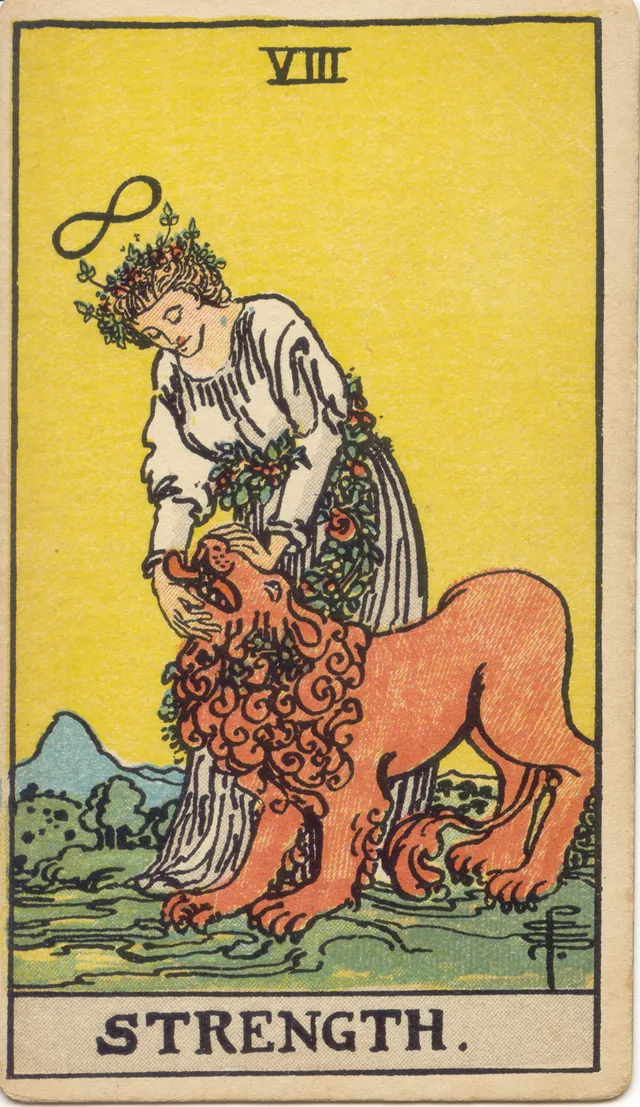
Strength
Strength explores patient use of power, while the Four of Swords explores a pause before further effort. The pairing can raise questions about capacity without proving that rest is required.
Read this card's meaning →