Judgement Tarot Card Meaning
Judgement uses a trumpet and rising figures to represent review, accountability, forgiveness, and renewal. It can prompt you to revisit a career choice, relationship, or question you have postponed, but it cannot prove that an answer or external news is arriving. Separate what you know from what you hope, then choose what fits your values and present circumstances.

What's pictured on the card
An angel blows a trumpet hung with a red-crossed flag from the clouds above. Below, naked figures, men, women and children, rise from open grey coffins on a wide watery expanse, arms lifted towards the sound. Snowy mountains line the far horizon. The image draws on the idea of a great awakening: a call to rise, to answer openly, and to step into a renewed self. It speaks of reckoning, forgiveness, and genuine rebirth.
Judgement upright: the core meaning
In Judgement, figures rise at the sound of a trumpet, ready to answer a true call. Today asks you to take stock, to forgive an old chapter, hear what's calling you, and step up as the person you're becoming. A wiser version of you is waiting; answer the call without dragging the past along.
You may feel today a quiet call to change something, to step up, or to finally forgive an old chapter. Underneath, there might be a sense of standing at a threshold, ready to become more fully yourself. That restlessness isn't dissatisfaction for its own sake; it's a wiser version of you knocking at the door. You already know what's being asked. The relief you've been longing for lives on the other side of answering it plainly and without delay.
Take stock of what has changed and decide what you want to carry forward. At work, review your growth before considering a larger role. In love, explore whether forgiveness or a clear boundary would help an old hurt take up less space. With money, review past choices without shame and identify one wiser practice. If family history weighs on you, keep what helps and set limits around what harms. A reflective review can support a new beginning, but you remain free to choose its timing and form.
Three simple ways to work with this card
- Reflect on how far you've come, then name one change you're finally ready to make today.
- Forgive one old hurt today, your own or someone else's, so it stops steering your present.
- Listen for the thing that's been calling you, and take one real step towards answering it.
What is calling you to rise up and answer it today?
Every symbol, explained
The trumpet and the audible announcement. Gabriel's horn cuts through the cloud. Sound draws attention, so the instrument can symbolise news, a realisation or a request that asks to be considered. The painting cannot establish that a diagnosis, message or decision is arriving; check those matters through actual communication and records.
The figures lifting their own lids. No one is shown being lifted from a coffin. Each figure raises a lid and stands without visible assistance. This can support a theme of personal participation in change, but it cannot establish that a reader alone is responsible or that a response must happen now.
Adults and children together. The scene includes people of different ages, suggesting that change can affect a family or community as well as one person. The card cannot identify a family issue, determine how others feel or imply that everyone must make the same choice.
Grey water and distant mountains. Coffins float on a flat sea with snowy peaks in the distance. The water and mountains can give the image a sense of transition and a difficult landscape, but they do not show what a reader has already survived or whether a challenge is behind them.
Twenty and the red cross on the banner. Judgement is numbered XX. Some readers connect the two Xs with choice or a meeting of paths, while the red cross on white can suggest renewal in Christian imagery. These are optional associations, not evidence that a decision or renewal is occurring.
The upright meaning in detail
Judgement can prompt a review of a question that has been postponed, a choice that needs reconsideration or a value that deserves clearer expression. It does not prove that the reader already knows the answer, that delay is harmful or that news is coming. Separate reported facts, hopes and unknowns before deciding what the image means here.
Some readers go still and say I know what this is about when they see the card. In my experience across twenty-five thousand readings, many people have connected it with a question they were already considering, while others have not. That response belongs to the reader; the card cannot reveal a private concern or establish how long it has been present. Some people name a topic within two minutes, while others need time or reject the association.
The card need not be read as a verdict on character or punishment for old choices. It can provide a structure for reviewing what happened, what it cost and which values matter now. The image cannot decide blame, deservingness or what a person should do next.
The reversed meaning
One reversal theme is postponing a decision or conversation. A person may delay because of timing, uncertainty, care responsibilities or fear, but the card cannot establish avoidance or its cost. List the known deadline, the information still needed and the consequences of each option.
A second reversal theme is harsh self-judgement about past relationships, work or caregiving. The card cannot diagnose self-criticism or determine who was responsible. It can support a gentler review of what was known at the time, what was within the person's control and what support is needed now.
Another theme is deciding whether forgiveness, distance or another boundary fits after harm. Forgiveness is not required, does not excuse conduct and does not require contact. The card cannot judge deservingness or tell a person to reconcile; safety, consent and the person's values come first.
An excess reading is repeated reinvention: changing direction before evaluating the practical results. The card cannot distinguish a durable value from a passing interest. Track the idea's evidence, costs, timeline and effect before committing, rather than treating intensity as proof.
Read a reversal through context rather than a fixed rule. Nearby cards may prompt questions about delay, self-criticism, forgiveness or a new direction, but they cannot establish paralysis or a past decision. Position changes the focus of reflection, not the evidence.
In love & relationships
For someone single, Judgement can frame a review of dating patterns, such as repeated choices, reluctance to ask directly or comparisons with an ex. The card cannot establish a pattern or prescribe dating differently. Use actual experiences, boundaries and values to decide what to change.
In an established relationship, the card can frame a review conversation about a past injury, an unspoken need or the terms of continuing. It cannot predict renewal, establish that habit is the only reason a relationship continues or tell either person to leave. Discuss consent, conduct, repair and each person's wishes.
It can also prompt reflection on contact with an ex or another person from the past. The card cannot predict a message, prove that either person has changed or assess whether renewed contact is safe. Review the history, current conduct, consent and boundaries before deciding whether contact fits.
A review can lead people to discuss repair, changed terms or separation; the card cannot decide which response fits.
- An old hurt discussed with clear boundaries about its present effect
- Saying the thing no one says, in a quiet way and not in front of anyone
- Renewed contact considered against current conduct and consent
- Choosing differently after reviewing a pattern and its effects
- A relationship whose current terms have not been discussed
- Making personal freedom depend entirely on another person's apology
- Resuming contact without discussing what changed or what boundaries apply
- Punishing a partner for something a previous one did
Career
On a job hunt, Judgement can frame a long-standing interest in a field, a career change or a return to earlier training. It cannot distinguish a viable direction from a daydream or endorse a vacancy. Cost the idea out: course fees, hours, income change, entry requirements and timeline.
At work, it can prompt a review of skills, responsibilities and development goals. The card cannot establish that a title understates capability or that an application will succeed. Prepare a factual account of work, ask about criteria and decide whether applying fits the role and circumstances.
For someone considering leaving, the card can support a review of reasons, alternatives and timing. It cannot establish that leaving is necessary, that the reader has known for a year or that a former colleague will make contact. Check notice, finances, safety and written opportunities before acting.
Money
With money, Judgement can prompt a clear review of income, spending, debt and the purpose behind financial choices. It cannot establish that the reader has avoided a review, is in trouble or is unaffected by uncertainty. Use statements, budgets, obligations and suitable advice.
It can also support a discussion about shame after debt, missed pension planning or an unpaid loan. The card cannot establish the person's motives or whether a past choice was the best available. Review what was known, what can be changed and what practical or emotional support is appropriate.
Practically, it can prompt a check for old pension accounts, refunds, dormant accounts or unpaid invoices. The card cannot show that money is waiting or that a claim will succeed. Check records, deadlines, ownership and provider information before taking action.
Health & wellbeing
Judgement is often associated in tarot with results, review and answers, so it can prompt a question about an appointment, test or referral. It cannot predict medical news, assess waiting or show that a turning point is near. Use qualified clinical guidance and make appointments based on actual symptoms and access.
For mental wellbeing, it can provide language for reviewing a personal story without reducing the past to blame. The card cannot diagnose progress or establish that therapy is needed, though qualified support can help if difficult material is surfacing. The reader decides what interpretation fits.
Life events & big decisions
Around a move, Judgement can frame returning to a former place or reviewing what a change represents. It cannot establish that a return is right, that shame is driving the move or that a new identity will result. Compare housing, work, finances, relationships and reasons for moving.
Around a wedding or commitment, it can prompt a clear review of expectations, past patterns, finances and consent alongside affection. It cannot endorse a marriage, second marriage or reconciliation. A commitment should not be used as a substitute for addressing grief or unresolved conflict.
After a loss, the card can provide a framework for reviewing changes in work, family contact or place. Bereavement can affect decisions, but tarot cannot determine clarity, timing or what action is needed. Allow space, seek support and consider practical consequences before making major arrangements.
Contracts, deals & signatures
At a signing table, Judgement can frame an agreement intended to settle an earlier dispute, separation or debt arrangement. It cannot establish that an agreement is favourable or predict how signing will feel. Read the terms, consequences and rights before deciding.
It can prompt a check for anger or pressure during negotiation. A person may need to separate a practical goal from a wish for recognition, but the card cannot assess grievance or decide what something is worth. List needs, evidence, rights and acceptable terms before negotiating.
For timing, the card cannot say when to sign. Review the last agreement, any clause that caused difficulty and promises that were not written down; then correct specific problems in the new document. Use independent legal or professional review where appropriate.
Entrepreneurship & business
For starting a business, Judgement can frame a long-standing idea that deserves a structured review. It cannot endorse a venture or show that it will last. Test demand, costs, skills, legal requirements and capacity; set a launch plan only if the evidence supports it.
For an existing business, it can prompt an audit of products, clients, costs and identity-based decisions. The card cannot show which product should be retired or whether customers want it. Use sales data, customer research, margins and contractual obligations.
It can also prompt a review of former clients, contacts or earlier work. The card cannot predict that anyone will return or that an opportunity exists. Contact people only with a clear purpose and respect for consent, privacy and professional boundaries.
How it shows up in real readings
Judgement reads through the questions raised by nearby cards. Beside Death, explore endings and responses without assuming an ending is inevitable. Beside The Hermit, explore sustained reflection and a possible career question without treating the pair as proof of a trustworthy call. With The World, consider completion and lessons without predicting a date or outcome.
A man in his sixties came to me about his health and drew Judgement in the centre. He said he supposed it meant bad results. The card could not answer that medical question. What came out over the next half hour was that he hadn't spoken to his daughter in eleven years, over something that took him ninety seconds to describe and clearly still humiliated him. He'd rehearsed the phone call hundreds of times and never made it, because he'd decided he had no right. We treated the image as a prompt to consider contact, not evidence that he owed it or that she would welcome it. He wrote a letter that week. She replied in nine days. He told me later that the eleven years had been mostly pride and partly grief, and neither of them had made a single decision in all that time, they'd simply both been waiting for the other to rise first.
What does Judgement mean in tarot?
What does Judgement reversed mean?
Is Judgement a yes or no card?
Does Judgement mean an ex is coming back?
How soon do things happen with Judgement?
If Judgement has appeared, consider which question, conversation or review the image brings to mind. You may identify a small concrete step, such as drafting a letter, checking a date or asking for information, but the card cannot prove that this is the right step. Consider consent, safety and consequences first.
Be compassionate when reviewing choices made with earlier information. If you want a smaller daily way to take stock, the free daily draw offers one optional reflective question each morning; it cannot decide what needs answering.
Judgement can represent a clearer review of the past and a choice about what to do next. Offer yourself proportionate forgiveness, then separate useful responsibility from shame before deciding what action fits now.
Related cards and themes
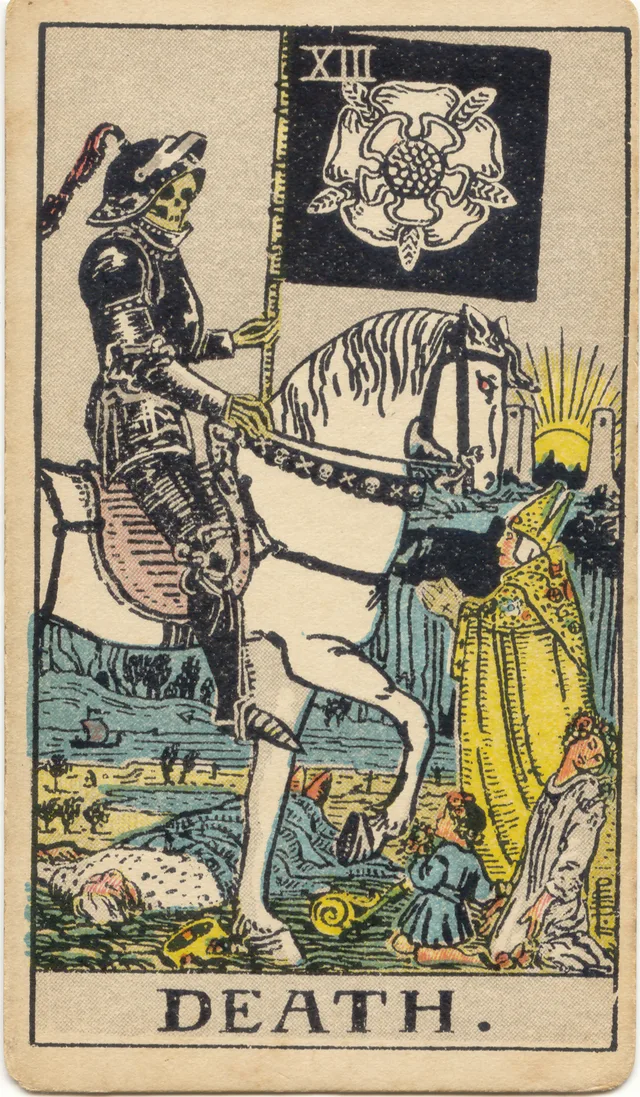
Death
Death explores an ending and Judgement explores review and response. Together they can frame what has changed and what choices remain, without dictating a decision.
Read this card's meaning →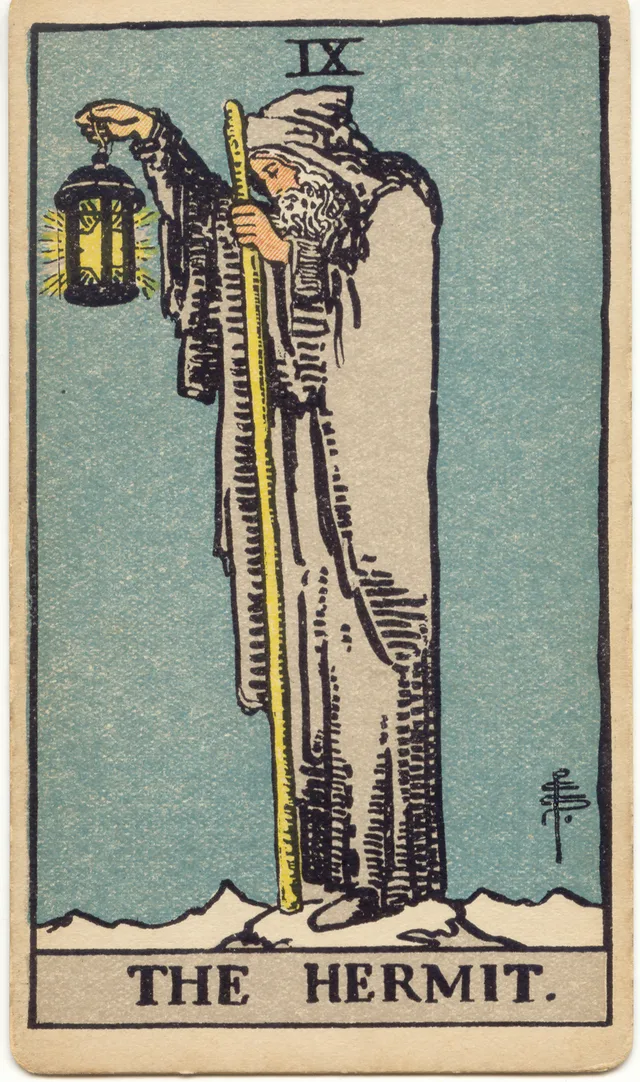
The Hermit
The Hermit explores sustained reflection, while Judgement explores what a person does with an insight. The pairing can prompt questions about time, values and action.
Read this card's meaning →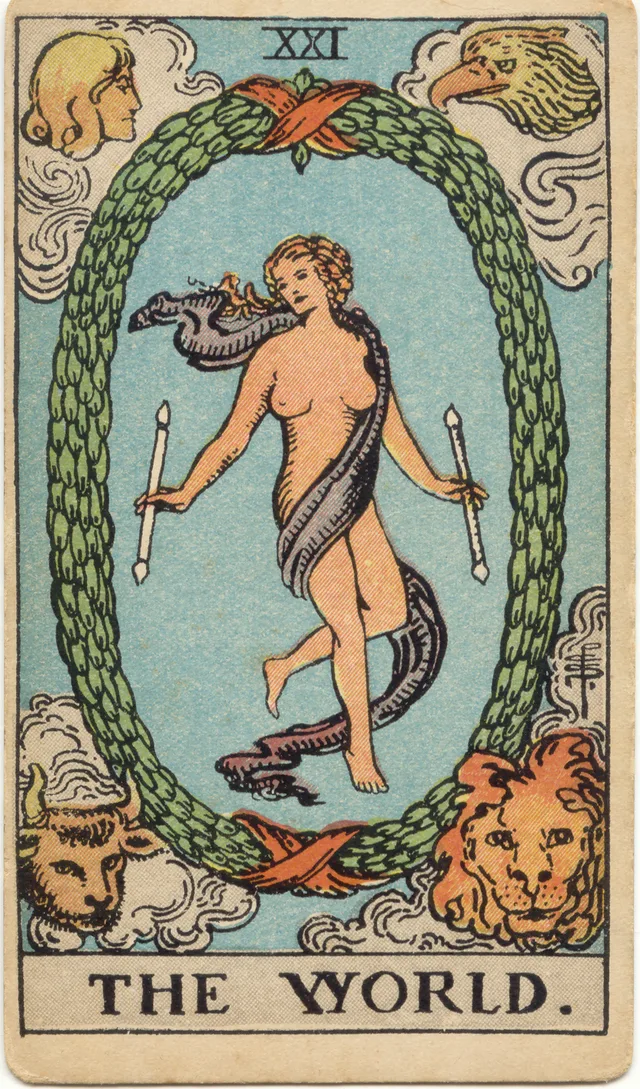
The World
The World explores completion and Judgement explores review or renewal. Together they can help organise a chapter's lessons without predicting when anything will finish.
Read this card's meaning →