The Hanged Man Tarot Card Meaning
The Hanged Man depicts a deliberate pause and an unfamiliar point of view. It can help frame a reply, decision, or situation in which more pressure may not add useful information, but it cannot prove that waiting is wise or that another perspective will resolve the issue. Identify what you are waiting for, the cost of delay, and the next review point.

What's pictured on the card
A man hangs upside down, suspended by one foot from a living T-shaped tree, his other leg crossed behind to form a figure four. His hands rest behind his back and a golden halo glows around his head. His face is peaceful, not pained, and his blue tunic and red trousers echo earth and spirit. The scene speaks of surrender, pause, and seeing the world from a wholly new angle, wisdom found by letting go.
The Hanged Man upright: the core meaning
The Hanged Man dangles upside down, relaxed and unbothered, seeing the whole world from a new angle. Today isn't for pushing; it's for pausing and letting a fresh perspective arrive. Release your grip on how you thought things should go. Sometimes the most useful move is to wait and see it differently.
Something today may feel stuck or on hold, and it's testing your patience. Underneath the frustration, there might be a small relief in not having to force anything for once. You may sense that pushing harder simply isn't working and a different view is trying to reach you. That pause you're resisting isn't wasted time; it's the space where a fresh perspective arrives, if you can stop struggling long enough to let it in.
Loosen your grip today and let a little stillness create room for review. If something is stalled, step back and examine it from another angle rather than forcing it. At work, list what more information or collaboration could add. In love, consider the other person's perspective without treating it as fact. With money, waiting can be valid when the cost of delay is clear. If family expectations press in, you do not have to fix everything. A different view may help, but keep checking evidence.
Three simple ways to work with this card
- Deliberately pause something you've been forcing today, and simply notice what a short break reveals about it.
- Look at a stuck situation from someone else's point of view and write down what actually changes for you.
- Give yourself permission to wait on a decision today rather than pushing hard for an answer right now.
What would shift if you stopped forcing this and simply looked at it differently?
Every symbol, explained
The living tree, not a gallows. The T-shaped structure is green wood with leaves, so the scene depicts a living tree rather than a punishment device. That distinction can support reflection on a pause that has context or purpose, but the illustration cannot show what is holding someone still in real life.
One ankle bound, both hands free. The figure is tied by one ankle while his hands remain free behind his back. The pose can represent a voluntary pause or a changed relationship to control, but it cannot establish that a real person could leave a situation safely or without cost. Ask about constraints rather than assuming choice.
The figure four. The free leg crosses behind the bound leg to make a shape like the number four, which connects symbolically with the Emperor's themes of structure and order. The inverted pose can invite reflection on a different way to use effort. It does not prove that waiting is disciplined or productive.
The halo, the blue tunic, the bright shoes. His face appears calm, and a gold halo surrounds his head. The halo can represent insight during an uncomfortable pause, while the blue tunic, red legs, and yellow shoes bring attention to thought, action, and readiness. These colours cannot show what someone knows or whether waiting is helping.
Twelve, and Neptune. Twelve can represent a complete cycle of months or hours, while its relationship with twenty-one is used in some tarot interpretations to connect the Hanged Man with the World. Neptune and water are also traditional associations with uncertainty and fluidity. These systems offer language for reflection, not a timetable or a promised result.
The upright meaning in detail
The Hanged Man can prompt a different perspective when repeated effort is not producing useful information. That does not mean the angle is objectively wrong or that waiting is best. Name the question, identify what information is missing, and compare the cost of pausing with the cost of acting.
The image may resonate with stalled applications, repeated relationship conversations, or a treatment plan that requires more time, but the card cannot confirm why progress is slow or how long it will take. Record what has been tried, what professionals advise, and what a review point should be.
It can also provide language for waiting on a decision, diagnosis, visa, or another person's response. The card cannot establish that delay is unavoidable or that another person controls the timing. Plan for possible delays, follow up through appropriate channels, and use support while you wait.
The Hanged Man is not evidence that nothing will move, that passivity is virtuous, or that a delay is punishment. It can invite a temporary pause with a stated purpose, but some situations require action, follow-up, or urgent care. Do not abandon a necessary responsibility because of the card.
The reversed meaning
One reversed theme is delay described as patience. A pause can be useful when it has a purpose and review point, but prolonged uncertainty may also reflect missing information, fear, external constraints, or an unresolved choice. Check what the pause is producing rather than labelling it.
A second theme is distress about a wait that cannot currently be changed. Frustration is not proof that someone is resisting or behaving badly. Name the deadline, what has been communicated, what can be followed up, and what support is needed.
A third theme is a sacrifice that has not been discussed or whose cost is repeatedly used in conflict. The card cannot establish whether a sacrifice was freely chosen or whether another person owes a debt. Review consent, expectations, practical costs, and how responsibilities can be renegotiated.
Another reversed theme is a pause changing: information arrives, a perspective shifts, or a review point is reached. The card cannot confirm that a wait is ending or predict what information will show. Check the actual communication and next steps.
Read the reversal by asking what the pause is doing. If someone feels powerless, assess the external constraint, available support, and safe ways to advocate; do not assume the hold is easing. If a choice has been pending since 2021, set a review date and identify the information needed. A past delay may have been useful or costly; records and experience show which.
In love & relationships
If you're single, the Hanged Man can prompt a deliberate break from dating to review patterns, needs, and energy. It cannot predict who you will meet or establish that a pause is necessary. Set a purpose and a review point so a break remains a choice.
It can raise waiting for an ex, a partner, or a decision with no clear date. Ask what has actually been communicated, whether consent is mutual, and how long the arrangement can continue without harming either person. Waiting is not automatically noble or wrong.
In an established relationship, the Hanged Man can prompt each person to describe the other's perspective before replying. This does not require surrendering a boundary or accepting an inaccurate account. Separate facts, interpretations, needs, consent, and the change each person is requesting.
A difficult conversation may concern one person's plans being postponed for the relationship: retraining, moving home, or discussing children. Name the cost and ask whether the arrangement remains consensual. The card cannot determine who sacrificed more or what the relationship should do next.
The same stillness deepens a relationship or hollows it, depending on whether it has a purpose and an end.
- Letting a row rest overnight instead of winning it at midnight
- Trying on their version of events properly before replying
- A quiet stretch alone to work out what you want next
- Dropping the inherited timeline about when things should happen by
- Waiting indefinitely for someone who has already answered
- Calling avoidance patience because it hurts less to say
- Sacrificing your plans then billing them for it later
- Mistaking stalemate for depth, nothing's deepening, it's just still
Career
On a job hunt, the Hanged Man can focus attention on waiting for responses and on whether the search still matches your goals. It cannot show that the role is wrong or that silence carries a message. Check application feedback, finances, requirements, and other forms of support.
In a workplace, it can prompt reflection on a restructure, frozen headcount, paused project, or pending management decision. Keep records, clarify what is known, learn useful skills if capacity allows, and follow formal channels. Do not assume a delay will improve a future role or that frustration is the person's fault.
For quitting, the Hanged Man can prompt a check on whether the decision comes from exhaustion, a considered plan, or immediate risk. Taking leave may be useful for some people but impossible or unsafe for others. Review finances, notice, health, workplace rights, and professional support before deciding.
Money
For a purchase, the Hanged Man can prompt a cooling-off period and a review of need, cost, alternatives, and return terms. Wanting something after a month does not prove affordability or value. Use the budget and actual circumstances to decide.
For money you are waiting on—a settlement, refund, or invoice—the card cannot say whether it is coming or set a date. Check written terms, follow up through the proper channel, and plan for delay. Do not spend funds that are only promised.
For saving and debt, review total cost, interest, fees, term, and monthly affordability. A cooling-off period for a windfall may help some people, but tax, debt, essential costs, and access also matter. Use verified figures and qualified advice for complex decisions.
Health & wellbeing
The Hanged Man is sometimes associated with water and suspension, which can support reflection on rest and convalescence. It cannot assess an operation, injury, or recovery timeline. Follow clinical guidance and seek review for worsening or unexpected symptoms.
For the mind, the card can prompt attention to rumination and repeated planning. A walk, rest, or time away from a screen may help some people, but the card cannot prescribe a mental-health intervention. Do not postpone an appointment or treatment because the image suggests pausing.
Life events & big decisions
For a move, the Hanged Man can represent a process that is pending, such as an offer, visa, or housing arrangement, but it cannot say whether approval will arrive. Check status, deadlines, alternatives, costs, and support. Also ask whether the move addresses a practical need or only an emotion that may travel with you.
Around weddings, the card can focus on a long engagement, an unmade proposal, or repeated postponement. It is not a bad omen or proof that either person is avoiding commitment. Discuss timelines, consent, finances, and what the delay costs each person.
After a loss, the card can provide language for a period when daily life feels suspended after other people return to routine. It cannot set a grief timetable or promise that the stage will end in a particular way. Keep supportive contact and seek professional help when grief affects safety or daily function.
Contracts, deals & signatures
For a signing question, the Hanged Man can prompt a pause to identify missing information, but it does not mean not yet in every situation. Check deadlines, cooling-off rights, costs, and professional advice. Do not let pressure replace informed consent.
In negotiation, silence can create space to listen, but it is not automatically powerful or appropriate. State your terms, ask what the other party needs, verify authority, and record concessions. Understanding another position does not require accepting unfair or unsafe terms.
Some traditions associate the Hanged Man with delay, but it cannot set timing or show that a legal process is stalled. Check the status, responsible parties, deadlines, and version of the document. A later version may differ, so read the actual text before signing.
Entrepreneurship & business
For starting a business, the Hanged Man can prompt customer research before building. Speaking with ten people who might pay is one possible test, not a guarantee of demand. Check the problem, costs, legal duties, accessibility, and consent before investing.
For growth, review a plateau using revenue, costs, capacity, customer feedback, and staff experience. Alternatives may include a different customer group, pricing structure, or product, but the card cannot select one or promise growth. Set tests and review dates.
For hiring, compare the cost of a vacancy with the risk, workload, and support needs of appointing someone quickly. For risk, review liquidity and the downside of each option. Pausing can also have costs, so use evidence and a dated decision process rather than a blanket rule.
How it shows up in real readings
His neighbours can broaden the questions. With The Hermit, compare a chosen period of solitude with a pause imposed by circumstances. Next to Death, discuss what may need to change before a decision can progress without assuming an ending is required. Alongside The Star, define support and restoration in observable terms rather than treating recovery as established.
A client once waited eleven months for a legal matter and postponed holidays, decorating, and dating because she expected life to change after the decision. We separated what the legal process could control from what she could choose meanwhile. The case concluded months later than expected; she later reported returning to choir and painting her kitchen. The reading did not change the legal outcome or timing; her own planning changed how she used the waiting period.
What does The Hanged Man mean in tarot?
What does The Hanged Man reversed mean?
Is The Hanged Man a yes or no card for love?
How soon do things happen with The Hanged Man?
Does The Hanged Man mean sacrifice?
If the Hanged Man has found you, choose one question to review rather than assuming every action should stop. If circumstances allow, pause the repeated effort briefly, record what you learn, and consider another person's perspective without abandoning deadlines or necessary care.
Name what kind of pause you are in: waiting for information, choosing not to act, or unable to act because of an external process. Set a review point and keep supportive contact. If you want a small reflective practice while waiting, the free daily draw is there each morning.
The Hanged Man can represent an unwanted pause and an invitation to reconsider the situation. Waiting may create room for a different view, but the card cannot say how long to wait or what conclusion to reach.
Related cards and themes
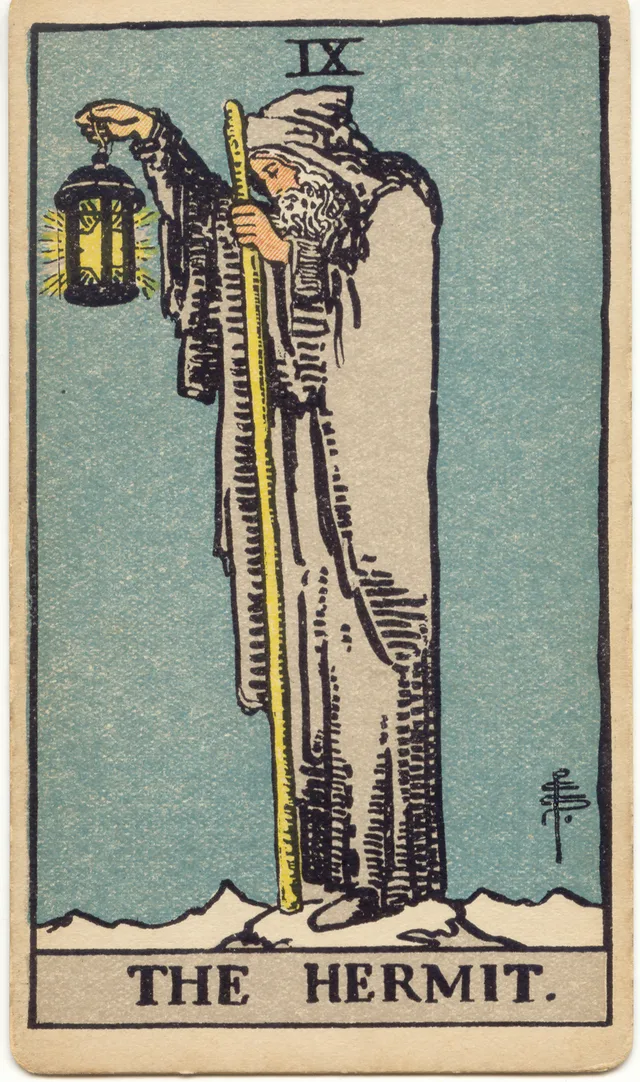
The Hermit
The Hermit explores chosen solitude; the Hanged Man explores a pause or changed perspective that may not be fully under your control.
Read this card's meaning →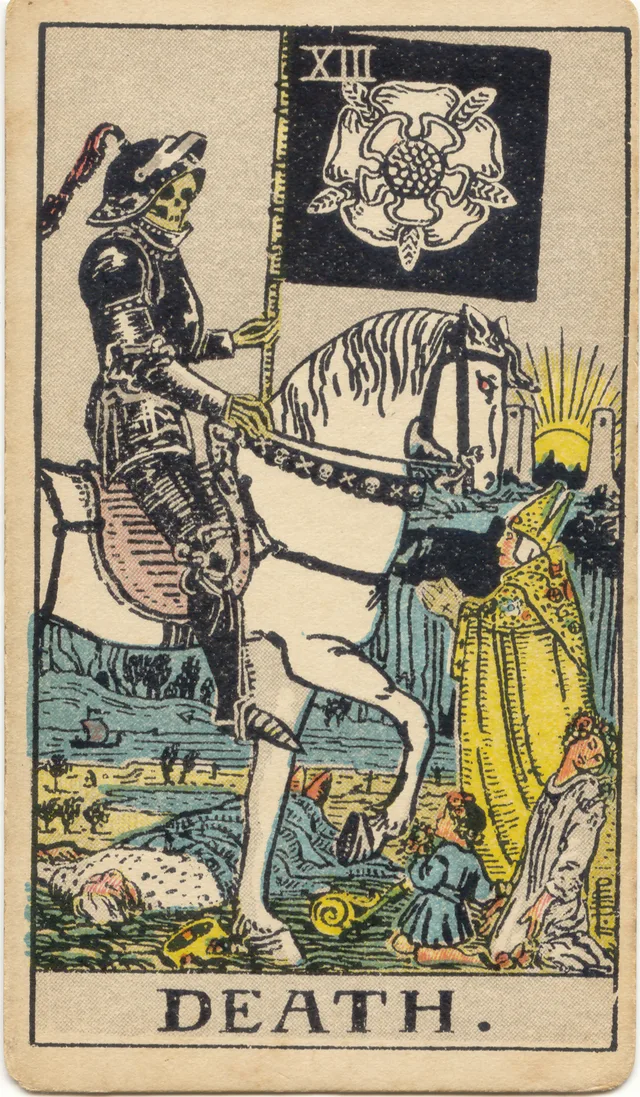
Death
Death explores transformation; beside the Hanged Man, it can frame what may need to change while a person reassesses a situation.
Read this card's meaning →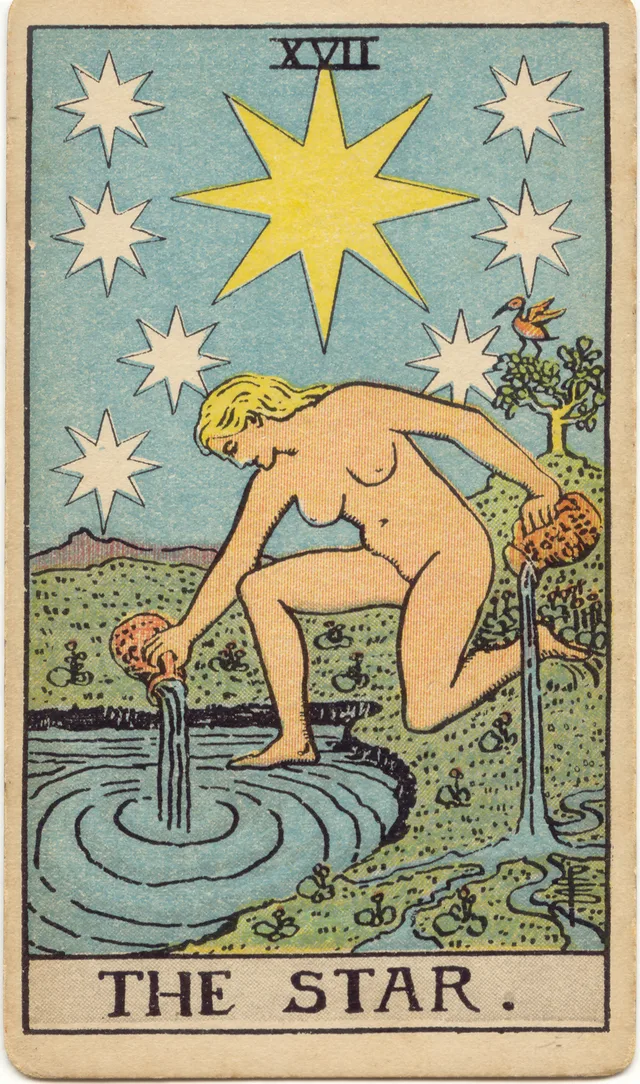
The Star
The Star explores hope and restoration; beside the Hanged Man, it can prompt questions about support during a pause without promising relief.
Read this card's meaning →