Knight of Swords Tarot Card Meaning
The Knight of Swords depicts fast movement, direct speech, and a risk of acting before checking the full context. It can prompt you to distinguish a real deadline from impatience in work, relationships, or decision-making. Before acting, confirm the facts, consequences, other people's consent, and whether speed serves the goal.

What's pictured on the card
The Knight of Swords gallops at full charge on a white horse, sword raised high and body pitched forward, riding straight into a gusting wind. The clouds race, the trees bend hard, and birds scatter across the sky. Everything about the scene is speed and forward drive. Smith drew pure momentum, a fearless, focused rush towards a goal, along with its cost: so much haste that the rider risks charging past what he ought to have noticed.
Knight of Swords upright: the core meaning
The Knight of Swords charges forward at full tilt, all sharp focus and headlong drive. Today favours decisive action and speaking your mind, cutting to the point and pressing ahead. Just soften the edges a little as you go. Aim that momentum at the right target, and pair your speed with a moment's thought before you charge.
You may feel fired up today, itching to get moving and make something happen right now. There's real power in that drive, though underneath it there can be a slight restlessness, an impatience with anything or anyone moving slower than you. Notice if the hurry is partly a wish to outrun a quieter feeling. Your energy is worth trusting, but the quiet, wisest part of you knows that a moment’s pause before the charge only makes the run truer.
Use today's momentum only after deciding where it serves you. Pick one goal and check the full picture before acting. In relationships, directness can help when paired with a breath and room for the other person's response. With money, follow a considered plan rather than a recent impulse. Release the pressure to make everything happen immediately; channel energy into bold action that can be reviewed and revised.
Three simple ways to work with this card
- Pick one goal to push on with today and let the little distractions wait until it’s clearly moving.
- Before you fire off that decisive message, take three slow breaths and check you have the full picture.
- Notice if your hurry is outrunning a feeling; pause, name it, then decide whether to keep charging.
Where could decisive action help today, if you aim it thoughtfully?
Speed and everything it costs
The charging horse. The horse runs at full extension, with the hooves barely touching the ground. That posture makes speed and commitment the dominant visual facts. It can frame a question about an urgent action, but the image cannot establish that the rider has checked the route or that speed serves the goal.
The raised sword. He holds a sword high, angled forward and slightly back as he rides. It is ready but has not reached a target, so the image separates intention from consequence. Use that distinction to list what has been decided, what remains unknown and who could be affected; the card cannot show the eventual result.
The wind and the birds. Trees bend, clouds race and three birds scatter across the sky. These visual details communicate disturbance and speed around the rider. They can help discuss how a rapid decision affects a wider environment, but they do not show that other people will follow or that disruption is productive.
The armour and the decorated trappings. Birds and butterflies appear on the reins and tunic, linking the figure with air, thought and communication. The decoration can frame a reading about translating an idea into words and movement. It cannot show that the rider has accurate information or that fast thinking is useful in this situation.
What's behind him. The scene shows no settlement, visible destination or companion beside the rider. Riding alone can represent an action taken without consultation, but the image cannot establish that no one was consulted. Check whose information is missing, whether consent is needed and what the rider may have overlooked.
The upright meaning in detail
The Knight of Swords brings decisive, focused action and direct communication into the reading. It can prompt a review of whether deliberation is still producing information or whether a bounded step would test the decision. A beginner facing a confusing utility bill could circle the disputed charge, write three precise questions and request the provider's written explanation instead of sending an angry paragraph. This makes the next action specific while leaving room for new information. The card cannot establish urgency, completeness of information or permission to act.
He also describes direct, possibly blunt communication. A short email or clear meeting statement can reduce ambiguity, but directness can harm a relationship when it leaves no time for context or response. Before sending, check the facts, purpose, tone, audience, consent and likely consequences; the card cannot show that an assessment is accurate.
The Knight is not necessarily reckless; the image shows concentrated movement toward an intended direction. A practical question is whether the target is defined and whether the action can be reversed. Momentum can make correction expensive, so build in a pause, a check or an exit before committing.
The reversed meaning
Reversed, a common theme is action that overshoots its purpose: a message lands harder than intended, a decision is made before the full picture is available or a proportionate move becomes excessive. Review the words, facts, scope and effects instead of assuming the intention was sound.
Another theme is blocked momentum: a person wants to act, but systems, circumstances or other people prevent movement. Identify the actual barrier, decision right, dependency and available alternative rather than treating frustration as evidence that a route is ready.
The reversal can also frame directness that becomes dominating: communication that leaves no room for reply or uses speed to end discussion. Do not diagnose a person's character from the card. Check the actual language, power difference, consent and effect, and pause to review a message before sending it.
In love & relationships
For a single reader, the Knight brings direct interest and fast communication into focus. Enthusiasm can be welcome when it is mutual, but speed does not establish readiness for commitment. Look for room to respond, respect for boundaries and interest that remains consistent beyond an intense beginning.
In an established relationship, the Knight can bring a delayed conversation into focus. Directness is most useful when both people have time to speak, understand what is being asked and choose how to respond. State the concern without presenting a conclusion as settled, and check whether the other person was included in the reasoning.
Direct communication can clarify a long-avoided issue, but speed and bluntness can also leave too little time for consent, context or a reply.
- Starting a direct conversation about an issue both people have avoided
- Clear statements of needs, boundaries and uncertainty
- A direct invitation that leaves room for the other person to decline
- Replacing vague assumptions with a specific, answerable question
- Moving before the other person has time to form their own view
- Analysing the relationship and announcing conclusions without the partner
- Directness that becomes a monologue rather than an exchange
- Treating emotional complexity as a problem to solve before it is understood
Career
In professional life, the Knight can prompt action on a stalled task: shorten a three-hour meeting to a focused forty-minute discussion, state the unresolved issue or propose a defined next step. Speed is useful only when the decision rights, information and affected colleagues are clear. Do not confuse activity with progress.
The career risk is acting on incomplete information and announcing a decision before colleagues can contribute. Ask one relevant question, identify who owns the decision and give affected people a meaningful chance to respond. A new employee asked to change a booking system might first record the error, ask who approves changes, check the existing instructions and propose a small trial rather than rewriting everything overnight. If a negotiation or project is stalled, a call, written position or proposed deadline may help, but check authority and consequences first.
Money
With money, the Knight symbolises speed and possible impulsiveness as themes. Check information, affordability, fees, liquidity and downside before acting. The card cannot establish that an opportunity deserves fast action; figures and qualified advice where appropriate must do that.
For negotiations and money conversations, the Knight brings direct language and firm terms into view. It cannot show that the moment has arrived to pressure a client, landlord or bank. A first-time renter could list the deposit, notice period, repair duties and questions about fees before a call, then send a short written summary afterward. Check the agreement, leverage, evidence, power difference and likely consequences before choosing what to ask and how.
Health & wellbeing
For wellbeing, the Knight can prompt reflection on a fast pace: skipped meals, reduced sleep, persistent alertness or work that leaves no recovery time. These are observations to discuss, not a diagnosis. If a pace affects sleep, health or daily function, use qualified support and make a practical plan for rest.
For health decisions, the Knight can prompt a review of a delayed question, but it cannot tell someone to book, change treatment or stop deliberating. Symptoms, urgency and qualified medical guidance determine the next step. Recovery follows its own clinical and personal timetable.
Life events & big decisions
Before a major decision, the Knight's posture can prompt a review of delay: what information has been gathered, what remains missing and what cost follows from waiting? Whether to move depends on the evidence, deadlines, consent and consequences in front of you; the card cannot determine whether the moment is right.
Contrast the Knight's speed with decisions involving competing values or other people's perspectives. The card cannot determine whether speed is a liability or prescribe a pause. Use the decision's facts, consent, deadlines and consequences.
For timing, the Knight symbolises speed but cannot establish readiness, set a days-versus-weeks window or predict that a stall will end. Look to actual deadlines, dependencies and communications.
Contracts, deals & signatures
In contract situations, the Knight symbolises direct communication and momentum. It cannot show that a negotiation will close, a deal will be completed or momentum has recovered. Written terms, deadlines and the parties' communication establish status.
The Knight can prompt a review of tone as well as terms. It cannot predict the other party's response, direct signature timing or establish that hesitation is meaningless. Review the complete document, termination clauses, alternatives and qualified advice before deciding.
Entrepreneurship & business
For entrepreneurship, the Knight can frame a bias toward action, a launch decision or a proposed change. Before shipping, hiring or ending a partnership, define the evidence required, legal and financial obligations, customer impact and a way to reverse or repair the decision. “Done” is not automatically better than more preparation.
A limitation is that fast execution can outpace team communication. A beginner running a small event might assign one person to bookings, one to accessibility questions and one to supplier contact, then set a short check-in before any public change. That simple division makes responsibility visible and gives people a place to raise a concern. As a business grows, clarify roles, decision rights, feedback routes and workload rather than expecting one person's speed to carry everything. Pair initiative with review and shared accountability.
How this card tends to show up
Beside The Chariot, compare focused movement with control, route and safeguards; the pair cannot predict that something will move quickly. With Page of Swords, review whether questions have actually been answered before acting. Beside Five of Wands, consider competing interests, consultation and the likely effect of a direct approach.
This card can resonate with someone unsure whether continued deliberation is useful. Instead of treating it as permission, list the known facts, missing information, decision deadline, downside and smallest reversible action. That process distinguishes preparation from avoidance more reliably than the card's speed.
What does the Knight of Swords mean in tarot?
What does the Knight of Swords reversed mean?
Is the Knight of Swords a yes or no card?
What does the Knight of Swords mean for love?
Does the Knight of Swords mean conflict?
If the Knight of Swords is in your reading, ask what action or conversation you are considering and what evidence is still missing. Write the purpose, deadline, people affected, risks and smallest reversible step. The card cannot establish that thinking is complete or that a previous opportunity has passed.
Before acting, make one focused check of the target, evidence and likely consequence without turning review into endless delay. A daily reflective practice can help: the free daily draw is there each morning, but it cannot identify what the action is for or establish that a charge will reach its intended result.
The Knight of Swords can reflect decisive action, but not every urgent moment is the right one. Aim as carefully as you can, check the facts, and consider the consequences before moving.
Related cards and themes
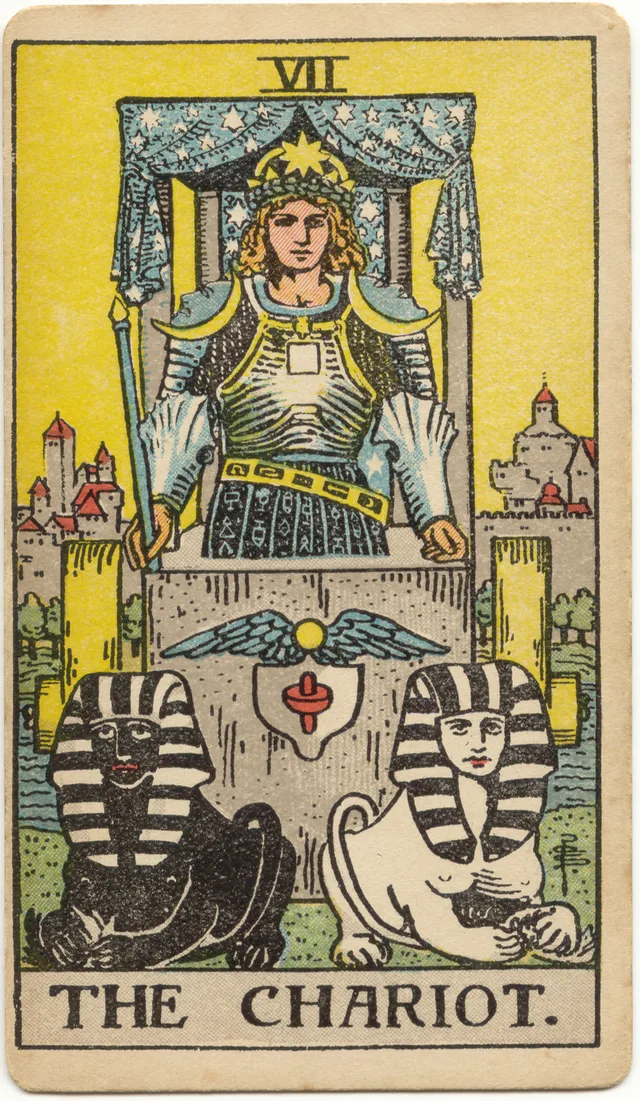
The Chariot
The Chariot explores directed will and control; the Knight of Swords explores immediate action and direct communication. The pairing invites a check on aim, safeguards and consequences.
Read this card's meaning →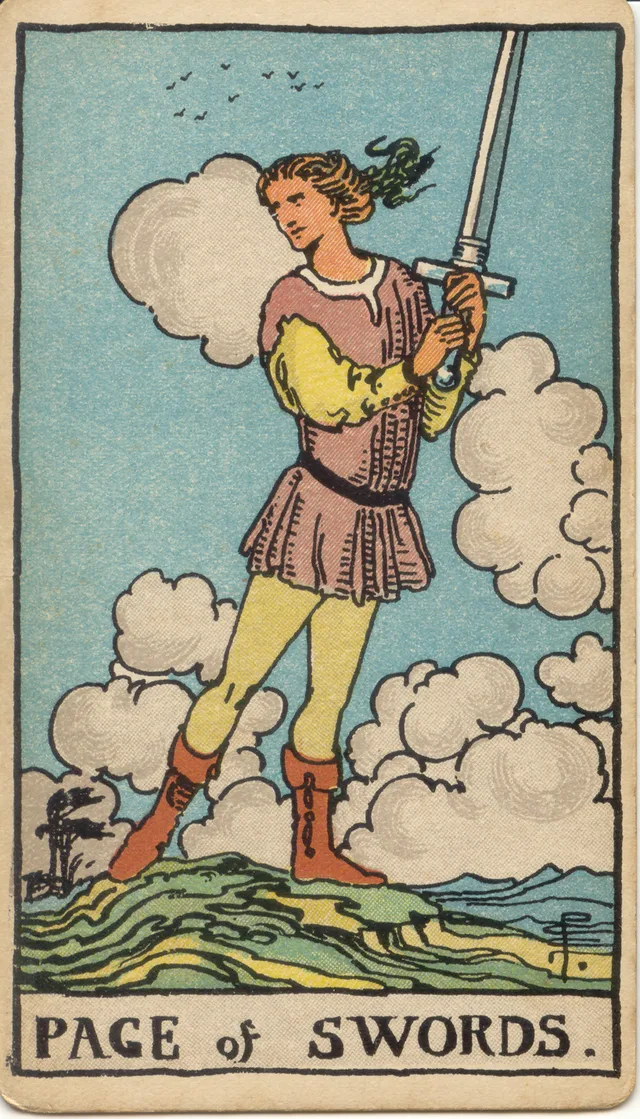
Page of Swords
The Page of Swords focuses on questions and information gathering; the Knight focuses on acting and communicating. Together they invite a review of whether the available information is sufficient for the proposed action.
Read this card's meaning →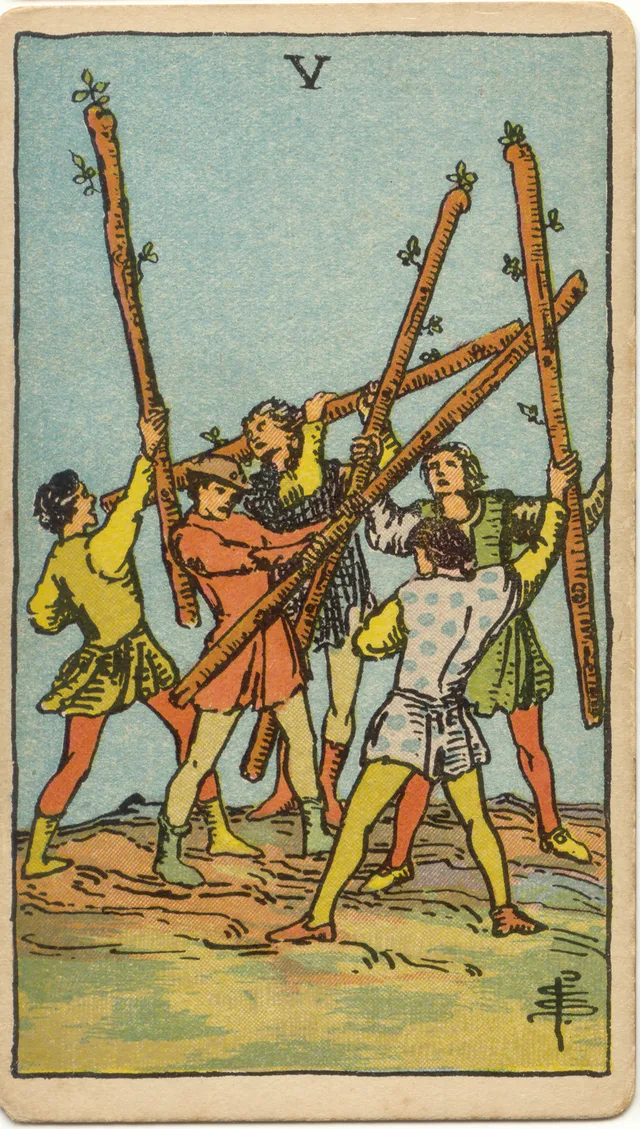
Five of Wands
The Five of Wands explores competing claims and friction; the Knight of Swords explores fast, direct action. The pairing can prompt attention to conflict, consultation and how a message may land.
Read this card's meaning →